


Decorative Ceramic Ginger Jars
Decorative ceramic ginger jars bring centuries of global trade and kiln craft into a modern interior.
Decorative Ceramic Ginger Jars
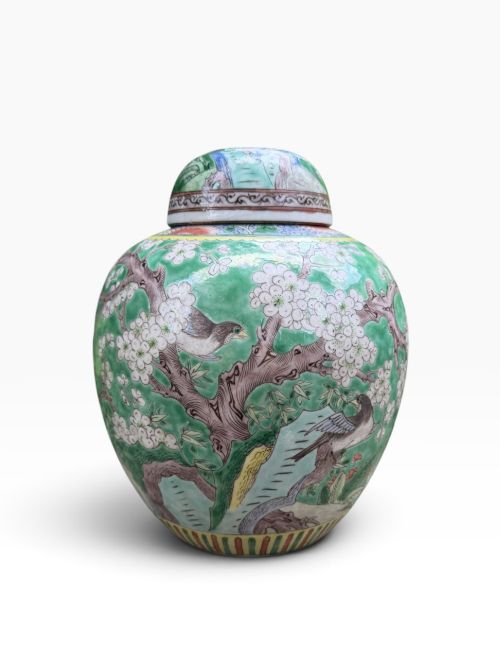
Decorative ceramic ginger jars span centuries of production, originating from Chinese kilns before spreading to Japanese workshops and European potteries. These covered vessels appear in forms such as traditional lidded jars, tea caddies, and tall vases with covers.
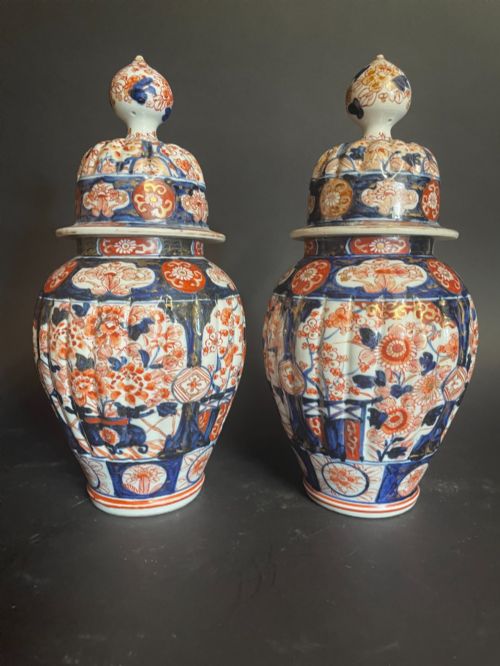
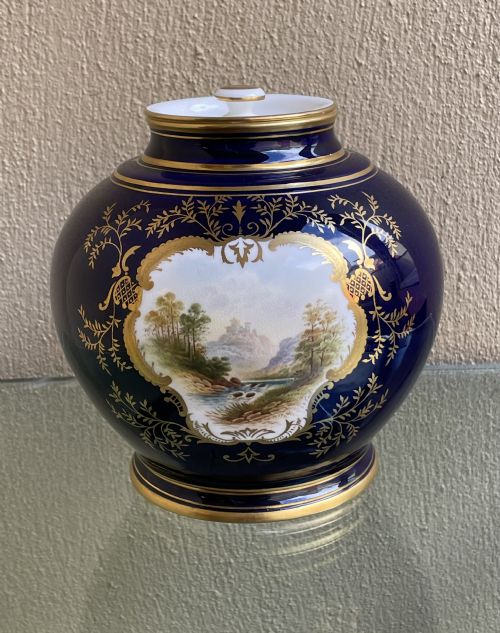
Buyers will most frequently meet 19th-century examples on this page, particularly Japanese Imari porcelain jars and Chinese blue and white vessels. Pieces also emerge from Victorian and Edwardian English factories alongside continental European kilns.
The selection ranges from early Chinese pots carrying Ming dynasty forms to Art Deco earthenware and majolica pieces. Each object combines storage utility with ornamental surface design executed in diverse regional palettes.
Materials and methods
The physical construction relies primarily on porcelain and earthenware bodies shaped on the wheel or pressed into moulds. Potters secured lids to match the body contours, creating balanced proportions across the shoulder and neck.
Decoration incorporates underglaze cobalt, overglaze enamels, and surface gilding with gold leaf. Japanese and Chinese pieces frequently employ the Imari palette or Kutani pigments, while European makers utilise handpainted glazes and enamel highlights.
Listings span periods from the 17th century Ming dynasty through Victorian Chinoiserie and Edwardian porcelain to 1930s Art Deco earthenware.
Assessing quality
Quality rests in the crispness of the potting and the precision of the handpainted brushwork across the ceramic surface. Superior examples demonstrate confident control over cobalt blue tones or rich enamel and gilt application.
The integrity of the matching cover heavily influences the standing of a jar. Finer pieces retain their original lids with clean rims, while factory signatures from named decorators or recognised houses elevate the standard.
E O Ball·Herend·Wolfsohn Dresden·Royal Winton·Royal Worcester
The Decorative Ceramic Ginger Jars Glossary
- Imari
- A style of Japanese porcelain featuring a distinct palette of underglaze blue, iron red, and gilt. Originating in Arita, this decorative approach gained immense popularity in European export markets.
- Kutani
- A style of Japanese coloured porcelain and pottery known for intricate pictorial scenes and heavy use of gold pigments. These wares often depict figures, birds, and floral motifs.
- Chinoiserie
- European artistic interpretations of Chinese and East Asian artistic traditions. This style manifested across continental and English ceramics throughout the Victorian period.
- Maiolica
- Tin-glazed earthenware produced in Italy and other parts of Europe. The technique allows for vibrant painted designs applied directly to an opaque white glaze.
- Tea caddy
- A small vessel originally designed for storing dry tea leaves. In decorative ceramics, these often share the form and lidded profile of miniature ginger jars.
Decorative Ceramic Ginger Jars: Frequently Asked Questions
What were ginger jars used for?
These vessels originally served to transport and store spices, herbs, and preserved ginger along maritime trade routes. Merchants relied on their sturdy ceramic walls and lidded tops to protect contents from moisture during long sea voyages.
Over time, European collectors repurposed the empty jars as purely ornamental objects for mantelpieces and display cabinets. Their balanced proportions made them focal points in domestic interiors long after their spice-carrying days ended.
How do I identify Japanese Imari?
Japanese Imari pieces typically display a distinct colour scheme combining cobalt blue underglaze with iron red and gold leaf overglaze. The surface decoration often crowds the porcelain body with dense floral, brocade, and landscape motifs.
Examinations under good light reveal the slight raised texture of the enamel and gilt layers sitting upon the white porcelain ground. These late 19th-century export pieces reflect the intense cross-cultural trade between Japanese kilns and Western buyers.
Where should I display a ginger jar?
Ginger jars command attention when placed on prominent surfaces like sideboards, mantelpieces, or deep bookshelves. Their vertical forms and decorative covers provide height and structure to a room arrangement.
Pairing matching jars creates a traditional mantel garniture, while a single large vase introduces a strong focal point. Placing them away from heavy foot traffic protects their delicate painted enamel and gilt surfaces from accidental knocks.
Are all blue and white jars Chinese?
While blue and white porcelain originated in China during dynasties like the Qing and Ming periods, many other regions adopted the aesthetic. European and Japanese potteries produced their own versions throughout the 19th century.
Distinguishing origin involves looking closely at the clay body, glaze texture, and painting style under the base. Potter's marks, reign characters, and regional potting traits help separate Chinese export ware from later European interpretations.