
Green Floral Vase
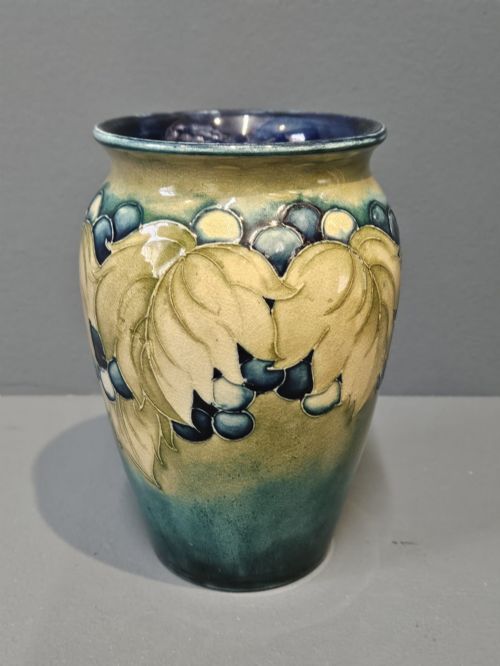
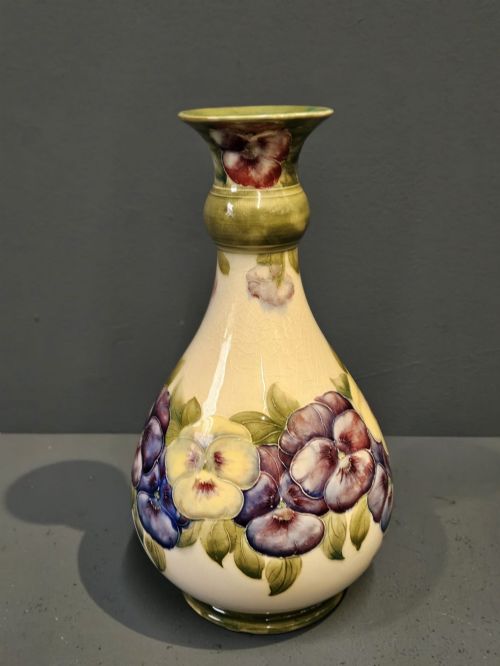
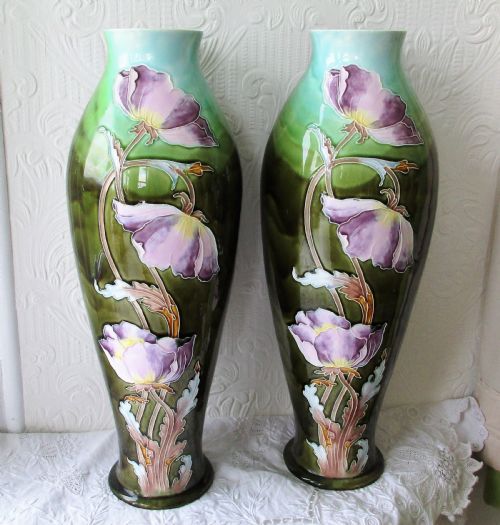
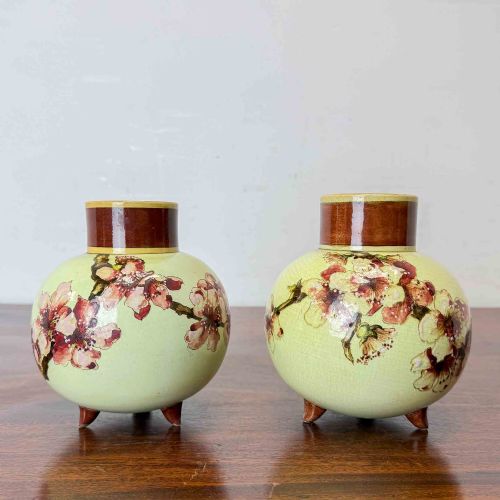
When you search for a green floral vase, you encounter a remarkable array of ceramics, glass, and paintings from the nineteenth and early twentieth centuries.
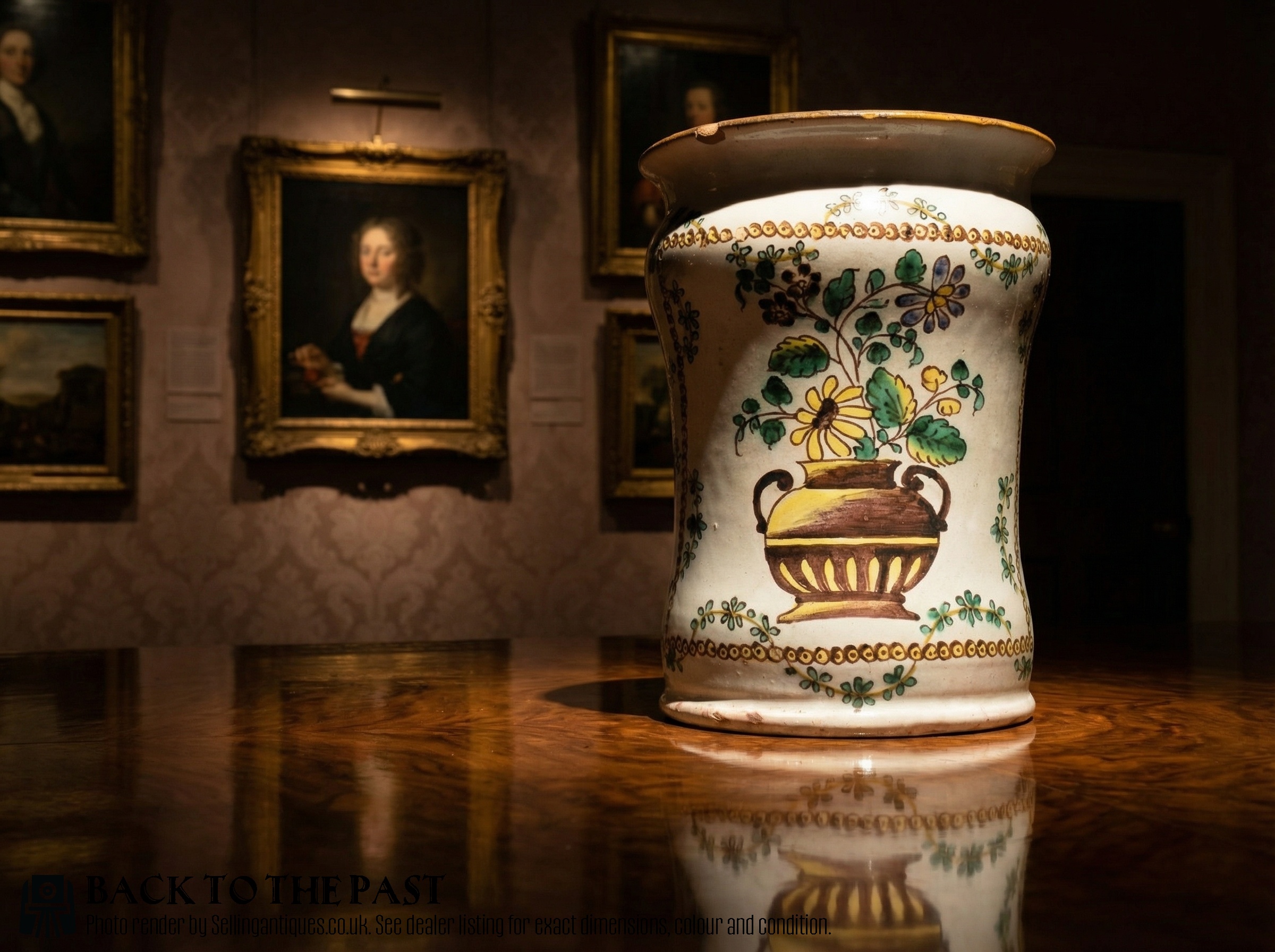
Green Floral Vase
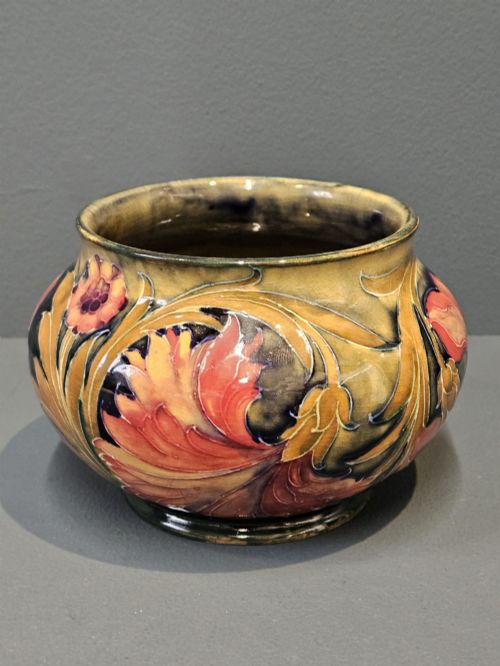
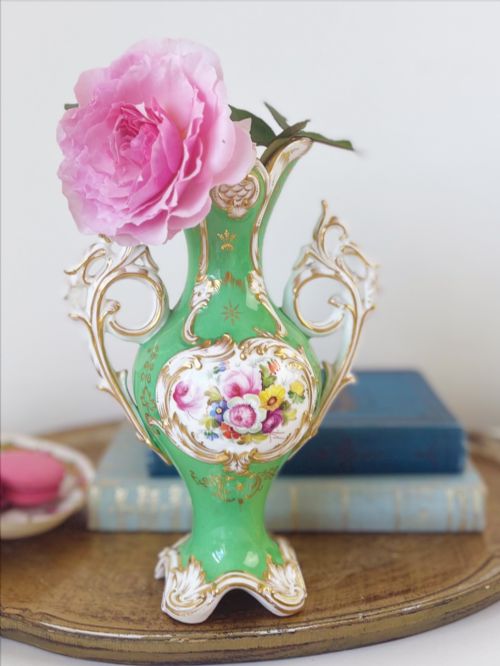
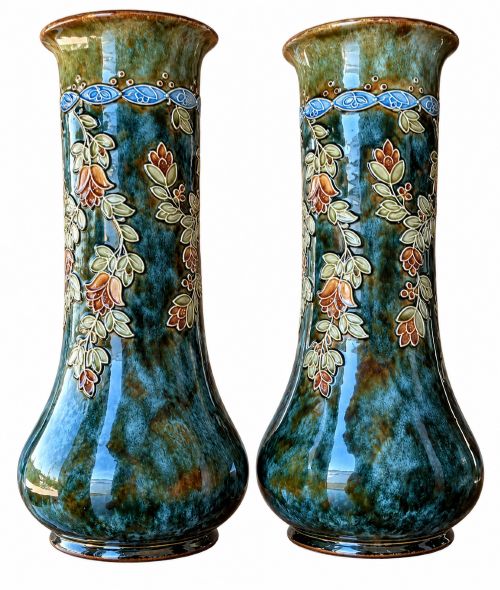
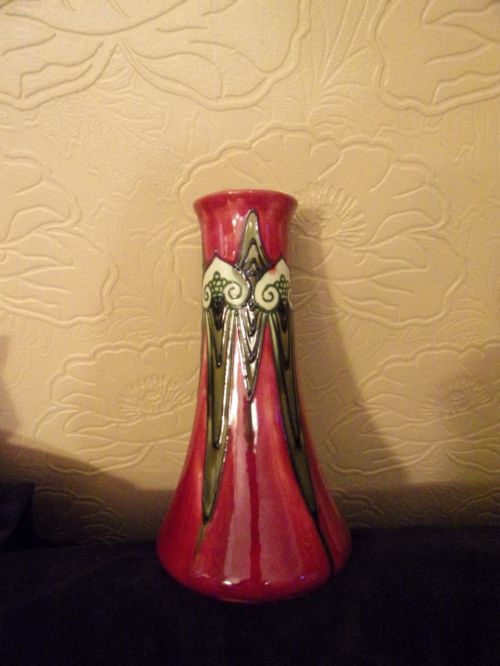
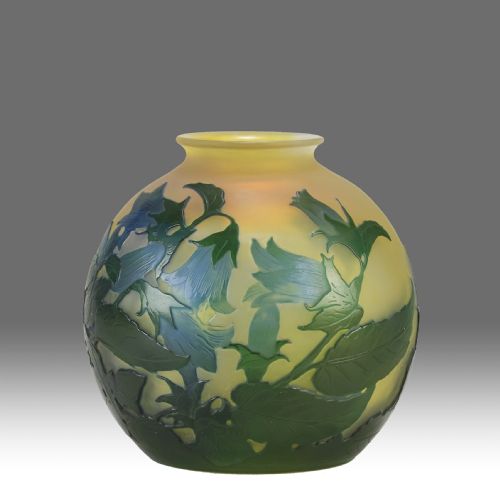
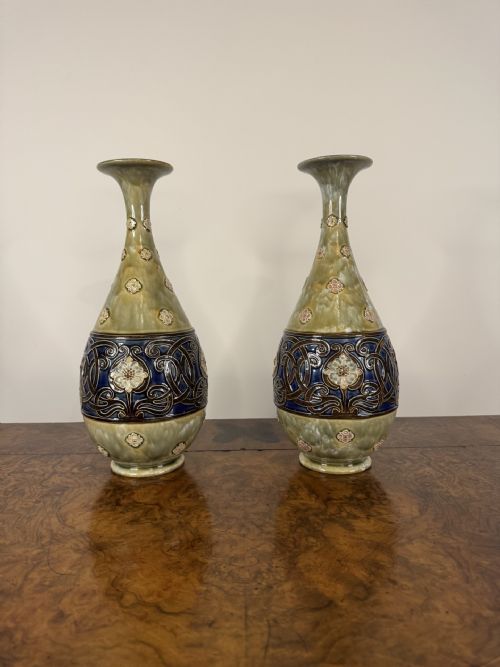
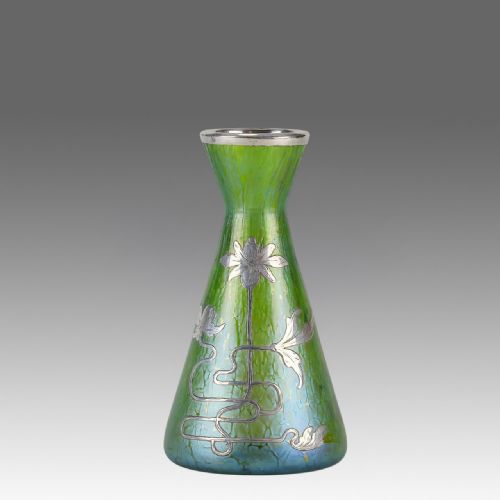
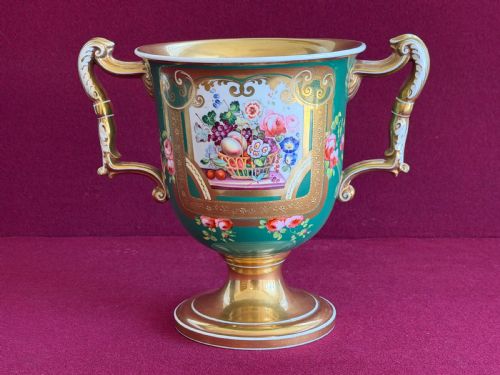
A green floral vase on this page typically appears as a ceramic, stoneware, or glass vessel decorated with botanical motifs, spanning periods from the Victorian era through the Art Nouveau and Art Deco movements.
Makers utilised various techniques such as tube lining, cameo carving, and hand painting to render foliage and blooms across earthenware, porcelain, and studio pottery.
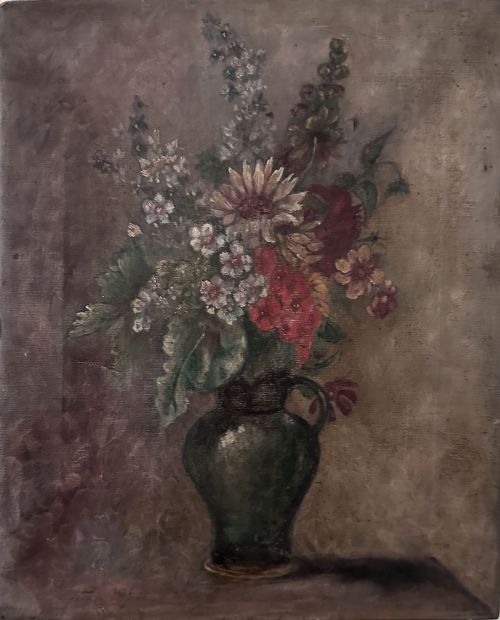
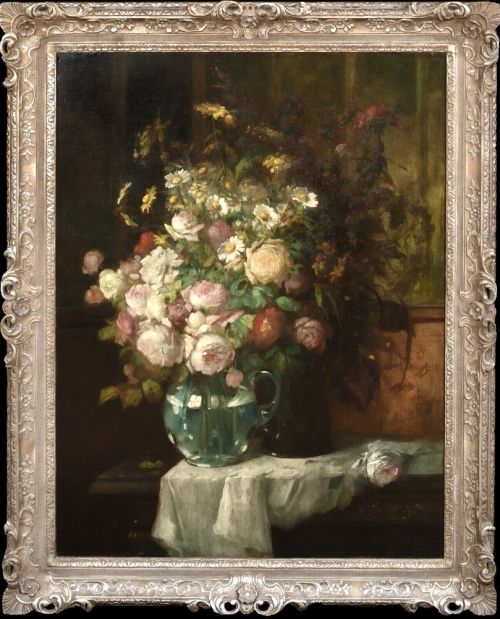
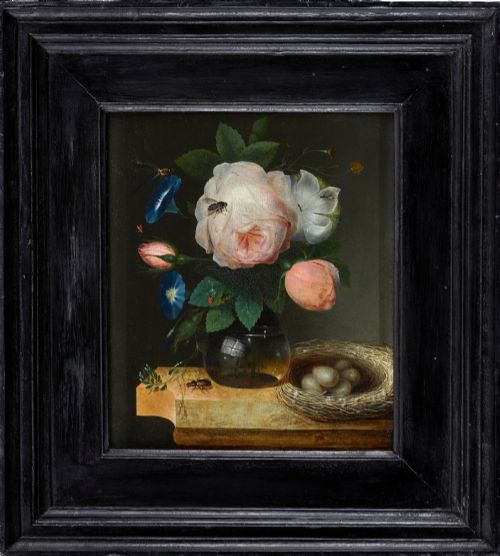
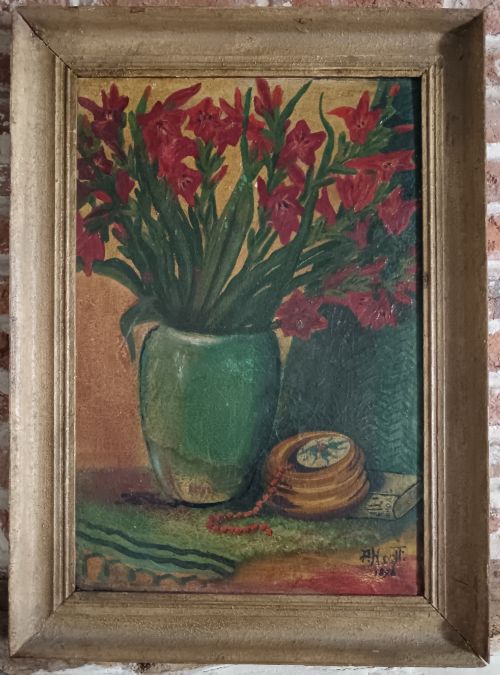
The selection ranges from tall baluster shapes to cabinet pieces, often accompanied by oil paintings and watercolours depicting similar floral themes.
How they were made
Potters and glassmakers shaped clay and molten material into vases using traditional throwing and moulding methods, applying glazes that produced rich botanical colourways.
Decoration often involved intricate surface work, including raised paste techniques, acid etching on cameo glass, and slip trailing to define floral patterns.
Listings feature ceramics, glass, and paintings spanning the Victorian, Art Nouveau, and Art Deco periods.
What varies in quality
Quality rests in the crispness of the botanical decoration, the depth of the glaze or glass colour, and the finesse of the studio or factory execution.
Pieces bearing specific signatures or attributed to prominent designers and potteries demonstrate superior artistic control and more ambitious technical execution.
Royal Doulton·Emile Gallé·Moorcroft·Johann Loetz·Daum Frères·Ulisse Cantagalli
The Green Floral Vase Glossary
- Stoneware
- A robust ceramic fired at high temperatures until vitrified, making it impermeable to liquids without necessarily requiring a glaze. It frequently forms the heavy bodies of late nineteenth-century vessels.
- Cameo glass
- Glass vessels constructed with multiple coloured layers that are carved or acid-etched to produce a contrasting design in relief. This technique defined many high-end pieces from the turn of the twentieth century.
- Tube lining
- A ceramic decoration method where liquid clay or slip is piped through a nozzle onto the surface to outline a design before glazing. It creates raised borders that catch colour in the kiln.
- Faience
- Tin-glazed earthenware produced in various European traditions, offering an opaque white or coloured surface suitable for painted floral motifs. It is common in nineteenth-century decorative wares.
Green Floral Vase: Frequently Asked Questions
How do I date a ceramic vase?
Dating relies upon factory marks, glaze characteristics, and stylistic traits associated with periods like Art Nouveau or the Victorian era.
Examining the base for impressed stamps or artist signatures often reveals the exact workshop and production era.
What is cameo glass?
Cameo glass involves layered coloured glass carved or etched to create contrasting relief designs, particularly popular in early twentieth-century pieces.
This labour-intensive method produces striking depth and texture on botanical motifs.
How should I display a stoneware vase?
Stoneware vessels benefit from placement on sturdy surfaces where their weight and substantial glazes can be appreciated in natural light.
Keeping them away from direct heat sources protects the historic ceramic body and surface finish.
What does tube lined mean?
Tube lining is a decorative technique where slip is squeezed through a fine tube onto pottery to create raised outlines for floral patterns.
This process gives the surface a tactile, compartmentalised quality that holds pools of coloured glaze during firing.