
Antique Ceramic Jar
An antique ceramic jar brings centuries of kilncraft, domestic utility and ornamental weight into a room.
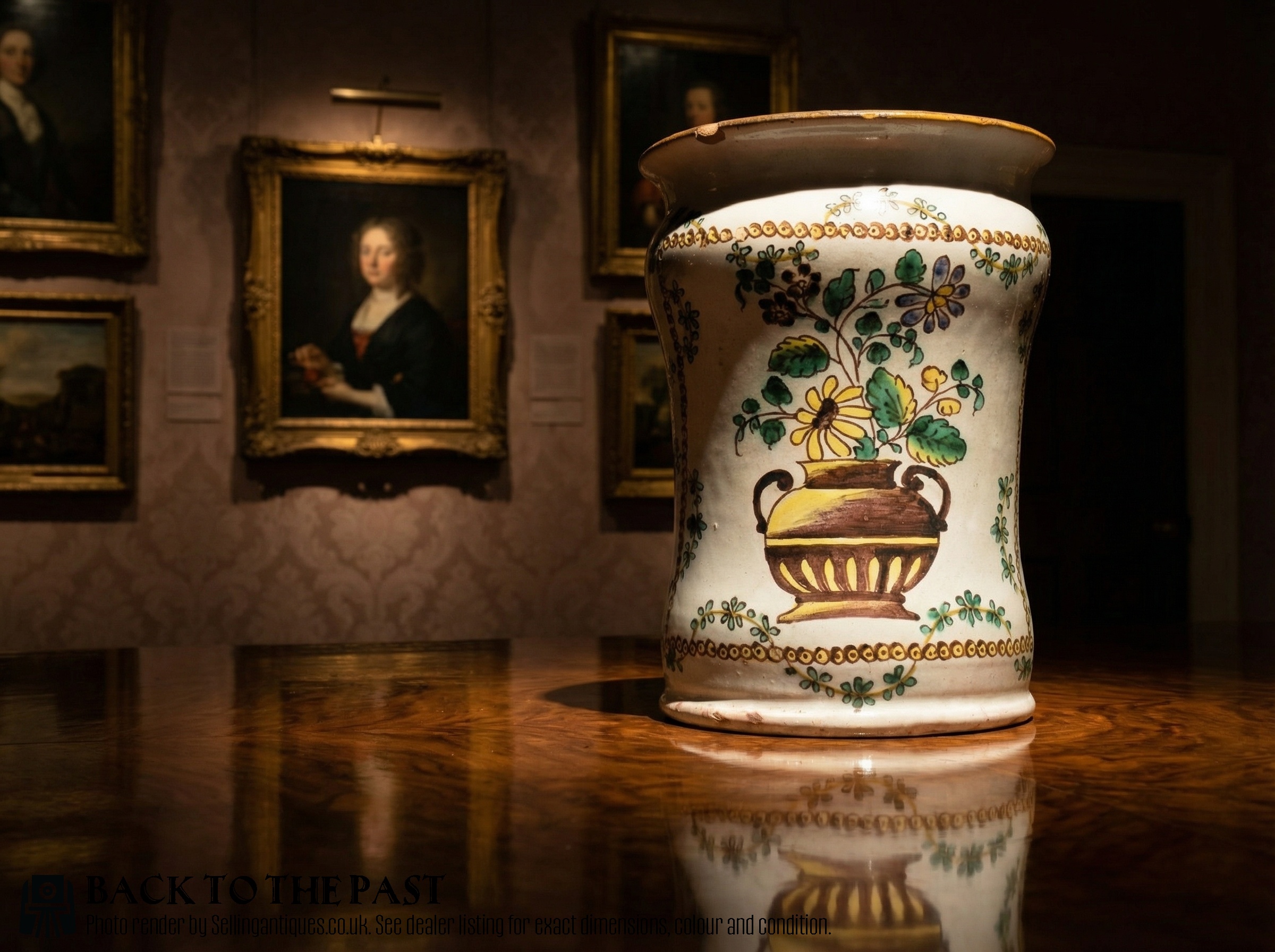
Antique Ceramic Jar
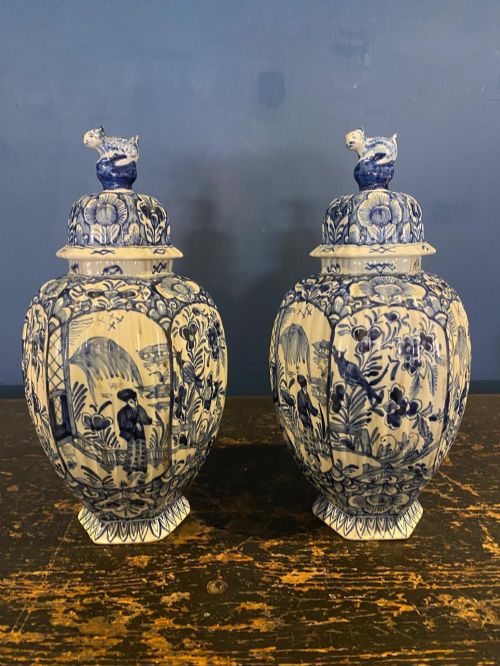
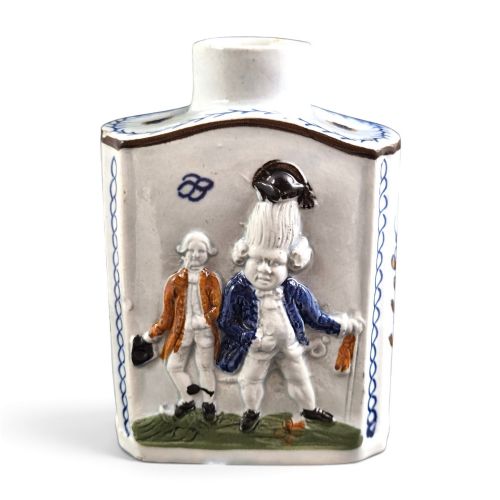
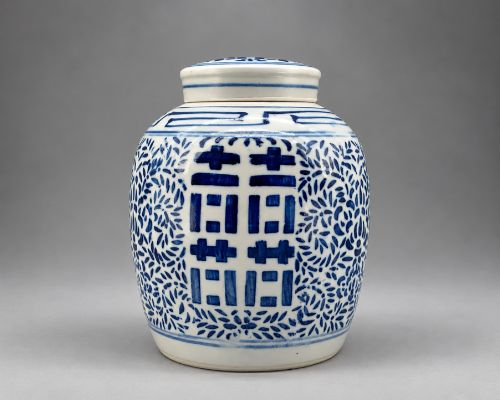
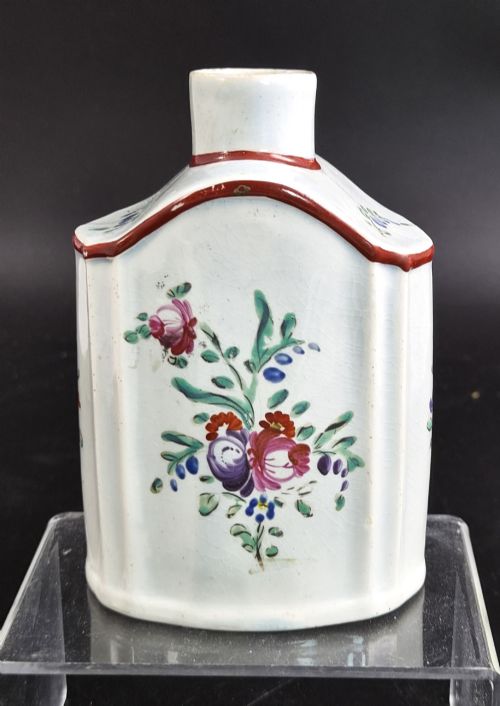
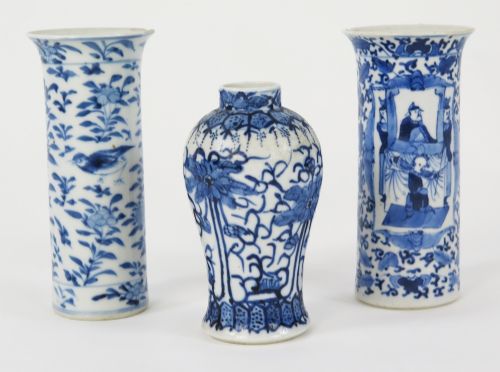
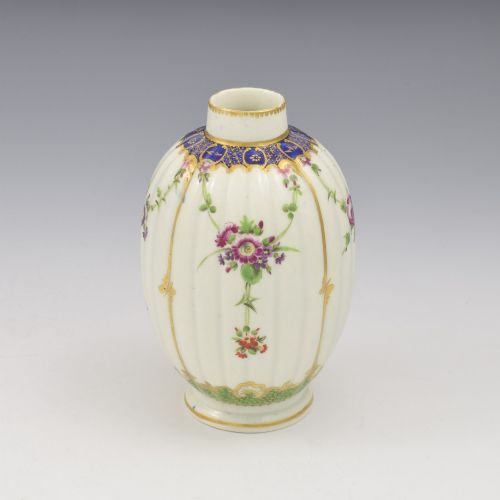
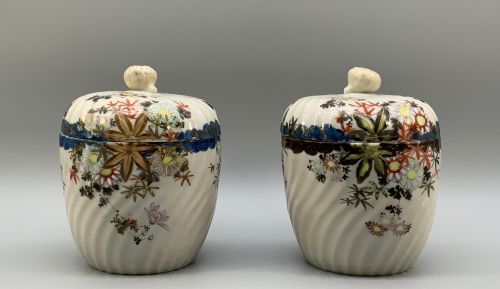
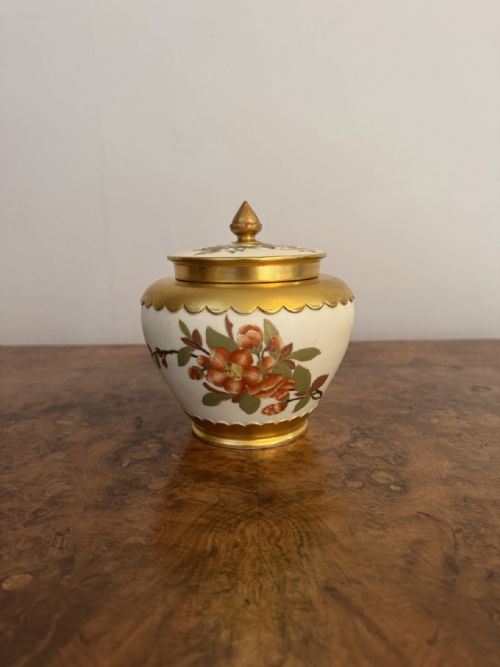
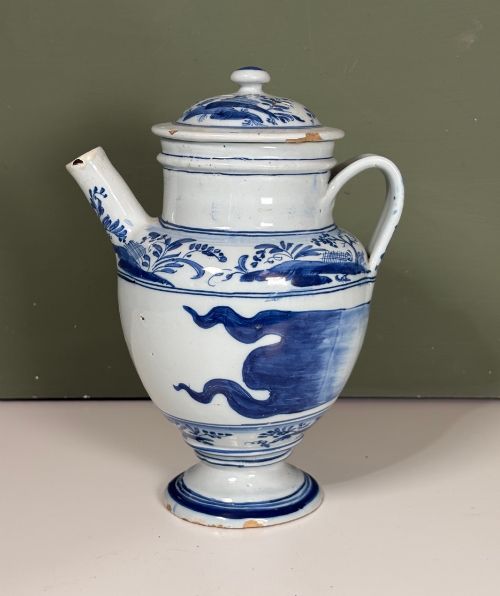
When searching for an antique ceramic jar, buyers encounter containers shaped for storage, display and apothecary use spanning the eighteenth and nineteenth centuries. The selection includes lidded ginger jars, drug containers, tobacco pots and large decorative urns drawn from European, English and Asian traditions.
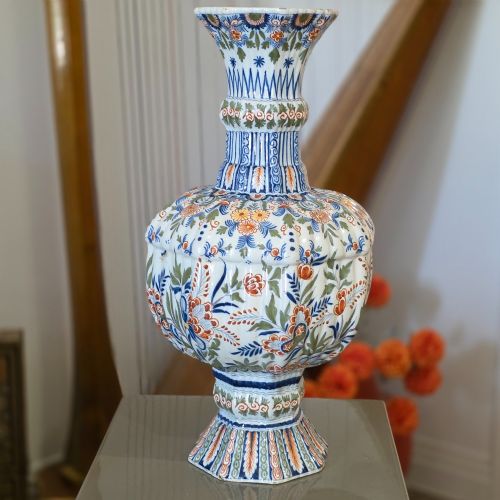
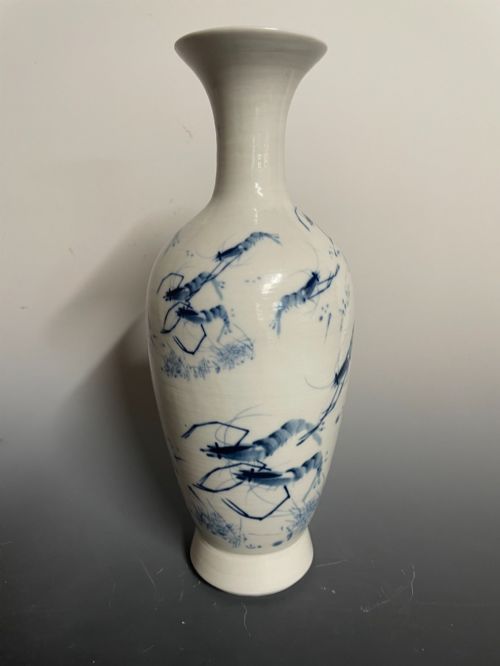
Most examples met on this page belong to the nineteenth century, ranging from crisp blue and white Chinese porcelains to robust earthenware confit pots and French faience. Form follows function, uniting bulbous bodies designed for preservation with decorative vessels intended for formal rooms.
How they were made
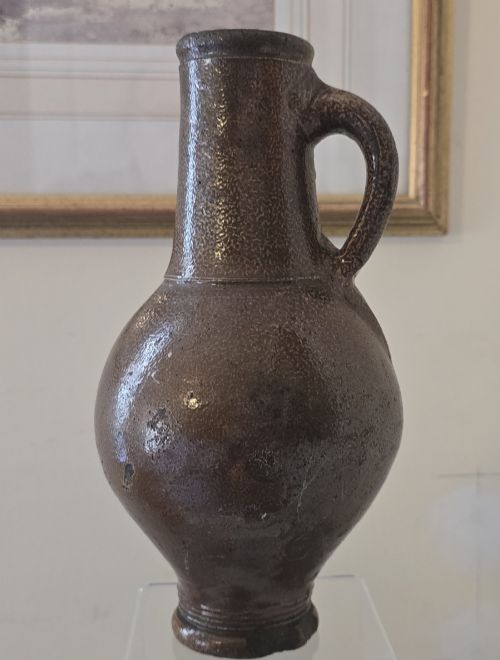
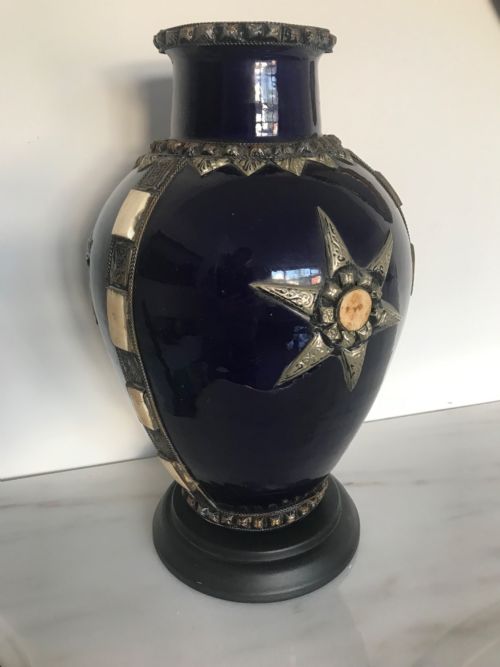
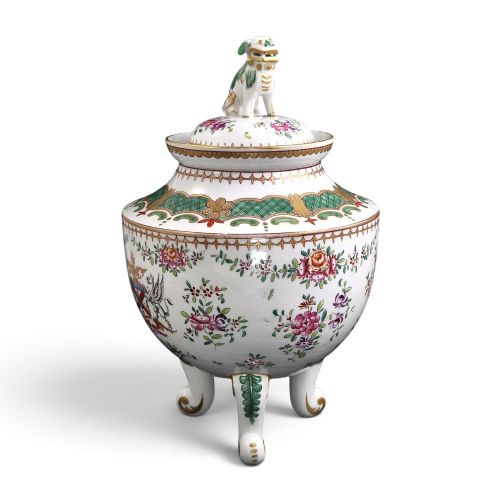
Potters built these vessels using earthenware, terracotta and porcelain, applying glazes that ranged from tin-glazed whites to deep blue flambé and polychrome enamels. Many pieces incorporate hand-painted decoration, underglaze pigments and occasional gilt touches or metal mounts.
Techniques varied from wheel-thrown domestic utility wares to intricate slip-cast and moulded ornamental vases produced by major European potteries and traditional Asian kilns.
Listings feature eighteenth and nineteenth-century ceramics including earthenware, terracotta, tin-glazed earthenware and fine porcelain.
What varies in quality
Quality rests in the precision of the throwing, the control of the kiln firing and the sharpness of the hand-painted brushwork. Superior examples show deliberate artistic execution in their pigments and glazes rather than mechanical repetition.
The balance of form, intact original covers and the crispness of applied details distinguish workshop pieces meant for display from everyday utilitarian containers.
Dr Wall Worcester·Royal Worcester·Doulton Lambeth·Sitzendorf·Fourmaintraux Courquin·Booths
The Antique Ceramic Jar Glossary
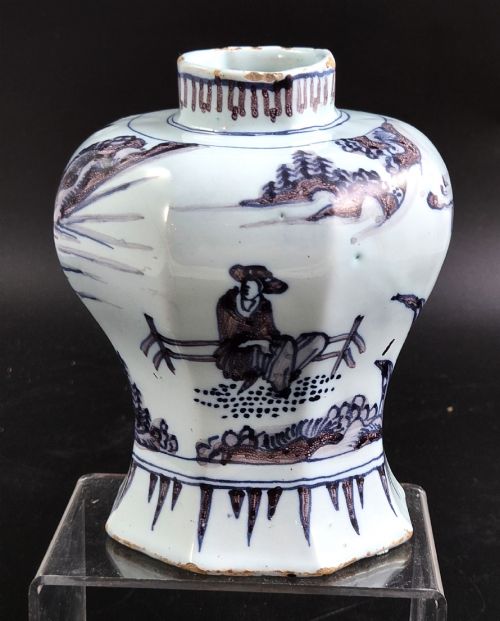
- Tin-Glazed Earthenware
- Pottery coated with a glaze containing tin oxide to create a white, opaque surface suitable for painting. This technique underpins traditional delftware and faience.
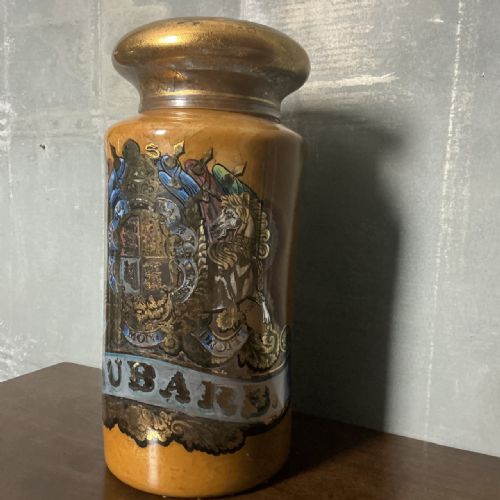
- Apothecary Jar
- A vessel specifically formed to store medicinal drugs, herbs and ointments in pharmacies. They often feature painted cartouches and labels.
- Imari
- A style of Japanese porcelain decorated in underglaze blue and contrasting iron red, supplemented by gilt. These wares gained immense popularity across Europe.
- Terracotta
- Unglazed or glazed fired clay of a brownish-red colour used for heavy storage vessels and garden ornaments. It is among the oldest ceramic mediums.
- Confit Pot
- A French utilitarian earthenware jar finished with a partial green or yellow glaze, traditionally used for preserving meats.
Antique Ceramic Jar: Frequently Asked Questions
What were apothecary jars used for?
These jars stored dry drugs, syrups and medicinal herbs within eighteenth and nineteenth-century apothecary shops. Their tight-fitting lids protected contents from moisture and air.
Over time, chemists displayed them on shelves to signal professional trade and medicinal expertise to the public.
Where should I display an antique jar?
Large lidded pots and floor-standing vases suit entrance halls, empty corners or heavy sideboards where their volume balances architectural space. Smaller apothecary and tobacco jars sit comfortably on open shelving or mantels.
Position them away from direct foot traffic to protect fragile rims and historical glazes.
How do I tell nineteenth century ceramics apart?
Nineteenth-century pieces often display industrial uniformity alongside traditional hand-painting, reflecting the output of expanding European factories and revived Asian export kilns. Manufacturers utilised refined porcelain alongside durable earthenware and transfer-printing techniques.
Examining base marks, glaze consistency and wear patterns helps differentiate Victorian English production from continental faience.