32,582  PAGES BROWSED TODAY PAGES TODAY • 108 ANTIQUES UPLOADED TODAYNEW ARRIVALS
GIFTSNEW
108 ITEMS ADDED TODAY
Sort Order
Items Per Page
Browse Categories
Sort order
Relevant Links
Items per page
ID #SA1236652
FOR SALE
£895
Email Phone
Save
John Dwight Fulham Pottery Stoneware Bottle, Fulham, London, C.1677–1685
For sale by Oliver Sargent Antiques
for sale €1,047     $1,137
£895

Oliver Sargent Antiques

Sellingantiques Verified Since Jul 2013
Browse dealers 96 items
  • About Us
    Specialists in vintage military watches & clocks and antique oriental ceramics & works of art
Id #SA1236652
PDF SHARE
SAVE

John Dwight Fulham Pottery Stoneware Bottle, Fulham, London, C.1677–1685

17th century
Description

John Dwight Fulham Pottery Stoneware Bottle, Fulham, London, c.1677–1685

John Dwight of Fulham Pottery, London

English stoneware bottle / jug / flagon

Circa 1677–1685

Height: 24 cm

Maximum belly diameter: approx. 12.5 cm
Price: £895, including UK postage

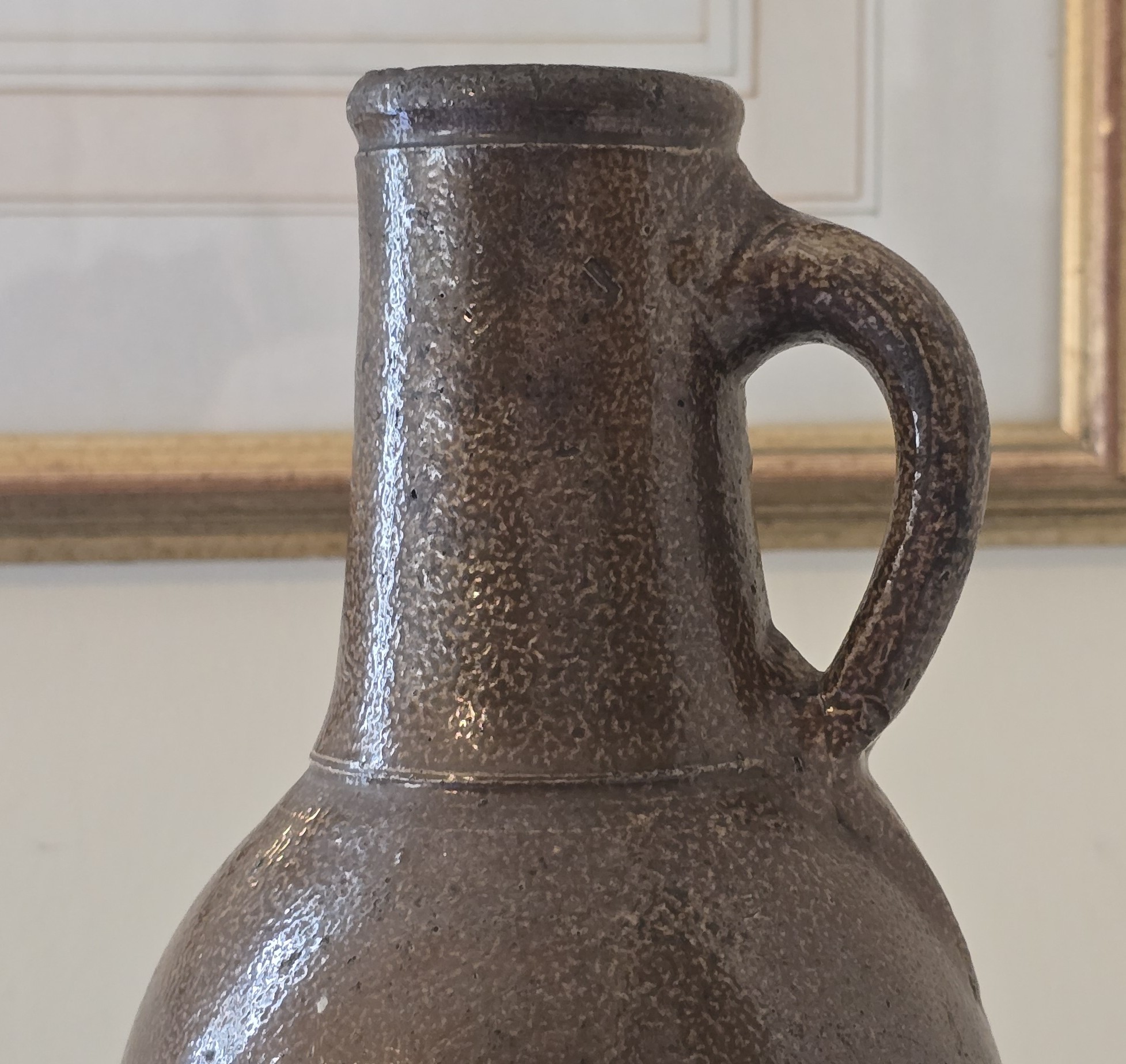
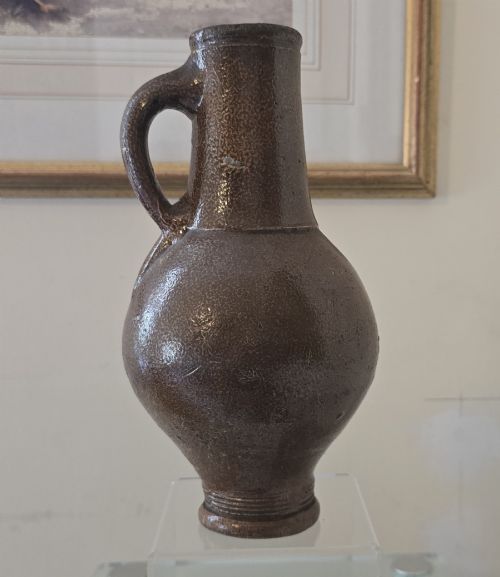
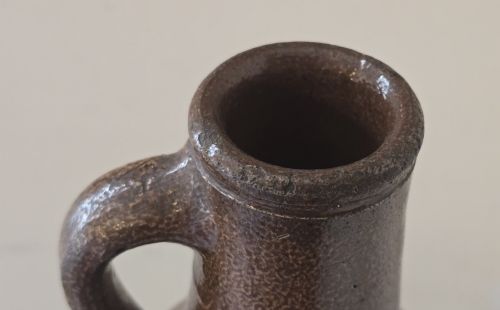
A fine and apparently rare early English stoneware bottle attributed to John Dwight's Fulham Pottery, Fulham, London, dating to approximately 1677–1685.

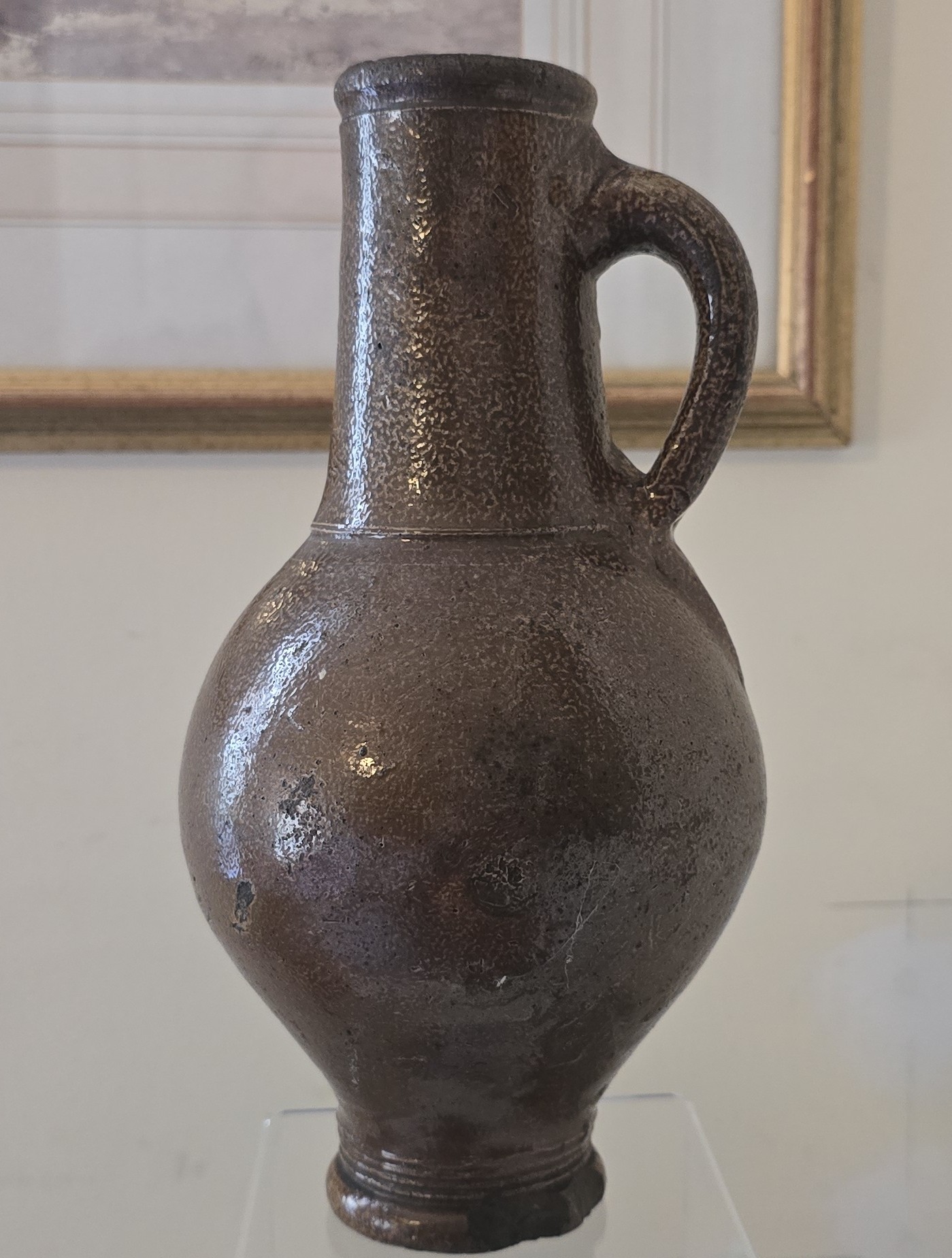
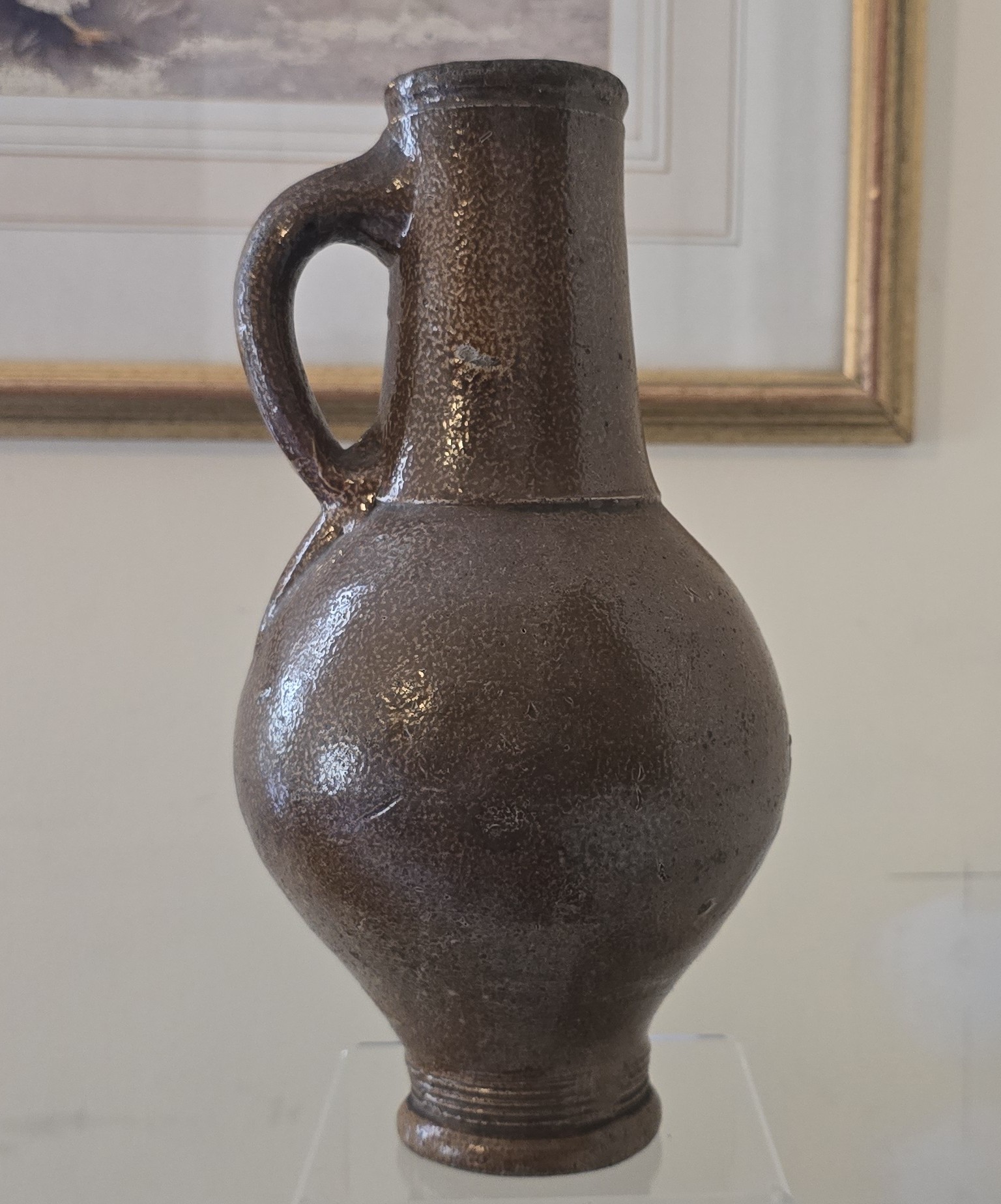
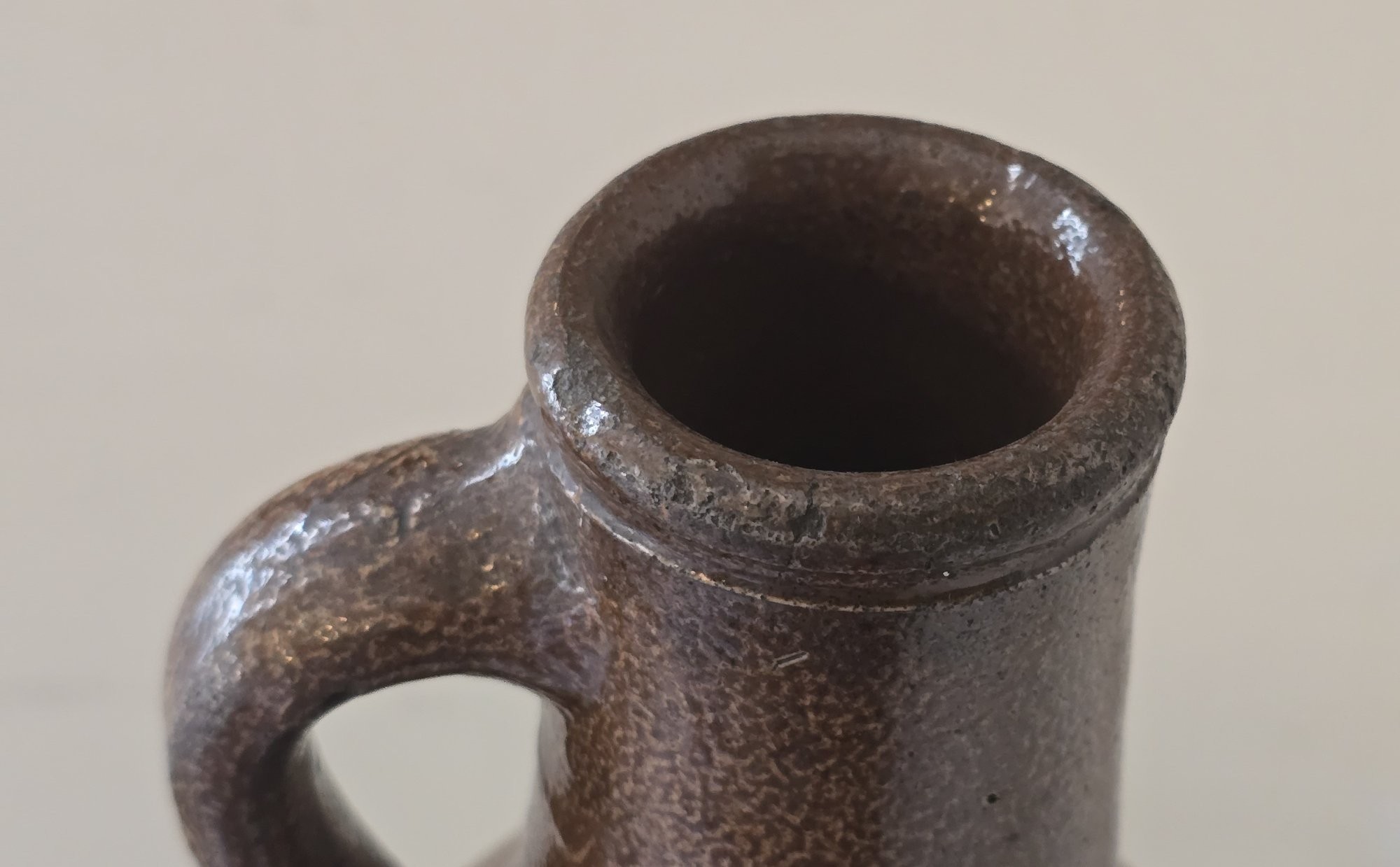
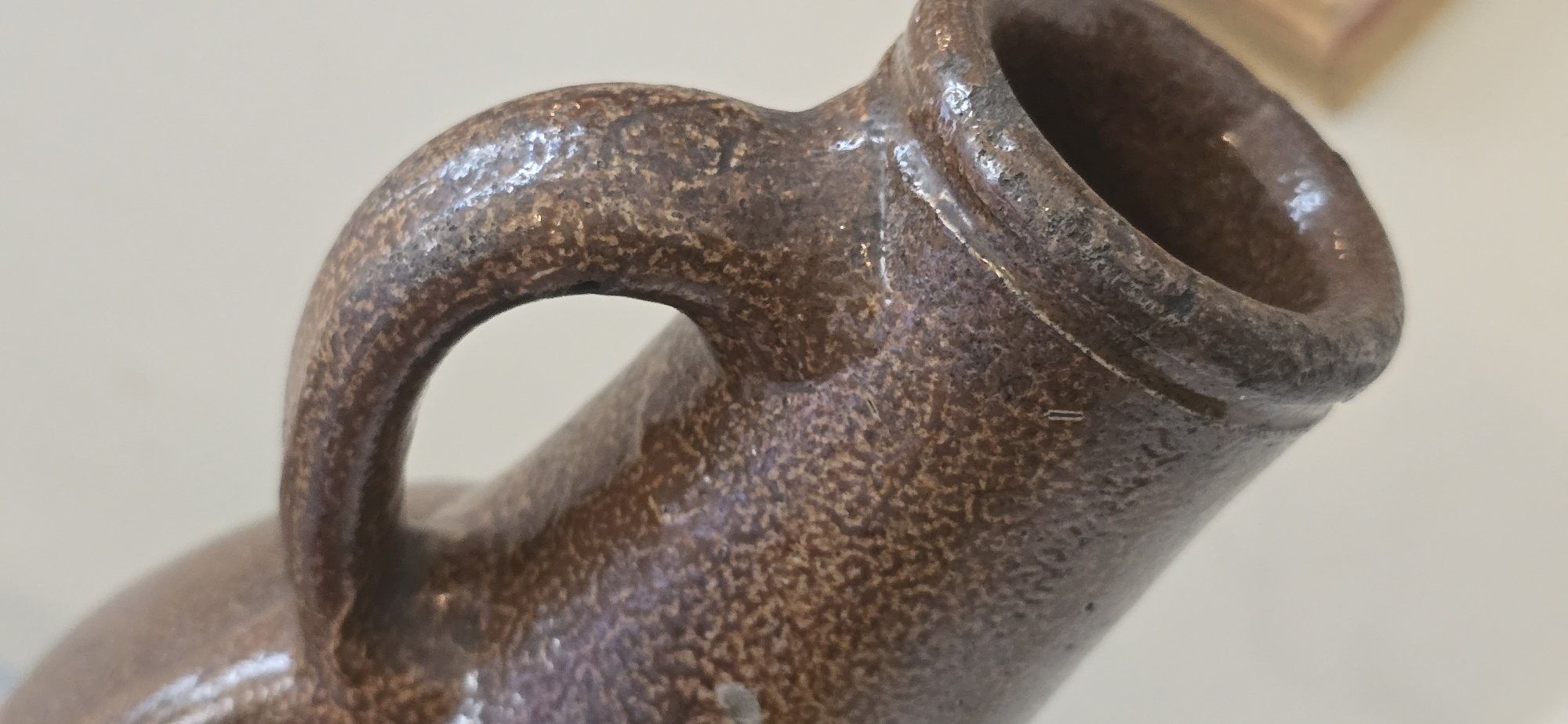
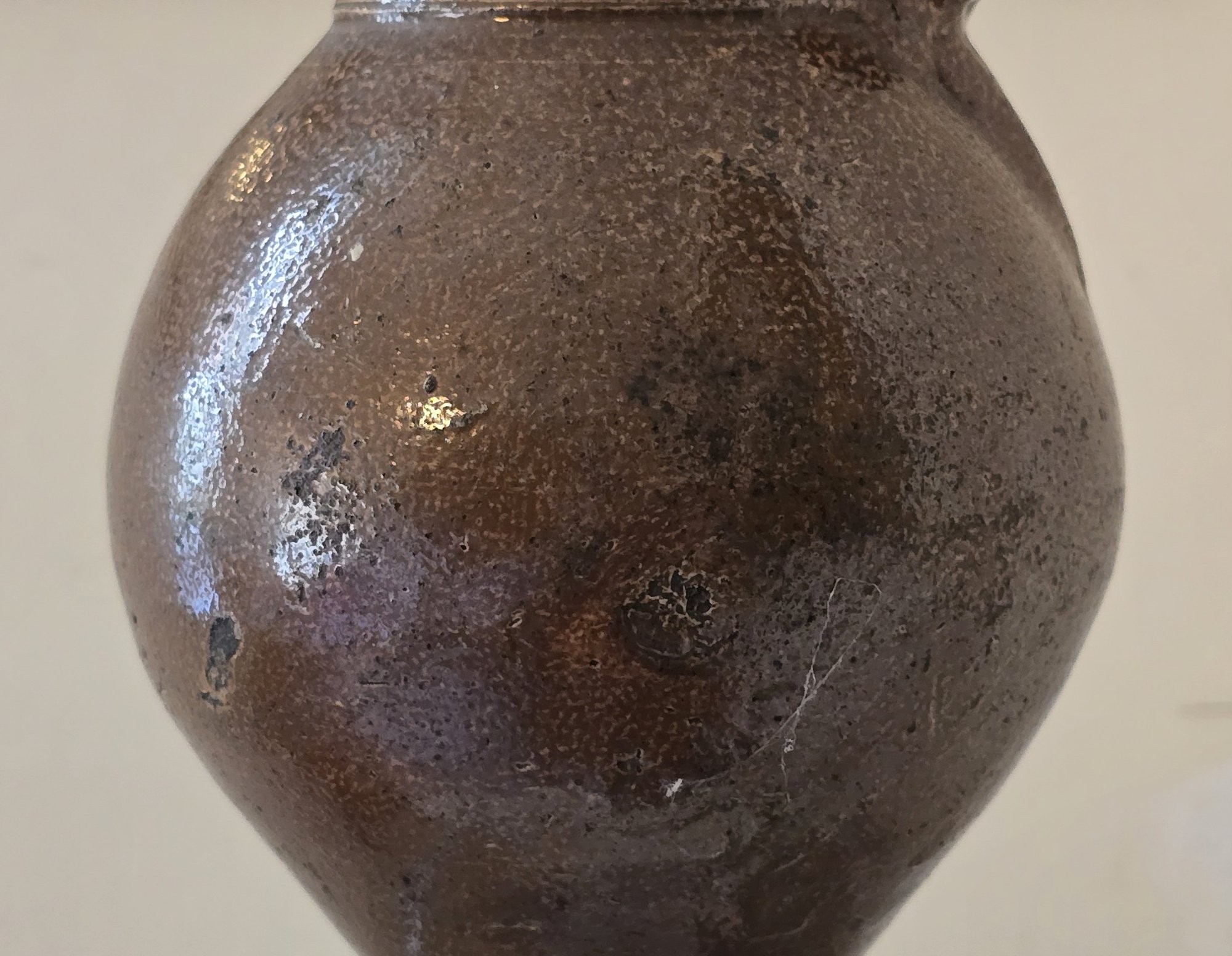
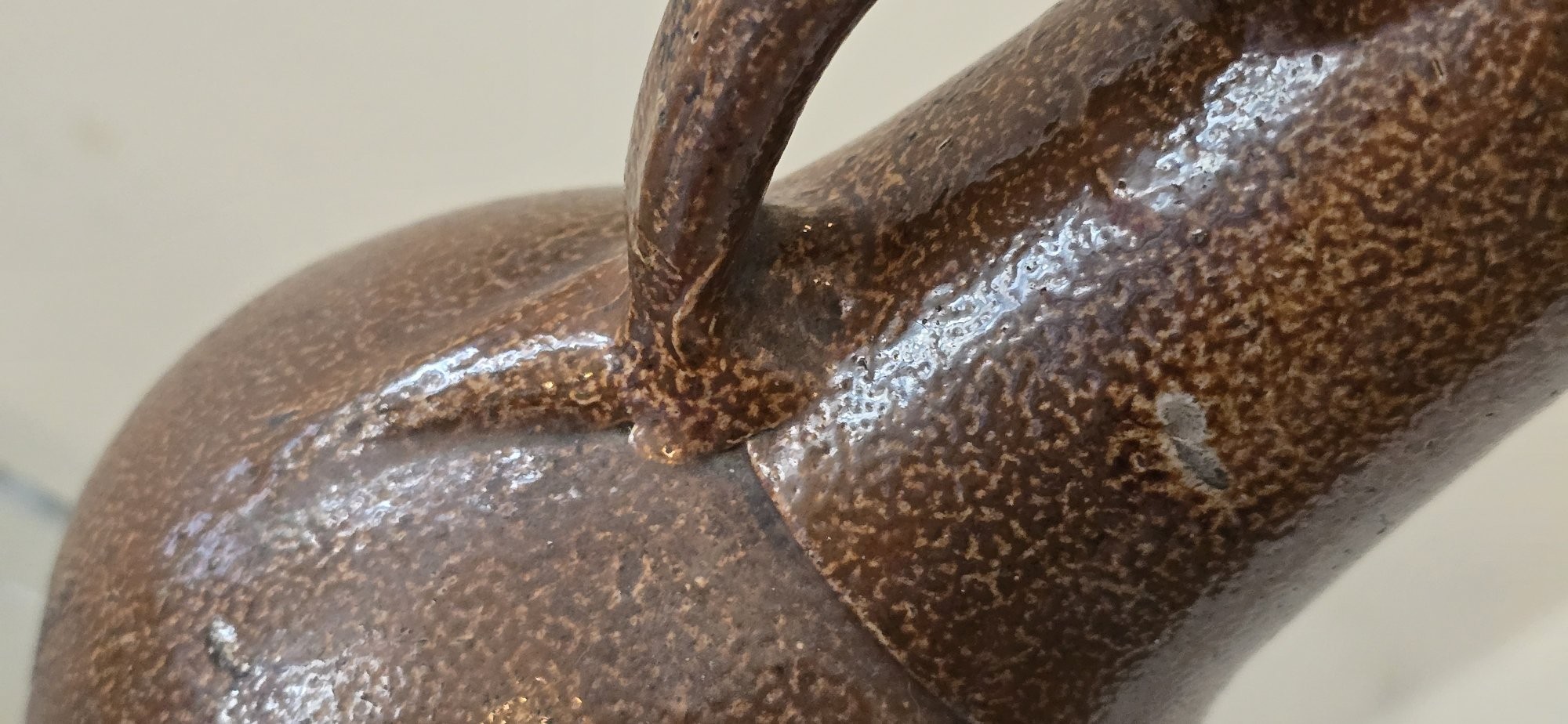
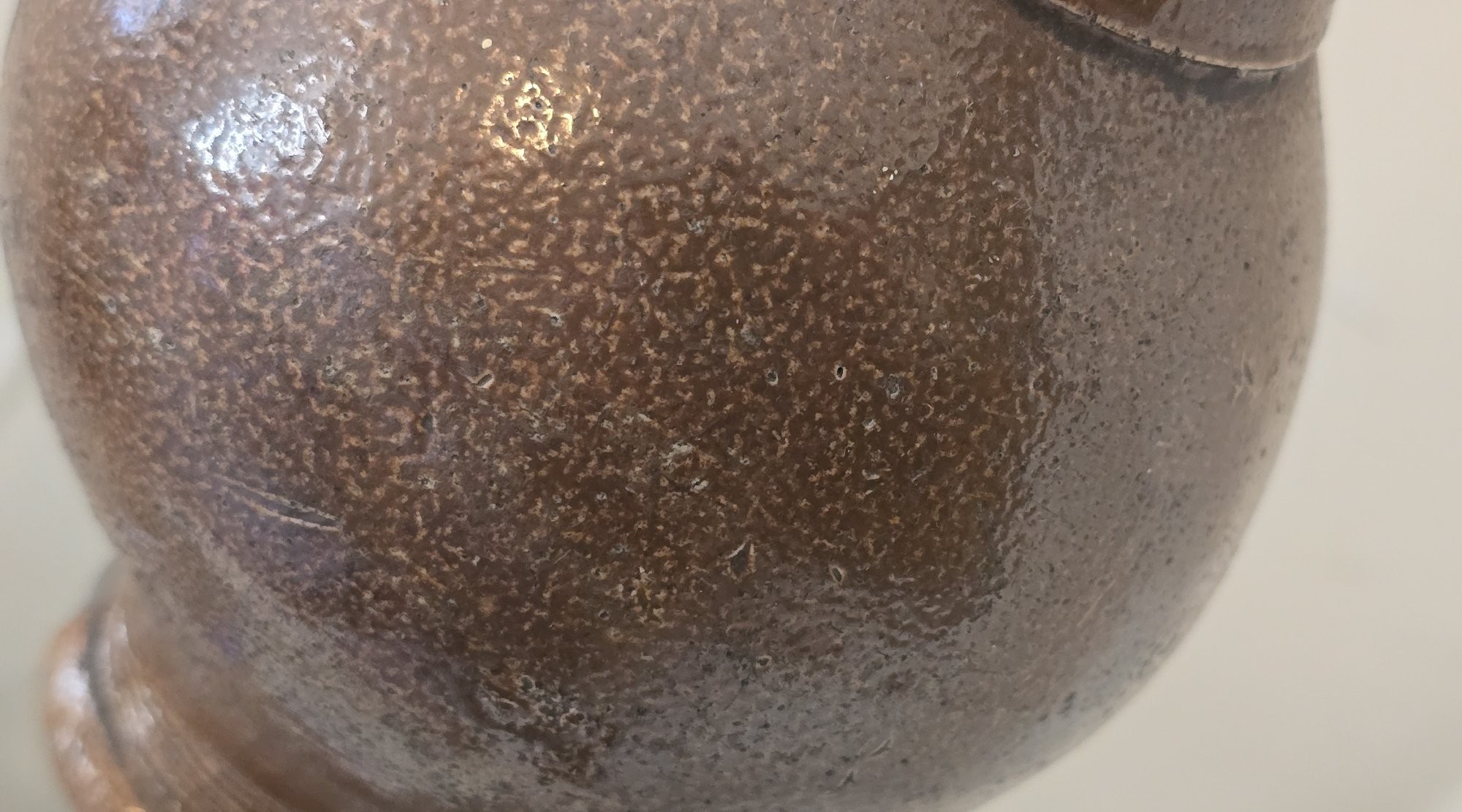
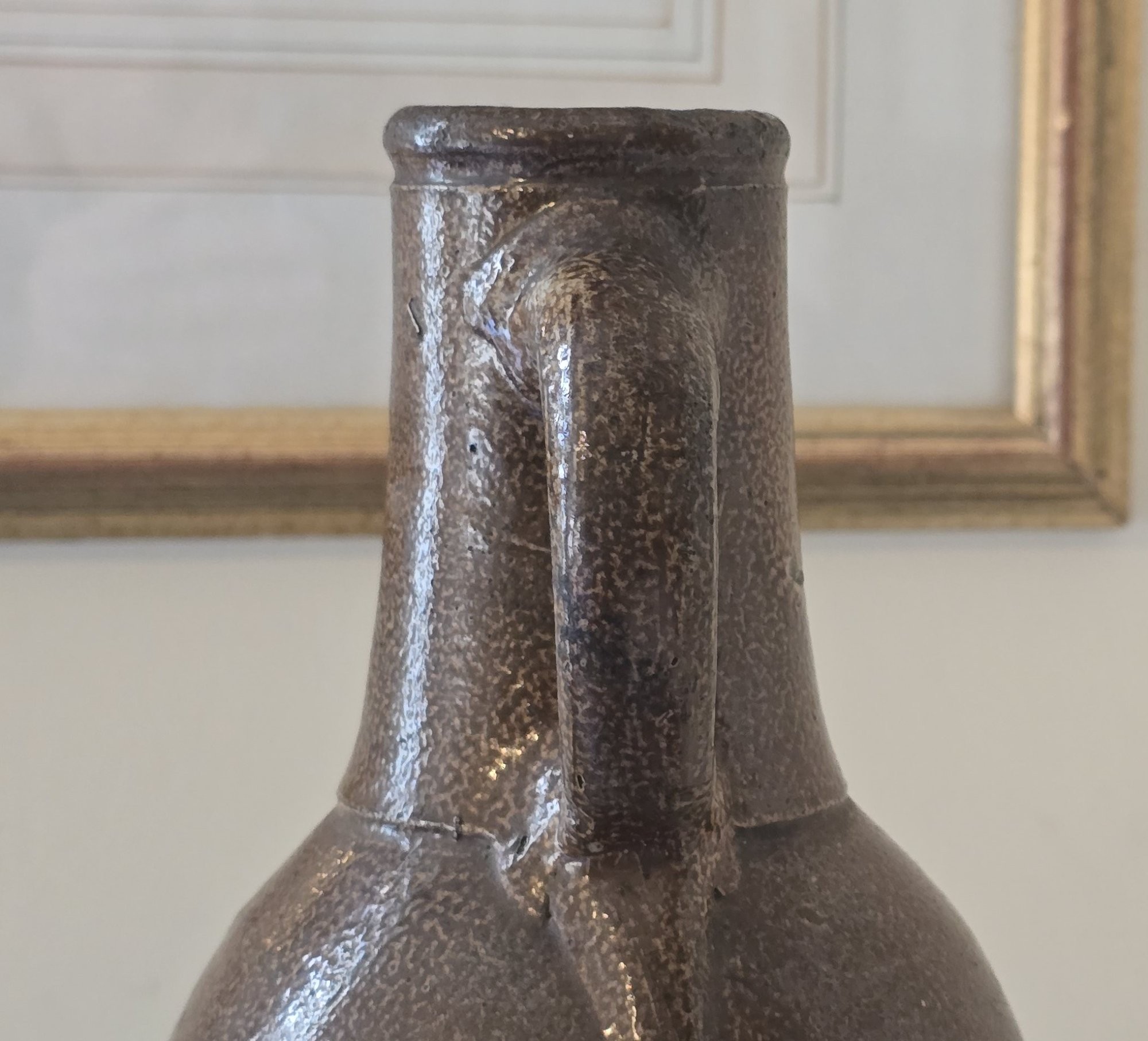
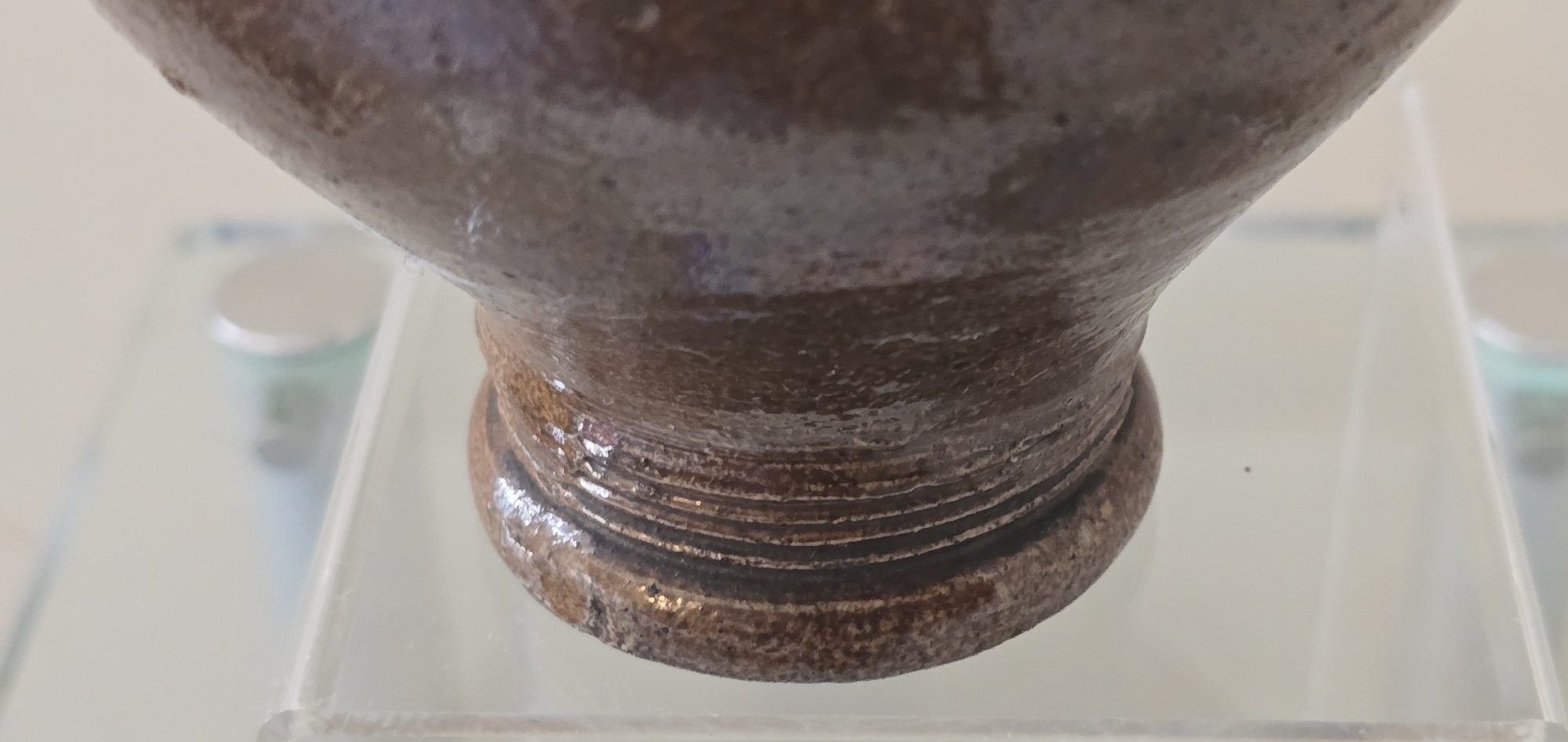
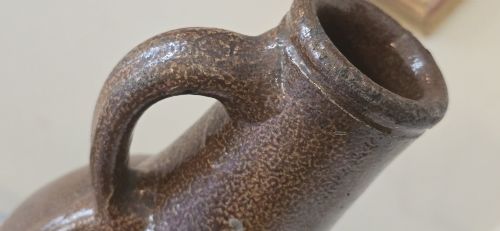
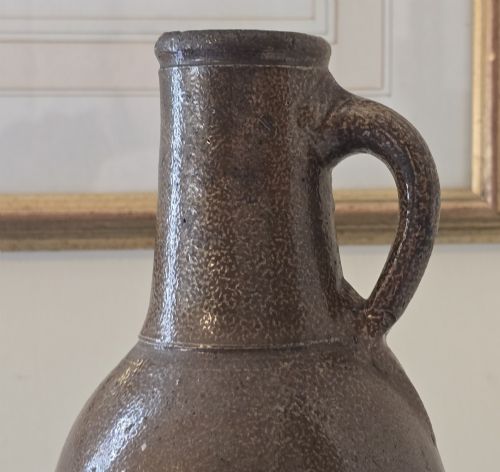
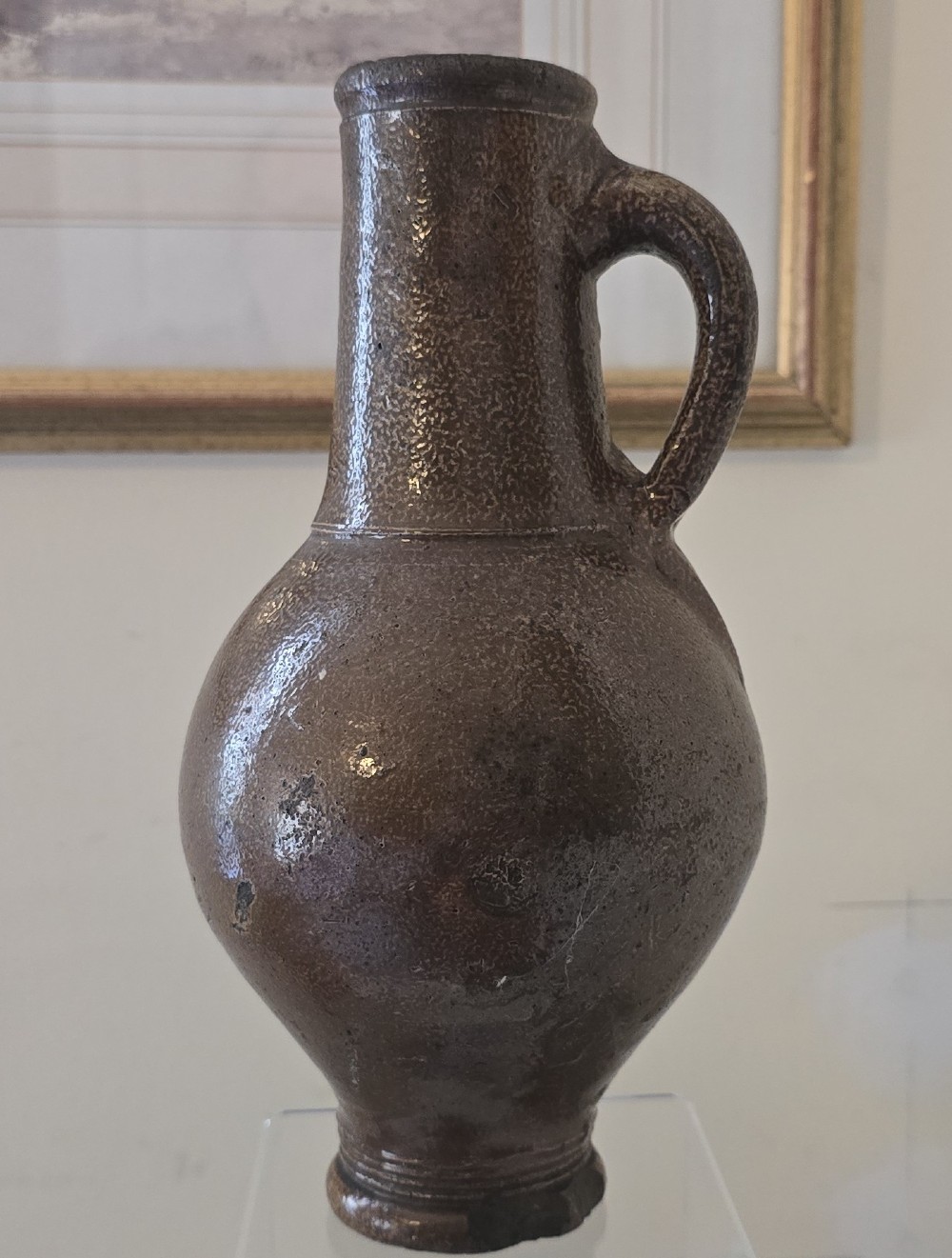
This substantial early piece is a particularly interesting example of 17th-century English stoneware, associated with the pioneering pottery established by John Dwight at Fulham. The bottle is well potted and has a pleasing fine glaze, with restrained decorative detailing including simple incised grooves around the lip and base and a carefully applied handle and handle tail.
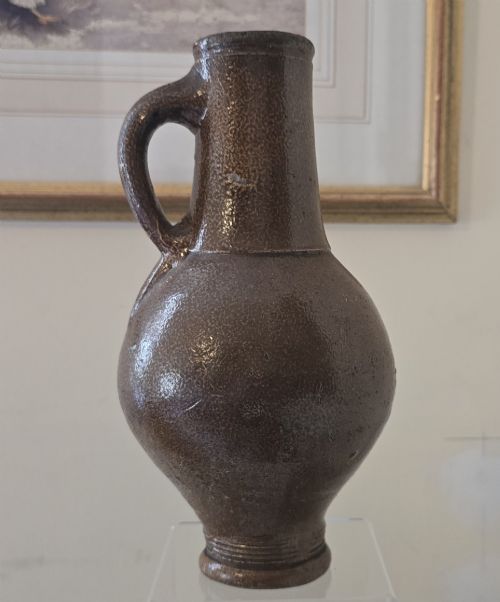
John Dwight (c.1634–1703) is an important figure in the history of English pottery and is closely associated with the development of English stoneware at Fulham Pottery in London during the late 17th century. Early Fulham stoneware vessels from this period are of considerable interest to collectors of 17th-century English pottery, early English stoneware and historic British ceramics.
A closely comparable example is held in the Ashmolean Museum, Oxford, England, and an image of the museum example is included for comparison.

Dating and attribution

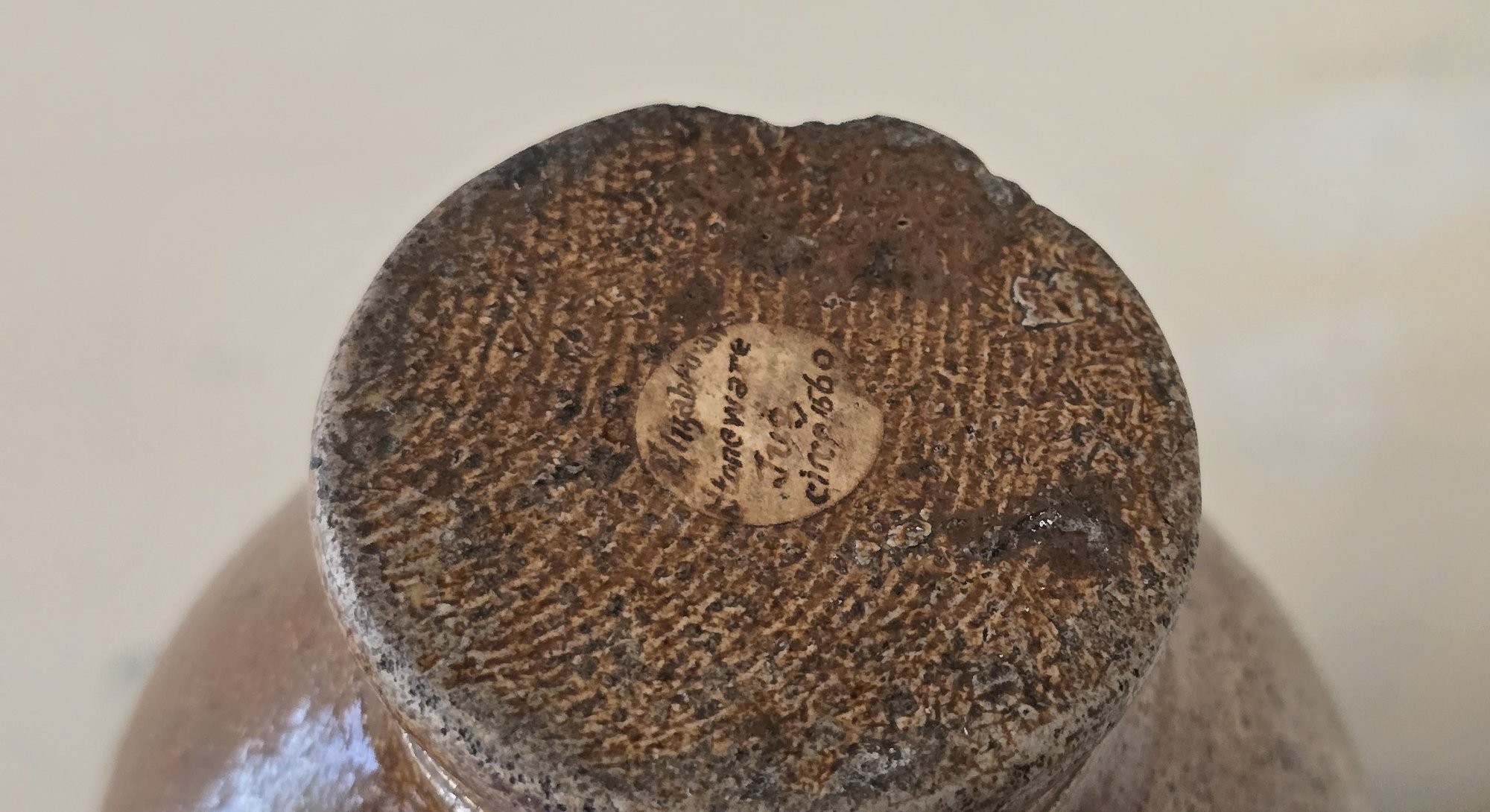
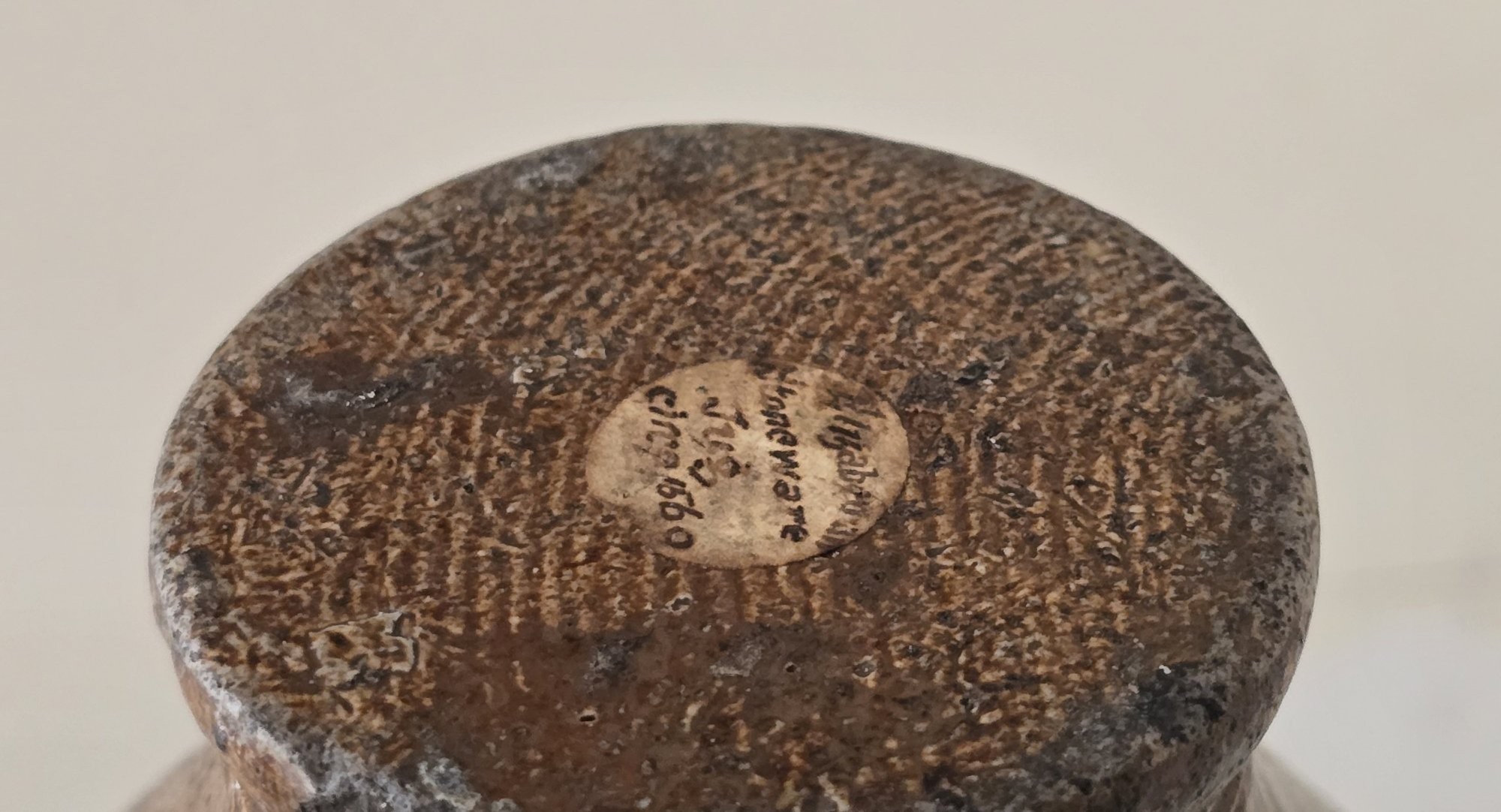
The bottle is considered to date from approximately 1677–1685, during the early period of John Dwight's Fulham pottery production. An old label attached to the base describes the piece as Elizabethan, although this appears to be an earlier attribution and is not consistent with the proposed late-17th-century dating.
The attribution and dating are offered on the basis of the form, construction, decoration and comparison with published and museum examples.

Condition

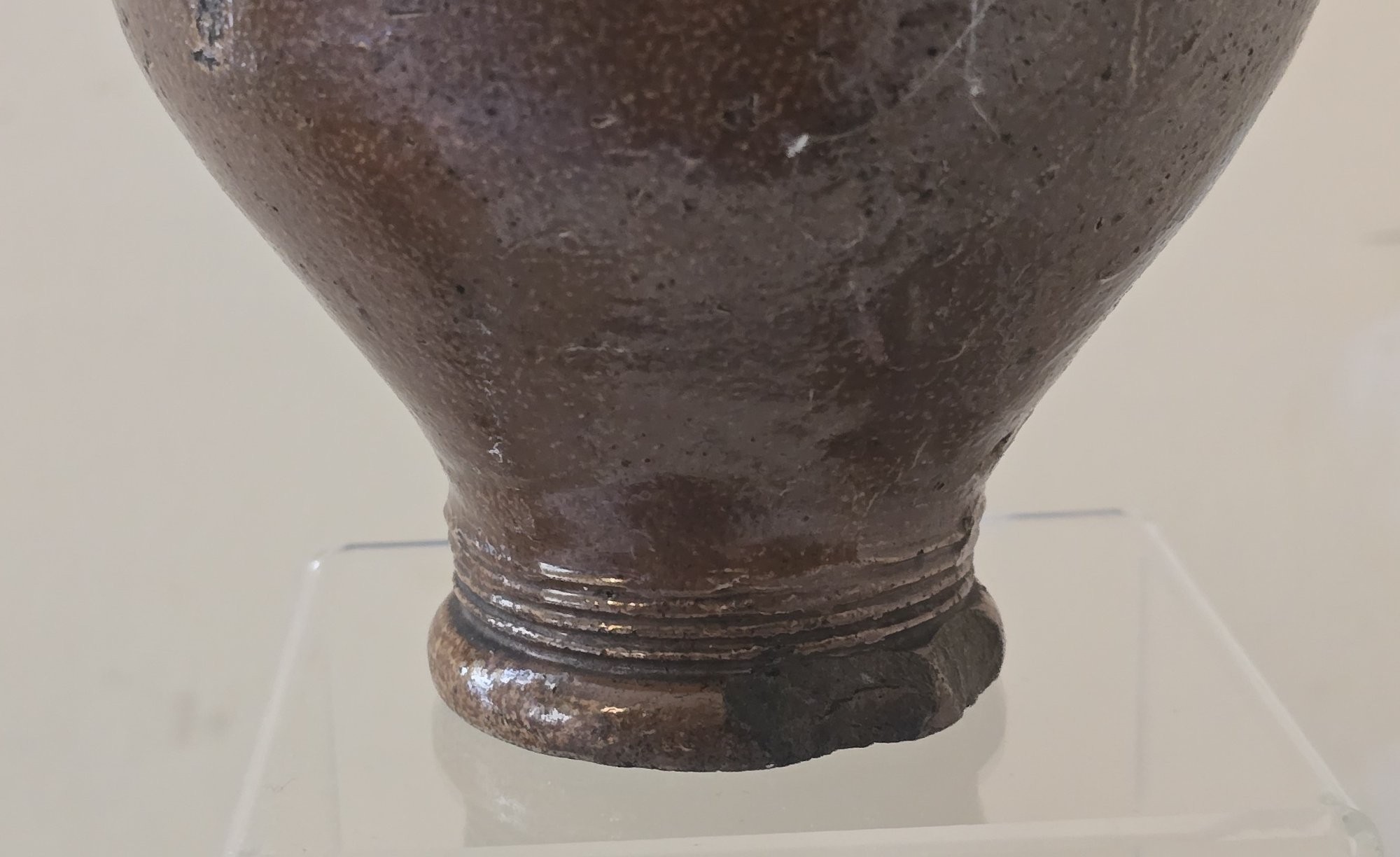
Good overall condition for its age.

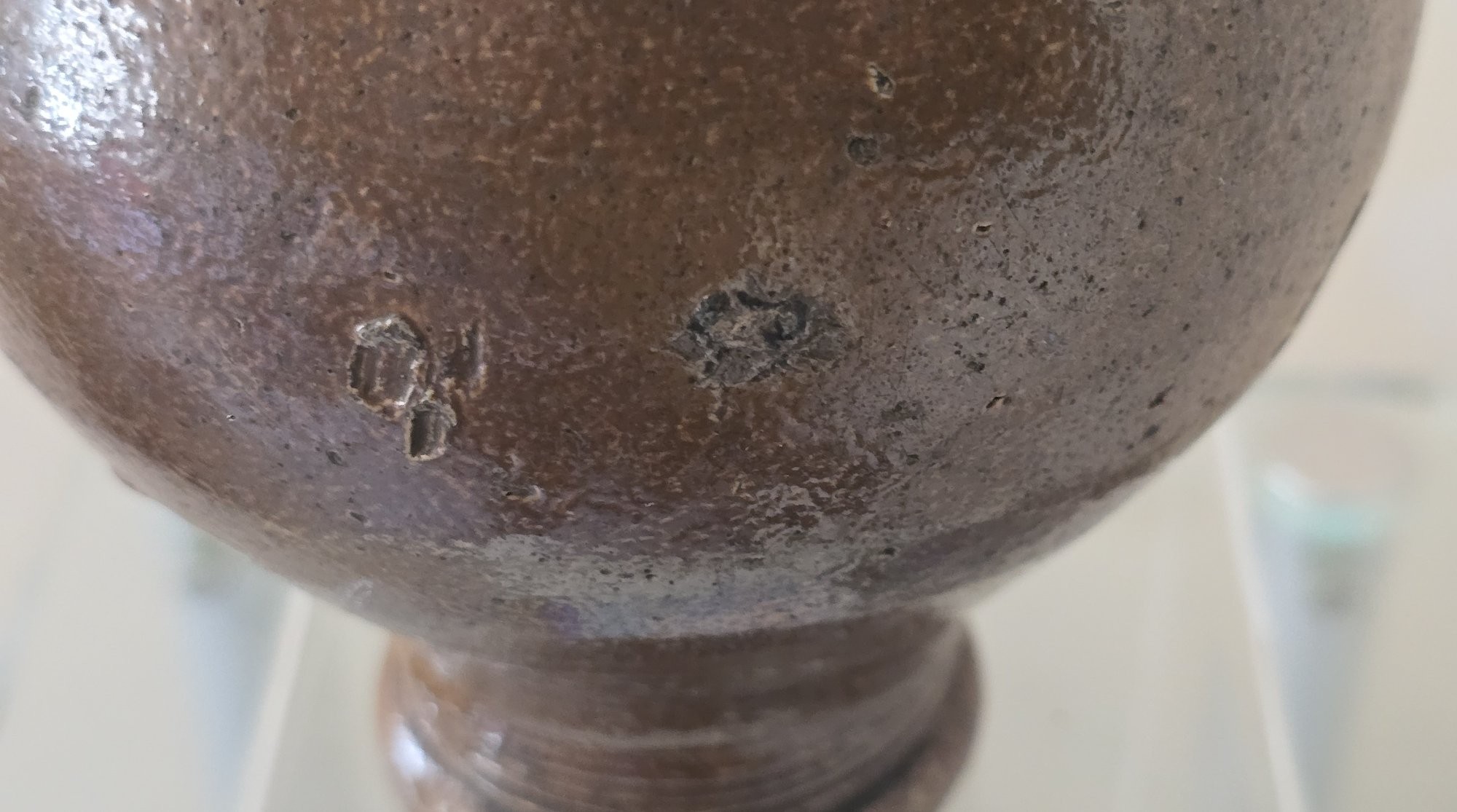
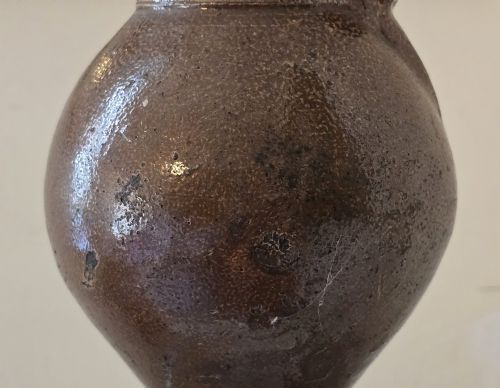
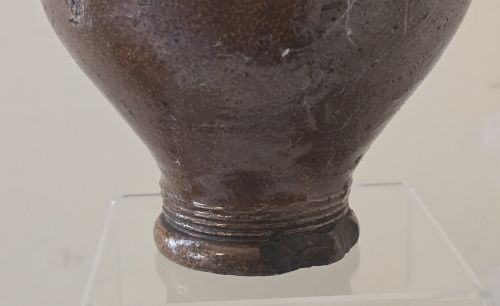
There are two small areas of chipping to the foot, as shown in the photographs. Otherwise, the bottle appears to be free from significant damage or restoration. The piece retains its original character and attractive aged surface.
Please study the photographs carefully, as they form an important part of the description.

Provenance / References

The piece bears an old collector's label to the base, referring to an earlier Elizabethan attribution.
Literature:

Chris Green, John Dwight's Fulham Pottery, p.119, figs. 200 and 201.

Dimensions

• Height: 24 cm

• Maximum belly diameter: approximately 12.5 cm

Price and delivery

£895.00

Price includes shipping within the UK.
An interesting opportunity to acquire an early example of John Dwight Fulham stoneware, suitable for collectors of 17th-century English pottery, English stoneware, Fulham Pottery, John Dwight ceramics and early British ceramic history.

You can find more items of interest and purchase through our website, using all major credit cards:

please visit: www.oliversargentantiques.com

Declaration

Oliver Sargent Antiques has dated this 17th Century Stoneware Bottle to the 17th Century.

Reference Numbers
Sellingantiques Reference
SA1236652
Dealers Internal Reference
OSA1621
Description
John Dwight Fulham Pottery Stoneware Bottle, Fulham, London, c.1677–1685

John Dwight of Fulham Pottery, London

English stoneware bottle / jug / flagon

Circa 1677–1685

Height: 24 cm

Maximum belly diameter: approx. 12.5 cm

fig 1. A 17th-century dark brown salt-glazed stoneware bottle featuring a bulbous body, narrow neck, turned base, and a single loop handle.
fig 1. John Dwight Fulham Pottery Stoneware Bottle, Fulham, London, C.1677–1685

Price: £895, including UK postage

“
A fine and apparently rare early English stoneware bottle attributed to John Dwight's Fulham Pottery, Fulham, London, dating to approximately 1677–1685.
Oliver Sargent Antiques

This substantial early piece is a particularly interesting example of 17th-century English stoneware, associated with the pioneering pottery established by John Dwight at Fulham. The bottle is well potted and has a pleasing fine glaze, with restrained decorative detailing including simple incised grooves around the lip and base and a carefully applied handle and handle tail.

fig 2. A 17th-century dark brown salt-glazed stoneware bottle featuring a bulbous body, narrow neck, turned base, and a single loop handle.
fig 2. John Dwight Fulham Pottery Stoneware Bottle, Fulham, London, C.1677–1685

John Dwight (c.1634–1703) is an important figure in the history of English pottery and is closely associated with the development of English stoneware at Fulham Pottery in London during the late 17th century. Early Fulham stoneware vessels from this period are of considerable interest to collectors of 17th-century English pottery, early English stoneware and historic British ceramics.

fig 3. A 17th-century dark brown salt-glazed stoneware bottle featuring a bulbous body, narrow neck, turned base, and a single loop handle.
fig 3. John Dwight Fulham Pottery Stoneware Bottle, Fulham, London, C.1677–1685

A closely comparable example is held in the Ashmolean Museum, Oxford, England, and an image of the museum example is included for comparison.

Dating and attribution

The bottle is considered to date from approximately 1677–1685, during the early period of John Dwight's Fulham pottery production. An old label attached to the base describes the piece as Elizabethan, although this appears to be an earlier attribution and is not consistent with the proposed late-17th-century dating.

fig 4. A 17th-century dark brown salt-glazed stoneware bottle featuring a bulbous body, narrow neck, turned base, and a single loop handle.
fig 4. John Dwight Fulham Pottery Stoneware Bottle, Fulham, London, C.1677–1685

The attribution and dating are offered on the basis of the form, construction, decoration and comparison with published and museum examples.

Condition

Good overall condition for its age.

There are two small areas of chipping to the foot, as shown in the photographs. Otherwise, the bottle appears to be free from significant damage or restoration. The piece retains its original character and attractive aged surface.

fig 5. A 17th-century dark brown salt-glazed stoneware bottle featuring a bulbous body, narrow neck, turned base, and a single loop handle.
fig 5. John Dwight Fulham Pottery Stoneware Bottle, Fulham, London, C.1677–1685

Please study the photographs carefully, as they form an important part of the description.

Provenance / References

The piece bears an old collector's label to the base, referring to an earlier Elizabethan attribution.

fig 6. A 17th-century dark brown salt-glazed stoneware bottle featuring a bulbous body, narrow neck, turned base, and a single loop handle.
fig 6. John Dwight Fulham Pottery Stoneware Bottle, Fulham, London, C.1677–1685

Literature:

Chris Green, John Dwight's Fulham Pottery, p.119, figs. 200 and 201.

Dimensions

• Height: 24 cm

• Maximum belly diameter: approximately 12.5 cm

Price and delivery

£895.00

Price includes shipping within the UK.

fig 7. A 17th-century dark brown salt-glazed stoneware bottle featuring a bulbous body, narrow neck, turned base, and a single loop handle.
fig 7. John Dwight Fulham Pottery Stoneware Bottle, Fulham, London, C.1677–1685

An interesting opportunity to acquire an early example of John Dwight Fulham stoneware, suitable for collectors of 17th-century English pottery, English stoneware, Fulham Pottery, John Dwight ceramics and early British ceramic history.

You can find more items of interest and purchase through our website, using all major credit cards:

please visit: www.oliversargentantiques.com

Date of Manufacture

Oliver Sargent Antiques has dated this 17th Century Stoneware Bottle to the 17th Century.

Reference Numbers
Sellingantiques Ref
SA1236652
Dealers Internal Ref
OSA1621
Oliver Sargent Antiques
Sellingantiques verified Since Jul 2013

Specialists in vintage military watches & clocks and antique oriental ceramics & works of art

Dealer Profile

You can view the stock and full dealer information on the Oliver Sargent Antiques Profile Page
PDF SHARE
SAVE
A 17th-century dark brown salt-glazed stoneware bottle featuring a bulbous body, narrow neck, turned base, and a single loop handle.
1 / 15
Archive I A 17th-century dark brown salt-glazed stoneware bottle featuring a bulbous body, narrow neck, turned base, and a single loop handle.

John Dwight Fulham Pottery Stoneware Bottle, Fulham, London, C.1677–1685
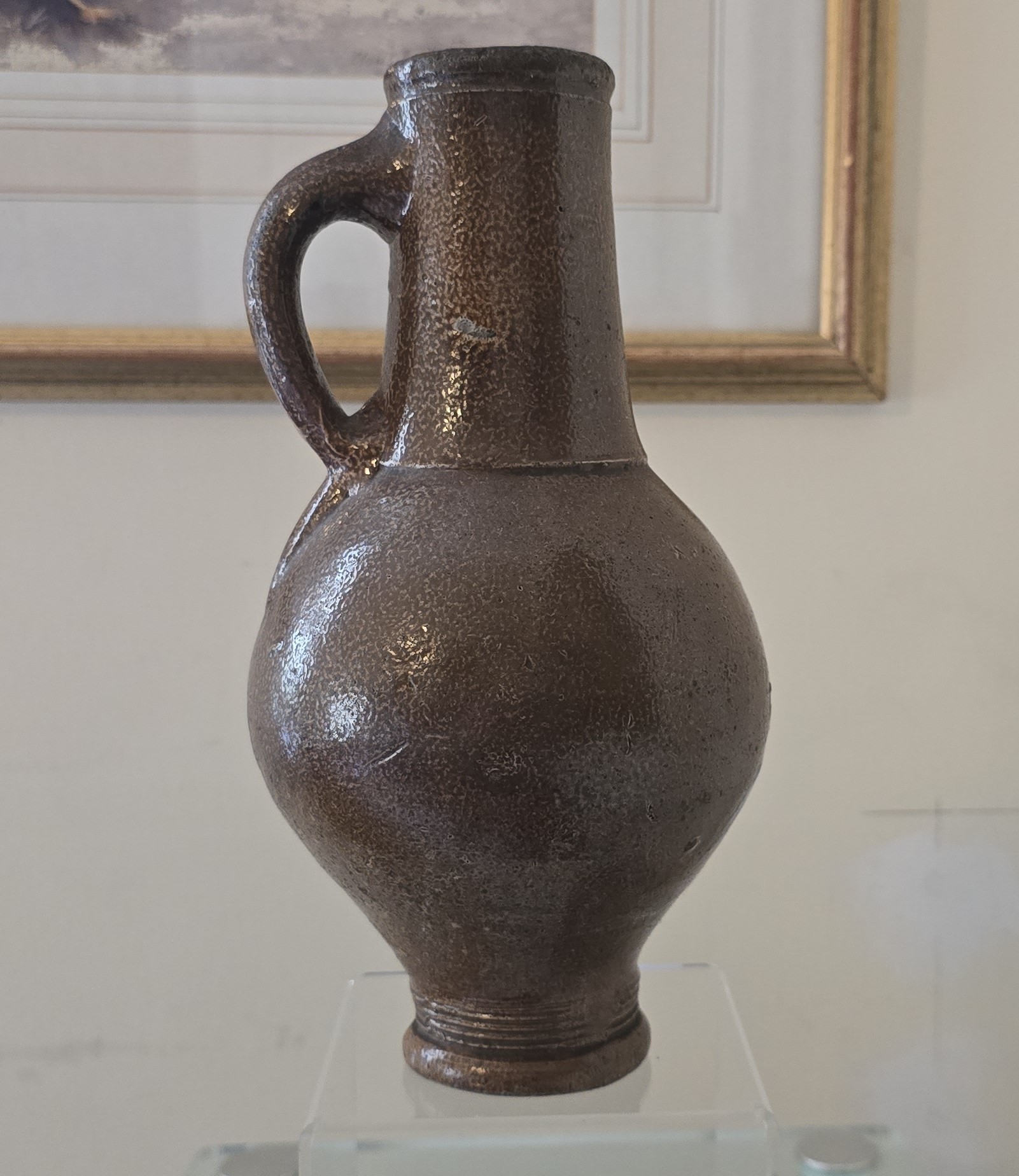
Archive II A 17th-century dark brown salt-glazed stoneware bottle featuring a bulbous body, narrow neck, turned base, and a single loop handle. View II
Archive III A 17th-century dark brown salt-glazed stoneware bottle featuring a bulbous body, narrow neck, turned base, and a single loop handle. View III
Archive IV A 17th-century dark brown salt-glazed stoneware bottle featuring a bulbous body, narrow neck, turned base, and a single loop handle. View IV
Archive V A 17th-century dark brown salt-glazed stoneware bottle featuring a bulbous body, narrow neck, turned base, and a single loop handle. View V
Archive VI A 17th-century dark brown salt-glazed stoneware bottle featuring a bulbous body, narrow neck, turned base, and a single loop handle. View VI
Archive VII A 17th-century dark brown salt-glazed stoneware bottle featuring a bulbous body, narrow neck, turned base, and a single loop handle. View VII
Archive VIII A 17th-century dark brown salt-glazed stoneware bottle featuring a bulbous body, narrow neck, turned base, and a single loop handle. View VIII
Archive IX A 17th-century dark brown salt-glazed stoneware bottle featuring a bulbous body, narrow neck, turned base, and a single loop handle. View IX
Archive X A 17th-century dark brown salt-glazed stoneware bottle featuring a bulbous body, narrow neck, turned base, and a single loop handle. View X
Archive XI A 17th-century dark brown salt-glazed stoneware bottle featuring a bulbous body, narrow neck, turned base, and a single loop handle. View XI
Archive XII A 17th-century dark brown salt-glazed stoneware bottle featuring a bulbous body, narrow neck, turned base, and a single loop handle. View XII
Archive XIII A 17th-century dark brown salt-glazed stoneware bottle featuring a bulbous body, narrow neck, turned base, and a single loop handle. View XIII
Archive XIV A 17th-century dark brown salt-glazed stoneware bottle featuring a bulbous body, narrow neck, turned base, and a single loop handle. View XIV
Archive XV A 17th-century dark brown salt-glazed stoneware bottle featuring a bulbous body, narrow neck, turned base, and a single loop handle. View XV
Enlarged Archival View
Telephone 07804 225 614
Location
Sturminster
Newton
Dorset
United Kingdom
Verified Since Jul 2013
Items For Sale 96
Items Sold 399
Oliver Sargent Antiques
Verified Since Jul 2013
View Dealer Info
Location: Sturminster, Newton, Dorset, United Kingdom
Verified
Jul 2013
For Sale
96
Sold
399
A 17th-century dark brown salt-glazed stoneware bottle featuring a bulbous body, narrow neck, turned base, and a single loop handle.
John Dwight Fulham Pottery Stoneware Bottle, Fulham, London, c.1677–1685
Ref: SA1236652
A 17th-century dark brown salt-glazed stoneware bottle featuring a bulbous body, narrow neck, turned base, and a single loop handle.
Detail View 1
Detail View 2
Detail View 3
Detail View 4
Detail View 5
Detail View 6
Detail View 7
Detail View 8
Detail View 9
Detail View 10
Detail View 11
Detail View 12
Detail View 13
Detail View 14
Archival Detail
Every single antique dealer on our platform is individually approved by our internal team. We verify their professional trade history, ethical standards, and photographic quality to ensure a secure, high-standard buying environment. Upon joining, every dealer agrees to a strict 9-point code of conduct. While issues can occasionally arise, our dealers typically resolve them swiftly and directly with the buyer. In fact, since our founding in 2002, Sellingantiques has only had to step in to help resolve an issue on roughly five occasions—a true testament to the quality of our dealers and their dedication to your happiness.
Our dealers are highly experienced in packing and shipping fragile, high-value antiques. Because you are in direct contact with the dealer, you will be able to easily go through all available shipping and insurance options together to ensure your item arrives safely.
Antiques are the ultimate green purchase. By choosing historical pieces over newly manufactured goods, you completely eliminate the carbon footprint of modern mass production while preserving exceptional, timeless craftsmanship.
Written by Sellingantiques from the dealer’s photographs and listing
  • ObjectBottles & Jugs
  • Period17th century
  • StyleRestoration / Baroque
  • MaterialSalt-Glazed Stoneware, Clay
  • ColourDark Brown
  • MotifsGlobular body, Loop handle, Salt glaze finish, Turned foot ring

Fulham salt-glazed stoneware refers to high-fired pottery produced in Fulham, London, established by John Dwight in the 1670s. The process involves throwing salt into the kiln at high temperatures, creating a chemical reaction that leaves a textured, impervious glaze on the ceramic surface.

Potters turned dense clay on a wheel to form utilitarian shapes such as bottles, jugs, and flagons. Common salt was added to the kiln fire during the final stages of firing, causing sodium to react with silica in the clay to form a durable sodium silicate glaze.

Authentic pieces from this era typically exhibit a distinctive pitted orange-peel surface texture, heavy potting, and a glossy brown or grey tone. They frequently feature bulbous bodies, sturdy loop handles, and turned foot rings standard to Restoration period tavern and domestic wares.

A historical stoneware bottle can be displayed as a singular focal object on a sideboard, placed within a curated collection on open shelving, or arranged alongside complementary natural textures such as timber and wrought iron.

Stoneware should be dusted gently with a soft dry cloth. Avoid immersion in water or the use of harsh chemical detergents, as these can degrade old repairs or affect the integrity of the surface.
items
Add keywords to the filter
Price
£100
£250000
Era
Period
Style
Material
Origin
Stock Location
Recently Added
Online Payments
Categories