

Floral Painted Vase
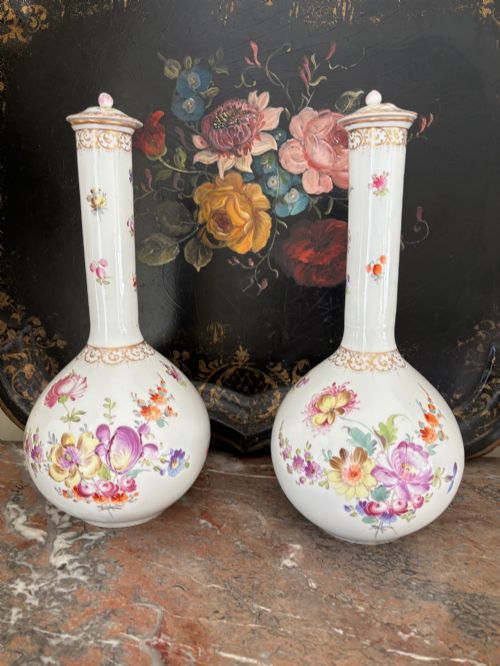
When you search for a floral painted vase, you are looking at ceramic vessels and painted depictions carrying botanical motifs.
Floral Painted Vase
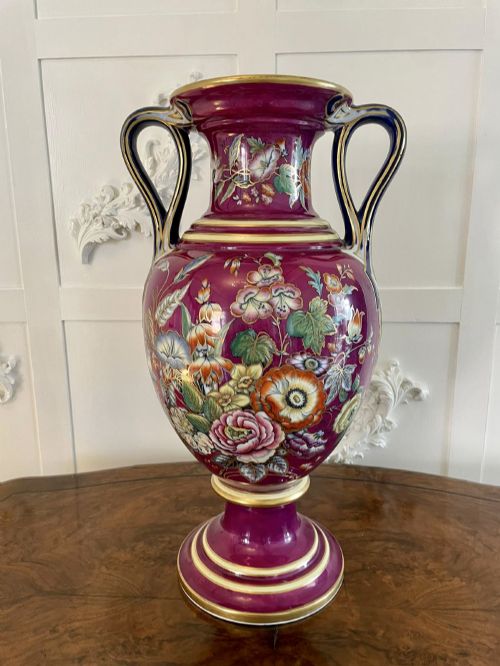
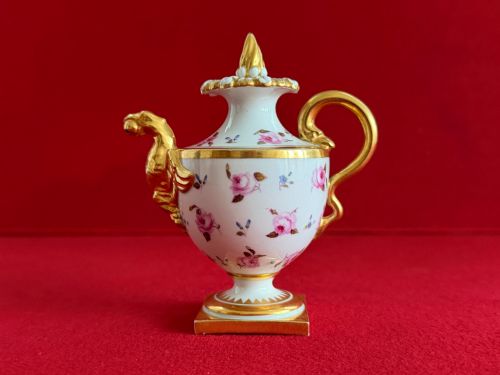
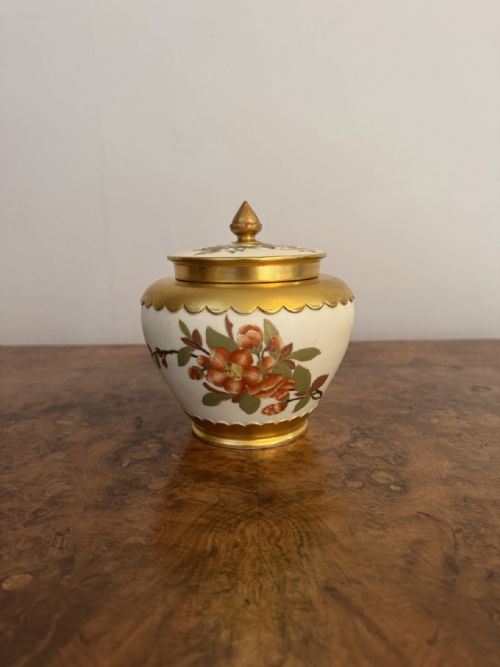
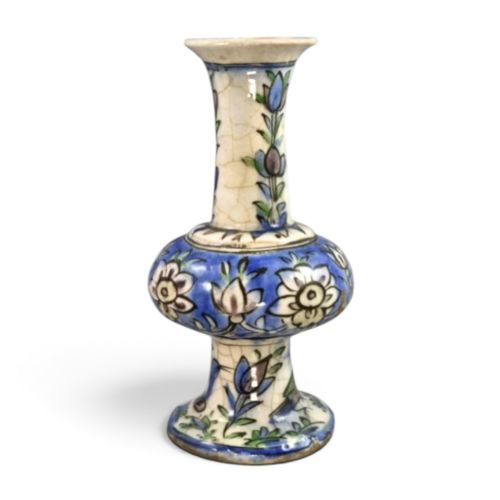
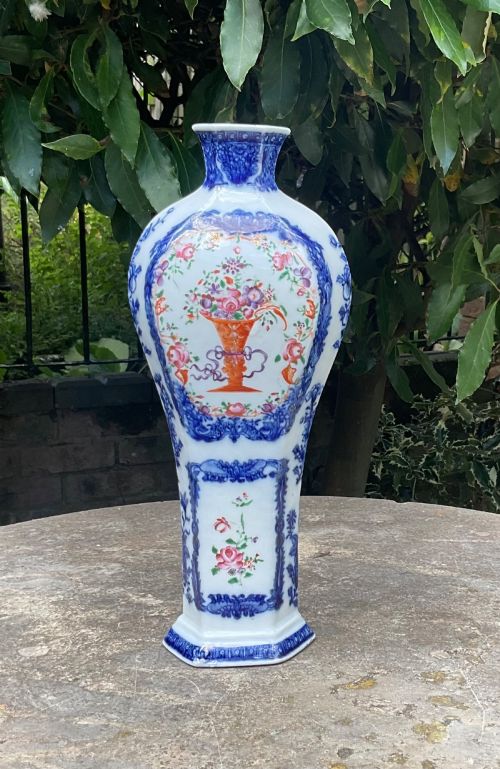
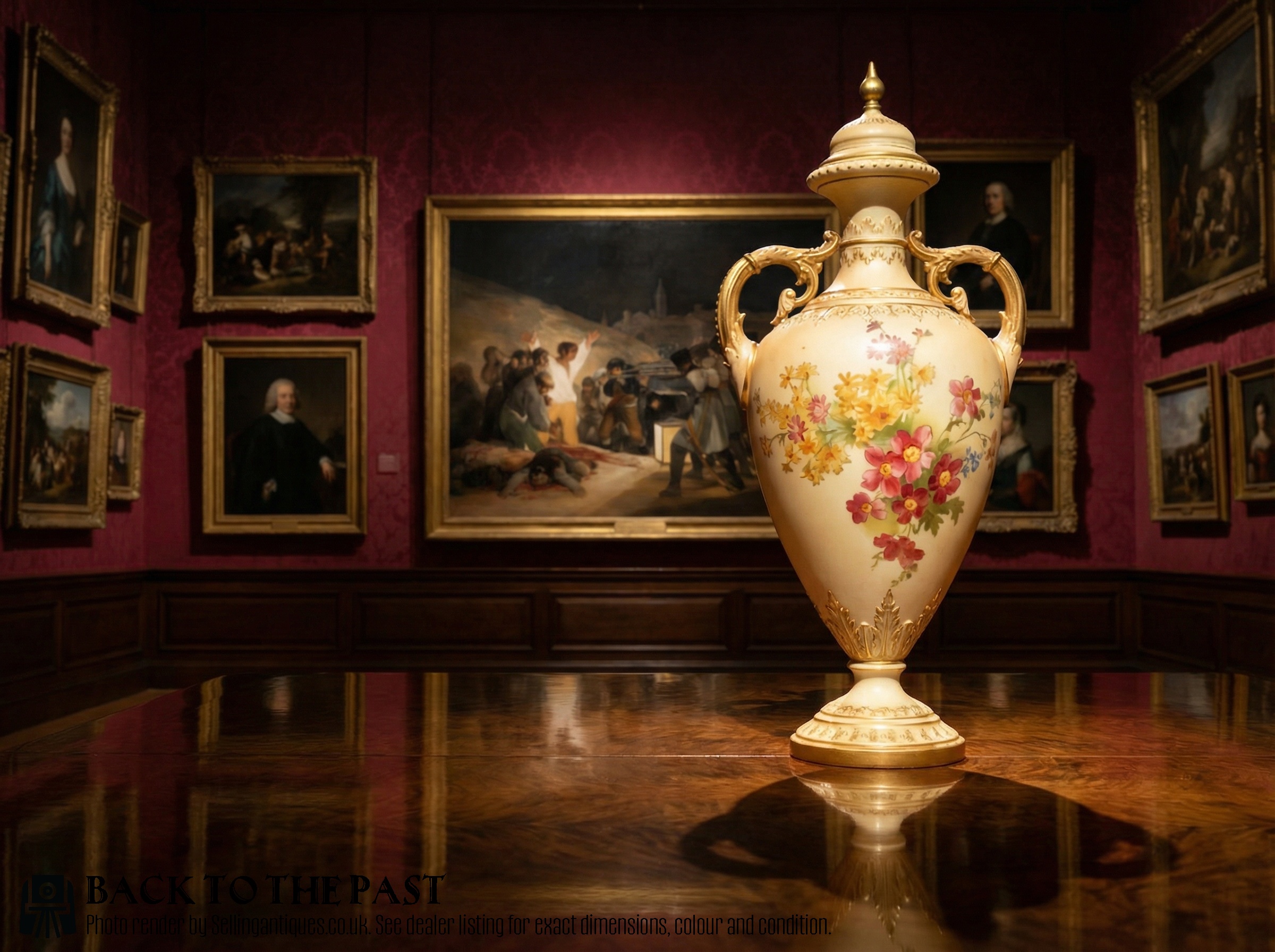
A floral painted vase appears across multiple centuries, taking the form of bulbous pots, twin-handled urns, and lidded jars alongside oil and watercolour paintings on canvas, board, and panel. The listings span the eighteenth, nineteenth, and twentieth centuries, encompassing Georgian, Victorian, Edwardian, and Art Deco eras.
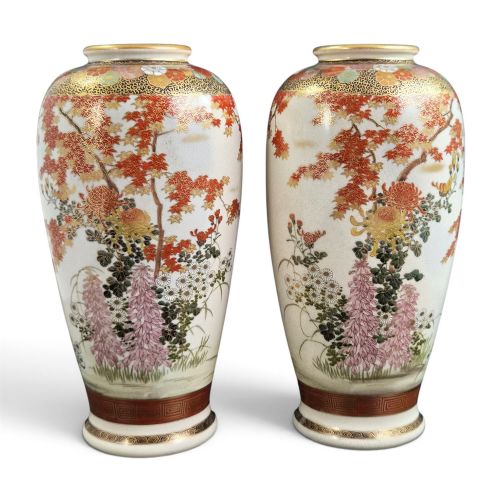
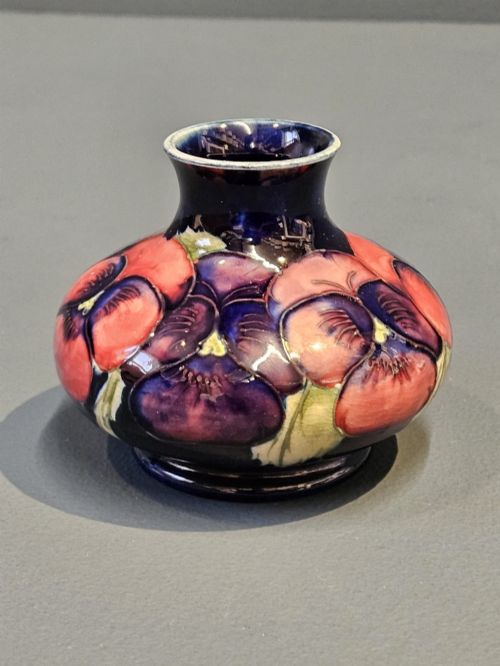
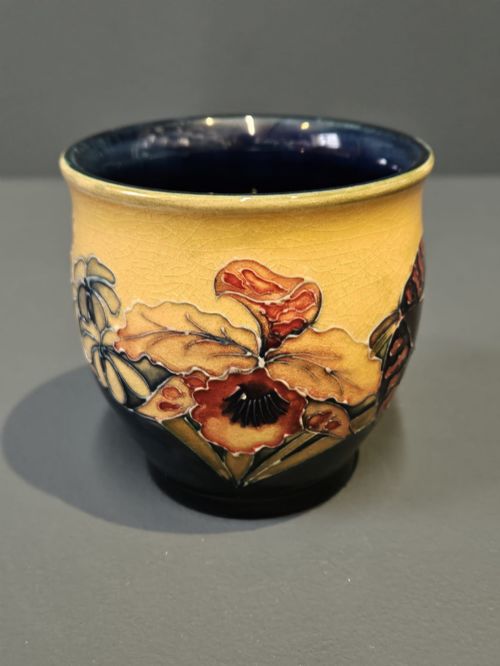
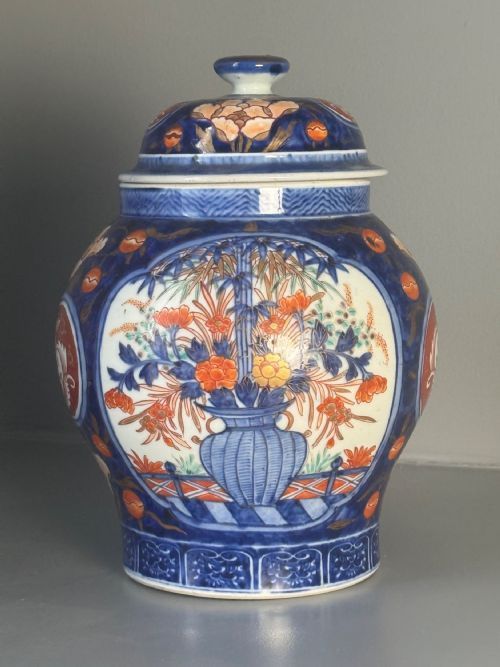
Most pieces met on this page originate from British porcelain factories such as Royal Worcester, Doulton, and Moorcroft, alongside continental European ceramics from Vienna, Sitzendorf, and Delft, and Japanese Imari and Satsuma wares.
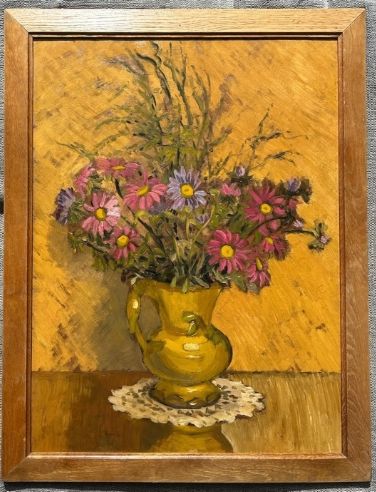
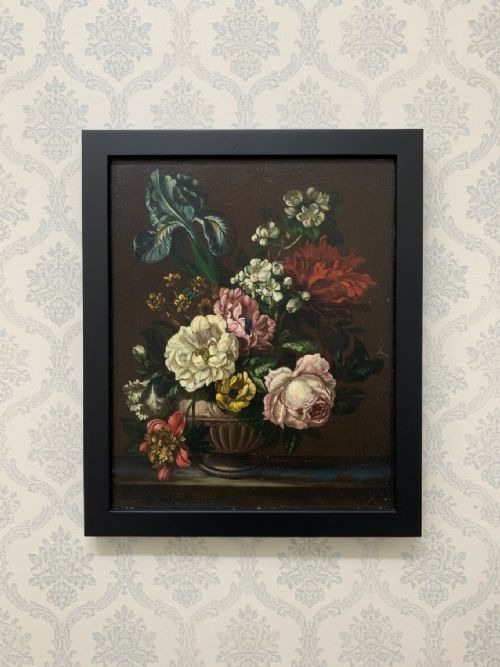
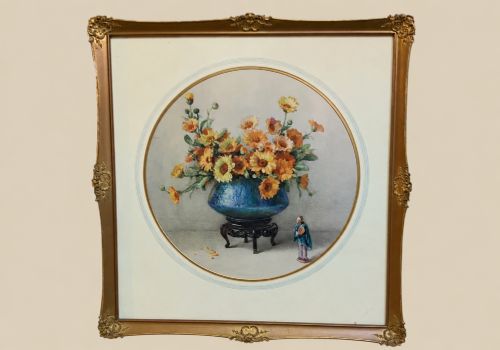
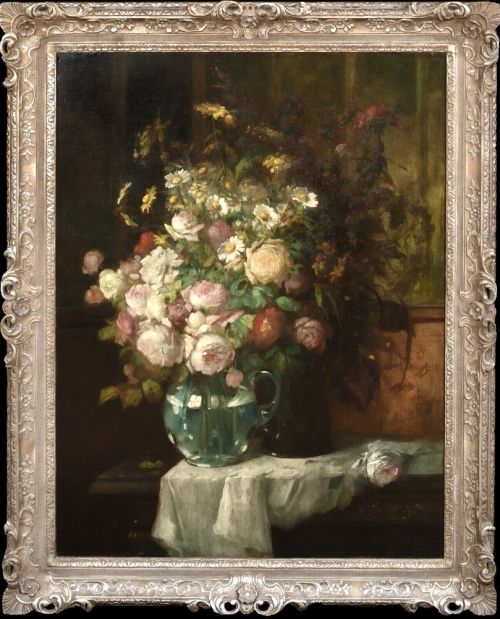
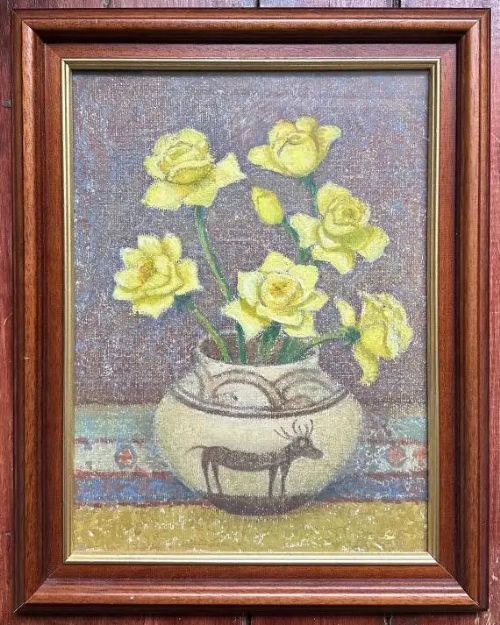
Buyers also encounter framed still life flower paintings by artists like Kenneth Cozens, Konstantin Stoitzner, and William Thomas Wood, which record floral arrangements in oils and watercolours.
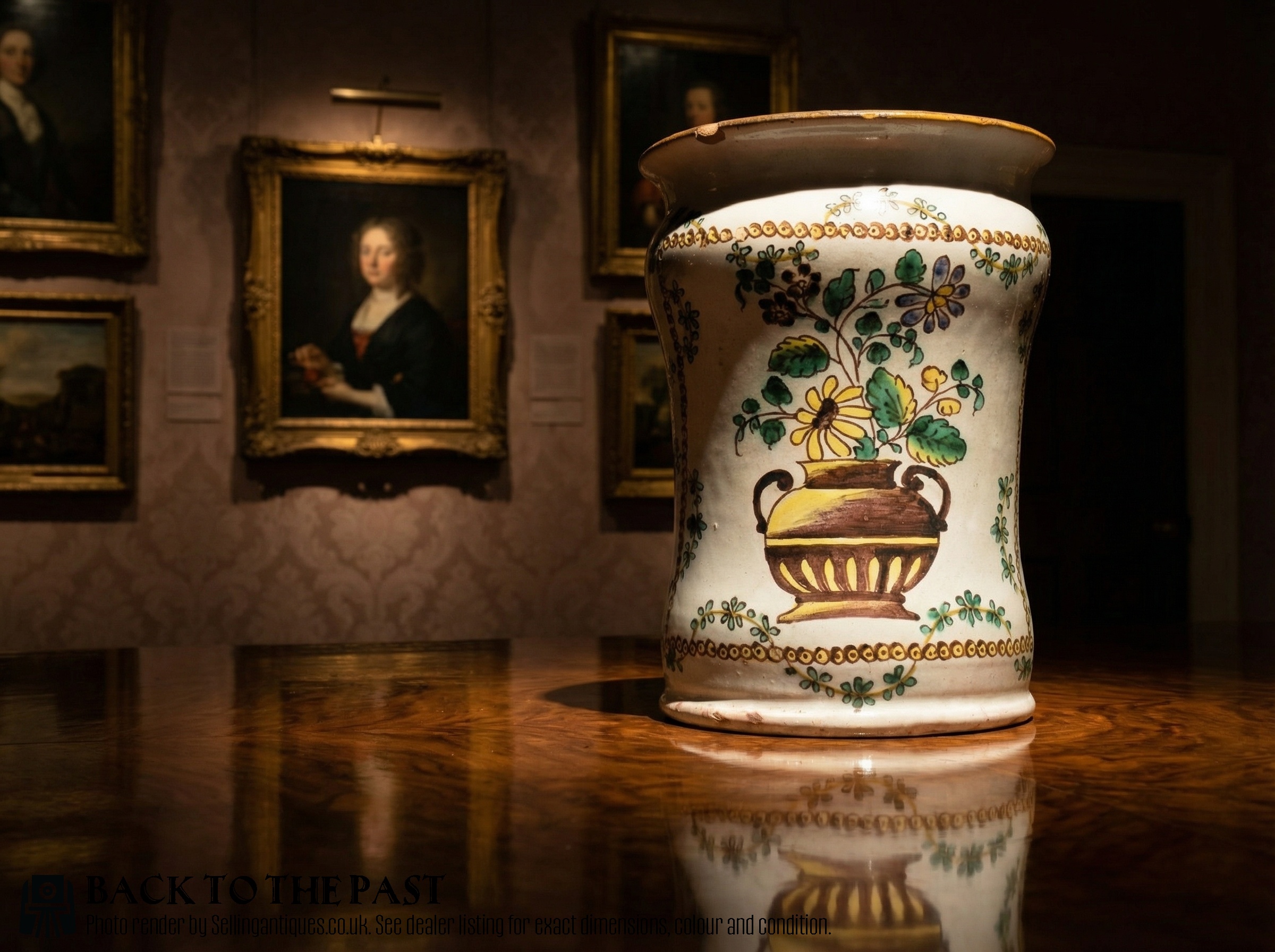
Materials and technique
Ceramic pieces are shaped from porcelain, earthenware, or faience, then decorated with hand-painted enamel and polychrome glazes, frequently finished with gilding or gold leaf.
Painted works utilise oil or watercolour on canvas, wood panels, or boards, capturing botanical studies with pigmented brushwork.
Floral Painted Vase Retail Price Guide 2026
Typical asking prices for floral painted vase among the pieces listed under this phrase on Sellingantiques today, from the lower quarter to the upper quarter. They describe what is for sale here now, not the wider market.
Some floral painted vases feature dolphin handles, proving that nineteenth-century decorators believed every bouquet deserved a marine escort.
Distinctions in execution
Quality rests in the precision of the hand-painted botanical detail, where finely delineated petals and naturalistic colour blending distinguish master studios from standard commercial output.
The sophistication of the ceramic body, whether translucent porcelain or robust faience, and the crispness of moulded handles or gilt accents determine the standing of each piece.
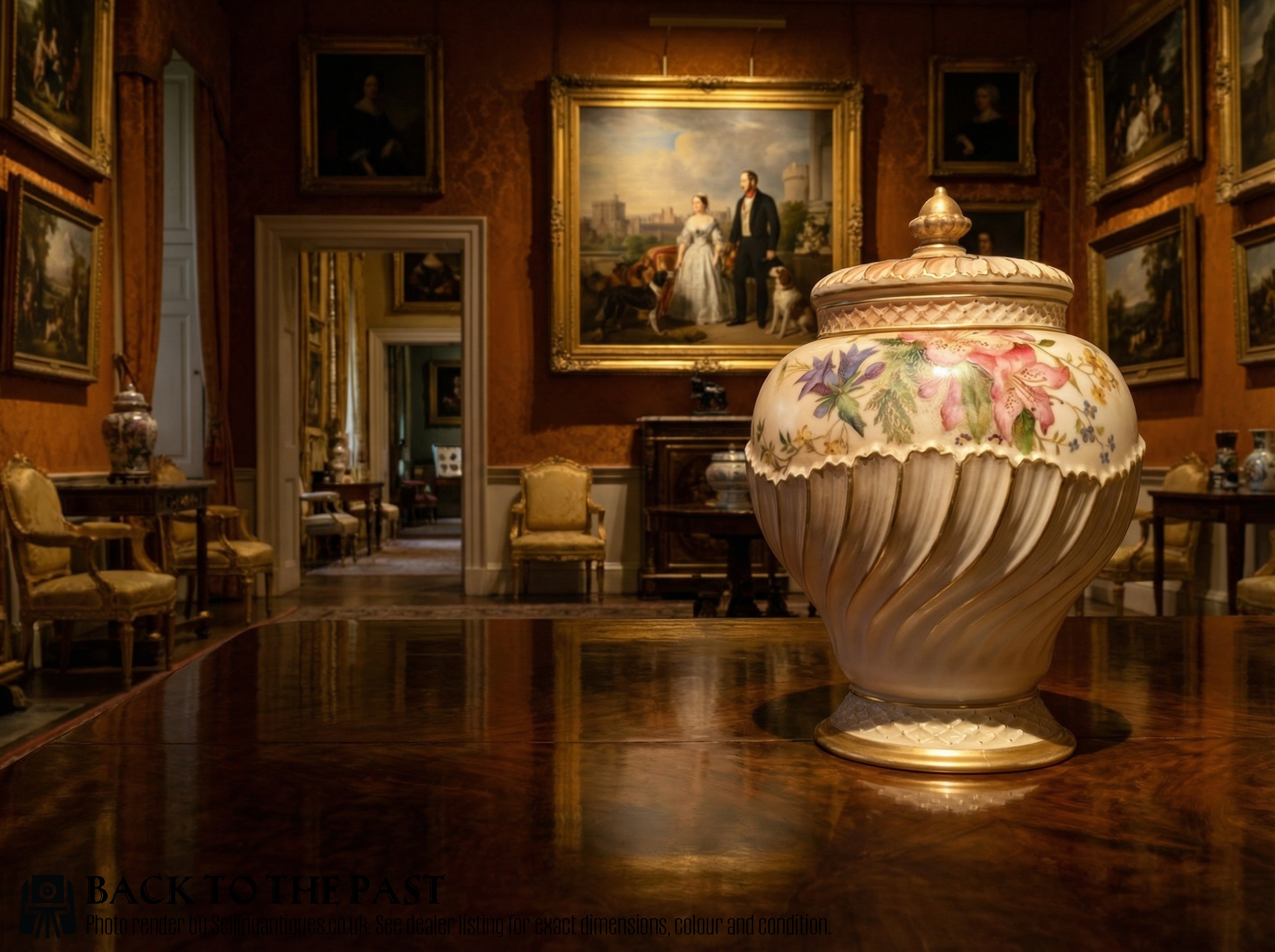
Royal Worcester·Moorcroft·Doulton Lambeth·Flight Barr and Barr·Sitzendorf·Royal Vienna·Spode·St Sitzendorf
The Floral Painted Vase Glossary
- Blush ivory
- A matte cream-coloured porcelain ground developed by Royal Worcester, typically decorated with soft pastel floral designs. This finish became immensely popular during the late Victorian and Edwardian periods.
- Faience
- Tin-glazed earthenware decorated with opaque coloured enamels. The technique allows for vibrant floral painting directly onto the absorbent ceramic surface.
- Imari
- A style of Japanese porcelain featuring a distinct palette of underglaze blue, iron red, and gilt highlights. Pieces often incorporate dense floral and brocade patterns.
- Polychrome
- Decoration employing multiple distinct colours in the painted design. It is frequently seen on Qajar ceramic vessels and continental porcelain urns.
- Porcelaneous
- A ceramic material that possesses many of the dense, semi-translucent qualities of true porcelain. Staffordshire potteries frequently utilised this body for large decorative vases.
Floral Painted Vase: Frequently Asked Questions
Where were these ceramic vessels displayed?
These decorative vessels were traditionally placed on mantelpieces, pedestals, and central tables in nineteenth-century drawing rooms.
They served as ornamental centrepieces designed to showcase fine hand-painted botanical artistry and complement domestic interiors.
Can I use antique vessels for fresh flowers?
Most antique ceramic and porcelain pieces are intended for display rather than holding water, particularly if they feature delicate interior glazes or historical repairs.
Utilising them for fresh arrangements risks water damage to the historic ceramic body or the painted exterior surface.
How do I identify the period of a ceramic piece?
Examine the base for factory backstamps, impressed registration marks, and hand-painted pattern numbers which often correspond to specific decades of production.
The style of the floral painting, the weight of the clay body, and the characteristics of the glaze also provide reliable clues to the era of manufacture.