

Oriental Ceramic Vessel
When you search for an oriental ceramic vessel, you enter a diverse tradition of Far Eastern pottery, porcelain, and stoneware crafted for daily utility or display.

Oriental Ceramic Vessel
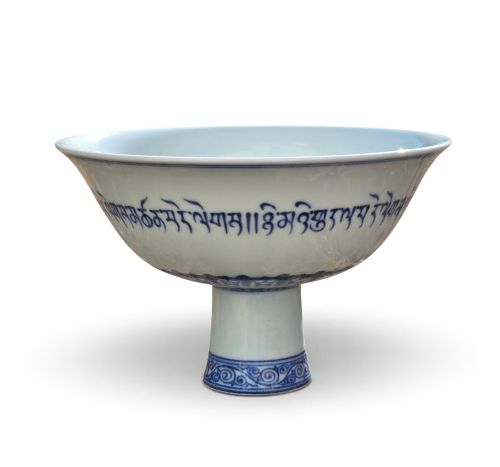
An oriental ceramic vessel encompasses a broad spectrum of historical forms, including vases, ginger jars, incense burners, and decorative bowls originating from China and Japan. These pieces span centuries of production, featuring significant representations from the Qing Dynasty and the Japanese Meiji period.
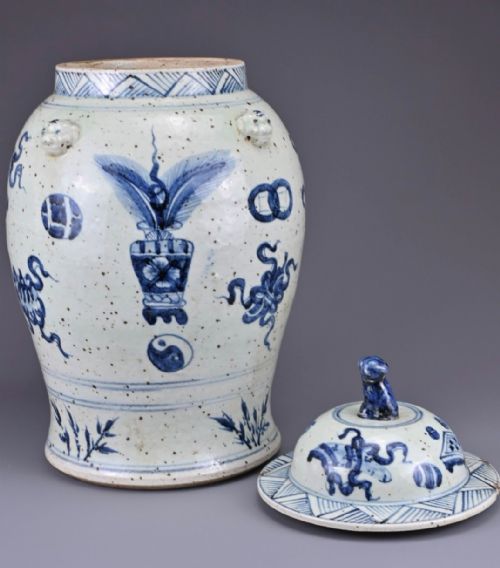
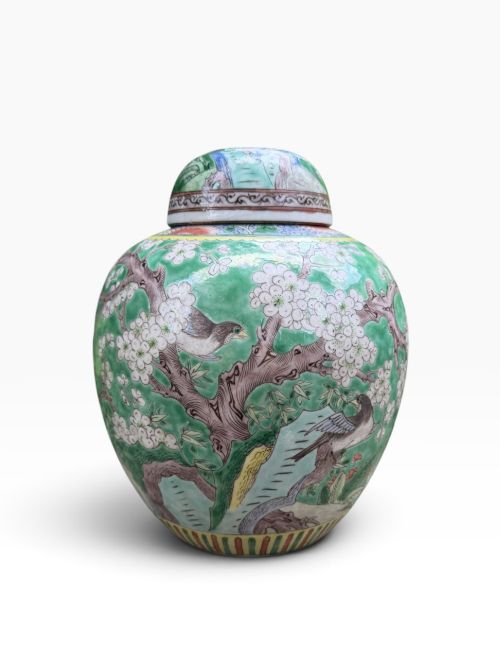
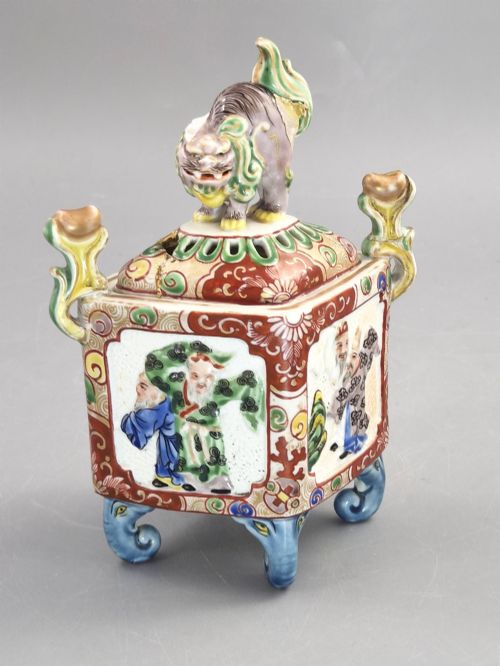
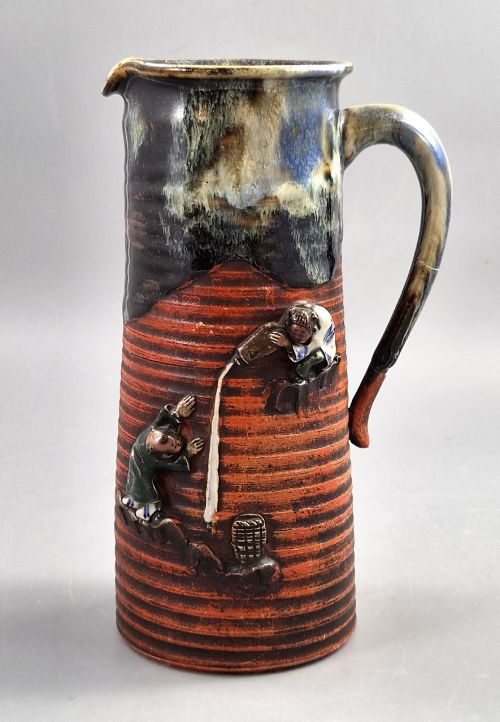
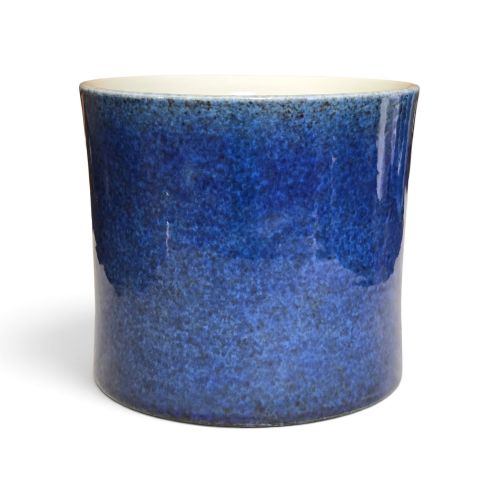
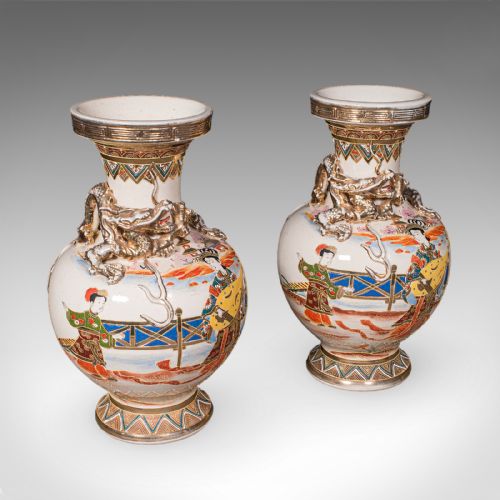
Buyers encountering this category frequently meet Japanese Imari export porcelain and intricate Satsuma earthenware alongside Chinese blue and white jars and monochrome scholar's water vessels. The selection bridges utilitarian items adapted for display and objects created specifically for ritual, scholarly, or decorative purposes.
The material evidence demonstrates considerable variation in scale, from cabinet-sized snuff bottles and brush washers to large floor-standing vases and jardinières. Each object reflects the distinct aesthetic priorities and kiln technologies of its specific period of manufacture.
Materials and production techniques
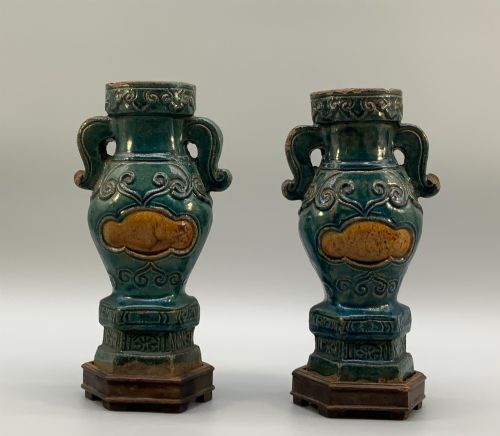
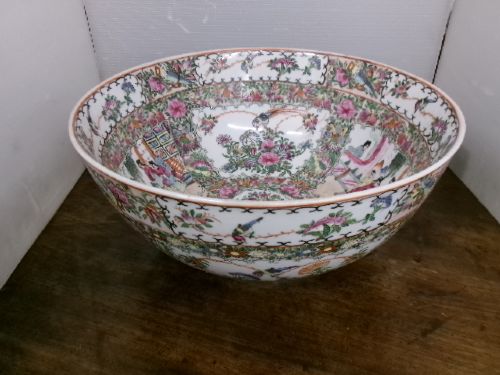
Potters utilised fine porcelain, earthenware, stoneware, and terracotta as the primary structural bodies for these pieces, shaping them on the wheel or moulding them by hand. Surface decoration frequently incorporated cobalt underglazes, multi-coloured enamels, and meticulous hand-painted details.
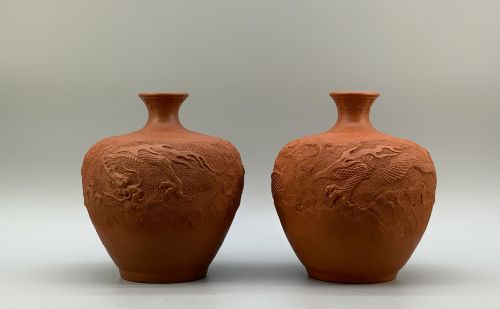
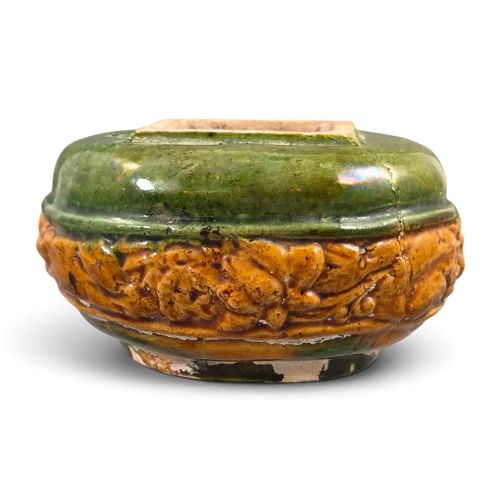
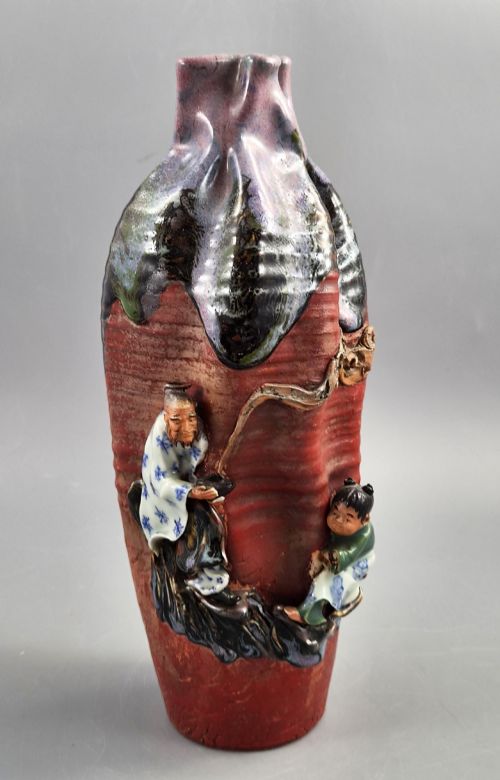
Gilding and gold leaf often highlight specific motifs, while specialised techniques produce characteristic finishes such as crackle glazes, powder-blue grounds, and flambé effects. Artisans also applied relief moulding, adding figures, dragons, and floral elements directly to the vessel walls before firing.
Current listings demonstrate a strong representation of 19th-century Japanese Satsuma and Kutani ceramics alongside Qing Dynasty Chinese porcelain.
Differentiating quality across the range
The distinction between standard commercial output and superior craftsmanship rests upon the precision of the brushwork, the depth and stability of the glaze, and the clarity of the underlying clay body. Master potters and recognised workshops achieved greater refinement in their proportions and controlled firing temperatures without warping.
The sophistication of the decorative scheme also separates tiers of quality, with exceptional pieces displaying complex narrative scenes, finely rendered facial expressions, and harmonious colour palettes. Signed works by noted makers demonstrate a higher degree of individual artistic intent compared to anonymous factory production.
Hotoda·Makuzu Kozan
The Oriental Ceramic Vessel Glossary
- Imari
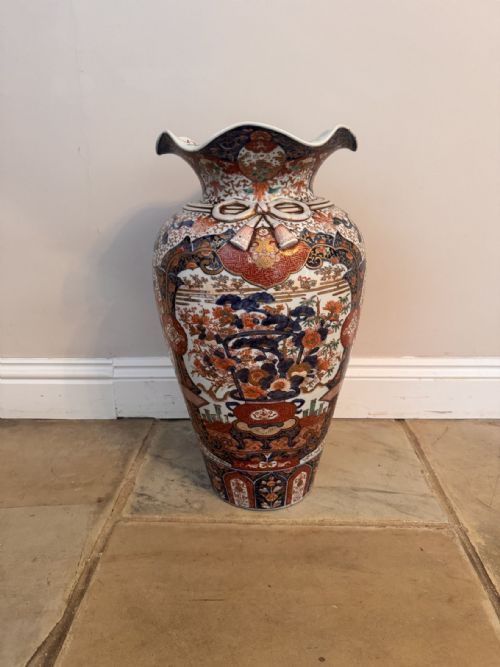
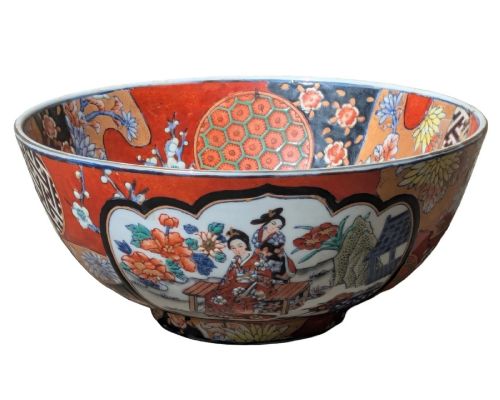
- A style of Japanese export porcelain characterised by a palette of underglaze blue, iron red, and supplementary gold. These wares were produced primarily in Arita and shipped to Europe from the port of Imari.
- Satsuma
- A type of Japanese earthenware featuring a pale, ivory-coloured crackle glaze typically decorated with elaborate polychrome enamels and gilding. The style gained substantial popularity during the Meiji period.
- Kutani
- Japanese porcelain or stoneware distinguished by bold, expressive pictorial designs often dominated by greens, blues, yellows, and purples. Production centred in the Kaga province.
- Doucai
- A Chinese porcelain technique where part of the design is outlined in underglaze blue and fired, then filled in with overglaze enamels and fired a second time at a lower temperature.
- Koro
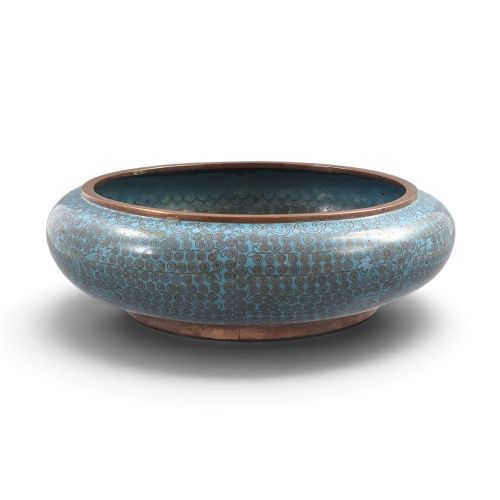
- A traditional Japanese incense burner, usually supported by feet and fitted with a pierced cover to release fragrance. These vessels appear in ceramic, bronze, and cloisonné enamel.
- Celadon
- A term for pottery denoting both wares glazed in jade green and the specific translucent green glaze itself. The colour mimics jade and results from iron oxide in the glaze reacting in a reduction kiln.
Oriental Ceramic Vessel: Frequently Asked Questions
What is an oriental ceramic vessel?
An oriental ceramic vessel is a broad category encompassing items like vases, ginger jars, waterpots, and bowls made from porcelain, earthenware, or stoneware in China and Japan.
These pieces range from everyday utilitarian wares to highly decorative display objects created across multiple centuries and imperial dynasties.
How do I identify a Meiji period piece?
Meiji period ceramics, particularly Japanese Satsuma and Kutani wares, frequently display dense, intricate hand-painted decoration involving figures, dragons, and flora.
Many pieces from this era bear artist signatures or workshop marks on the base, reflecting the opening of Japan to Western trade and the rise of specialised export production.
What distinguishes Imari from other porcelain?
Imari porcelain is instantly recognisable by its distinctive colour palette, which combines deep underglaze cobalt blue with vibrant iron red and supplementary gilding.
Originating in Japan during the Edo period, these decorative vessels were heavily exported to European markets and prized for their striking visual contrast.