


Crackled Glaze Vase
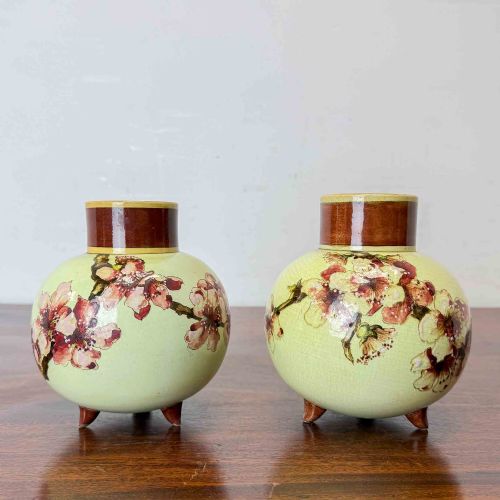
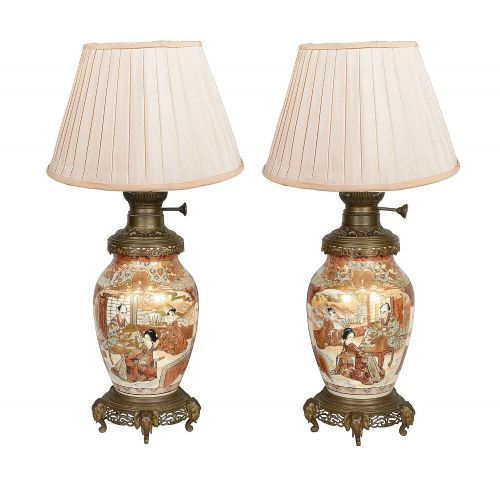
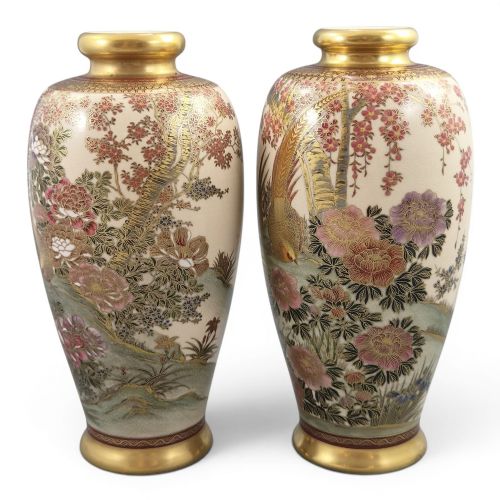
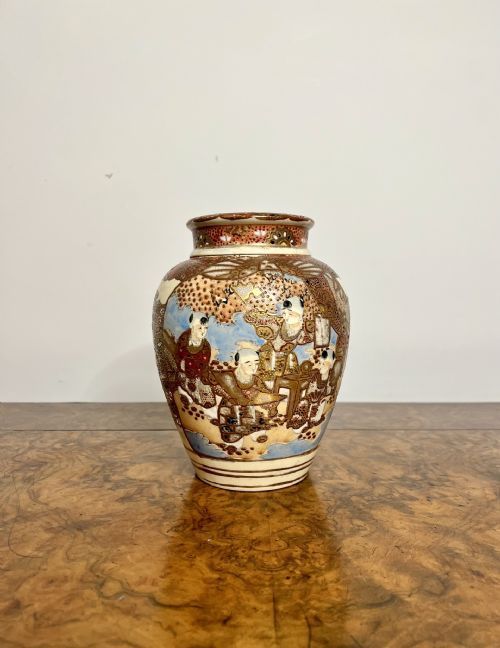
These crackled glaze vase options bring intricate Japanese Satsuma and Chinese crackleware pieces into your home, offering textured surfaces and historic ceramic depth.
Crackled Glaze Vase
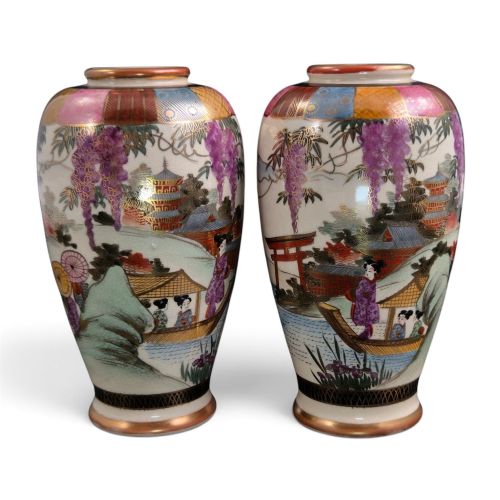
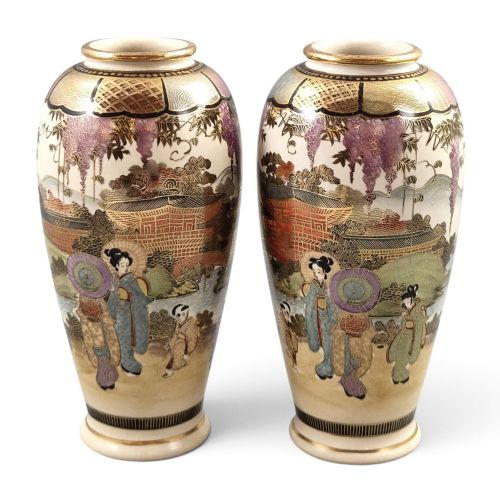
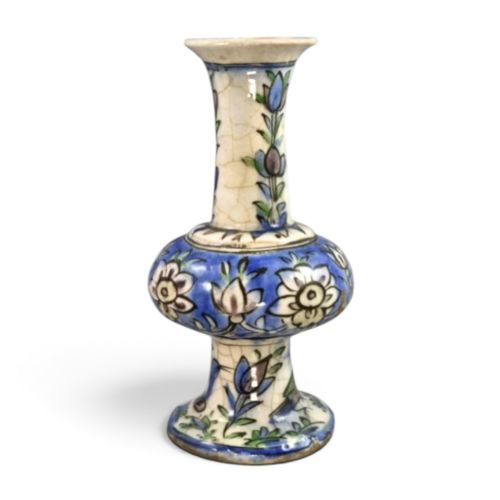
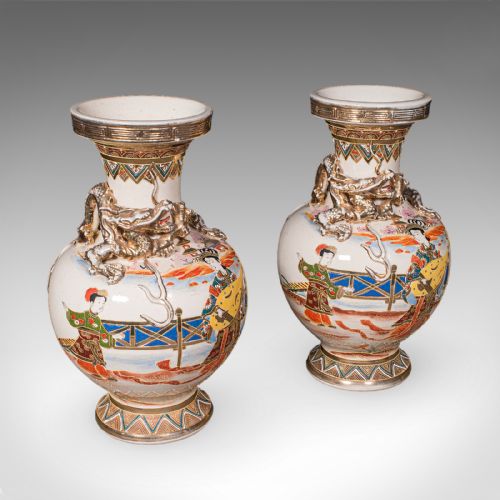
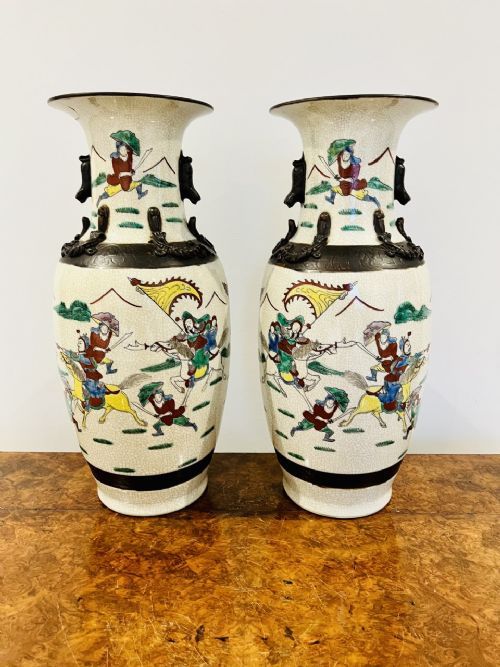
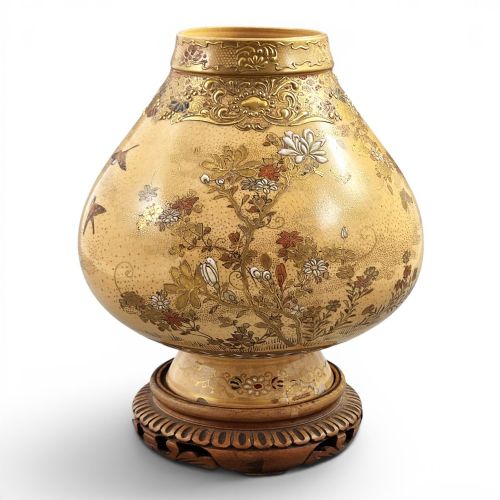
A crackled glaze vase brings textured ceramic artistry to interior spaces through intentional crazing across the body. You will most frequently encounter Japanese Satsuma earthenware vessels alongside Chinese blue and white crackleware and celadon pieces.
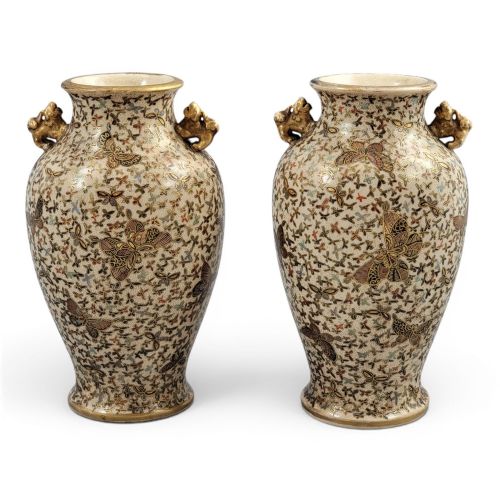
The selection spans the nineteenth century through the early twentieth century, taking forms from baluster shapes and ginger jars to miniature cabinet pieces and converted table lamps. Many examples arrive in pairs or garnitures, decorated with court figures, landscapes, or floral motifs.
Origins stretch from Meiji and Taisho period Japanese workshops to late Qajar Persian ceramics and Song dynasty celadon jars. These vessels function as decorative centrepieces that showcase regional glazing traditions and detailed hand painting.
Materials and construction
Potters shaped these vessels from earthenware and porcelain bodies before applying specialised mineral glazes that contract during firing to create the characteristic network of fine surface cracks. Artisans then hand painted intricate designs using polychrome enamels and gold leaf highlights.
Techniques such as moriage built up raised slip details to frame figures and landscapes on Satsuma wares, while blue and white pieces relied on cobalt pigments beneath clear crackle glazes. Workshops in Kyoto and other ceramic centres combined these methods to achieve durable decorative finishes.
Rakan figures and dragons occasionally share space with fluttering butterflies across these antique surfaces.
Evaluating quality and execution
Quality rests upon the precision of the hand painting and the control of the glaze crazing, where finer and more even networks distinguish superior work. Artisans who achieved delicate facial expressions on figures and clean application of gold leaf produced pieces that command greater attention.
The weight of the ceramic body and the clarity of the underglaze or overglaze pigments indicate the skill of the workshop. Pieces bearing legible signatures from established makers demonstrate a higher grade of artistic oversight during production.
Manpei·Kinkōzan Workshop·Kinzan·Chosei·Seiko-en Chokei·Choshuzan·Jissei·Yoshisada·Hattori·Hayakawa
The Crackled Glaze Vase Glossary
- Satsuma
- An earthenware type originating from Satsuma province in Japan, typically featuring a cream-coloured cracked glaze decorated with polychrome enamels and gilding. These ceramics gained widespread popularity during the Meiji period.
- Moriage
- A ceramic technique where slip is piped onto the surface of a vessel to create raised decorative borders and motifs. This method adds a tactile dimension to robes, flowers, and architectural elements.
- Celadon
- A term for ceramics featuring a pale green jade-like glaze, often associated with historic Chinese kilns. The subtle colour results from iron oxide interacting in a reducing kiln atmosphere.
- Crackleware
- Pottery or porcelain purposely fired with a cracked glaze effect across the surface. The crazing lines are often enhanced with dark colouring to make the pattern prominent.
- Baluster
- A vase form characterised by a swollen lower portion, a narrow neck, and a flared rim. This silhouette derives from architectural baluster columns.
Crackled Glaze Vase: Frequently Asked Questions
What is a crackled glaze vase?
A crackled glaze vase is a ceramic vessel featuring a deliberate network of fine surface cracks within the exterior glaze. These pieces range from Japanese Satsuma earthenware to Chinese crackleware.
Potters produce the crackled effect through differential cooling rates between the body and the glaze during firing. This results in a textured, decorative finish that catches the eye.
How do I care for a crackled glaze vase?
Dust these ceramic vessels gently with a soft, dry cloth to protect the painted enamel and gold leaf decorations. Avoid using harsh chemical cleaners or submerging antique pieces in water.
Keep them away from direct sunlight and areas subject to sudden temperature shifts to preserve the integrity of the glaze and ceramic body.
How do I distinguish Satsuma from other wares?
Satsuma ceramics typically display a warm, ivory-coloured earthenware body covered in a fine, micro-cracked transparent glaze. They are frequently adorned with intricate hand-painted figures and heavy gilding.
Other crackleware types often utilise porcelain or stoneware bodies with blue and white cobalt designs or single-colour celadon glazes rather than elaborate polychrome enamel scenes.
Can these vases be used for flowers?
Many historic ceramic vessels are porous or feature applied metal fittings and electrical wiring if converted into table lamps. Using them with water for fresh flowers risks damaging the antique earthenware and interior glaze.
Displaying them dry or utilising a concealed internal container protects the historic fabric of the piece from moisture damage.