




Vintage Japanese Ceramics
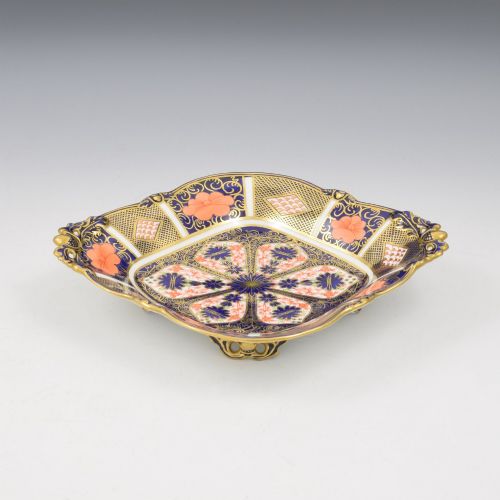
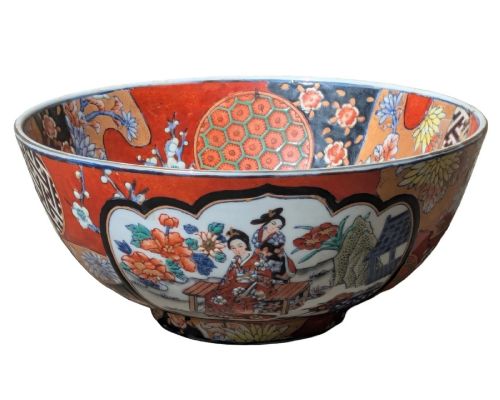
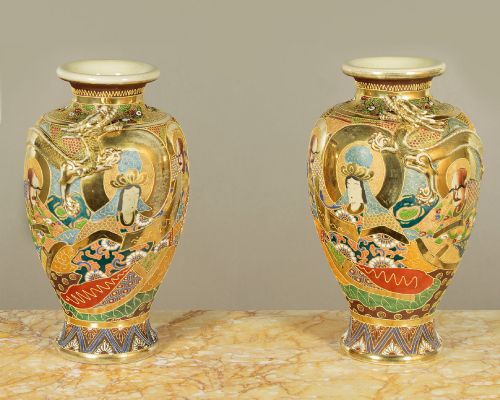
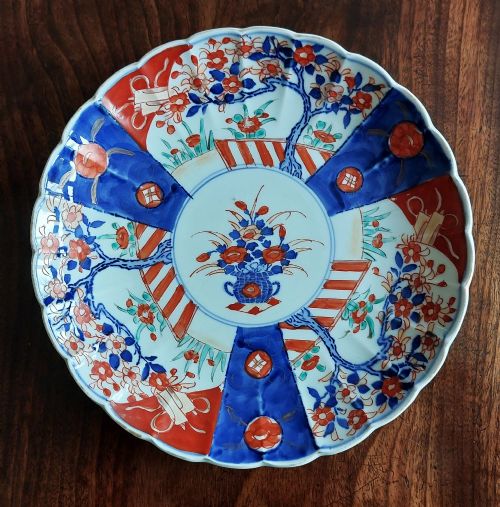
Vintage japanese ceramics bring centuries of skilled firing and hand-painting traditions straight into modern interiors through bold imari chargers, delicate satsuma vases, and robust earthenware vessels.
Vintage Japanese Ceramics
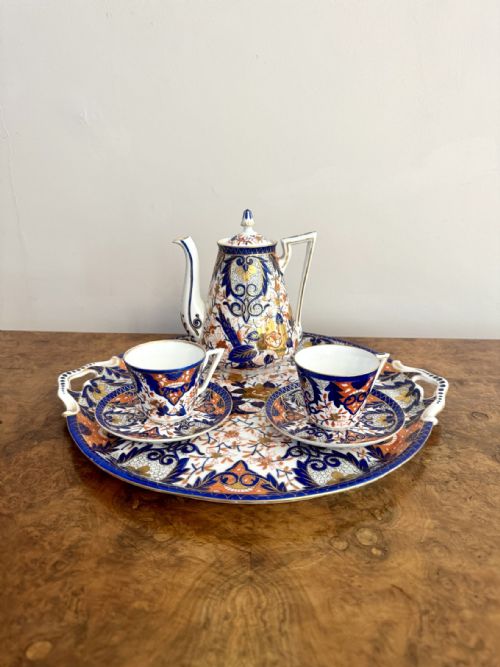
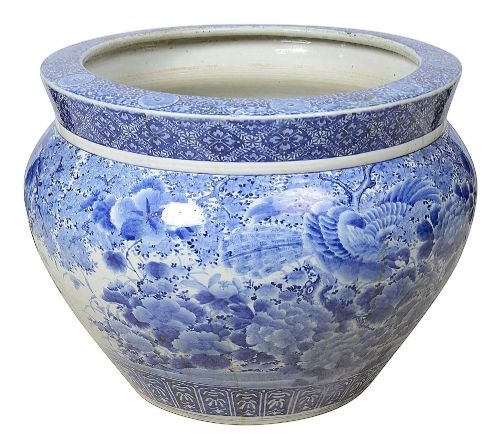
Vintage japanese ceramics encompass a wide variety of decorative and functional objects produced from the late seventeenth century through the early twentieth century. Buyers seeking these pieces encounter everything from large blue and white jardiniere planters to intricate coffee sets and small tea cups.
The pieces appearing most frequently span the meiji and taisho periods, alongside nineteenth-century imari plates and bowls. These items range from everyday vessels to high-status display items, reflecting diverse domestic and export markets.
How they were made
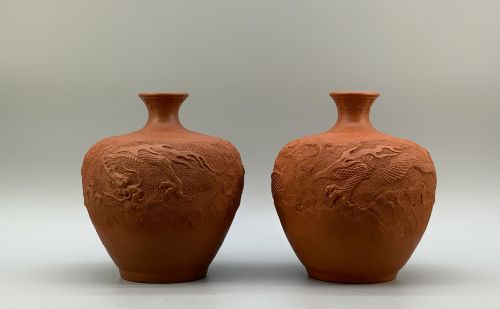
Potters utilised native clays such as tokoname red clay and fine porcelain bodies, shaping them on wheels or moulding them by hand. Kiln temperatures and firing atmospheres determined whether the body matured into dense stoneware or translucent porcelain.
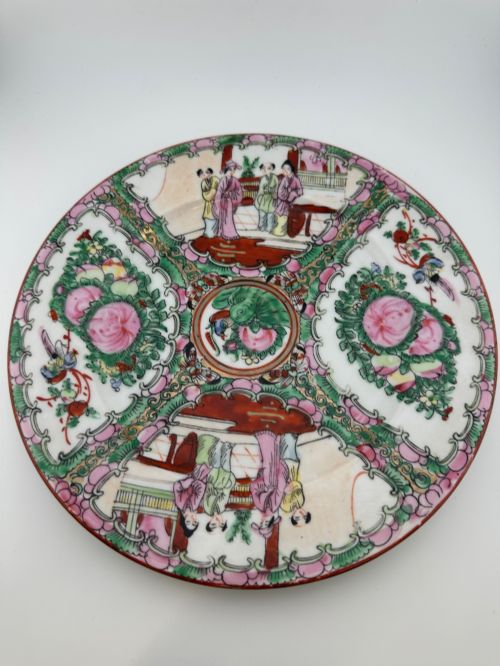
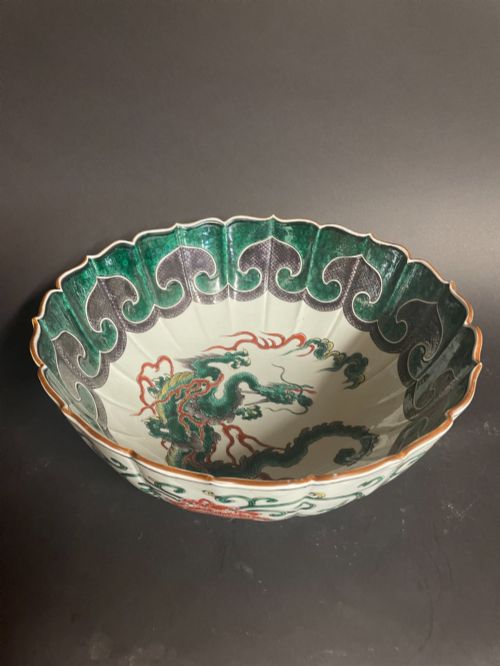
Decoration relied on hand-applied cobalt blue underglaze, multi-coloured enamel pigments, and applied gold leaf details. Many pieces also incorporated sculptural elements modelled separately and attached before glazing and firing.
Listings feature items spanning the seventeenth century to the 1930s, incorporating porcelain, earthenware, enamel, and gold leaf.
What varies in quality
Quality rests upon the precision of the brushwork and the complexity of the glaze chemistry, separating standard production wares from master-signed studio pieces. The clarity of cobalt underglaze and the crispness of moulded relief figures dictate overall visual impact.
Provenance and condition also drive differentiation, particularly where delicate elements like applied figures or gilt highlights remain intact over generations. Potter signatures and proper kiln markings provide further evidence of superior craftsmanship.
Koshida·Ginshōtei Gyokushi·Shizan·Kōko
The Vintage Japanese Ceramics Glossary
- Imari
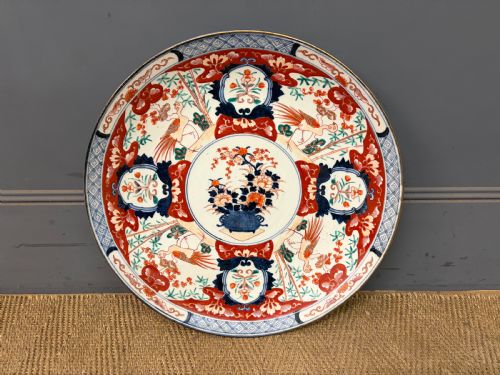
- A style of japanese porcelain decorated in underglaze blue, iron red, and gold, originating in the town ofarita. This aesthetic became immensely popular for both domestic use and western export.
- Satsuma
- An earthenware type with a pale, crackle-glazed ivory body, typically decorated with rich enamel colours and gilt. It gained major traction during the meiji period.
- Tokoname
- A historic centre of pottery production known for unglazed red clay vessels, often featuring natural kiln effects. These wares include practical containers and sculptural forms.
- Sometsuke
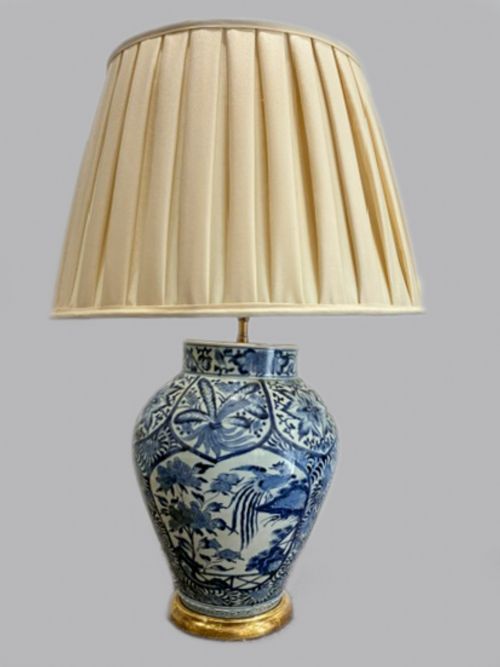
- Japanese blue and white porcelain decorated using cobalt oxide under the clear glaze. The technique yields deep blue motifs against a white ground.
- Okimono
- A freestanding Japanese decorative figurine intended for display in a tokonoma alcove or on a shelf. These figures depict deities, immortals, and everyday characters.
Vintage Japanese Ceramics: Frequently Asked Questions
How do I date vintage japanese ceramics?
Dating relies on stylistic shifts, clay types, and recorded maker signatures corresponding to imperial periods like meiji or taisho.
Examining the glaze composition and potting technique further helps narrow down the decade of production.
Were these pieces made for export?
Many imari chargers and satsuma vases were created specifically for western markets following the opening of japanese trade ports in the nineteenth century.
Other items, such as tea cups and specific bowls, served traditional domestic functions within japanese households.
Can I use these ceramics daily?
While robust pieces like jars and plates were built for functional use, antique status and delicate enamel or gilt decoration often warrant careful handling.
Many collectors prefer to display decorative plates and vases rather than subject them to modern dining routines.
What is sumida gawa pottery?
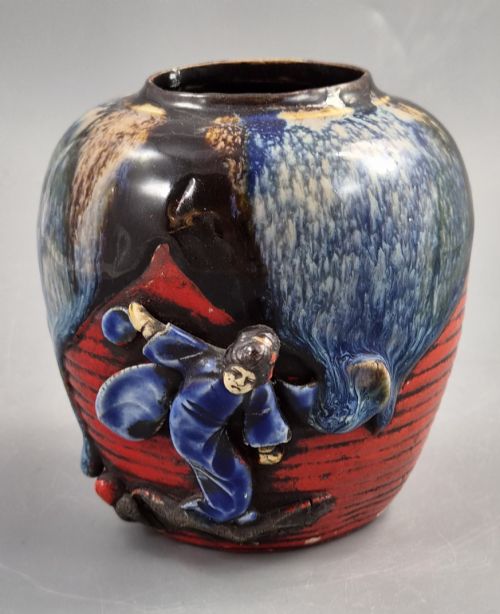
Sumida gawa wares originate from workshops near the sumida river in tokyo, recognised by their heavy, melting flambé glazes and applied sculptural figures.
These tactile pieces stand apart from traditional refined porcelain through their expressive and textured surfaces.