

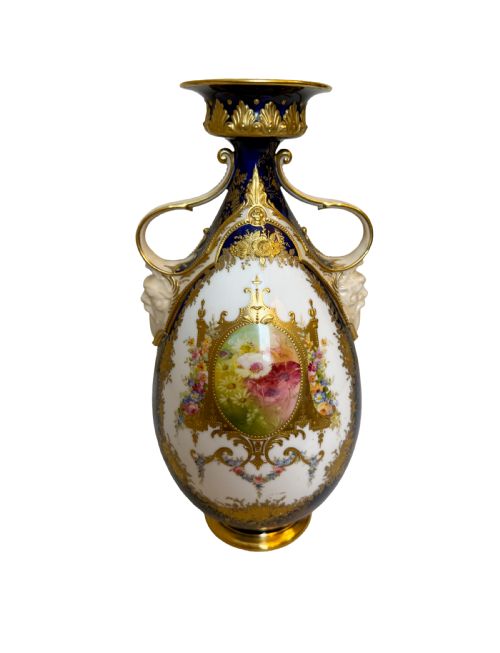
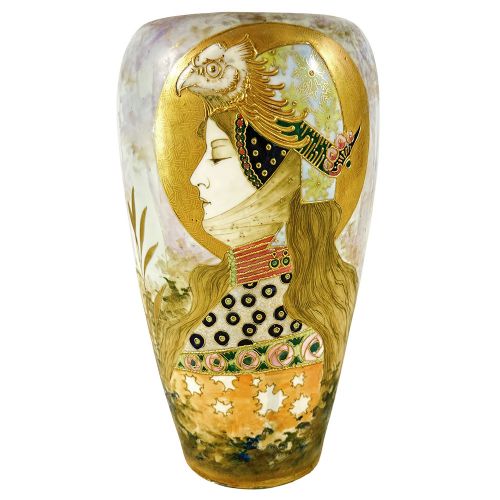
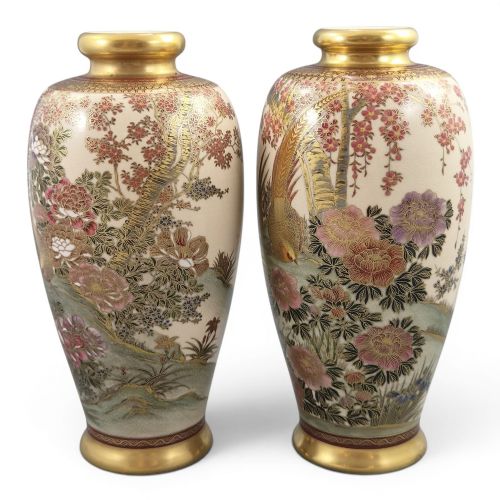
Gold Gilded Ceramic Vase
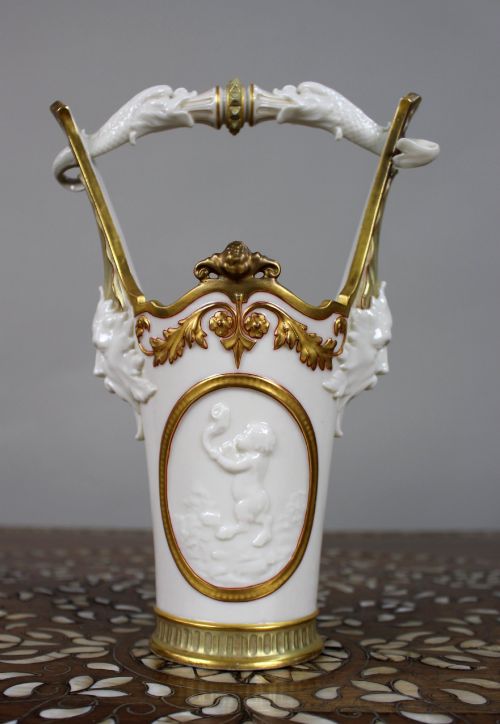
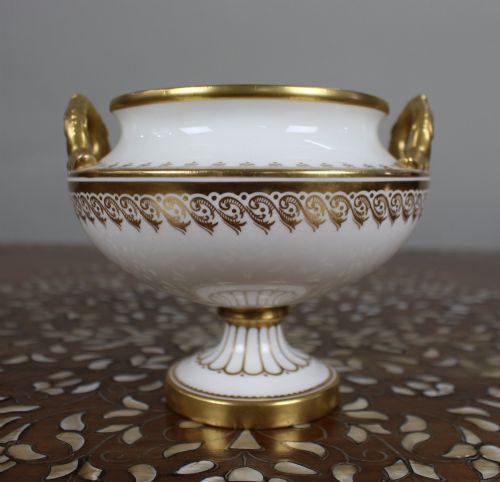
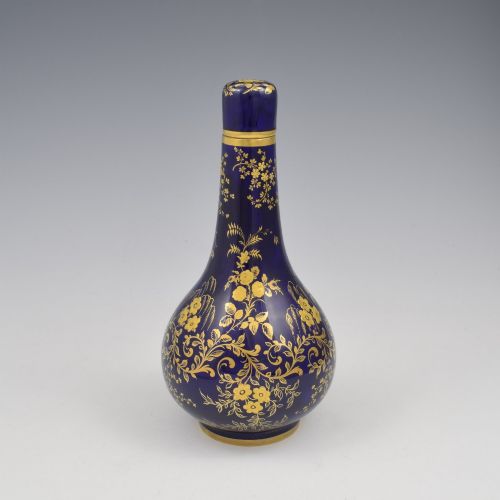
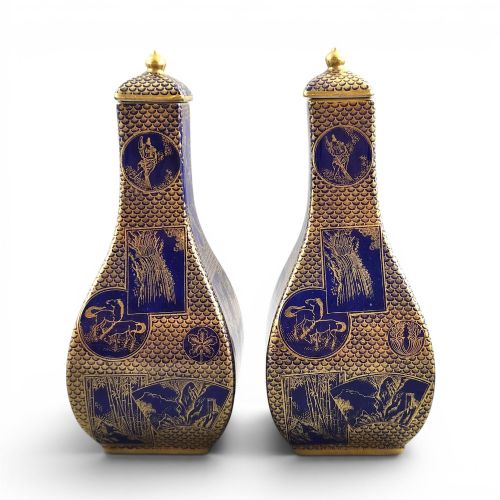
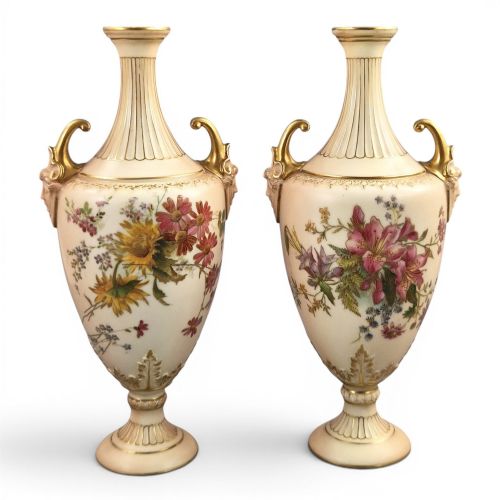
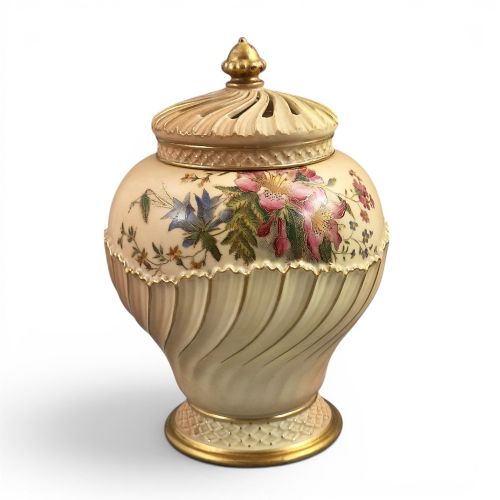
A gold gilded ceramic vase brings together luminous metallic ornament and crafted clay, spanning English porcelain works and Japanese earthenware.
Gold Gilded Ceramic Vase
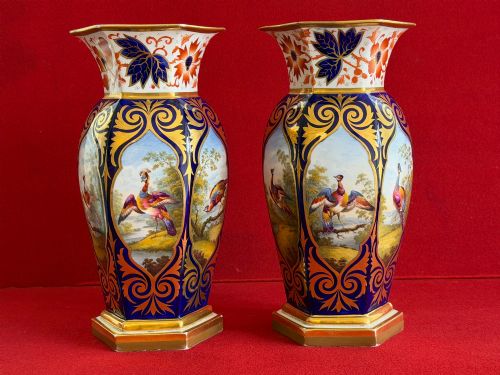
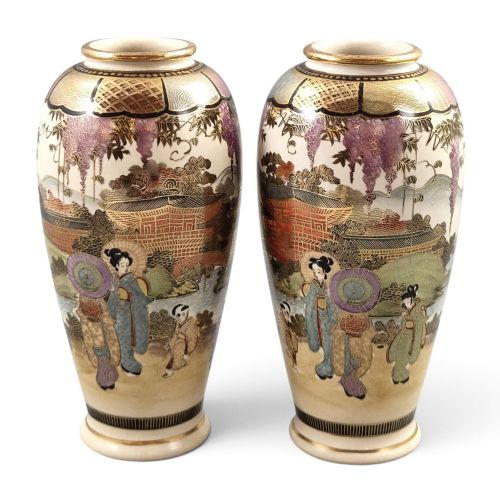
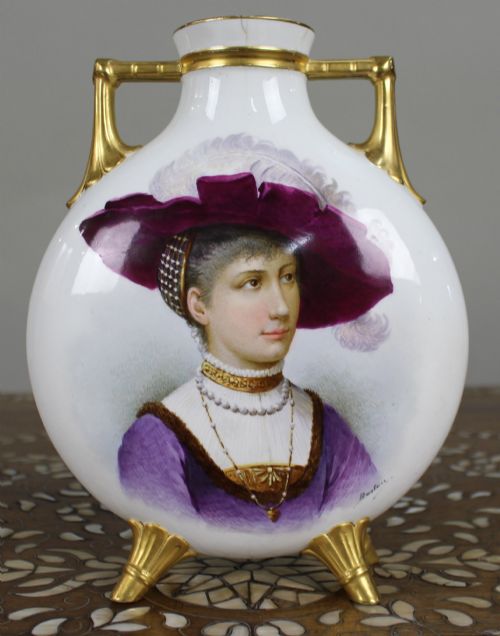
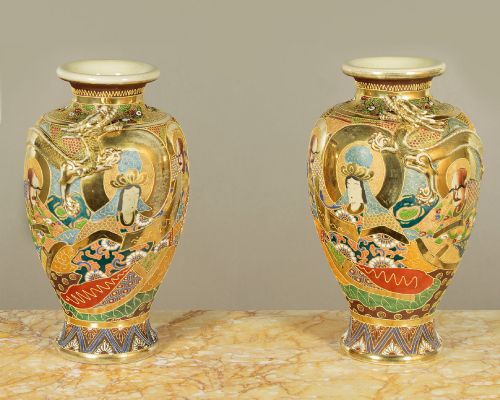
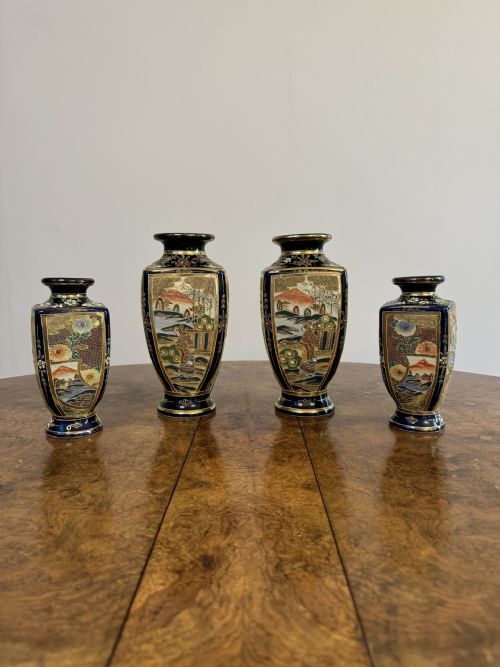
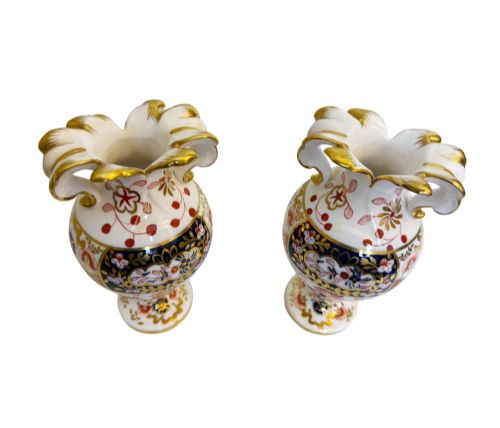
A gold gilded ceramic vase takes many shapes across this selection, ranging from classical campagna urns and moon flasks to Japanese satsuma garnitures and miniature vessels. English porcelain factories like Worcester, Derby, and Coalport sit alongside Japanese workshops such as Kinkōzan and Hotoda.
The pieces stretch chronologically from the late eighteenth century through the Georgian, Victorian, and Edwardian eras into the early twentieth century. Visitors most frequently encounter nineteenth-century English porcelain alongside Meiji period Japanese earthenware vessels decorated with enamel and gold.
Vessels serve various decorative and functional roles, appearing as jardinieres, pot-pourri jars, ewers, and twin-handled urns. These ceramic objects demonstrate diverse stylistic influences, including Neoclassical, Aesthetic Movement, Art Nouveau, and traditional Japanese motifs.
Materials and Techniques
Potters shape porcelain and earthenware bodies before applying glazes, enamel, and gold leaf or gilt details. Hand painting provides pictorial scenes, floral sprays, and figures, often complemented by raised paste gilding.
Kiln firing sets the ceramic body, underglaze colours, and enamel pigments, while subsequent low-temperature firings fix the metallic leaf and burnished gilding. Surface finishes incorporate reticulated piercing, lustre glazes, and intricate hand-enamelled patterns.
Listings span multiple ceramic bodies, encompassing both refined porcelain from English factories and crackle-glazed earthenware from Japanese workshops.
Craftsmanship and Execution
Quality rests in the precision of the hand painting, the depth of the porcelain or earthenware body, and the crispness of the gilt work. Skilled artists deliver finely detailed figures, botanical studies, and intricate borders rather than generalized brushwork.
The application of gold leaf and burnished gilding shows varying degrees of hand labour, where superior examples exhibit complex tooling and raised ornament. Potteries known for notable ceramicists and specific artist signatures generally display elevated standards of design and execution.
Flight Barr And Barr·Royal Worcester·Spode·Derby Porcelain·Mason·Royal Doulton·Reissner Stellmacher And Kessel·Hotoda·Coalport·Minton·Grainger Worcester·Carlton Ware·William Moorcroft
The Gold Gilded Ceramic Vase Glossary
- Gilding
- The application of gold leaf or powdered gold to the ceramic surface. This technique highlights rims, handles, and pictorial borders.
- Satsuma
- A type of Japanese earthenware featuring a crackle glaze and detailed overglaze enamel paintings enriched with gold. These wares often depict figures, landscapes, and traditional motifs.
- Urn
- A classical vessel shape typically featuring a footed base, a rounded body, and often two handles. They appear frequently in Regency and Victorian neoclassical designs.
- Reticulated
- Ceramic work featuring pierced or openwork lattice patterns cut into the body before firing. Grainger Worcester pieces frequently demonstrate this delicate technique.
- Imari
- A decorative style inspired by Japanese export wares, utilising a palette of underglaze blue, iron red, and abundant gilt. English factories like Spode adopted this aesthetic during the nineteenth century.
Gold Gilded Ceramic Vase: Frequently Asked Questions
How do I display a ceramic vase safely?
Place vases on stable, level surfaces away from direct sunlight and heavy foot traffic vibrations. Ensure support matches the base dimensions of larger urns or garnitures.
Keep them clear of heating sources and fluctuating temperatures to protect glazes and delicate gold leaf decorations over time.
How are periods told apart?
Georgian and Regency pieces often reflect neoclassical influences with classical urn shapes and restrained gilding. Victorian and Edwardian examples frequently embrace eclectic revivals, blush ivory grounds, and dense hand-painted florals.
Meiji period Japanese works display distinct crackle glazes paired with dense enamel and gold depictions of figures, dragons, and thousand butterfly motifs.
Were these vessels used or decorative?
Many large urns, jardinieres, and garnitures served primarily as formal decorative elements in nineteenth-century interiors. Pot-pourri jars and ewers combined functional storage for aromatics or water with ornamental display.
Miniature satsuma vases and cabinet pieces were collected for display in cabinets rather than practical household use.
How should I clean my gilded vase?
Dust surfaces gently with a soft, dry ostrich feather duster or a clean, dry microfibre cloth. Avoid applying water, chemical cleaners, or abrasive cloths directly onto painted enamel and gilt areas.
Professional conservation advice should be sought if deeper cleaning becomes necessary for antique porcelain or earthenware.