


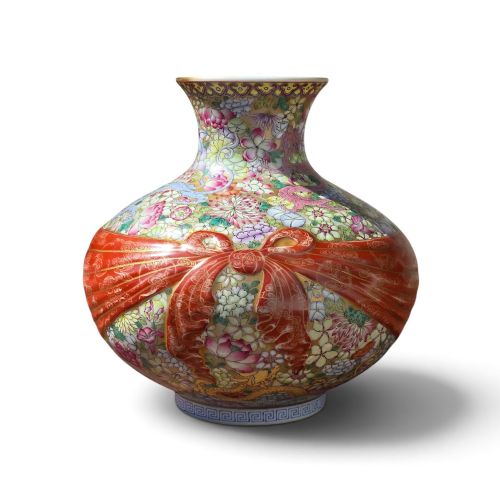
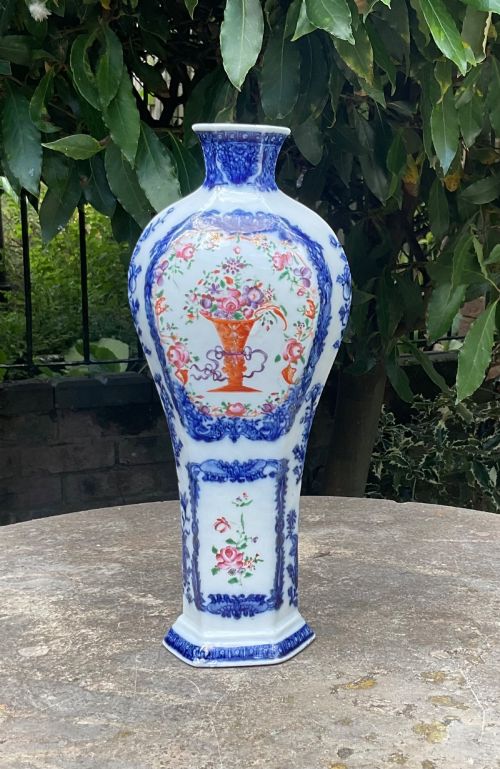
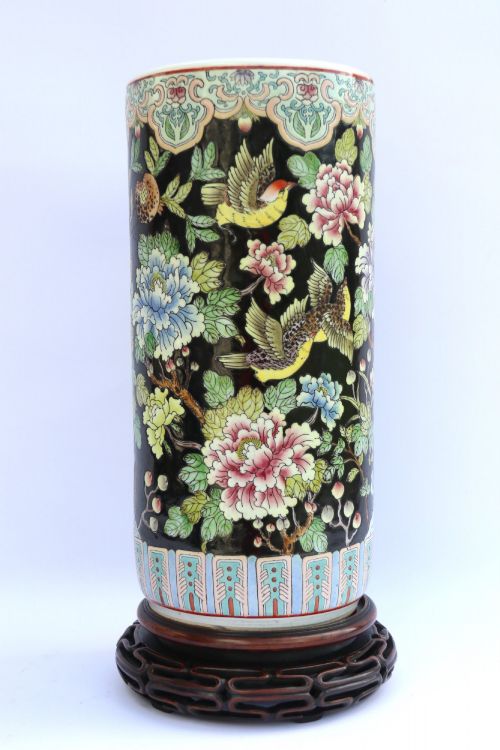

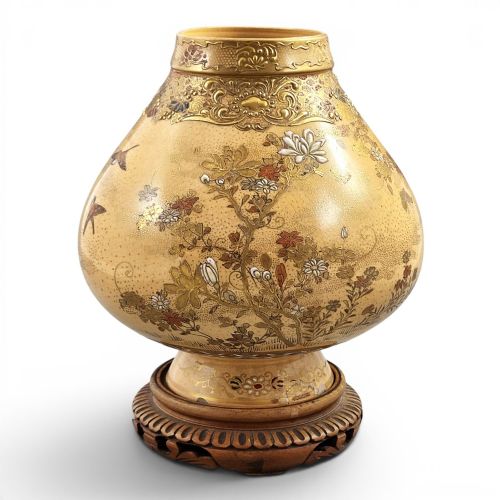
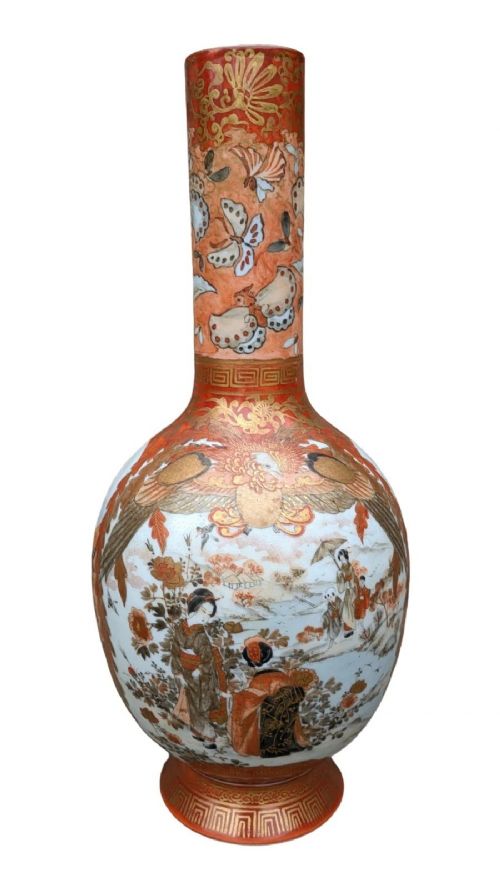


Oriental Ceramic Flower Vase
An oriental ceramic flower vase brings vibrant painted detail and rich history to a room, ranging from delicate cabinet pieces to large floor vessels.
Oriental Ceramic Flower Vase
When you search for an oriental ceramic flower vase, you encounter a diverse array of vessels originating from China and Japan across several centuries. The selection spans the eighteenth, nineteenth, and early twentieth centuries, featuring distinct regional aesthetics and traditional forms.
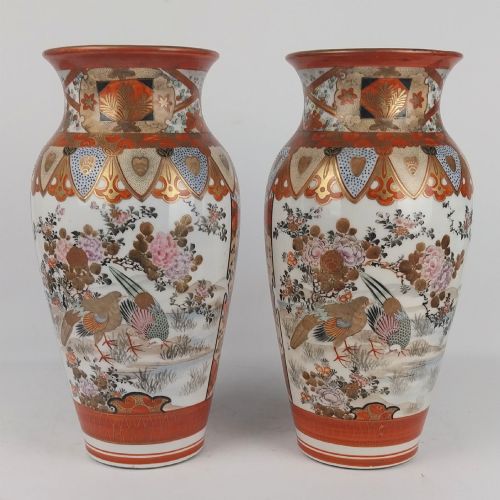
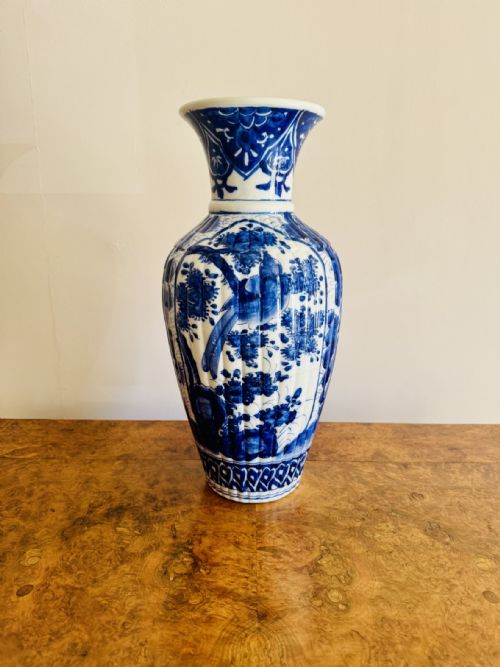
You are most likely to meet nineteenth-century pieces on this page, particularly examples from the Meiji period and the late Qing dynasty. These frequently take the form of baluster vases, jars, and hexagonal shapes designed to hold cut stems or display intricate decorative painting.
Materials and Techniques
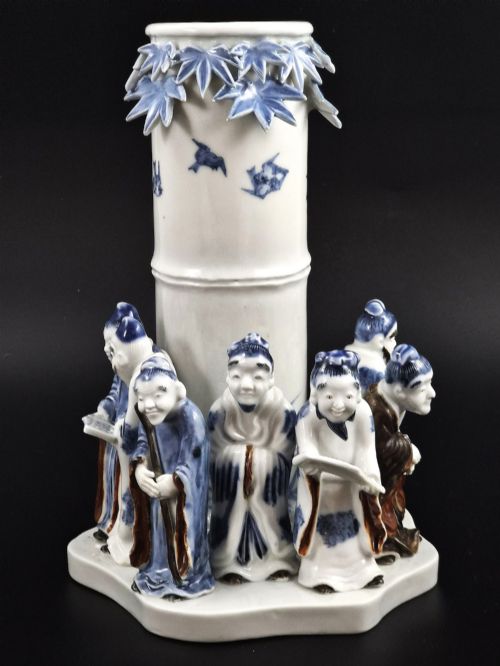
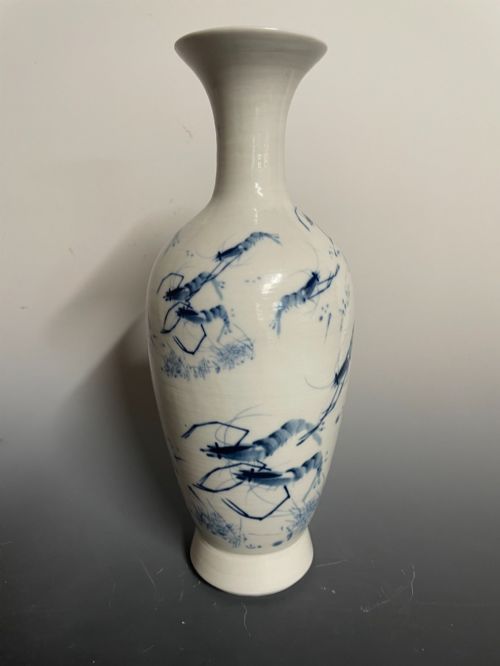
Potters shaped these vessels from porcelain, earthenware, and stoneware, applying mineral-rich pigments and cobalt glaze directly to the body before firing. Many surfaces received detailed overglaze enamel work, sometimes augmented with gold leaf highlights to accentuate the painted motifs.
Certain pieces were constructed to incorporate auxiliary elements, such as original hardwood stands designed to support heavier vases. Kiln techniques varied from high-fired blue and white underglaze production to lower-temperature earthenware enamelling.
Oriental Ceramic Flower Vase Retail Price Guide 2026
Typical asking prices for oriental ceramic flower vase among the pieces listed under this phrase on Sellingantiques today, from the lower quarter to the upper quarter. They describe what is for sale here now, not the wider market.
The listings span porcelain, earthenware, and stoneware, with periods reaching from the eighteenth century through the early twentieth century.
Assessing Quality and Execution
The standard of an oriental ceramic flower vase rests upon the precision of the hand-painted brushwork and the clarity of the glaze. Finer examples display meticulous control in intricate floral patterns, figural scenes, and multi-layered enamel compositions.
The sophistication of the ceramic body and the depth of the colour palette distinguish exceptional workshops from mass production. Well-executed pieces maintain proportional harmony in form, whether handling a delicate tulipier or a substantial baluster vessel.
Kinkōzan Workshop·Makuzu Kozan II·Royal Doulton
The Oriental Ceramic Flower Vase Glossary
- Famille rose
- A palette of opaque enamels dominated by pink or rose colours, introduced in Chinese ceramics during the Qing dynasty. This technique allowed for nuanced shading of floral and figural subjects.
- Imari
- A style of Japanese porcelain decorated in underglaze blue, iron red, and gold, named after the port of shipment. These wares became widely exported to European markets.
- Meiji period
- The era of Japanese history lasting from 1868 to 1912, known for significant artistic output in ceramics and Satsuma earthenware. Pieces from this time often feature elaborate samurai or nature scenes.
- Baluster vase
- A tall vase shape characterised by a rounded lower body, a narrow neck, and a flaring rim. This profile resembles the architectural baluster column.
- Tulipiere
- A vessel designed with multiple spouts specifically to display individual cut stems of tulips. These forms appear in cross-cultural ceramic commissions.
Oriental Ceramic Flower Vase: Frequently Asked Questions
How do I clean an antique ceramic vase safely?
Dust the surface gently with a soft, dry brush to remove particles without disturbing delicate enamel or gold leaf details.
Avoid submerging pieces in water, particularly older earthenware or items with overglaze decoration that might suffer from moisture exposure.
Can these vases hold water for fresh flowers?
Many porcelain vessels remain fully water-tight and functional for holding floral arrangements as originally intended by their makers.
Porous earthenware or delicate antique pieces benefit from a concealed inner glass liner to protect the historic ceramic body from moisture damage.
What defines Meiji period ceramics?
Meiji period ceramics encompass Japanese works produced between 1868 and 1912, reflecting a period of intense artistic refinement and international export.
These pieces frequently utilise earthenware bodies with dense, finely painted pictorial scenes depicting figures, landscapes, or flora.
How do I distinguish Chinese export styles?
Chinese export ceramics were manufactured specifically for Western markets, blending traditional domestic forms with motifs requested by foreign buyers.
They often display distinctive armorial designs, famille rose enamels, or symmetrical patterns tailored to European interior tastes.