





Celadon Ceramic Vase
These celadon ceramic vase pieces bring translucent green glaze and historical depth to a room, offering both decorative presence and ancient tradition.
Celadon Ceramic Vase
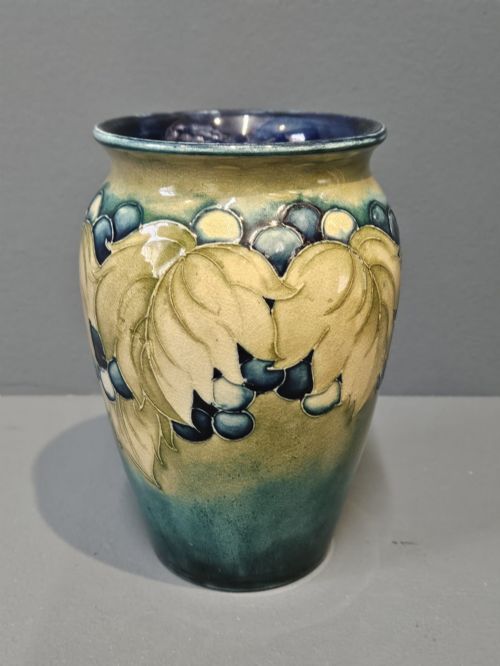
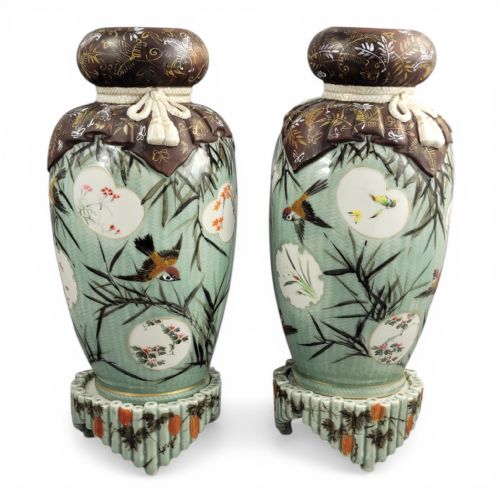
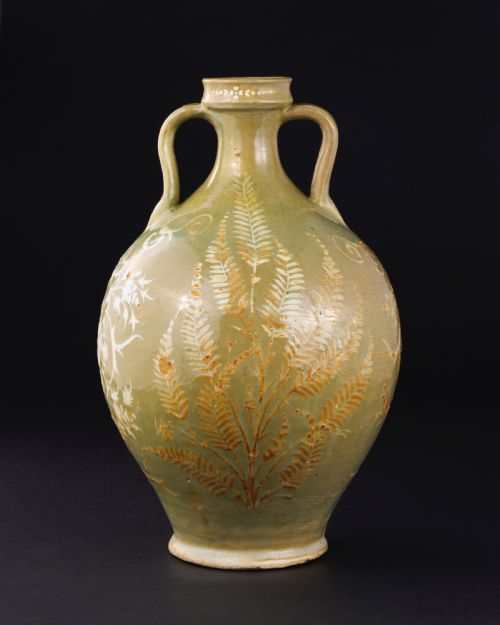
When you search for a celadon ceramic vase, you encounter vessels defined by characteristic grey-green glazes spanning multiple centuries and regions. The selection encompasses Chinese export wares, Japanese Seto porcelain, and Persian Safavid pottery alongside English Regency interpretations.
Most examples you meet take the form of traditional baluster vases, bottle vases, and decorative jars, with several pieces thoughtfully converted into table lamps. These objects range from Song Dynasty antiquity to 19th-century monumental designs and 1930s creations.
Makers such as Makuzu Kozan and Kato Sanhei represent the heights of craftsmanship found within this tradition. Buyers often select these items for their subtle coloration and sculptural weight, whether displayed plainly or mounted with brass and gilt bronze.
Factors determining quality
Quality in a celadon ceramic vase rests upon the depth, consistency, and texture of the green glaze itself. Superior vessels display an even tone with subtle crackle or smooth vitrification that interacts harmoniously with the underlying clay body.
The precision of form and the crispness of carved or moulded decoration separate ordinary production pieces from masterworks. Integration of metal mounts, such as gilt bronze or brass, also influences the overall refinement of the finished object.
Current listings feature porcelain and earthenware materials alongside metal mounts in brass and gold leaf, spanning the Song Dynasty to the 1930s.
Makuzu Kozan·Kato Sanhei·Moorcroft
The Celadon Ceramic Vase Glossary
- Celadon Glaze
- A family of transparent green ceramic glazes originating in East Asia. The colour results from iron oxide in a reduction kiln.
- Baluster
- A vase shape with a rounded lower body and a narrower neck. This form provides a stable base and graceful vertical sweep.
- Seto Porcelain
- Japanese ceramic ware produced in Seto region kilns. It encompasses diverse glazing traditions and fine body compositions.
- Safavid Dynasty
- An Iranian ruling house associated with Persian pottery production. Wares from this period display distinct regional aesthetics.
- Pâte-sur-Pâte
- A ceramic decoration technique where liquid clay is painted onto a body in successive layers. This builds up a low relief design.
Celadon Ceramic Vase: Frequently Asked Questions
How do I date an old celadon vase?
Dating relies upon examining the potting style, foot ring characteristics, and the specific tone of the glaze. Historical evidence from periods like the Song Dynasty or Qing Dynasty helps establish a comparative baseline.
Secondary indicators include metal mounts, maker marks, and whether the vessel shows signs of conversion into a lamp during later decades.
Are these vases suitable for holding water?
Many historical vessels function primarily as decorative objects rather than functional flower containers. Internal glaze integrity varies significantly across different centuries and manufacturing traditions.
Consulting individual descriptions ensures you understand the condition of the interior before introducing moisture or fresh botanicals.
Why are some celadon vases mounted as lamps?
Conversion into lighting became a popular practice during the nineteenth and twentieth centuries, particularly within European country houses. This allowed owners to repurpose fine Asian ceramics for modern domestic interiors.
These adaptations often incorporate brass or gilt bronze fittings that complement the original ceramic body without permanently damaging the structure.
How should I display a heavy ceramic vase?
Placement requires a stable, level surface capable of supporting the substantial weight of porcelain or earthenware. Positioning the piece away from high-traffic zones prevents accidental knocks.
Some exceptional examples arrive with matching original porcelain stands, which distribute weight and elevate the vessel safely.