



Collectable English Pottery
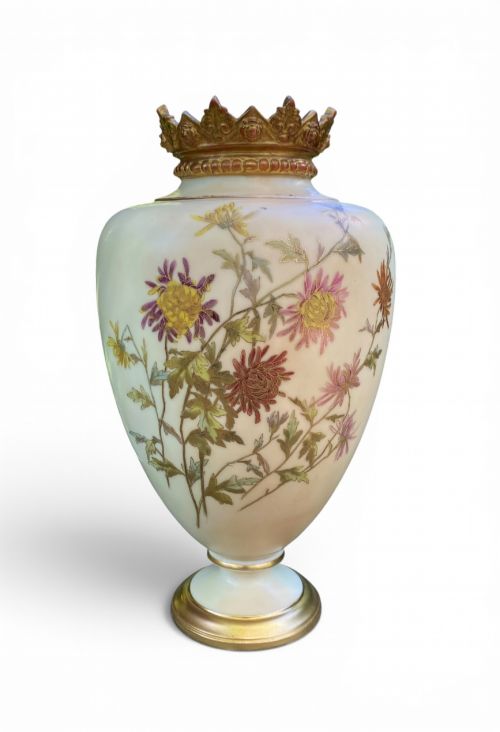
These pieces of collectable english pottery bring together centuries of domestic craft, ranging from Staffordshire figures to Moorcroft vases.
Collectable English Pottery
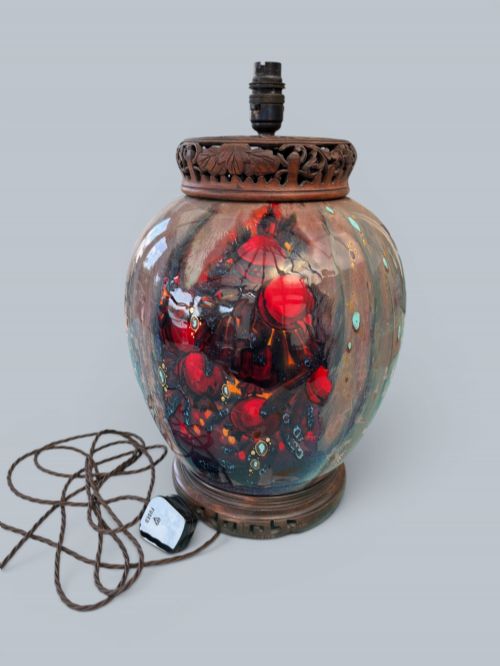
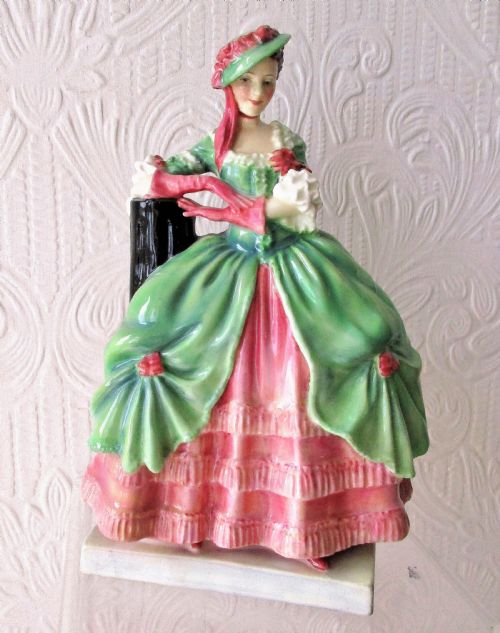
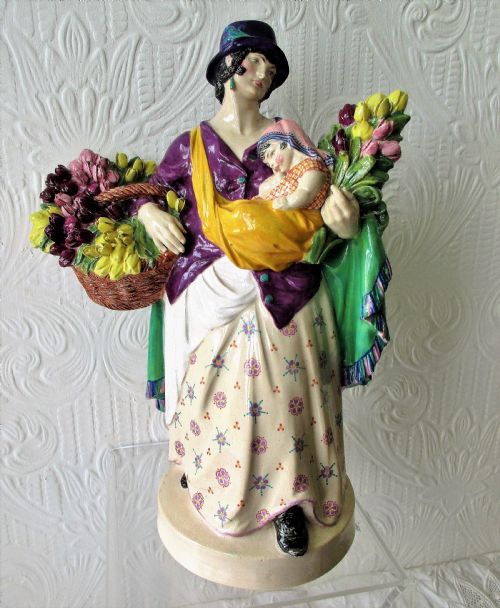
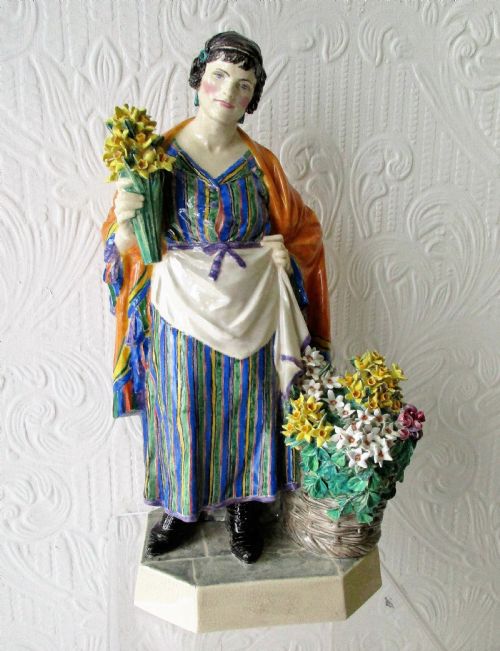
This selection spans utilitarian domestic wares and decorative objects produced across multiple eras, including Georgian, Victorian, and mid-twentieth-century periods. Buyers encounter a diverse array of forms, from studio pottery figurines and Toby jugs to lustre bowls and table lamps.
The most common items on this page are earthenware and porcelain vessels, alongside ceramic figurines depicting historical figures, animals, and literary characters. Pieces originate from established potteries and individual makers operating across England.
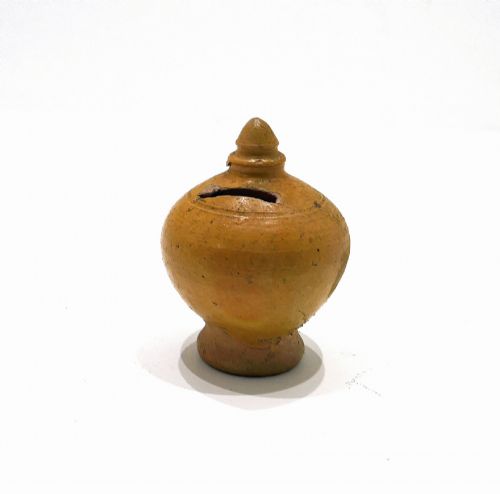
Vessels range from small miniature flower vases and money boxes to large fruit bowls and jardinieres. Each object reflects the prevailing aesthetic movements of its decade, encompassing styles from Arts and Crafts to Art Deco.
Materials and methods
Potters shaped native clays into utilitarian and decorative forms before applying lead, salt, or enamel glazes to seal the porous earthenware and bone china bodies. Surface decoration often involved hand-painted pigments, lustre finishes, and applied gold leaf accents.
Firing techniques varied from open kiln burns for early regional folk pottery to controlled high-temperature firings for fine porcelain and studio ceramics. Mould-casting dominated commercial production in Staffordshire and major factories, while studio potters relied on the potter's wheel.
Among the ceramic animals keeping watch on this page, Staffordshire snow leopards share space with a Jackfield pottery cow creamer.
Judgements of quality
Quality rests in the crispness of the moulded detail and the control evident in the hand-painting, particularly on painted porcelain and enamel-decorated figures. Pieces from known designers display superior balance in form and richer depth within the glaze layers.
The sophistication of the glaze chemistry separates standard factory output from exceptional studio pieces, seen in lustres and crystalline surfaces that demand precise kiln atmospheres. Condition and clarity of the original maker marks further distinguish finer examples.
Charles Vyse·Royal Doulton·Royal Worcester·Emma Shute·Daisy Makeig-Jones·Wedgwood·William Moorcroft·Pilkingtons Royal Lancastrian
The Collectable English Pottery Glossary
- Earthenware
- Porous pottery fired at lower temperatures, typically requiring a glaze to hold liquids. It forms the body of most traditional jugs and figures.
- Bone china
- A hard-paste ceramic incorporating bone ash, developed to produce a brilliant white and translucent body. It permits thinner walls than standard earthenware.
- Pearlware
- A refined fine earthenware developed in the eighteenth century with a bluish glaze that pooling in crevices creates a pale tint. It frequently appears on early Staffordshire figures.
- Lustre
- A metallic glaze application that produces an iridescent sheen when fired in a reduced oxygen atmosphere. Wedgwood and other makers utilised this technique for decorative bowls and vases.
- Salt glaze
- A ceramic finish achieved by throwing common salt into the kiln during high-temperature firing, creating an orange-peel texture. It appears on durable utilitarian vessels and specific studio pieces.
Collectable English Pottery: Frequently Asked Questions
How do I identify early Staffordshire figures?
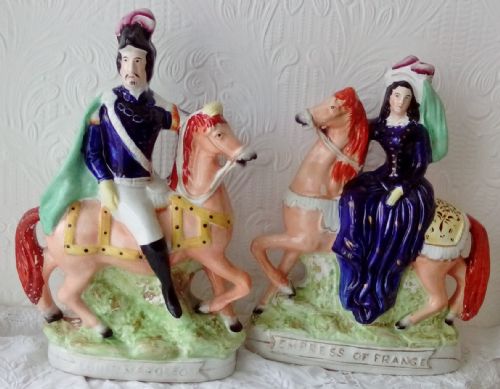
Early Staffordshire figures generally display distinct pearlware glazes, hollow bases, and hand-painted underglaze enamels rather than transfer-printed details.
Subjects often include literary characters, contemporary royalty, or animals moulded with a naive charm characteristic of nineteenth-century regional production.
How should I clean antique pottery?
Dust antique pottery gently with a soft, dry brush and avoid submerging pieces with visible hairline cracks or old repairs in water.
Harsh chemical cleaners strip delicate enamel decorations and gold leaf, so warm water and mild soap should be used sparingly only when necessary.
What distinguishes Moorcroft pottery?
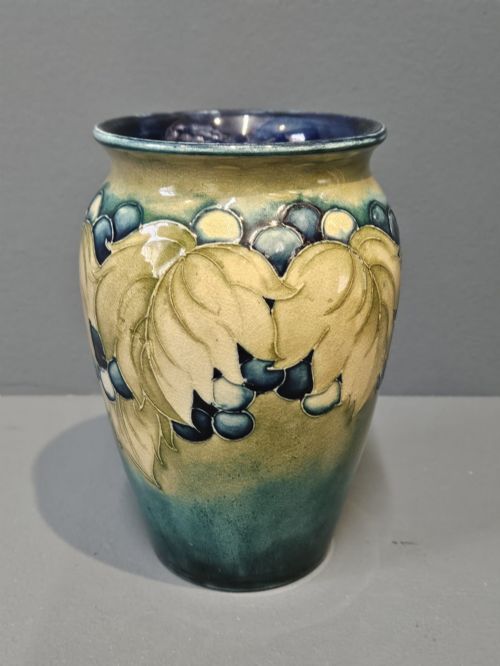
Moorcroft pieces are recognised by their tube-lined decoration, where raised clay outlines form borders for rich, blended enamel colours.
Most examples feature distinct impressed factory marks alongside the signature or initials of the designer painted on the base.