
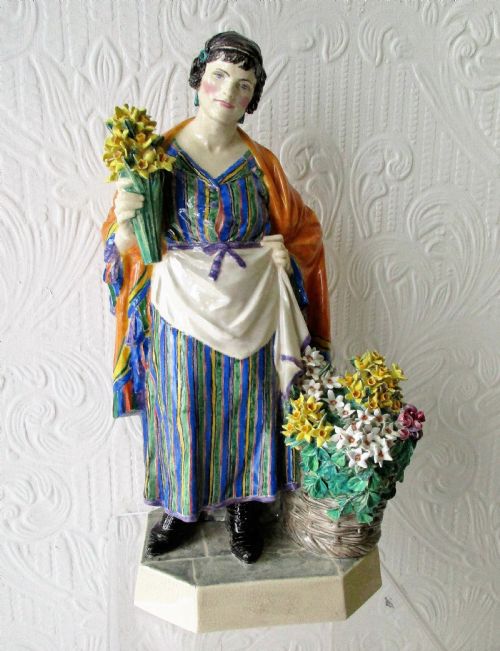


Art Deco Pottery Figure
An art deco pottery figure captures the distinct geometric styling of the interwar years through glazed earthenware, terracotta and porcelain.
Art Deco Pottery Figure
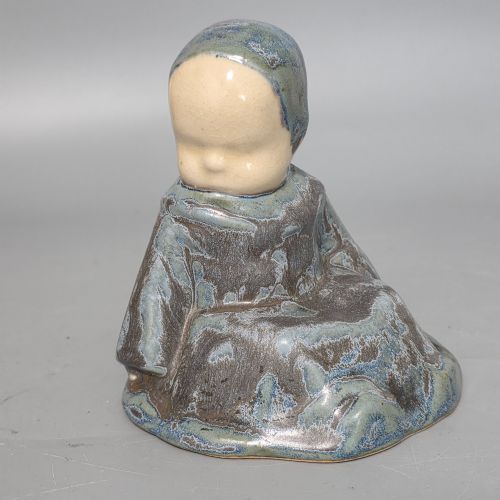
When you search for an art deco pottery figure, you encounter sculptural works that capture the distinctive artistic spirit of the interwar decades. The selection here predominantly spans the 1920s and 1930s, featuring studio pottery figurines, animal models, and decorative ceramics.
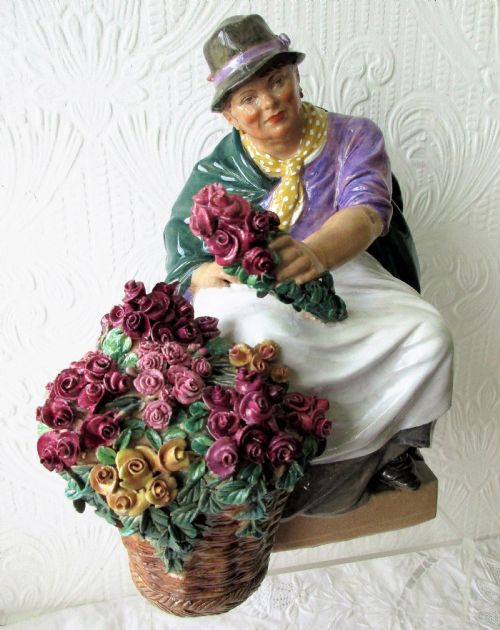
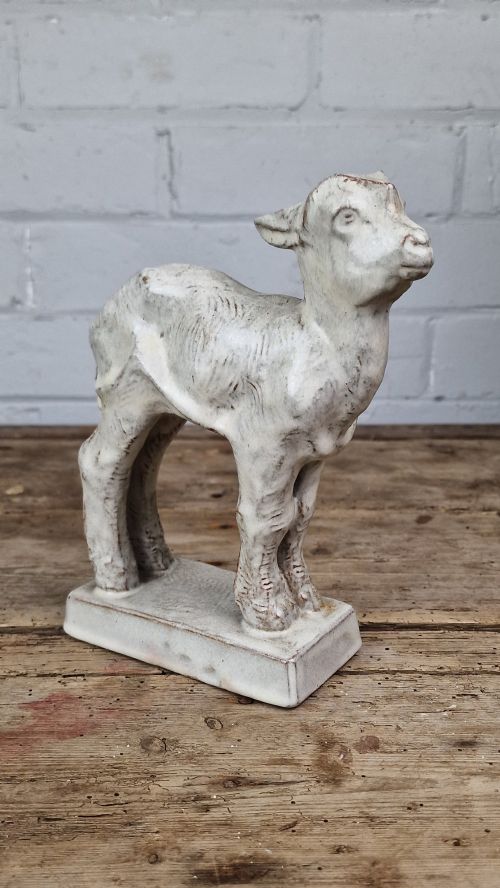
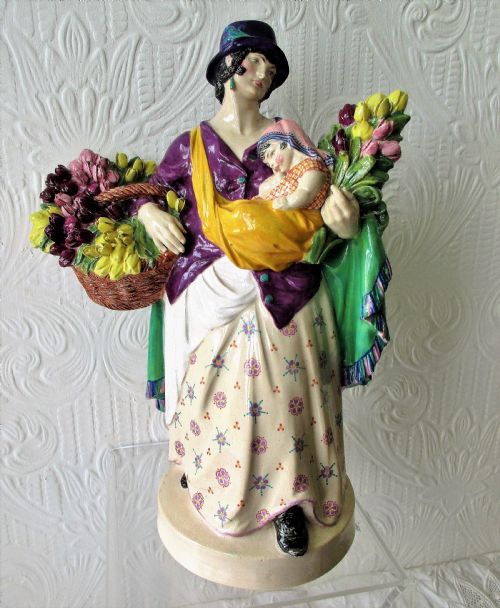
You meet diverse forms ranging from English studio pottery studies of street vendors to French earthenware cat models and Italian animal groups. These pieces represent both individual artist creations and productions from established European potteries.
How they were made
The makers of an art deco pottery figure utilised traditional ceramic bodies including earthenware, terracotta, stoneware, and porcelain, shaping them by hand or casting them in moulds. Artisans then applied specialised glazes, often incorporating coloured pigments, metallic highlights, or glass inserts to achieve characteristic surface sheens.
Art Deco Pottery Figure Retail Price Guide 2026
Typical asking prices for art deco pottery figure among the pieces listed under this phrase on Sellingantiques today, from the lower quarter to the upper quarter. They describe what is for sale here now, not the wider market.
The listings span earthenware, terracotta, stoneware, and porcelain, capturing multiple European studios from the 1920s and 1930s.
What varies in quality
The standard of an art deco pottery figure depends on the precision of the modelling and the sophistication of the glaze application. Superior examples demonstrate crisp definition in facial expressions and drapery, alongside controlled colour distribution across the ceramic surface.
The reputation of the maker and the complexity of the sculptural design further distinguish finer artistic achievements from standard commercial output.
Charles Vyse·Berthe Savigny·HB Quimper·Royal Copenhagen·Mabel Lucie Attwell Shelley·Guido Cacciapuoti
The Art Deco Pottery Figure Glossary
- Earthenware
- A porous pottery type fired at relatively low temperatures. It requires an impermeable glaze to hold liquids and display decorative colours effectively.
- Terracotta
- An unglazed or glazed fired clay body reddish-brown in colour. This material allows for sharp surface detail in sculptural models.
- Stoneware
- A dense ceramic fired at higher temperatures until vitrified. This process renders the material completely waterproof and exceptionally durable without requiring a glaze.
- Porcelain
- A fine, hard white ceramic produced from kaolin and petuntse fired at high heat. It is prized for its delicate translucency and smooth finish.
- Glaze
- A glassy coating fused to the ceramic body through firing. It seals the porous clay and provides colour, texture, and sheen.
Art Deco Pottery Figure: Frequently Asked Questions
What materials make up an art deco pottery figure?
These figures consist of ceramic materials such as earthenware, terracotta, stoneware, and porcelain.
Artists finished these clay bodies with coloured glazes, glass elements, or gilded highlights.
How do I date an art deco pottery figure?
Most pieces originate from the 1920s and 1930s, aligning with the height of the movement.
Maker marks, ceramic bodies, and stylistic traits help narrow the production period.
Where were these ceramic figures manufactured?
Production took place across England, France, Denmark, and Italy through studio potters and factories.
Each region contributed distinct stylistic preferences to the overall genre.
How should I display a ceramic figurine?
Place figures on stable surfaces away from high-traffic areas to prevent accidental knocks.
Ensure they sit out of direct sunlight to protect painted enamel and glaze surfaces.