


English Studio Pottery
English studio pottery brings together individual artistic vision and tactile ceramic forms that elevate any room.
English Studio Pottery
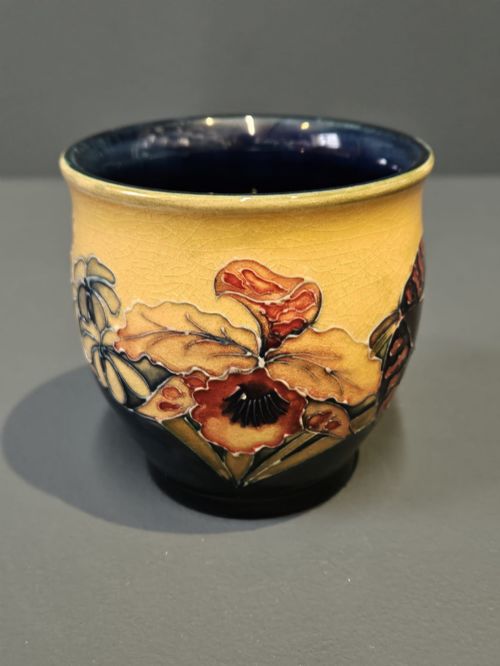
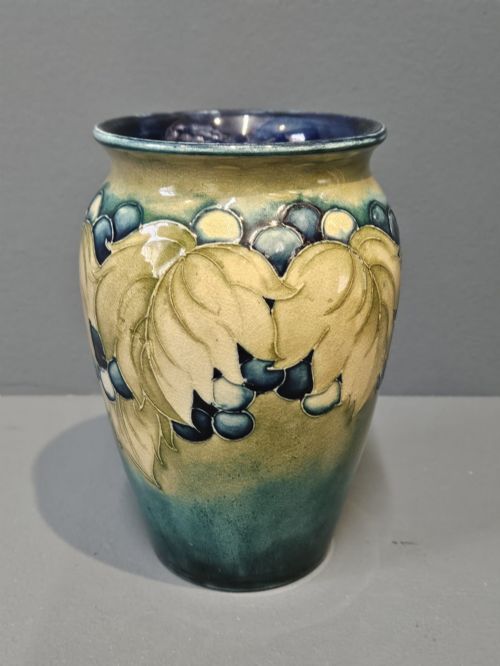
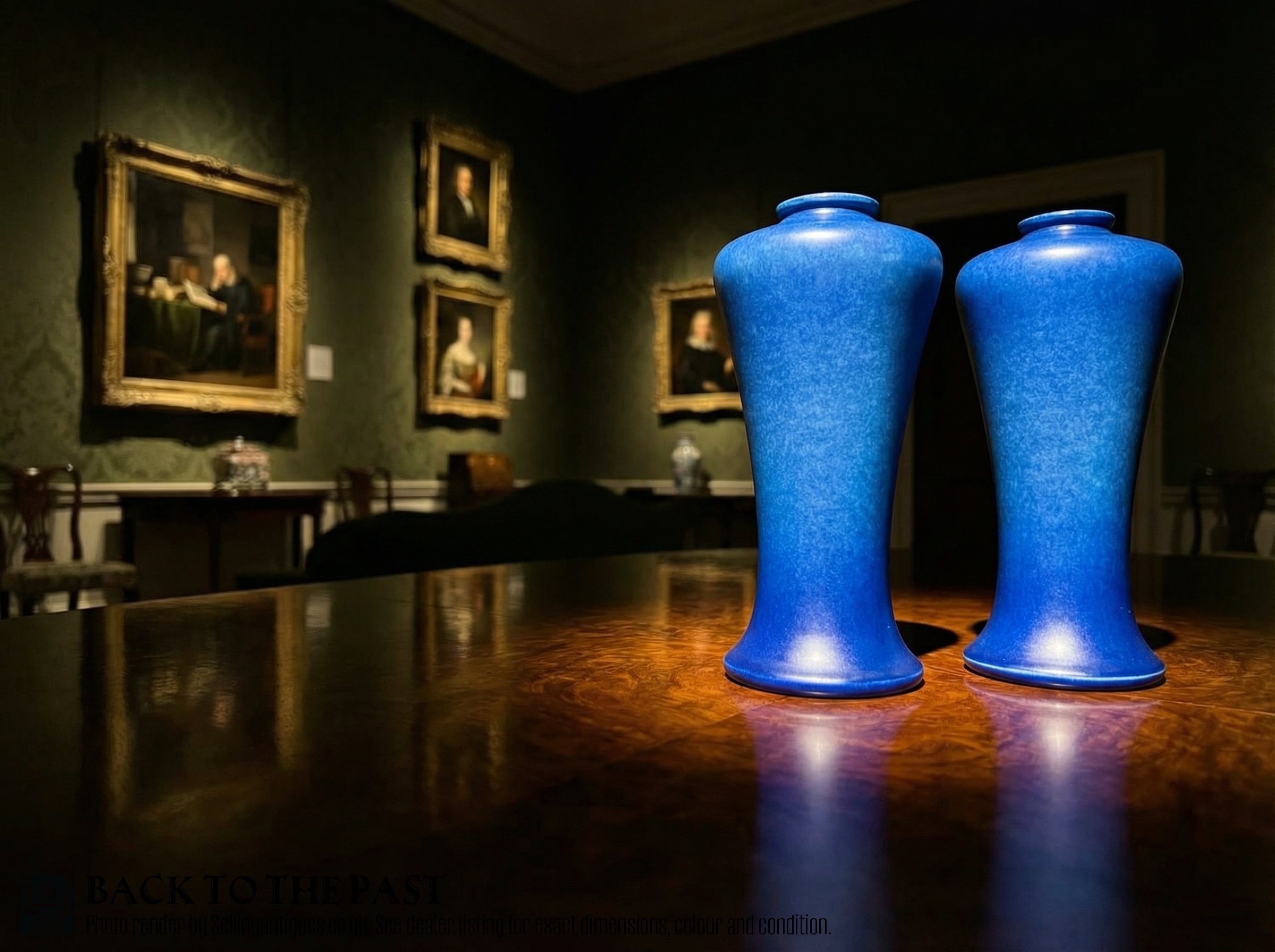
When you search for English studio pottery, you encounter distinct individual pieces ranging from the late nineteenth century through the interwar decades. The selection centres on decorative jugs, varied vases, and modelled ceramic figurines reflecting movements from Arts and Crafts to Art Deco.
The most common pieces you meet on this page are glazed earthenware vessels and sculptural figures created by prominent makers and potteries. These works showcase the transition from Victorian aesthetic ideals toward mid-century modern sensibilities and distinct crystalline or lustre surfaces.
Materials and construction methods
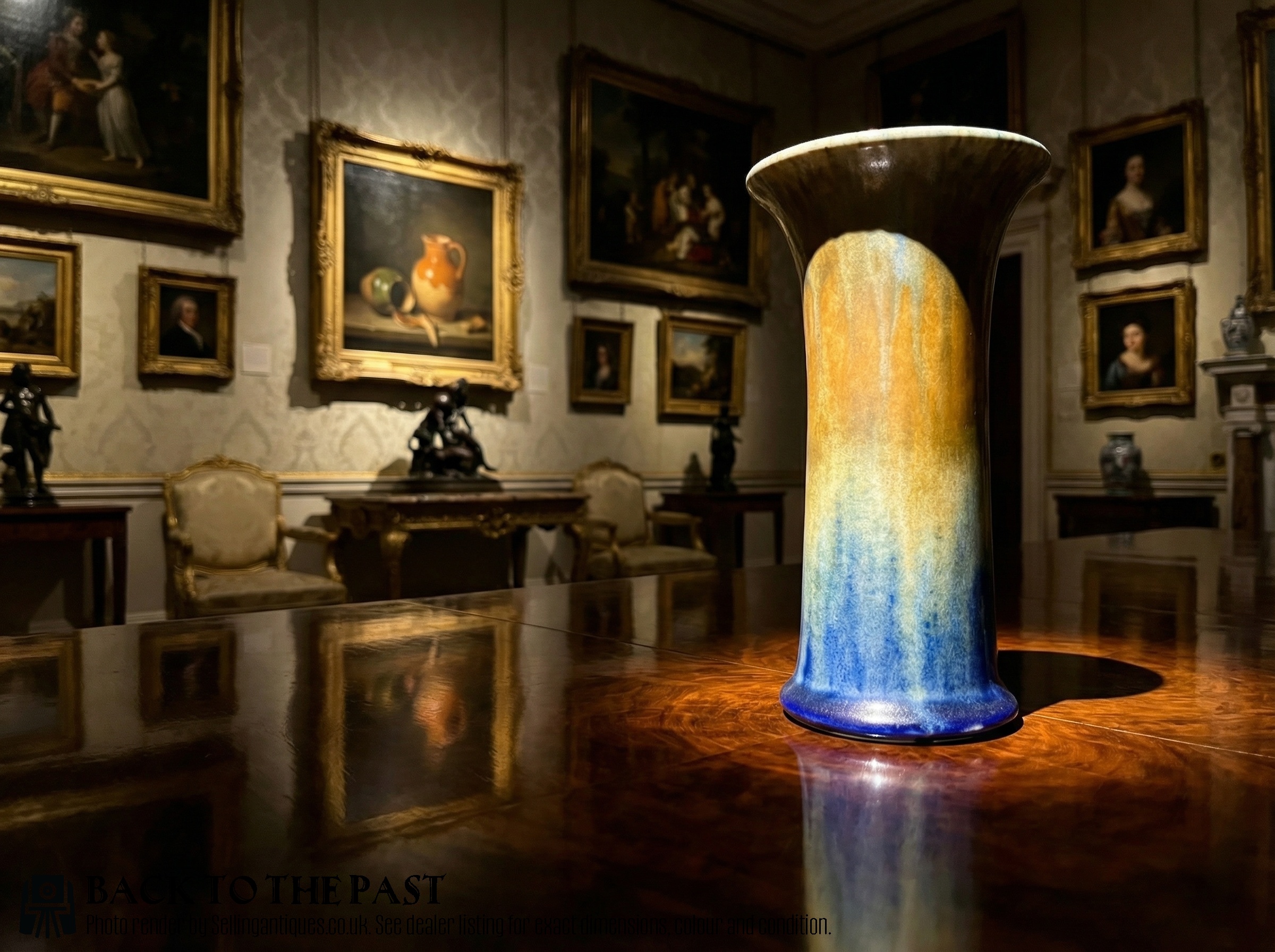
These pieces rely primarily on earthenware bodies shaped by hand or thrown on the wheel before receiving careful applications of glaze. Potters utilised specialised metallic lustre and crystalline glazes that shifted during firing to produce unique surface patterns.
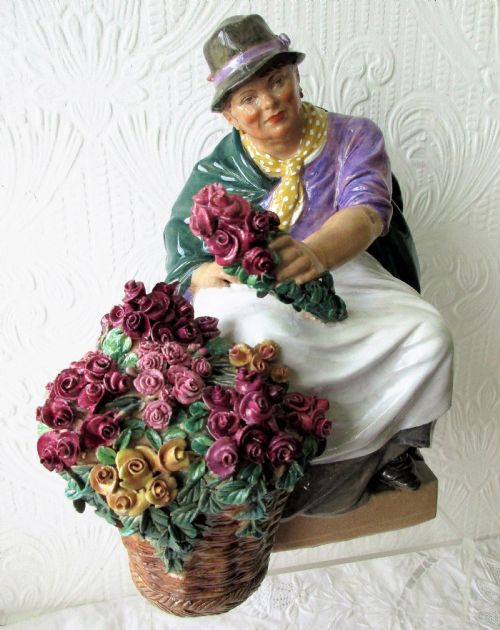
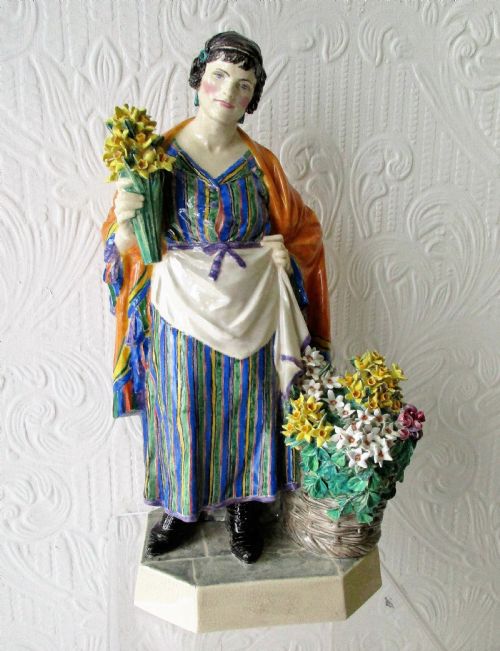
Makers integrated sculpted details into figurines like the Piccadilly Rose Woman and applied slip or botanical motifs onto vessels such as the Elton sunflower jugs. The interplay between the raw ceramic base and the fluid glaze finish defines the physical presence of each item.
English Studio Pottery Retail Price Guide 2026
Typical asking prices for english studio pottery among the pieces listed under this phrase on Sellingantiques today, from the lower quarter to the upper quarter. They describe what is for sale here now, not the wider market.
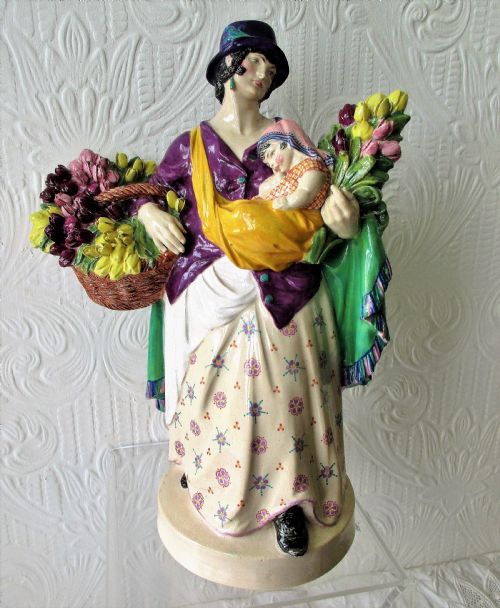
Charles Vyse immortalised the flower-sellers of interwar London in clay, ensuring perpetual blooms of porcelain roses and ceramic tulips.
Judging quality in studio ceramics
Quality rests upon the control and chemistry of the glaze, where controlled crystalline growth or even lustre distribution separates exceptional pieces from simpler productions. The depth of the glaze layer and its interaction with the underlying ceramic body reveal the maker's technical mastery.
Sculptural definition dictates the value of figurines, where hand-painted surface details and crisp modelling distinguish superior examples. A well-executed form maintains balanced proportions and harmony between the decorative surface and the underlying clay.
Charles Vyse·Sir Edmund Elton·Richard Joyce·Ruskin Pottery·Moorcroft·Pilkingtons Royal Lancastrian
The English Studio Pottery Glossary
- Crystalline glaze
- A specialised ceramic finish containing zinc silicates that form visible crystal flowers during cooling. This unpredictable effect requires precise kiln control.
- Earthenware
- A porous pottery body fired at lower temperatures than stoneware or porcelain. It serves as the primary base for many glazed decorative objects.
- Lustre glaze
- A metallic film applied to the fired ceramic surface to produce an iridescent sheen. Richard Joyce utilised this technique on Royal Lancastrian vessels.
- Arts and Crafts
- A design movement valuing handcraftsmanship and traditional materials over industrial mass production. It heavily influences late nineteenth-century studio ceramics.
English Studio Pottery: Frequently Asked Questions
What defines English studio pottery?
English studio pottery consists of independent ceramic works produced by individual artists or small potteries rather than large industrial factories. These items span decorative vases, jugs, and modelled figures that emphasise unique artistic expression.
Created primarily during the late Victorian, Arts and Crafts, and Art Deco periods, these pieces showcase experimental glazes and hand-modelled forms. Each item reflects the distinct vision of its maker.
How do I identify a Charles Vyse figurine?
Charles Vyse figurines typically depict contemporary London street characters and figures modelled in glazed earthenware. Works like the Piccadilly Rose Woman and The Tulip Woman exhibit detailed hand-painting and characterful expressions characteristic of his studio.
These pieces emerged from his London studio during the 1920s and 1930s. They represent a pinnacle of British ceramic sculpture from the interwar period.
What is crystalline glaze?
Crystalline glaze is a complex ceramic finish that allows distinct crystal structures to grow across the surface during the kiln cooling process. Potters must carefully manage chemical compositions to encourage these decorative flower-like formations. Nooks and variations in the glaze make every crystalline vessel entirely unique. Ruskin Pottery pieces frequently highlight this challenging technique.
How should I display these ceramic pieces?
Display studio pottery in stable locations away from direct foot traffic where adequate lighting can highlight surface textures and glaze variations. Placing vessels on plain surfaces allows the intricate details of crystalline or lustre finishes to stand out.
Ensure that shelves or cabinets support the weight of earthenware objects securely. Proper spacing between figurines and vases lets each individual piece command attention.
How do I care for antique studio pottery?
Care for antique studio pottery by dusting surfaces gently with a soft, dry cloth and avoiding harsh chemical cleaning agents. The porous nature of older earthenware and delicate glaze layers require careful handling to prevent damage.
Keep pieces out of direct sunlight to protect painted colours and glaze stability over time. Stable indoor humidity levels help preserve the ceramic body.