



Victorian Stoneware Planter
These Victorian stoneware planters bring dense, weighty character to patios and orangeries, built to hold large greenery with industrial strength.
Victorian Stoneware Planter
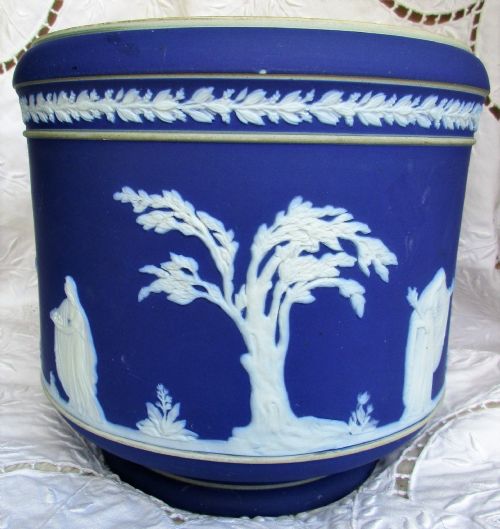
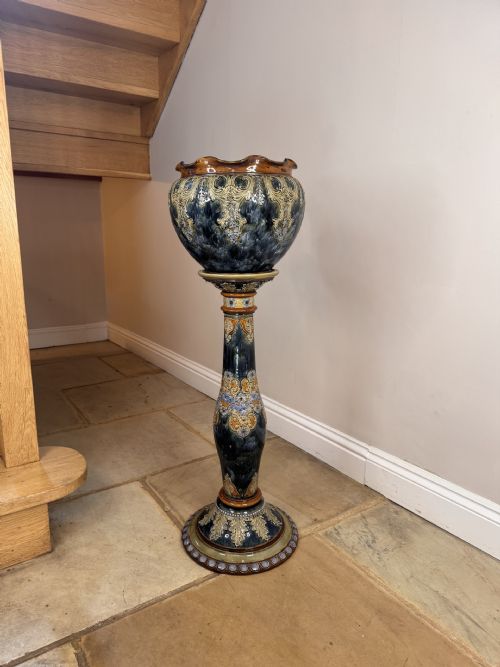
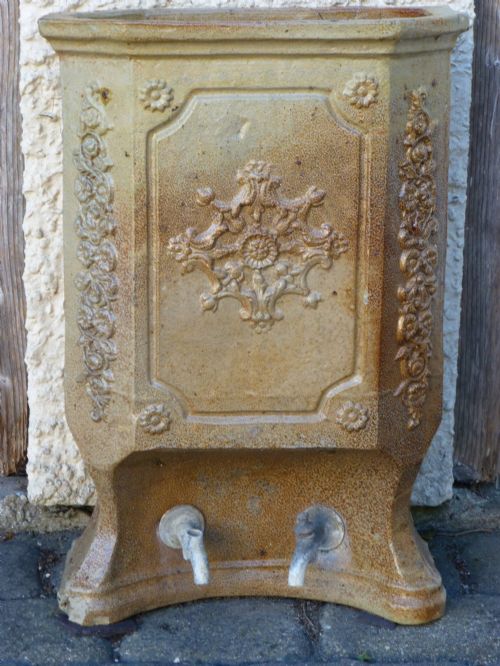
When you search for a victorian stoneware planter, you encounter robust garden vessels and indoor jardinieres designed for weighty plants and domestic greenery. The forms span nineteenth century salt glazed garden urns, French filtration fountains adapted for planting, and grand pedestals.
Most pieces on this page stem from the nineteenth century, including specific dates like eighteen eighty and eighteen seventy. Makers such as Doulton Lambeth, Doulton Burslem, and William Adams & Sons shape the selection alongside French country and Victorian arts and crafts aesthetics.
Makers shaped these utilitarian objects into ornamental jardinieres, log bins, and strawberry planters. Alongside the core stoneware, the evidence records ceramic, jasperware, terracotta, and brass elements.
Materials and technique
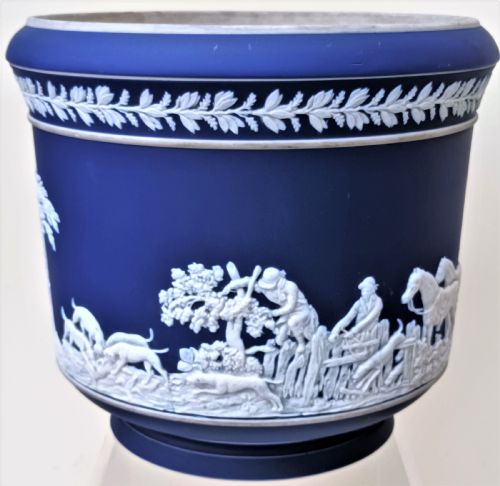
Potters utilised durable stoneware and dense terracotta to withstand frost and moisture in outdoor settings. Salt glazing added a tough, pitted surface texture during high-temperature firing, while jasperware introduced contrasting matte colour reliefs.
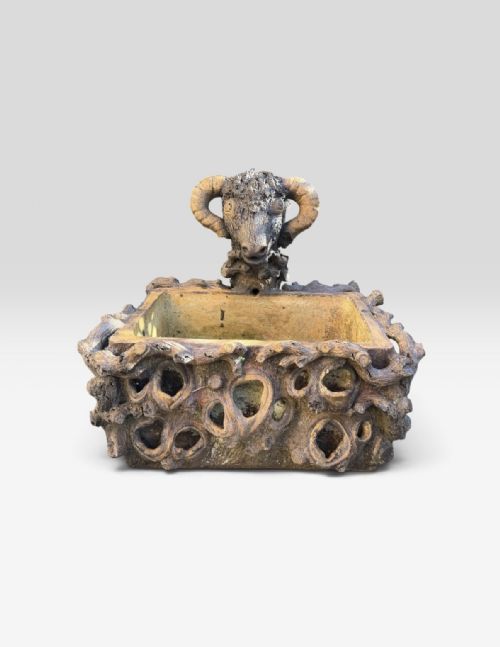
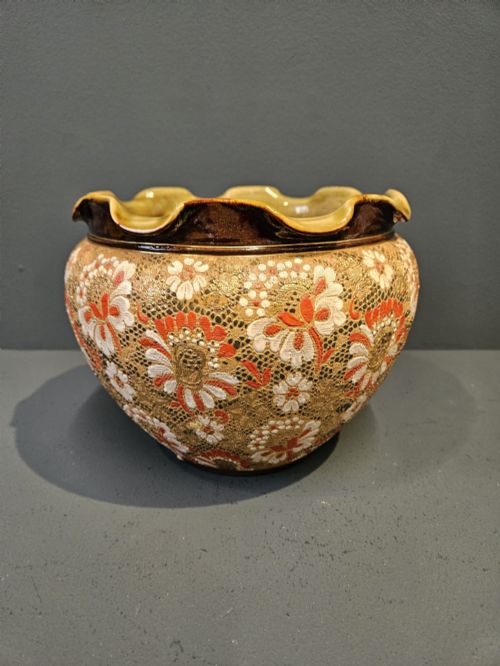
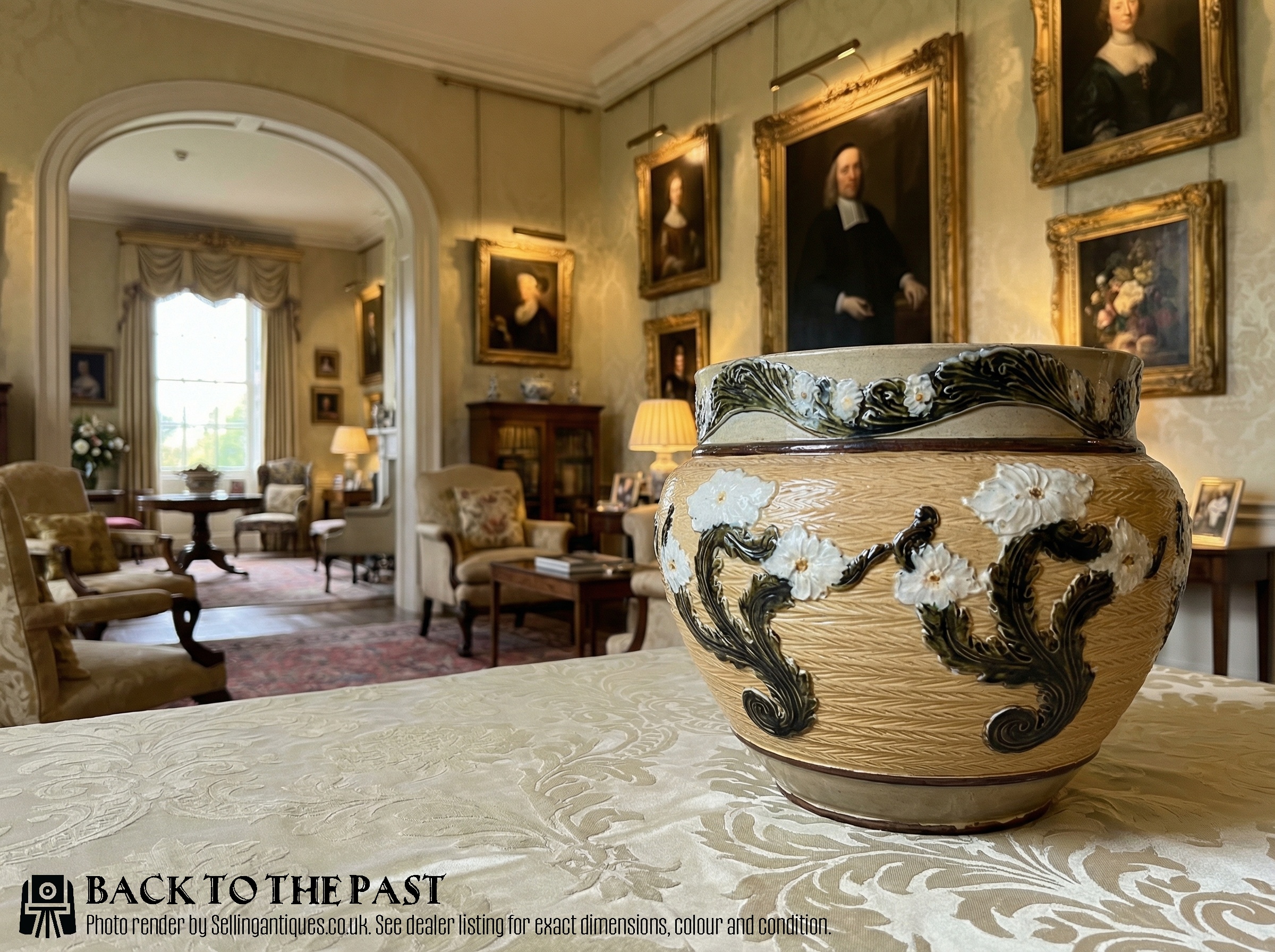
Makers decorated surfaces through applied slip, incised floral patterns in Slaterware, and faux bois modelling that mimicked natural tree bark. Brass mounts occasionally completed footbaths and jardiniere rims to provide structural contrast.
Victorian Stoneware Planter Retail Price Guide 2026
Typical asking prices for victorian stoneware planter among the pieces listed under this phrase on Sellingantiques today, from the lower quarter to the upper quarter. They describe what is for sale here now, not the wider market.
Nineteenth-century gardeners grew fresh strawberries indoors using stacked ceramic strawberry planters designed with protruding side pockets.
Judgements of quality
Quality rests upon the crispness of moulded ornament and the uniformity of the salt glaze across large surfaces. Crisp relief work on jasperware or detailed faux bois texturing distinguishes superior vessels from plain utilitarian pots.
The reputation of the pottery significantly influences standing, with pieces bearing marks from Doulton Lambeth or William Adams & Sons displaying superior finishing. Intact original pairs of garden urns and matching plinths command stronger architectural presence than solitary, worn items.
William Adams and Sons·Doulton Lambeth·Doulton Burslem·Royal Doulton·Ethel Beard·Copeland
The Victorian Stoneware Planter Glossary
- Stoneware
- A dense, vitreous ceramic fired at high temperatures until non-porous. This material resists frost, making it suitable for garden use.
- Salt Glaze
- A glossy, slightly textured finish achieved by throwing common salt into the kiln during firing. The sodium reacts with the clay body to form a durable coating.
- Jardiniere
- An ornamental pot or stand designed to hold a live plant or flower arrangement. These pieces often sit indoors on tables or floors.
- Faux Bois
- An artistic imitation of wood or tree branches rendered in ceramic, stone, or cement. This finish appears frequently on nineteenth-century garden containers.
- Slaterware
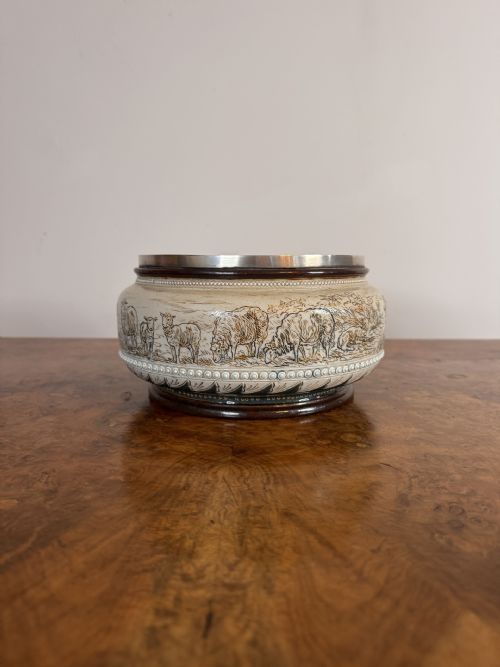
- A textured pottery technique involving incised patterns and applied slip over a roughened body. Royal Doulton popularised this style during the period.
Victorian Stoneware Planter: Frequently Asked Questions
Can I leave my victorian stoneware planter outside in winter?
Stoneware and salt-glazed ceramics tolerate cold weather well due to their vitrified, non-porous nature. However, severe frost can occasionally affect older terracotta or saturated vessels if left sitting in standing water.
Gardeners often elevate urns on plinths during freezing months to encourage drainage and prevent ice expansion from cracking the base.
How do I clean an old salt-glazed jardiniere?
Warm water and a soft brush remove most accumulated dirt and organic matter from deep salt-glazed textures without harming the ceramic body. Avoid harsh chemical cleaners that might strip historical patina or damage delicate blue jasperware reliefs.
Allow the piece to dry naturally after washing to inspect the original glaze and any maker stamps hidden beneath surface grime.
What is the difference between a jardiniere and a planter?
A jardiniere typically functions as an indoor decorative container designed to hold a potted plant inside a matching saucer or base. Planters often serve utilitarian outdoor purposes, accommodating direct planting in gardens or patios.
Nineteenth-century makers frequently blurred these definitions by producing frost-resistant stoneware bodies with high decorative ambitions suitable for both settings.
How do I identify a Doulton Lambeth piece?
Doulton Lambeth pieces usually feature impressed factory stamps, artist initials, and specific model numbers across the unglazed or salt-glazed base. The pottery employed specialist modellers and assistants who signed their work directly into the clay.
Look for crisp floral incising, Slaterware texturing, or rich cobalt blue tones characteristic of late nineteenth-century studio output.