

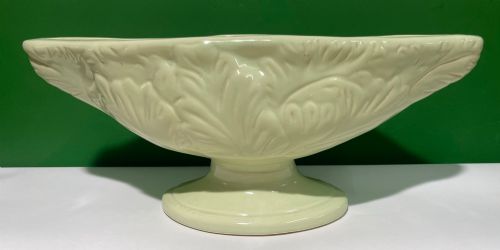
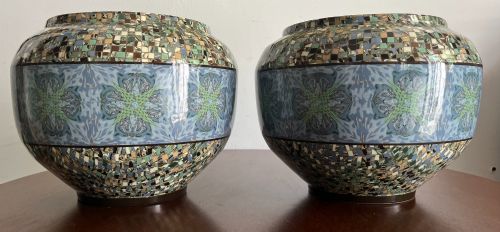

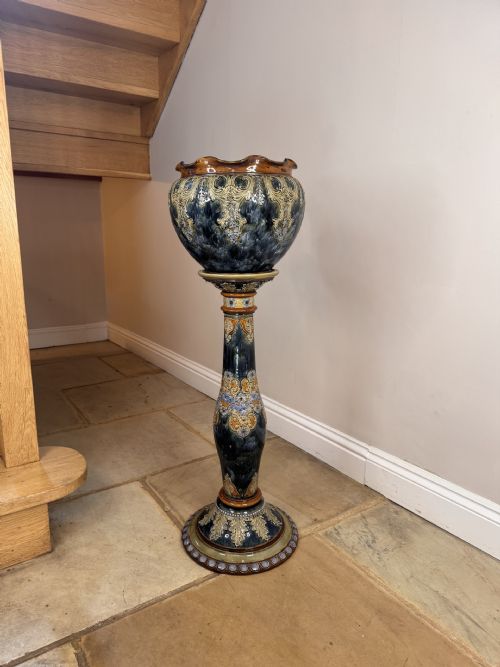
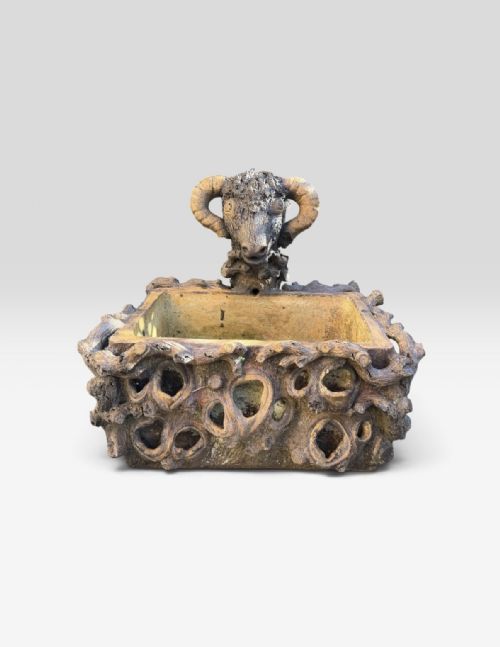
Glazed Ceramic Planter
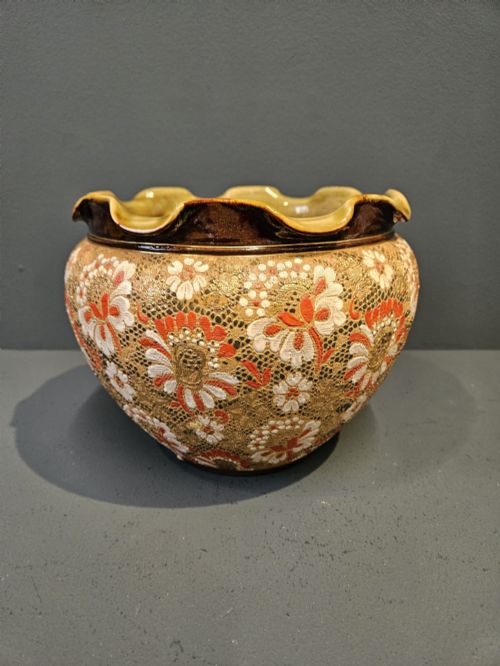
A glazed ceramic planter brings living greenery indoors with tactile nineteenth-century weight and rich surface colour.
Glazed Ceramic Planter
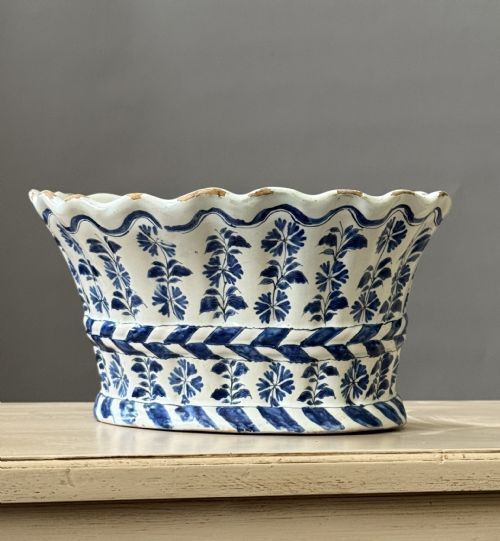
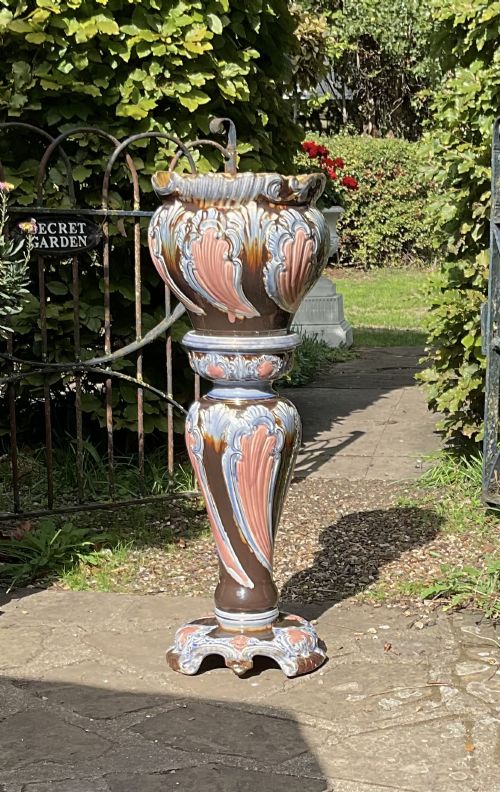
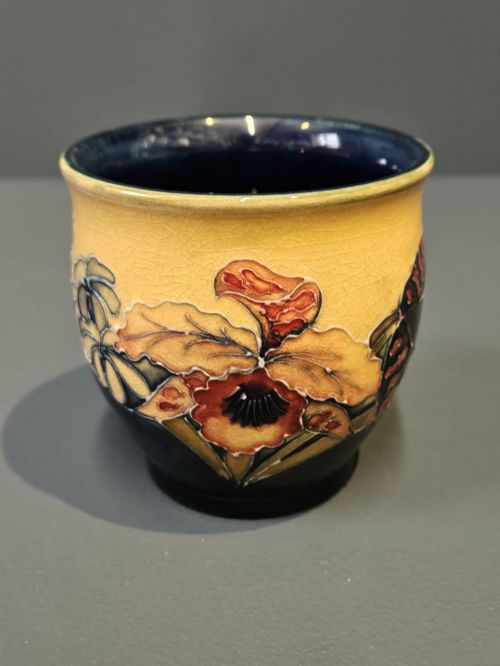
A glazed ceramic planter serves to house growing plants while adding an ornamental focal point to interiors and gardens. These pieces range from compact earthenware wall pockets and orchid vases to large jardinières resting on figural pedestals.
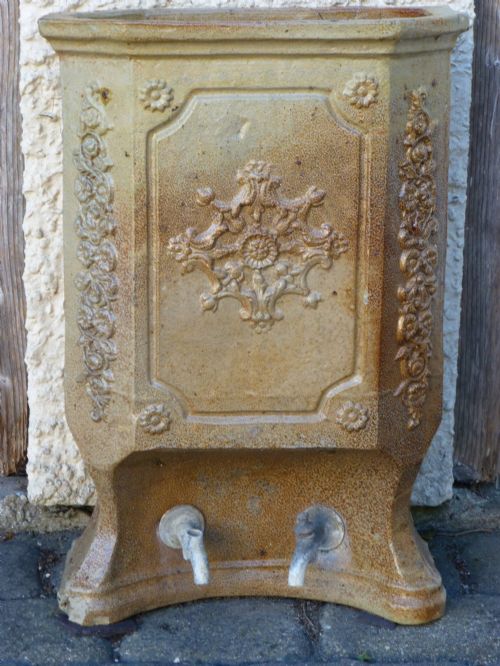
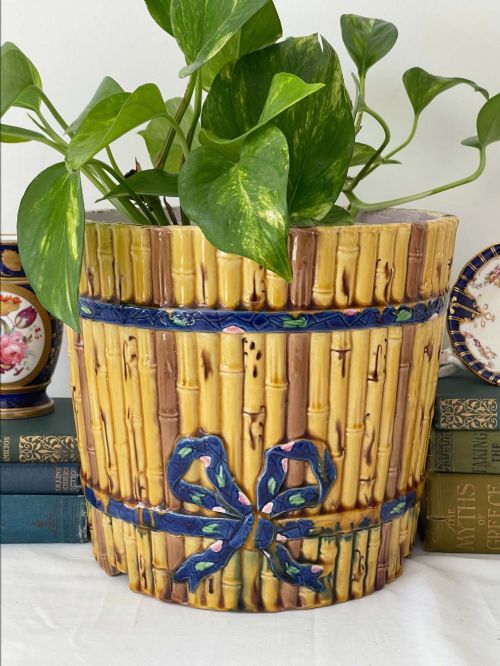
The selection here draws heavily from nineteenth-century production, incorporating Victorian majolica, salt-glazed stoneware, and French provincial terra cotta. Makers applied these vessels for everything from indoor foliage to dairy salting before collectors repurposed them for modern display.
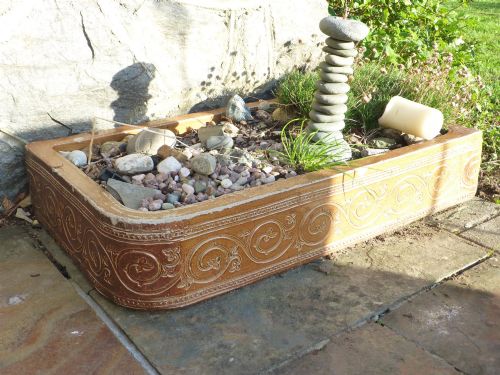
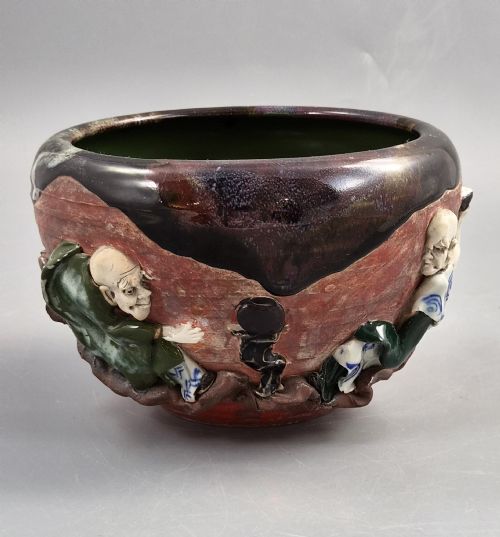
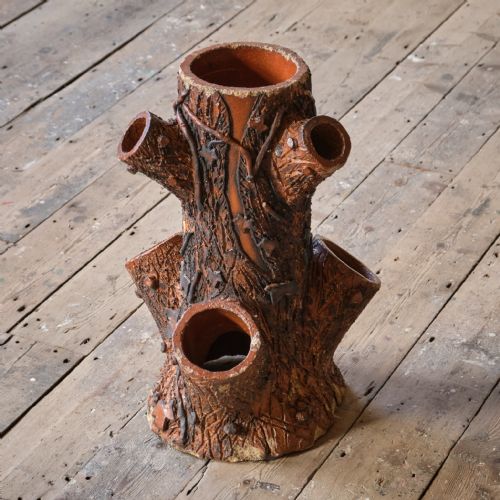
Forms vary from naturalistic faux bois strawberry pots modelled like tree trunks to classical garden urns and slip-decorated troughs. Buyers encounter English art pottery alongside continental European majolica and Asian export ceramics.
Materials and Construction
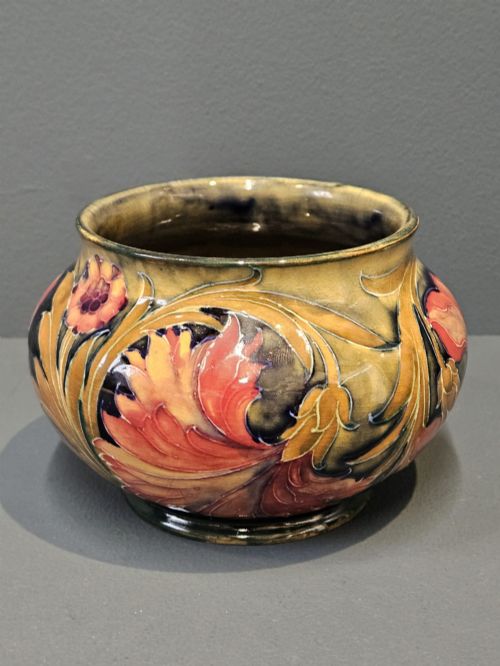
Potters shaped these vessels using earthenware, stoneware, and terra cotta, frequently building naturalistic textures by hand or throwing them on a wheel. Surface decoration relies upon liquid clay slips, colourful majolica lead glazes, and salt-glazing methods that fuse sodium vapour to the clay body during firing.
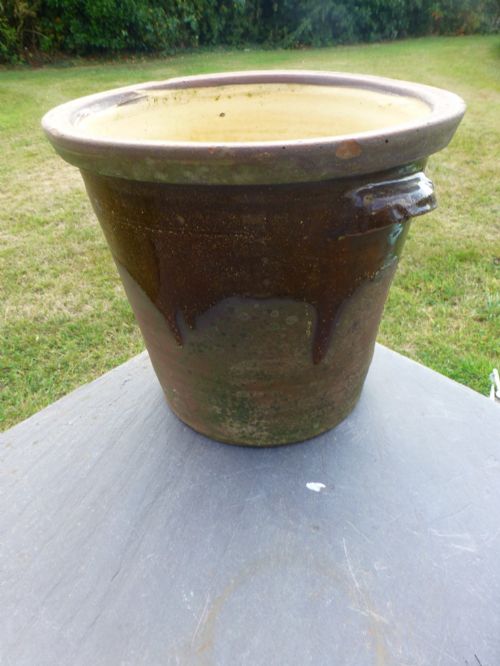
Specialised techniques such as drip-glazing, lustre application, and moulded relief work create the glossy, impermeable finishes seen across the inventory. Kiln temperatures determined whether the body matured into porous earthenware or vitrified stoneware.
Glazed Ceramic Planter Retail Price Guide 2026
Typical asking prices for glazed ceramic planter among the pieces listed under this phrase on Sellingantiques today, from the lower quarter to the upper quarter. They describe what is for sale here now, not the wider market.
Several nineteenth-century potters painstakingly sculpted clay to look like logs so gardeners could grow strawberries inside fake tree trunks.
Distinctions in Quality
Quality rests upon the crispness of moulded relief decoration and the depth of the vitreous glaze rather than the mere age of the vessel. Superior pieces display controlled glaze flow, rich pigment saturation, and robust structural integrity without excessive kiln distortion.
The involvement of named potteries and identifiable artists elevates certain utilitarian pots into documented works of ceramic art. Well-potted bodies with intact drainage and harmonious proportions separate standard garden vessels from exceptional studio creations.
Guichard Carriès·Minton·Doulton Lambeth·Inoue Ryōsai·Royal Doulton·W.A. Adderley·Lauder Pottery·Doulton Burslem·Burmantofts·Clement Massier·Royal Worcester·Julius Dressler
The Glazed Ceramic Planter Glossary
- Majolica
- Low-fired earthenware coated with an opaque white tin glaze and painted with metallic oxide colours. This technique flourished during the Victorian era for brightly coloured garden ornaments and jardinières.
- Salt-Glazed Stoneware
- Dense pottery produced by throwing common salt into the kiln during high-temperature firing, creating a pitted orange-peel surface texture. It resists moisture and weathering effectively.
- Faux Bois
- Imitation of wood grain rendered in clay, popular in nineteenth-century garden containers designed to resemble rustic timber sections. Makers often moulded these for strawberry plants and ferns.
- Jardiniere
- Large ornamental ceramic pot designed to hold a plant or flower arrangement, frequently displayed on a matching pedestal stand. The term originates from the French word for gardener.
- Terra Cotta
- Porous, unglazed or slip-glazed brownish-red earthenware fired at lower temperatures. It is widely utilised for Mediterranean jars, garden urns, and confit pots.
Glazed Ceramic Planter: Frequently Asked Questions
How do I water plants safely in antique ceramic planters?
Many antique pots lack drainage holes or feature porous earthenware bodies that absorb moisture over time. Place a plastic liner or saucers inside the vessel to protect the historic ceramic from standing water and mineral deposits.
Allow the soil to dry adequately between waterings to prevent dampness from reaching the exterior glaze or unglazed clay walls.
Can I use these glazed ceramic planters outdoors?
Stoneware and salt-glazed pieces generally withstand outdoor conditions well due to their vitrified, non-porous bodies. Earthenware and terra cotta vessels remain vulnerable to frost expansion and should move indoors during freezing weather.
Check the specific clay density and glaze coverage of each individual piece before exposing it to permanent outdoor moisture.
What is the difference between a jardiniere and a vase?
A jardiniere is proportioned wider and deeper than a standard vase to accommodate potted plants and root systems directly. These vessels often include matching pedestals or sturdy bases designed to support heavy damp soil.
By contrast, vases focus on displaying cut stems with narrower neck openings and lighter structural profiles.