


Antique Indoor Planter
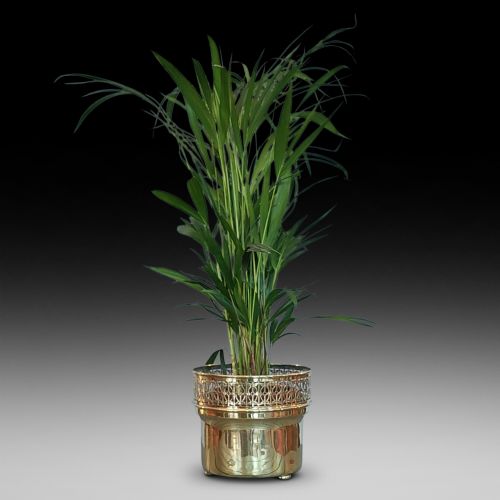
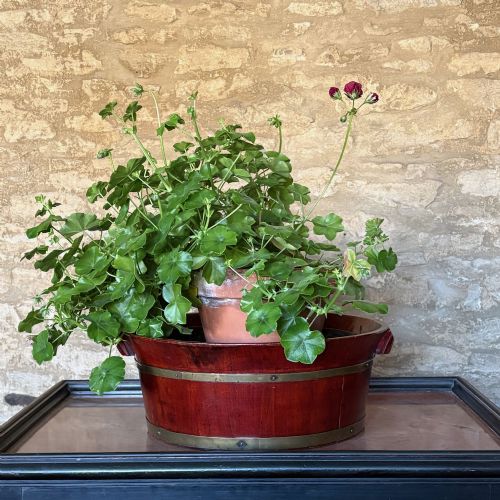
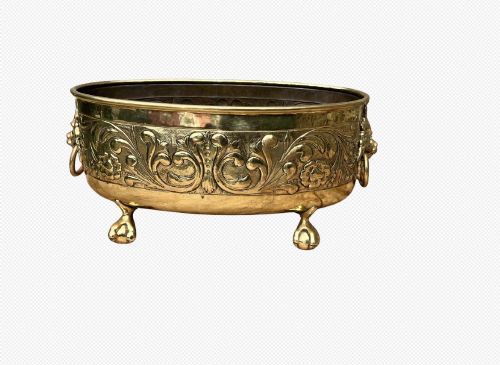
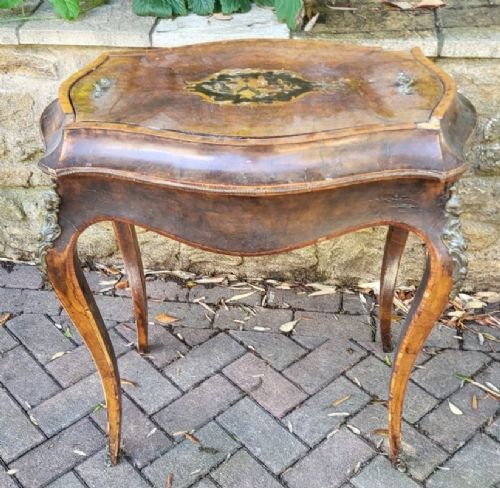
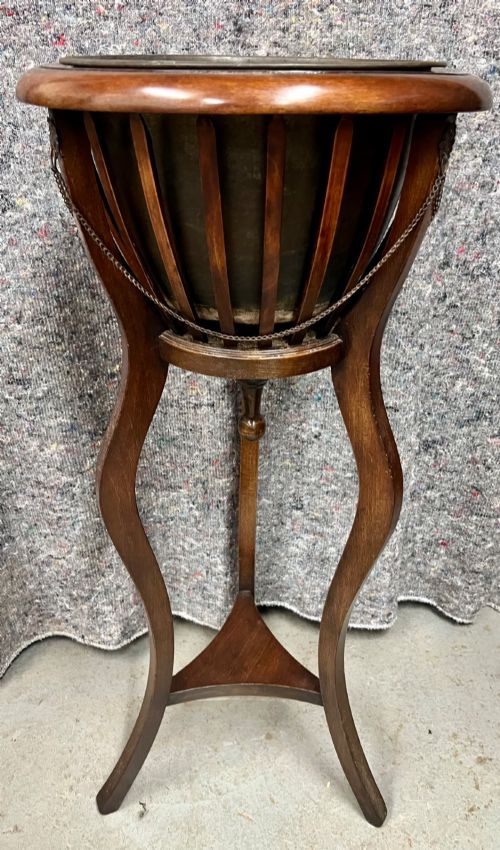
These antique indoor planter pieces span brass jardinières to mahogany stands, offering period botanic display for the home.
Antique Indoor Planter
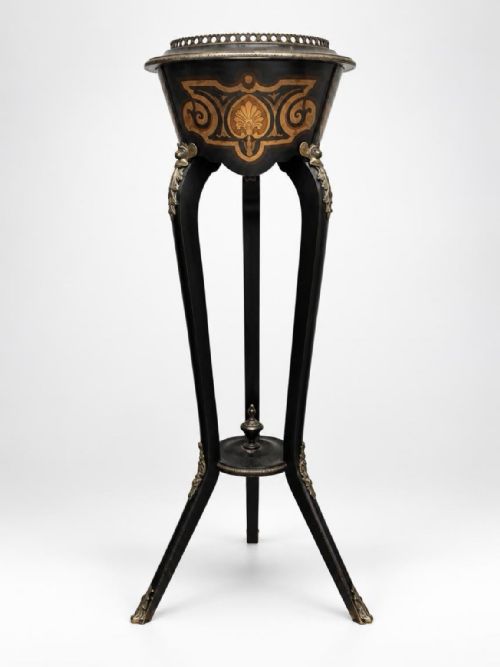
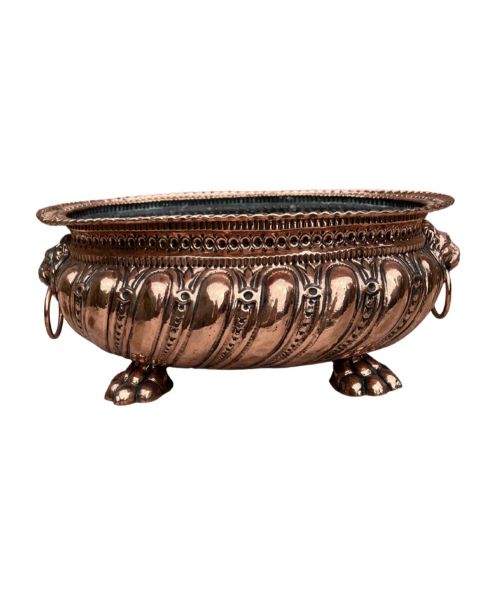
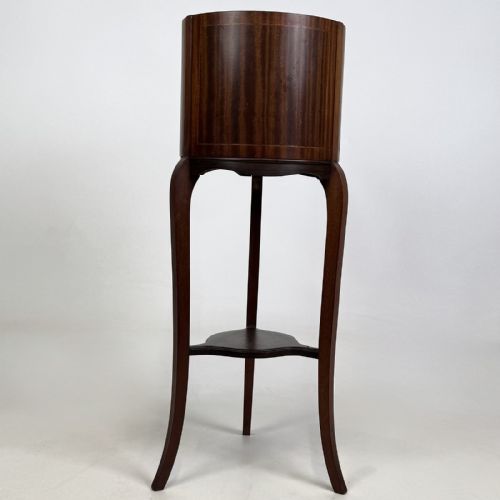
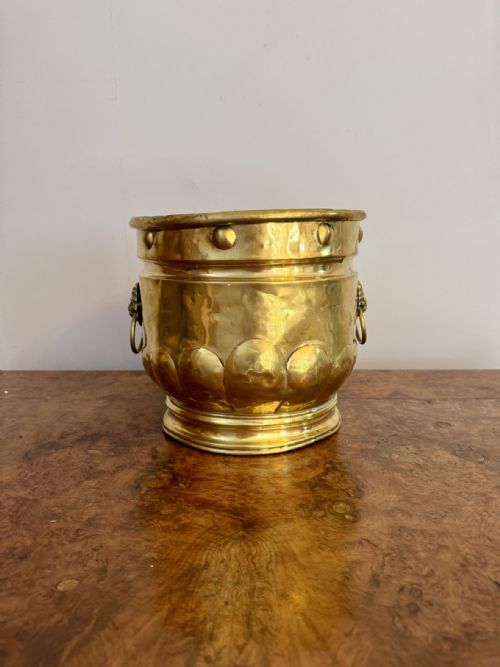
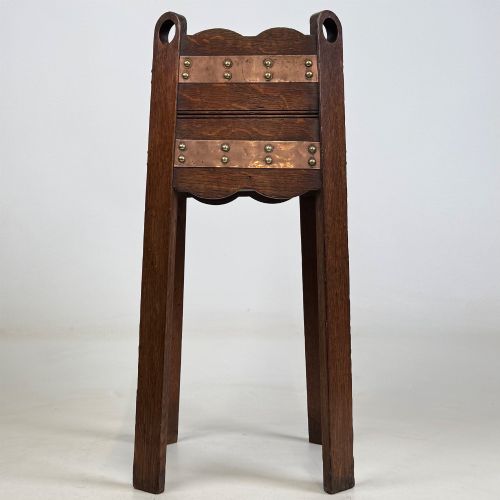
An antique indoor planter takes the form of jardinières, cachepots, and plant stands designed to house potted greenery within domestic rooms. These vessels range from table-standing brass vessels to tall mahogany and walnut plant stands with integrated liners.
Buyers meet Victorian and Edwardian examples most frequently on this page, often shaped by Arts and Crafts or Art Nouveau movements. Brass and copper vessels sit alongside ceramic cachepots and timber stands.
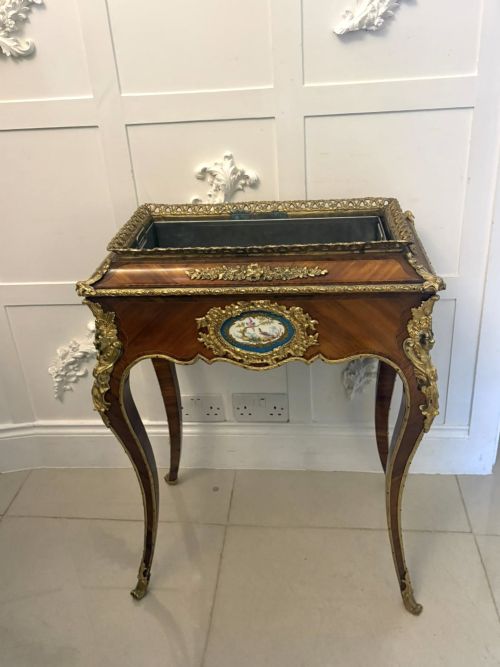
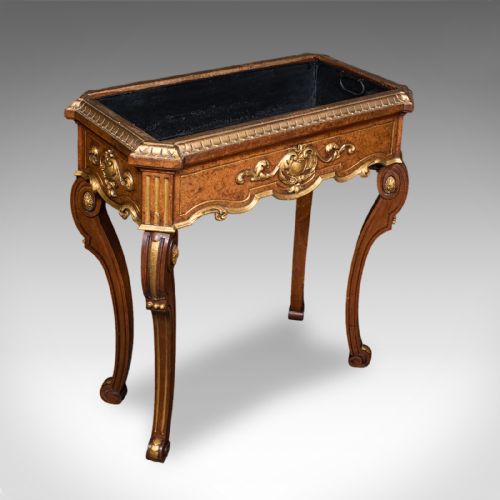
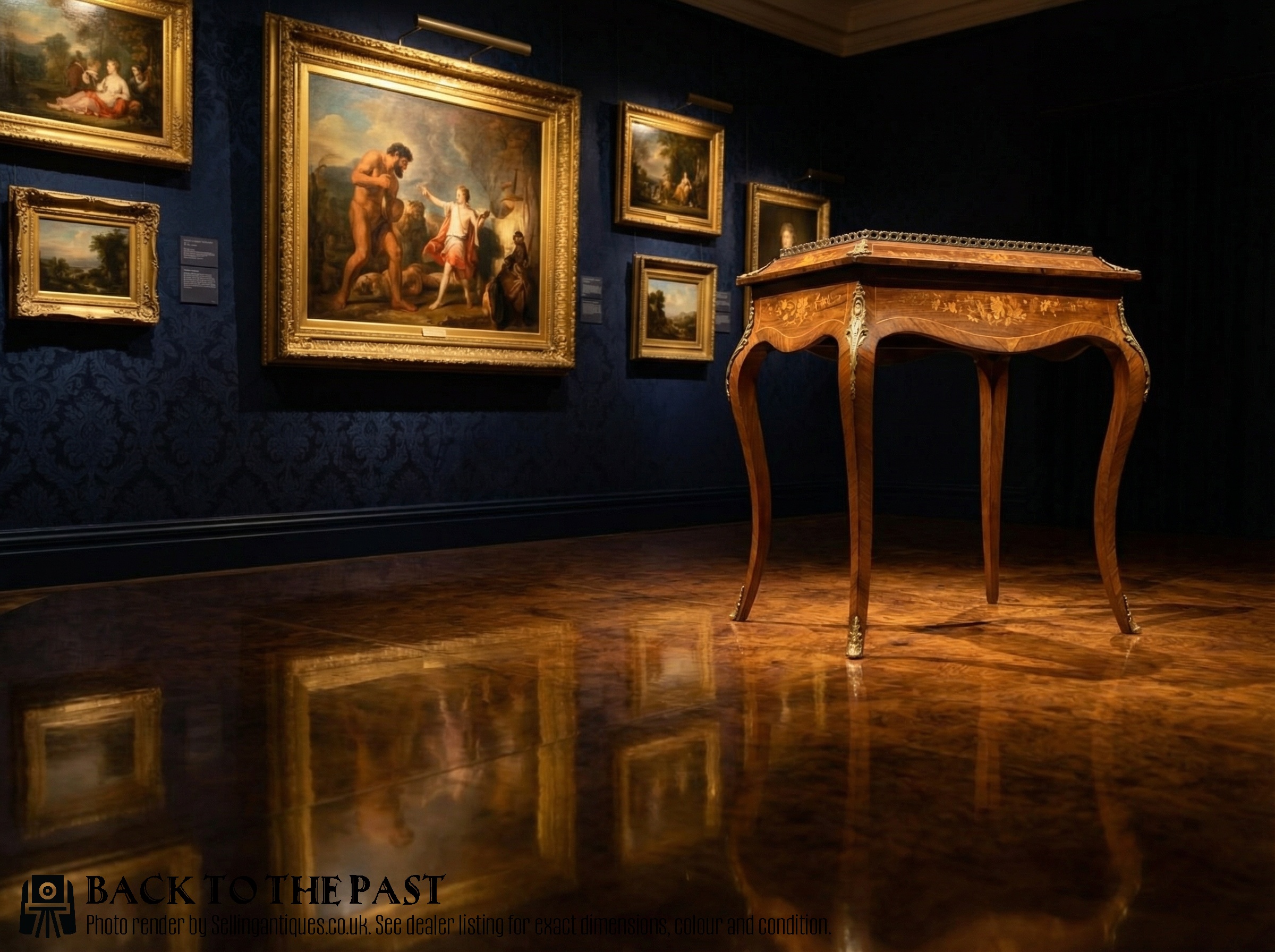
Origins stretch across English workshops, French ateliers, and Indian craft traditions. Forms vary from simple cylindrical brass bins to elaborate ormolu-mounted kingwood jardinière tables.
How they were made
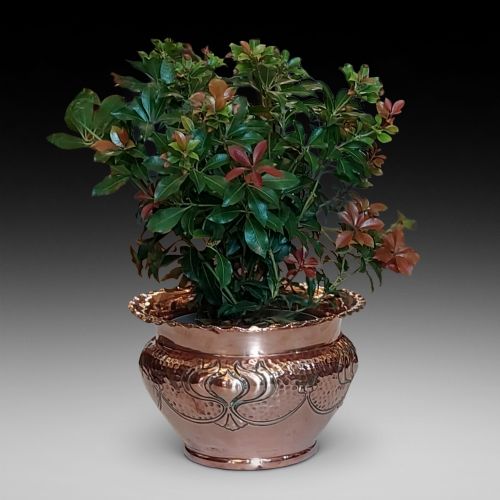
Makers shaped sheet brass and copper through hammering, piercing, and hand-engraving, producing textured surfaces with botanical or geometric motifs. Timber pieces relied on joinery in mahogany, walnut, satinwood, and box, frequently enhanced by marquetry, inlay, and ebonising.
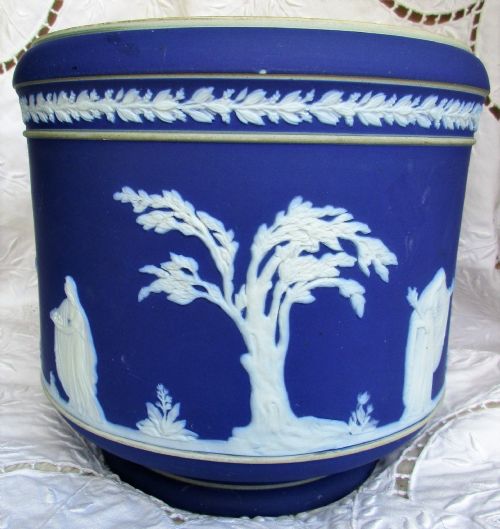
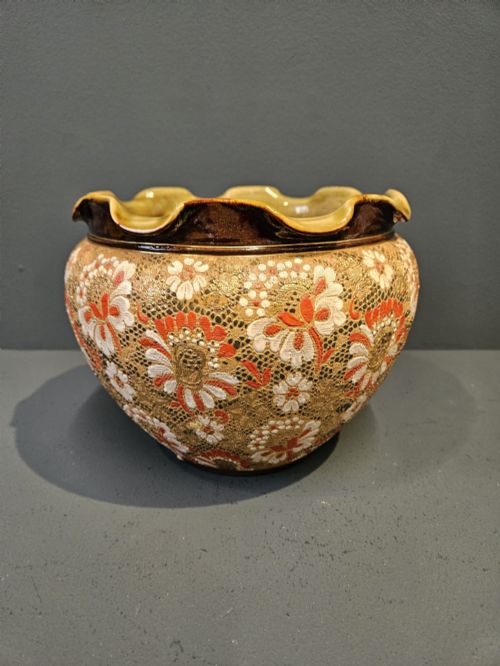
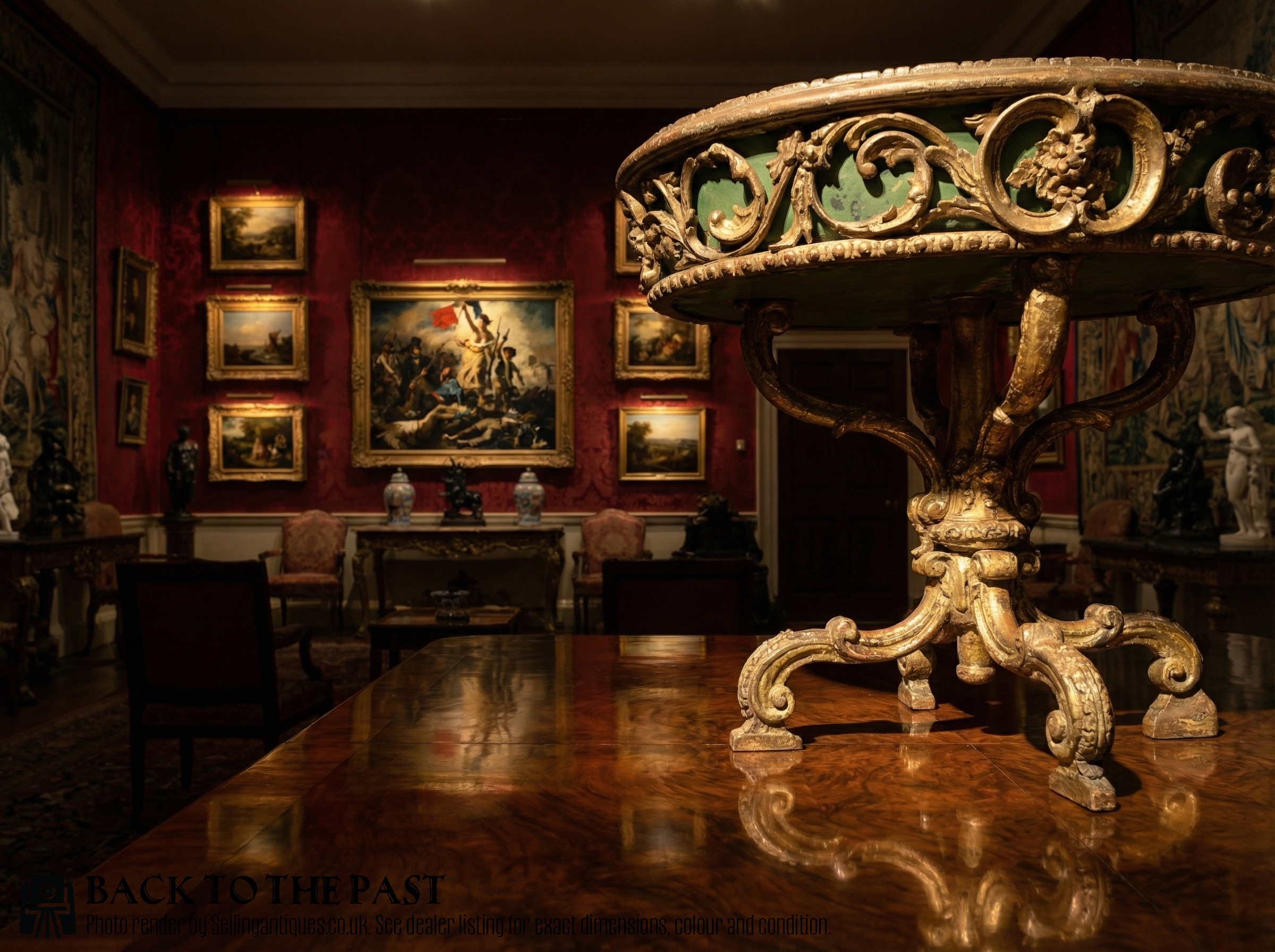
Ceramic examples utilised stoneware and majolica, finished with glazes or applied porcelain plaques. Ormolu mounts and giltwood carvings added ornamental detail to French-style walnut and kingwood frameworks.
Antique Indoor Planter Retail Price Guide 2026
Typical asking prices for indoor planter among the pieces listed under this phrase on Sellingantiques today, from the lower quarter to the upper quarter. They describe what is for sale here now, not the wider market.
Listings feature brass, copper, mahogany, stoneware, and porcelain across Victorian, Edwardian, and Arts and Crafts styles.
What varies in quality
Quality depends on the crispness of hand-hammered metalwork, the depth of floral engraving, and the precision of marquetry inlay on timber bodies. Heavier gauge metals and solid timbers separate robust vessels from lighter productions.
The integration of decorative elements dictates distinction, from finely pierced brass galleries to hand-painted porcelain plaques and cast ormolu mounts. Intricate wood carving and matching timber veneers elevate individual stands above standard utility forms.
William Adams And Sons·Doulton Lambeth·Royal Doulton·Enoch Wood And Sons
The Antique Indoor Planter Glossary
- Jardiniere
- An ornamental pot or stand for holding plants or flowers. These vessels form the core of indoor planting displays.
- Cachepot
- An ornamental pot used to conceal an ordinary flower pot. They protect furniture surfaces from water damage.
- Ormolu
- Gilded bronze used for decorative mounts on furniture and planters. It gained widespread popularity in French revival styles.
- Majolica
- A type of earthenware decorated with opaque coloured glazes. It provides bright surface colour on Victorian ceramic vessels.
- Marquetry
- Decorative patterns formed by fitting together small pieces of wood veneer. It adorns the surfaces of walnut and mahogany planters.
Antique Indoor Planter: Frequently Asked Questions
How were these planters used?
These planters housed potted ferns, palms, and flowering plants to bring domestic greenery into Victorian and Edwardian living spaces. Many featured metal liners to catch water and protect interior furnishings.
Tall plant stands lifted greenery toward light sources, while table-top jardinières decorated drawing rooms, dining tables, and entrance halls.
How do I care for an antique indoor planter?
Protect metal and wooden surfaces by placing a modern waterproof plastic insert inside the vessel before adding a potted plant. This prevents stagnant water from contacting historic timber or causing corrosion on brass and copper.
Clean metal surfaces gently with a dry cloth and dust wooden stands regularly to preserve their original polished finishes.
How can I tell the period of a planter?
Dating relies on combining material choices, decorative styles, and construction techniques. Heavy brass hammering and geometric motifs often point towards Arts and Crafts production, while floral ormolu mounts indicate French influence.
Maker marks on ceramic pieces such as Doulton Lambeth provide precise manufacturing origins and dates.