


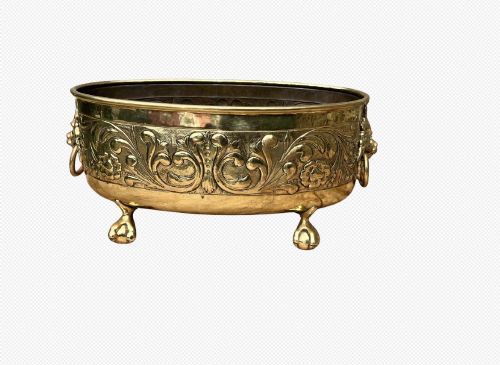
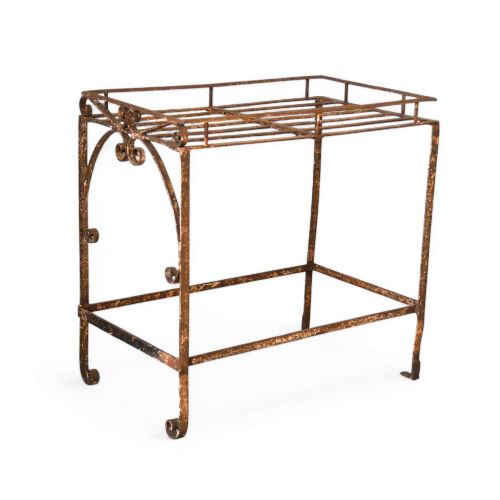
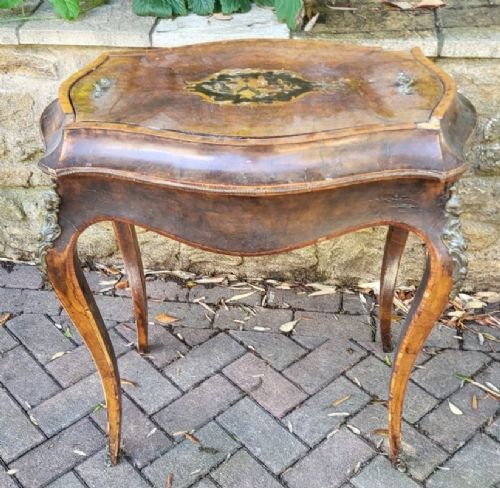
Antique Planter Table
An antique planter table brings living greenery and floral arrangements indoors on a dedicated raised platform.
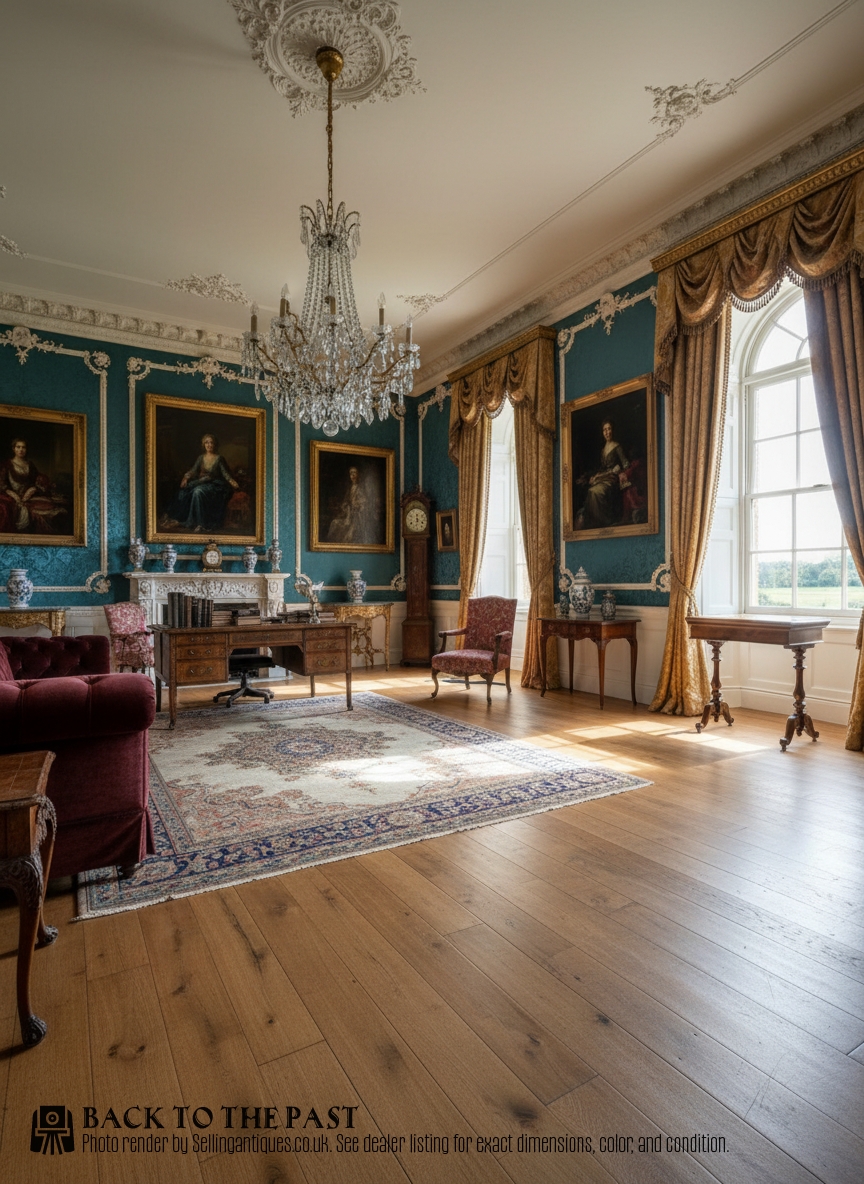
Antique Planter Table
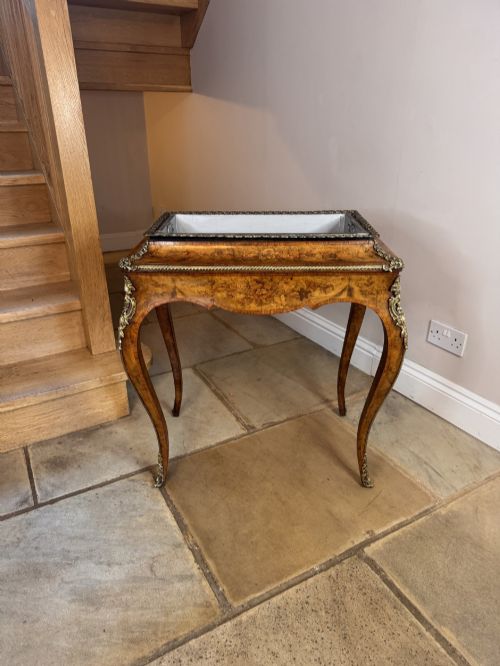
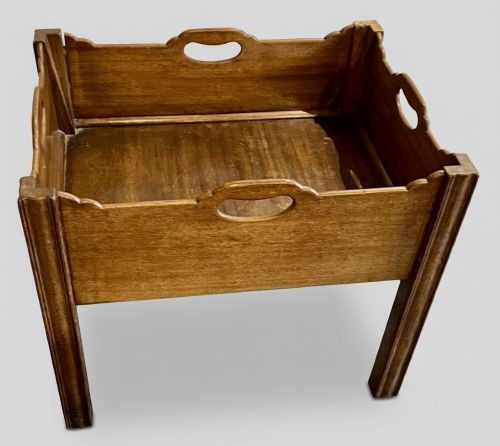
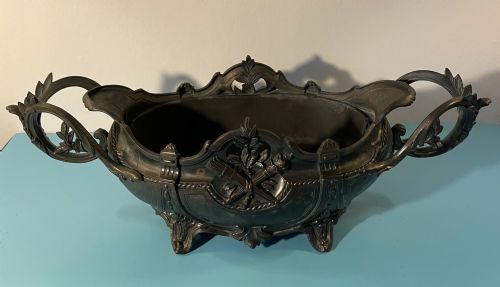
An antique planter table combines a sturdy furniture base with a recessed vessel designed to hold earth, pots, or cut flowers. These pieces often double as wine coolers or side tables depending on their interior liners and depth.
The versions most commonly found here originate in the nineteenth and early twentieth centuries, spanning Victorian, Edwardian, and French styles. Makers used rich hardwoods and metal mounts to elevate humble gardening into a formal parlour display.
How they were made
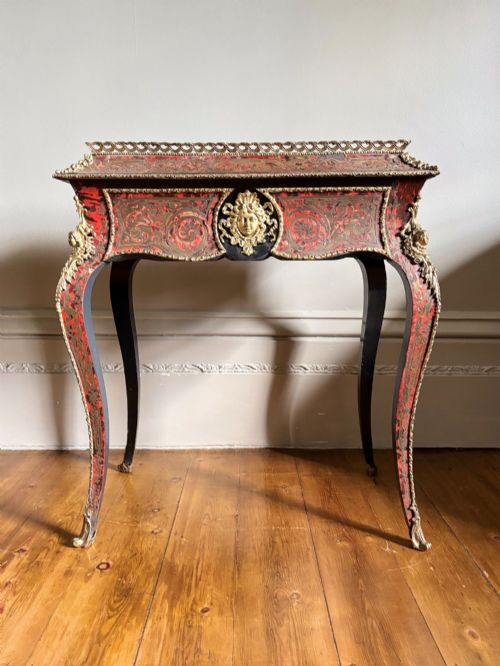
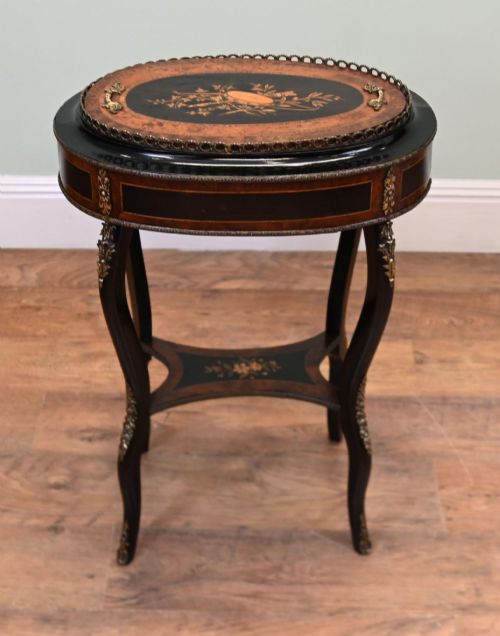
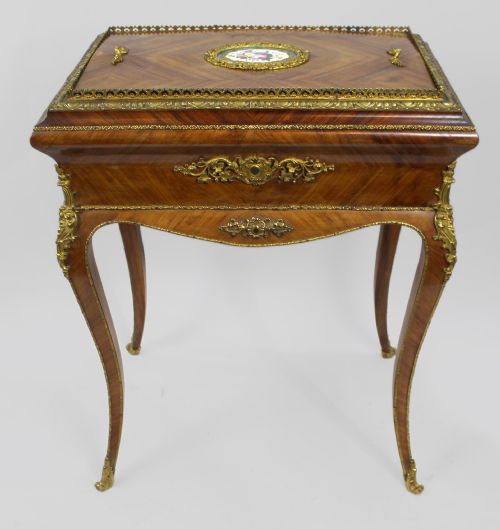
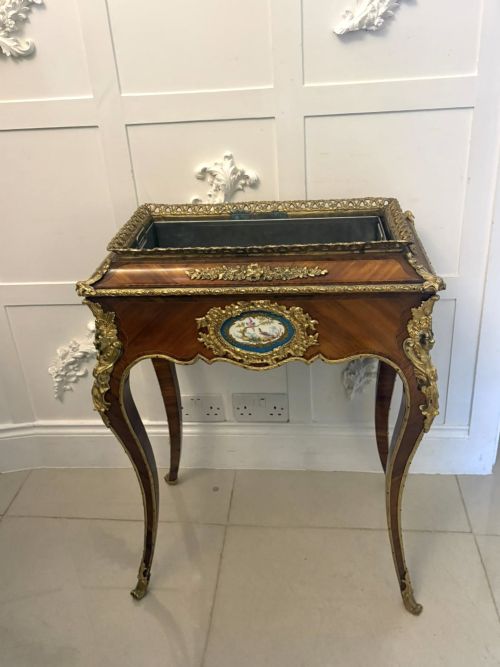
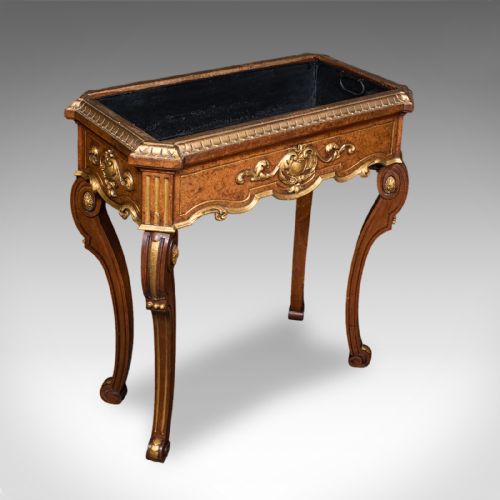
Cabinetmakers constructed the main bodies of these tables using timbers such as mahogany, walnut, burr walnut, and ebonised wood, frequently adding marquetry or delicate inlay. French workshops favoured exotic veneers combined with chased or gilt ormolu mounts to frame painted porcelain plaques.
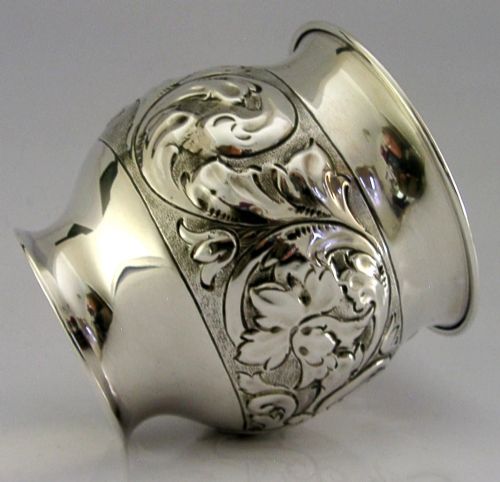
Metal components play a structural and decorative role, featuring brass linings, copper bowls, and cast iron or wrought iron frames. Tables designed to hold wet soil require metal liners or trays to protect the surrounding woodwork from water damage.
Antique Planter Table Retail Price Guide 2026
Typical asking prices for planter table among the pieces listed under this phrase on Sellingantiques today, from the lower quarter to the upper quarter. They describe what is for sale here now, not the wider market.
Listings span the nineteenth and early twentieth centuries, featuring walnut, mahogany, brass, and porcelain elements across French and English designs.
What varies in quality
The refinement of the cabinetwork and the crispness of the bronze or ormolu mounts dictate the upper tier of the range. Master craftsmen created seamless marquetry and integrated liners that fitted flush into the timber framework.
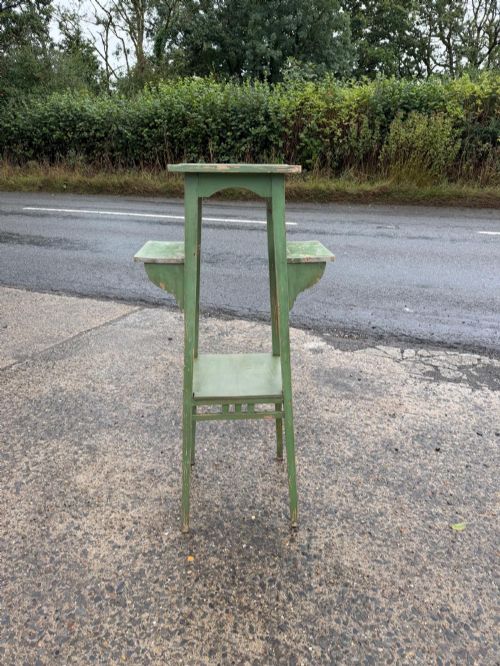
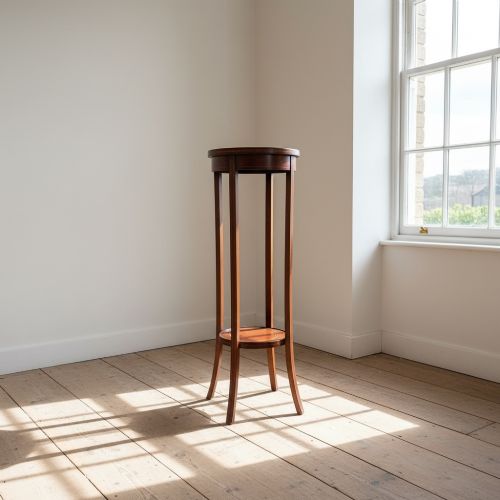
Simpler pieces rely on straightforward turned legs and basic paint finishes without metal mounts or intricate inlays. The presence of original fitted metal liners or delicate porcelain inserts separates exceptional examples from standard utility pieces.
The Antique Planter Table Glossary
- Jardiniere
- An ornamental pot or stand for holding plants or flowers. This term appears interchangeably with planter on many French and English tables.
- Ormolu
- Gilded bronze mounts applied to furniture for decoration. French nineteenth-century pieces frequently use these to highlight corners and legs.
- Marquetry
- Decorative veneer patterns formed by fitting small pieces of wood together. It frequently decorates the tops and sides of walnut and mahogany examples.
- Ebonised
- Wood stained or painted black to imitate ebony. This finish is characteristic of Napoleon III and late nineteenth-century designs.
- Cellarette
- A fitted box or cabinet used for holding bottles. Some larger plant tables share this interior depth and function as wine coolers.
Antique Planter Table: Frequently Asked Questions
How were planter tables used?
These tables stood in nineteenth-century drawing rooms and conservatories to display potted ferns and floral arrangements at a convenient height.
Owners also utilised them as wine coolers or decanter caddies during dining by removing the plant pots and filling the inner basin with ice or water.
What woods appear most often?
Walnut, burr walnut, and mahogany dominate the English and French pieces found on this page.
Cabinetmakers also employed satinwood, kingwood, and ebonised wood alongside decorative inlays and brass or ormolu mounts.
Are original liners usually present?
Many tables retain their original metal or copper liners, which protected the surrounding timber from moisture.
When liners are missing, buyers often source alternative vessels or use the table as a standard side or lamp table.
How do I date a piece?
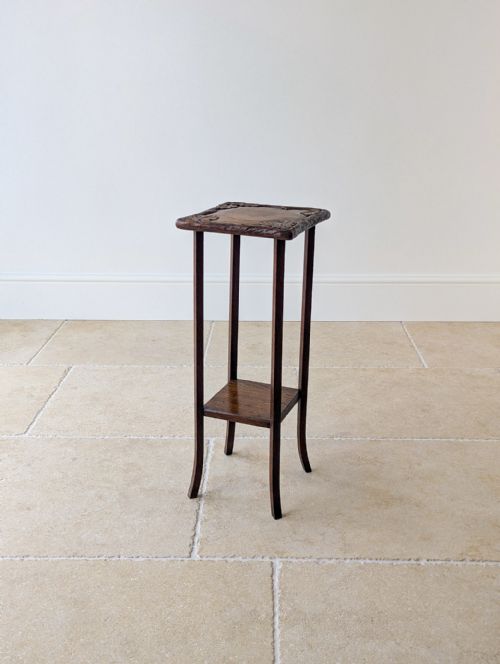
Stylistic clues such as the heavy mounts of Napoleon III pieces or the lighter oak construction of Arts and Crafts examples help determine the period.
Secondary woods, construction joints, and inlaid motifs further narrow down the decade of manufacture between the mid-nineteenth and early twentieth centuries.