



Walnut Plant Stand
A walnut plant stand brings rich timber and vertical presence into a room, serving as a sturdy stage for greenery or sculpture.
Walnut Plant Stand
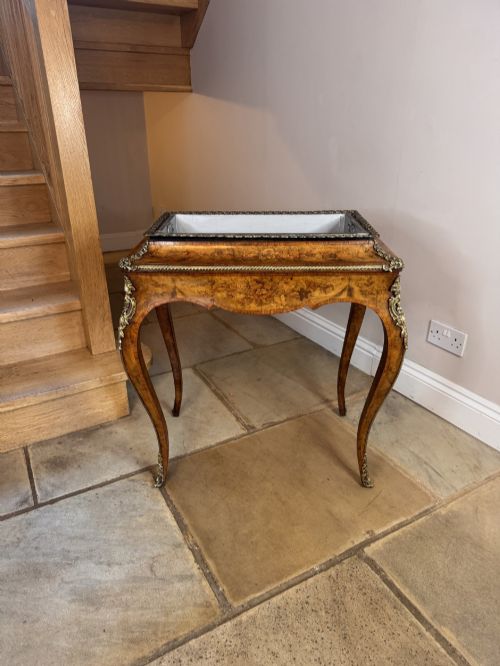
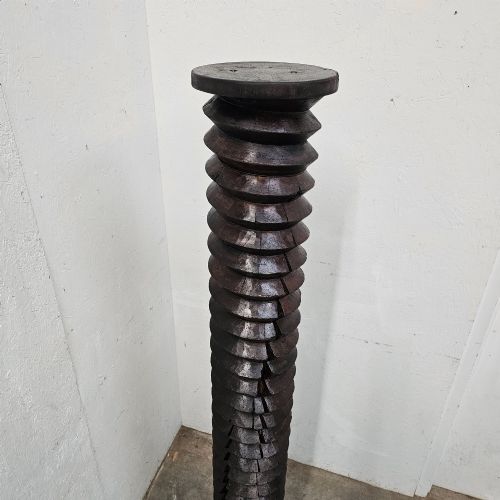
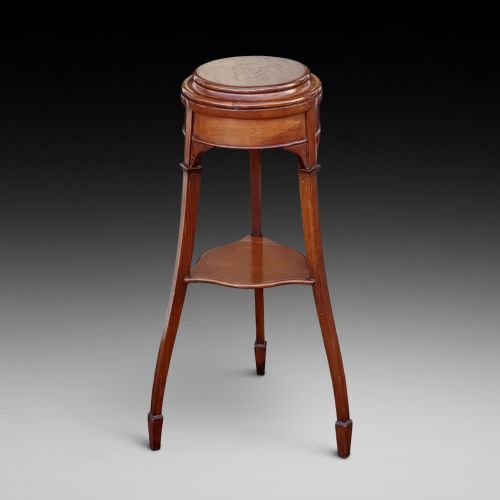
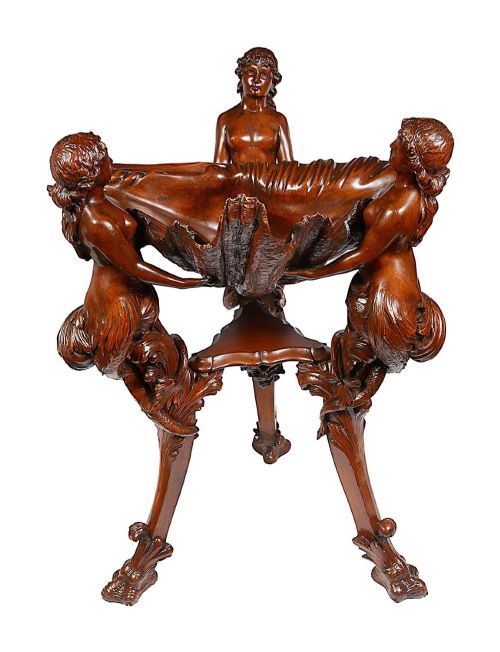
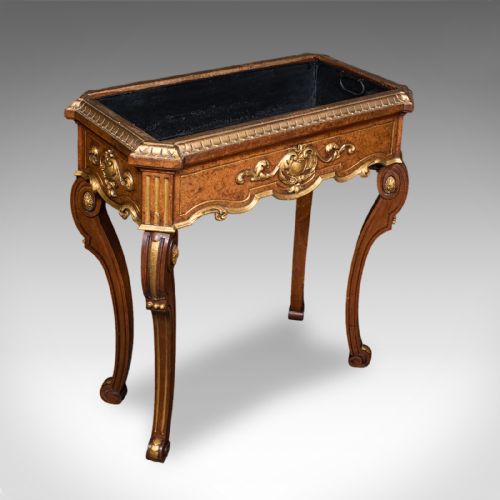
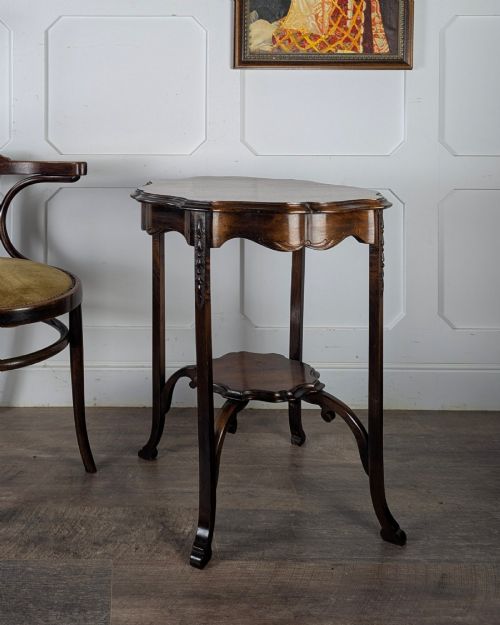
A walnut plant stand encompasses a range of raised display surfaces, from tall pedestals and torcheres to jardiniere tables fitted with liners. Buyers seeking this phrase encounter pieces spanning the 18th century through the Edwardian era and the 1930s, reflecting diverse historical revivals.
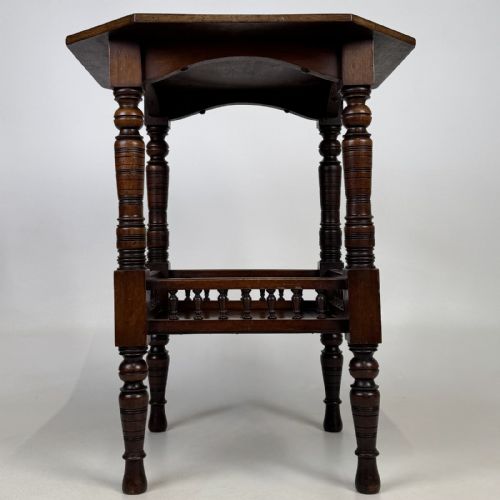
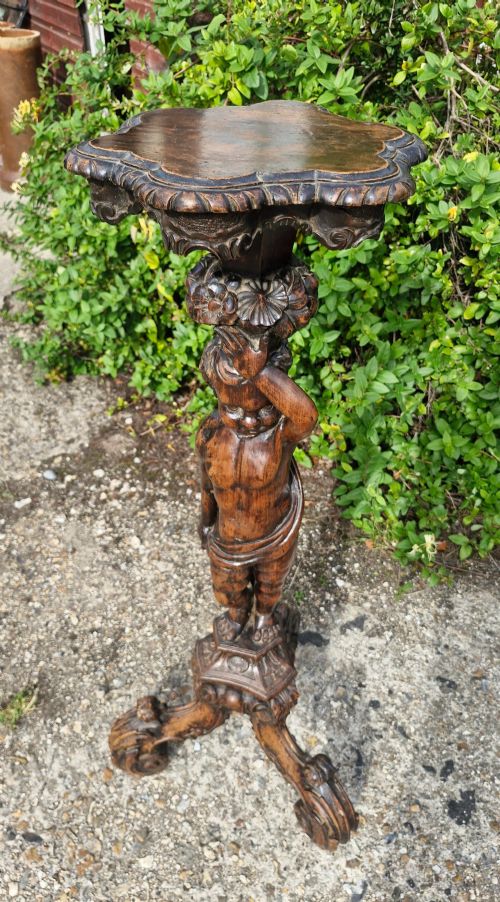
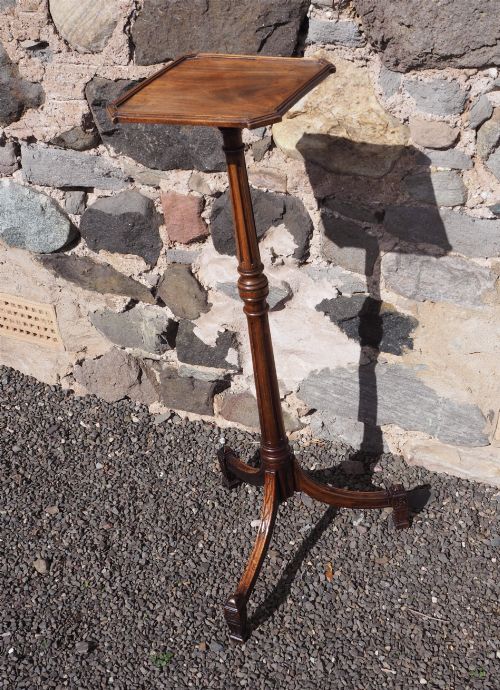
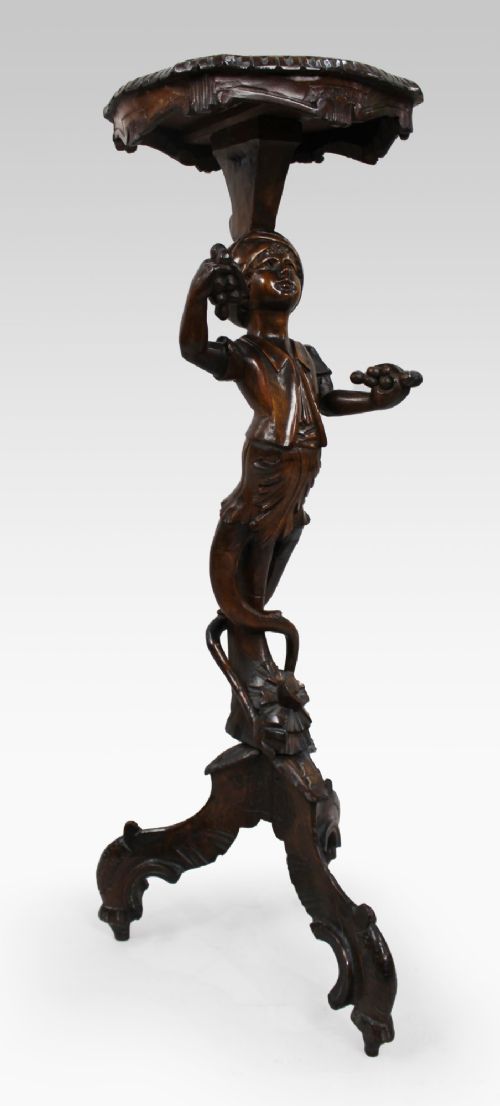
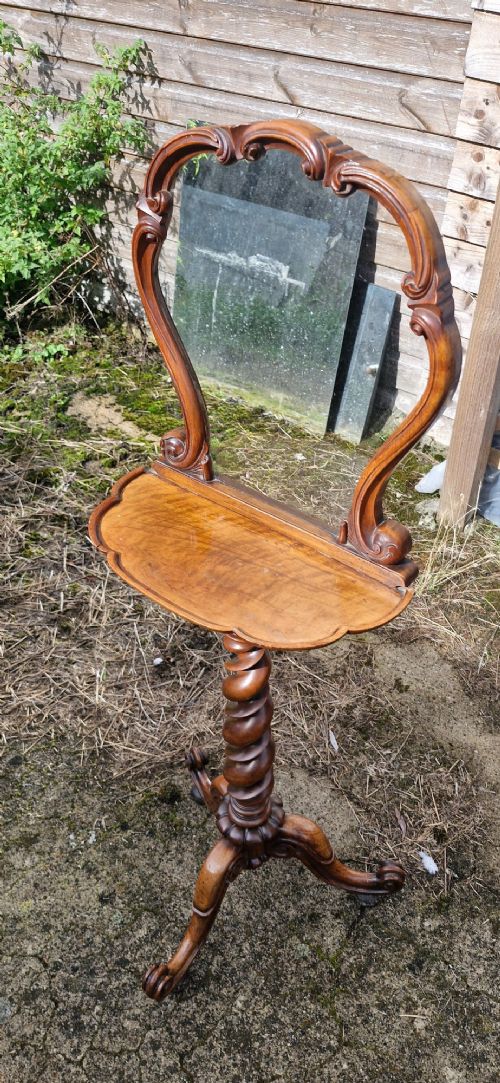
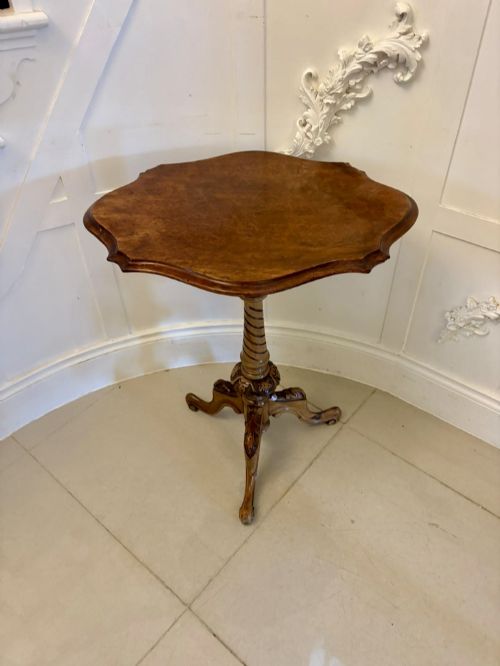
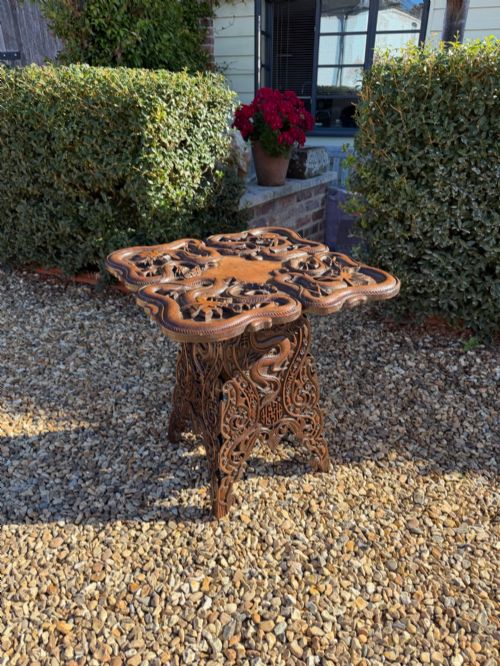
Victorian and late 19th-century examples dominate the selection, often featuring carved details, barley twist stems, or tiered surfaces. French Rococo and Arts and Crafts influences appear frequently alongside simpler utilitarian tripod forms.
Makers such as Liberty & Co, Gillow & Co, William Birch, and Shoolbred occasionally mark these pieces, linking standard domestic stands to notable workshops.

Materials and Technique
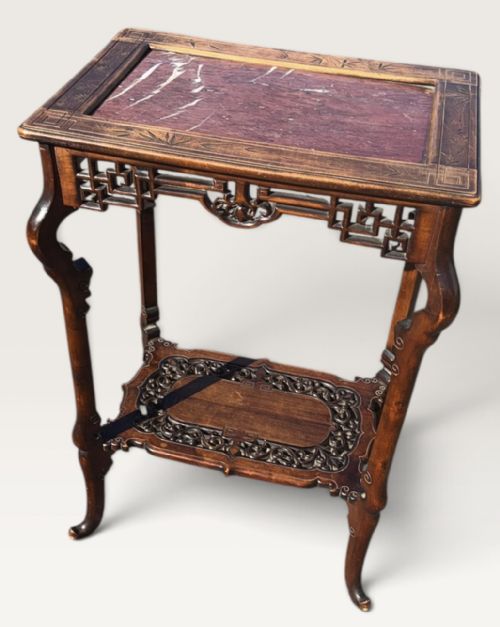
Craftsmen utilised solid walnut and burr walnut veneer, frequently pairing the warm timber with contrasting ebonised wood or mahogany. Decorative schemes incorporated brass mounts, ormolu, marble inserts, mother-of-pearl, and intricate marquetry inlays.
Structural methods combine turned legs, carved figural pedestals, and tripod bases to ensure stability for heavy plants or decorative objects.
Walnut Plant Stand Retail Price Guide 2026
Typical asking prices for walnut plant stand among the pieces listed under this phrase on Sellingantiques today, from the lower quarter to the upper quarter. They describe what is for sale here now, not the wider market.
The selection includes pieces incorporating marble tops, brass galleries, and marquetry floral designs across various 19th-century and 20th-century revivals.
Assessment of Quality
Quality rests on the crispness of the carving, the selection of figured burr timber, and the integrity of the joinery in the pedestal or legs. Superior examples display refined proportions and cohesive stylistic details rather than heavy, generic ornamentation.
Liberty of London·Gillow and Co·William Birch·Shoolbred
The Walnut Plant Stand Glossary
- Jardiniere
- A decorative planter, typically ceramic or metal-lined, designed to hold growing plants indoors. These often sit within dedicated stands or tables.
- Torchere
- A tall, slender stand or candlestick holder adapted to display urns, figures, or plants at an elevated height. They frequently feature carved pillars and tripod bases.
- Burr walnut
- Timber taken from a tree growth or burr, yielding highly figured, swirling grain patterns prized for decorative veneer work on tabletops and pedestals.
- Etagere
- A piece of furniture consisting of open shelves for displaying small objects or plants, utilising tiered surfaces to maximise vertical space.
Walnut Plant Stand: Frequently Asked Questions
How were walnut plant stands used originally?
Victorians used these stands to elevate potted ferns, palms, and flowering plants into better light and warmth within the principal reception rooms.
They also served as occasional display surfaces for bronze figures, lamps, and decorative ceramics during formal gatherings.
Are these stands strong enough for heavy pots?
Most period pieces utilise sturdy tripod bases or heavy central pedestals designed to support the weight of substantial earthenware and soil.
It remains wise to check the joints where the stem meets the feet before placing particularly heavy items on top.
How do I care for walnut furniture?
Keep walnut furniture away from direct sunlight and strong heat sources to prevent the timber and delicate veneers from drying out or splitting.
Regular dusting with a soft dry cloth maintains the finish, supplemented occasionally by traditional beeswax polish.
How do I identify a Victorian piece?
Victorian stands typically display dense carving, barley twist supports, or ebonised accents that align with revival styles popular during the 19th century.
Construction methods, such as hand-cut joinery and traditional screw threads, help confirm the period of manufacture.