




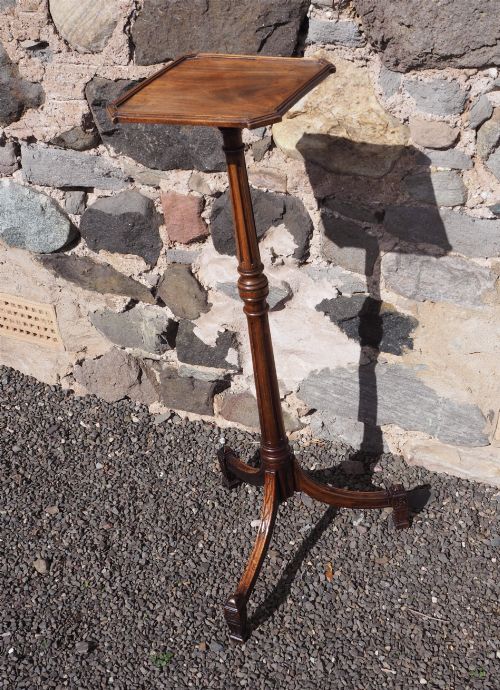
Tripod Plant Stand
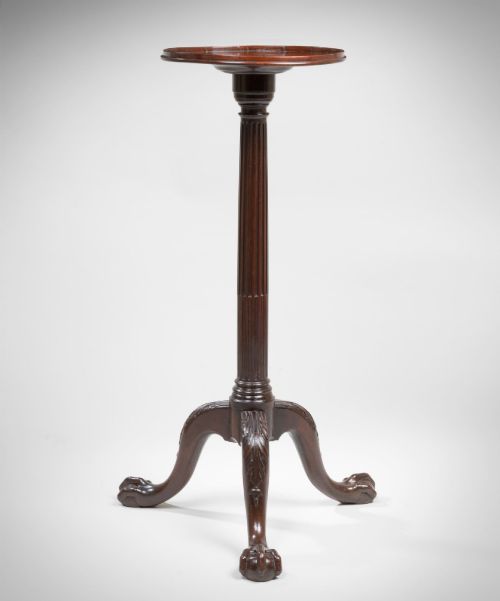
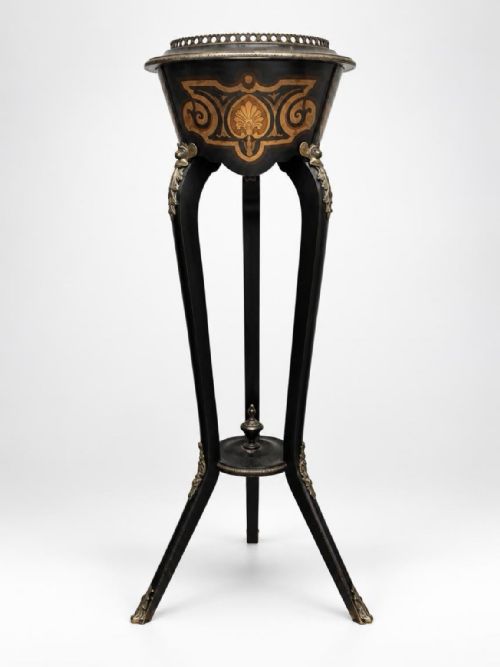
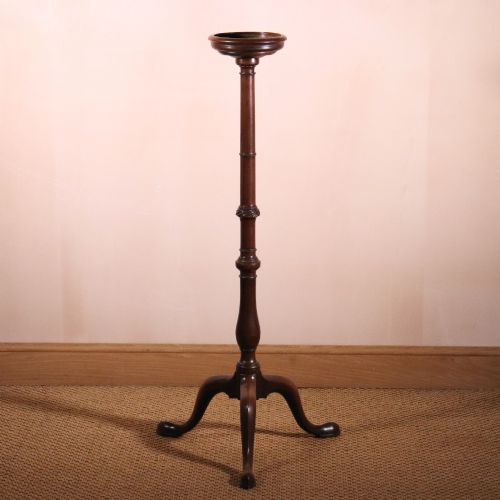
A tripod plant stand holds greenery or a lamp aloft on three slender legs, offering height and architectural line to an interior.

Tripod Plant Stand
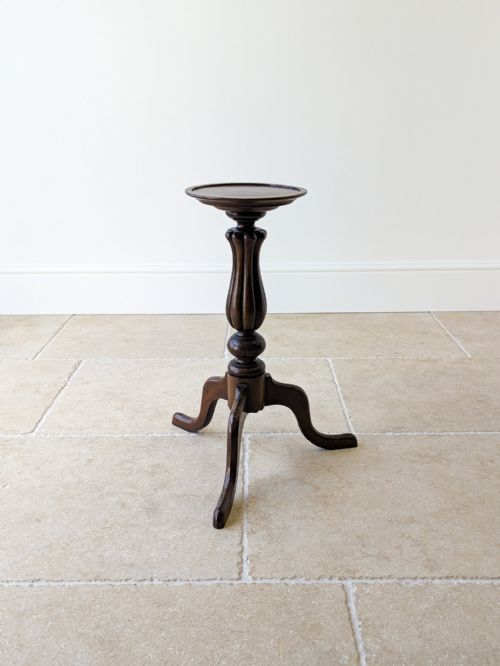
A tripod plant stand serves to elevate botanical displays, torcheres, or lamps using a stable three-legged base. These pieces draw from a rich history of functional furniture forms designed to make the most of compact floor spaces.
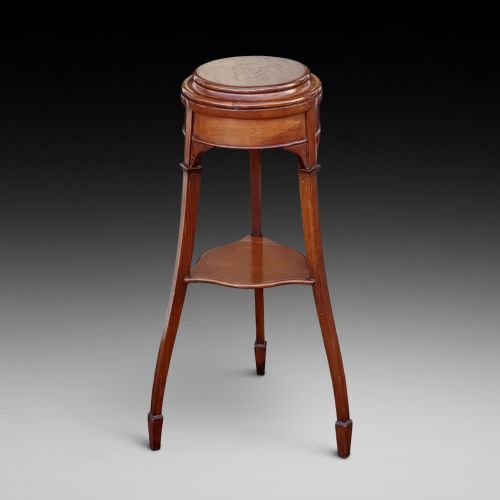
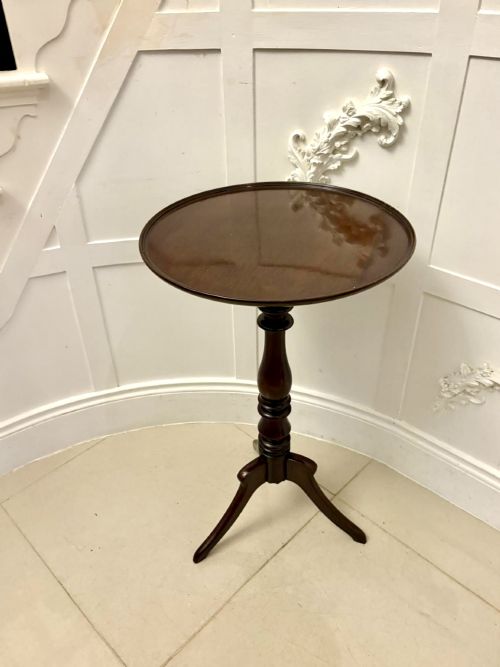
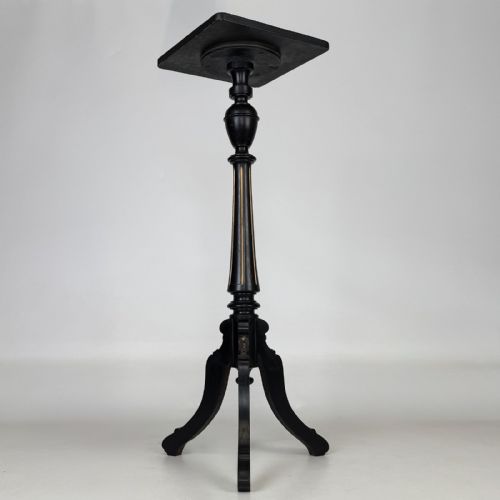
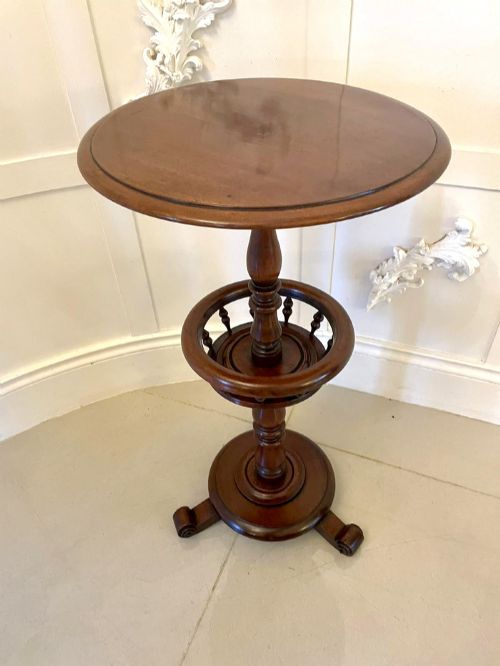
Most examples encountered here date from the Victorian and Edwardian eras, executed in mahogany, walnut, or oak. Tall torcheres and smaller wine tables frequently double as stands for pots and jardinières.
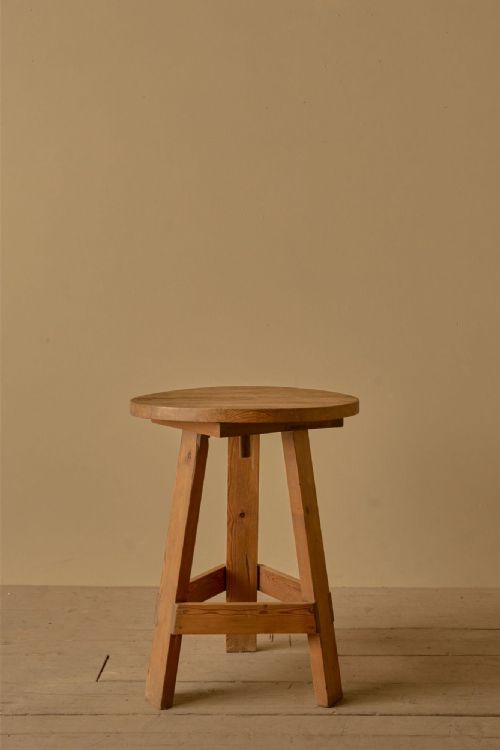
Makers across the eighteenth and nineteenth centuries adapted the form through various revivals, including Gothic, Georgian, and Aesthetic styles. This variety ensures collectors find everything from simple oak cricket tables to elaborate carved stands.
Materials and Construction
Cabinetmakers relied on hardwoods such as mahogany and walnut, turning central pedestals on lathes and joining three outward-splayed legs with dovetail or tenon joints. Brass and cast iron appear in specific designs, particularly for trivets or metal-mounted torcheres.
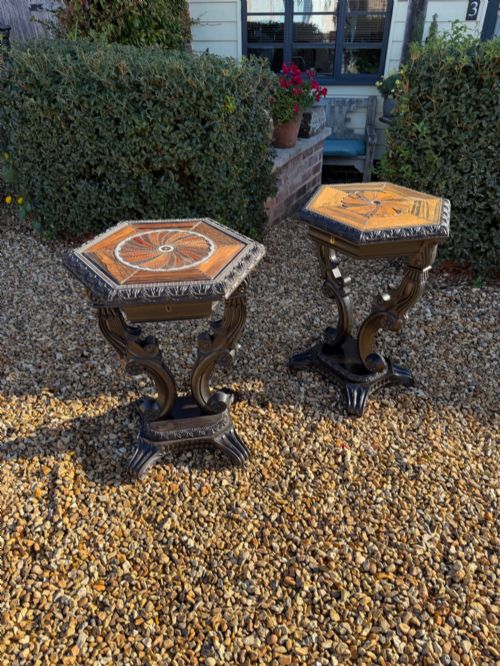
Carving, ebonising, and gilt work define the decorative finishes applied to these frames. Tops range from solid timber discs to marble inserts and cloisonné panels, secured firmly to the central shaft.
Tripod Plant Stand Retail Price Guide 2026
Typical asking prices for tripod plant stand among the pieces listed under this phrase on Sellingantiques today, from the lower quarter to the upper quarter. They describe what is for sale here now, not the wider market.
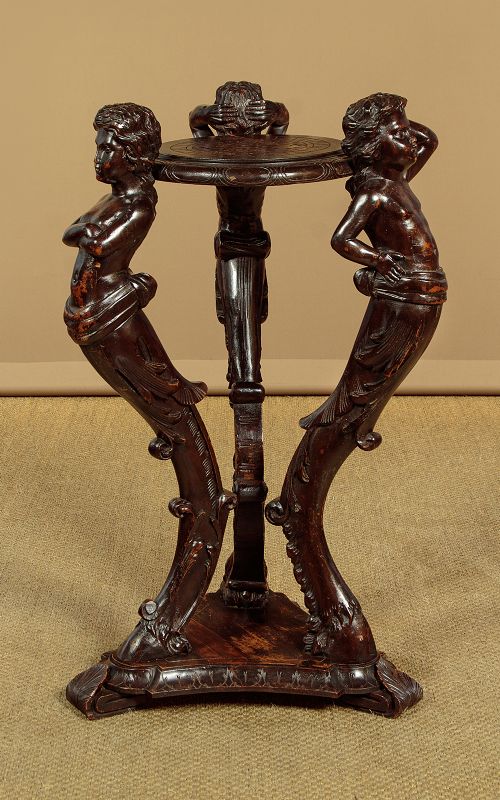
Elephant tusks and carved Blackamoor figures occasionally peer out from nineteenth-century plant stands, showing Victorian eccentricities at full tilt.
Judging Quality
Quality rests in the stability of the tripartite joint and the proportional balance between the height of the shaft and the spread of the feet. Heavier timbers and crisper hand-carving separate standard utility pieces from finer salon examples.
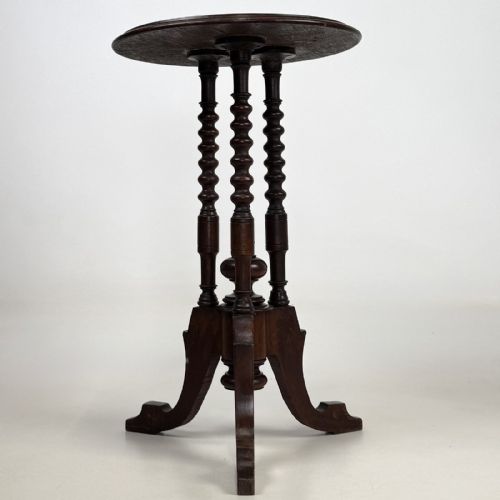
The choice of secondary woods, the integrity of turned barley twist or fluted columns, and the retention of original surface patination dictate the desirability of a stand.
EW Godwin
The Tripod Plant Stand Glossary
- Torchere
- A tall, slender stand originally designed to carry a candle or torch, now frequently utilised for plants and lamps. These vertical pieces emphasise turned columns and elevated platforms.
- Tripod base
- A support structure composed of three legs radiating from a central pillar to ensure stability on uneven floors. This configuration prevents rocking.
- Jardiniere
- An ornamental pot or stand specifically built to hold growing plants. Examples often incorporate waterproof linings or raised galleries.
- Guéridon
- A small French table supported by a central column or figures, appearing in various revival styles with timber or marble tops. These decorative tables add continental flair.
- Cricket table
- A small, three-legged occasional table of sturdy primitive construction, traditionally associated with vernacular English interiors. They provide robust utility.
Tripod Plant Stand: Frequently Asked Questions
How were tripod plant stands originally used?
These pieces held candles, oil lamps, or decorative floral arrangements in principal rooms. Their movable nature allowed homeowners to reposition light sources or greenery as daylight shifted.
Over time, upper surfaces adapted to receive heavy ceramic pots, jardinières, and sculptures. Their narrow footprints suited corners and narrow landing spaces.
What woods are most common?
Mahogany dominates the nineteenth-century inventory, offering dense grain and deep natural colour. Walnut and oak appear with equal frequency, especially in earlier pieces and revival styles.
Ebonised finishes and gilt wood also occur, reflecting specific aesthetic movements of the late nineteenth century. Hardwood variants generally provide the necessary weight for stability.
How do I date a stand?
Leg profiles, turning techniques, and timber selection offer primary clues to age. Georgian and Regency pieces favour clean classical lines, whereas Victorian examples introduce heavier carvings and barley twist stems.
Edwardian items often combine lighter frames with simplified traditional motifs. Comparing construction methods underneath the top reveals assembly practices typical of particular decades.
Can they support heavy pots?
Most antique stands easily support standard ceramic plant pots and modern lamps. The wide splay of the three legs distributes weight effectively across the floor.
Care should be taken with exceptionally heavy stone vessels or uneven loads. Checking the tightness of the central column fixing ensures safe daily use.