






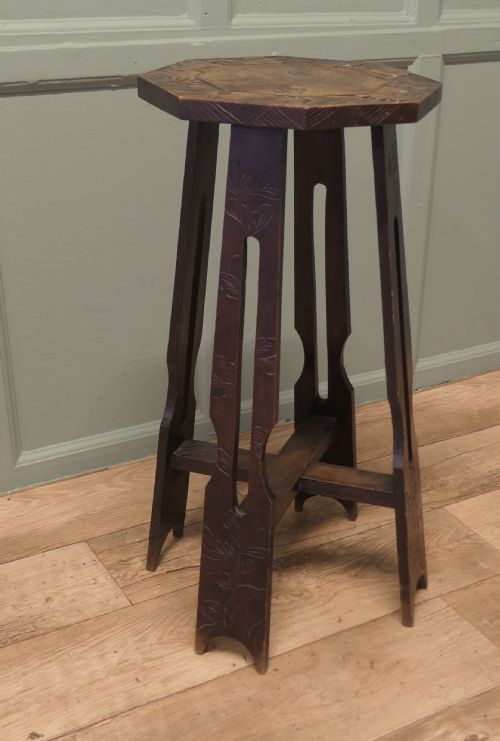
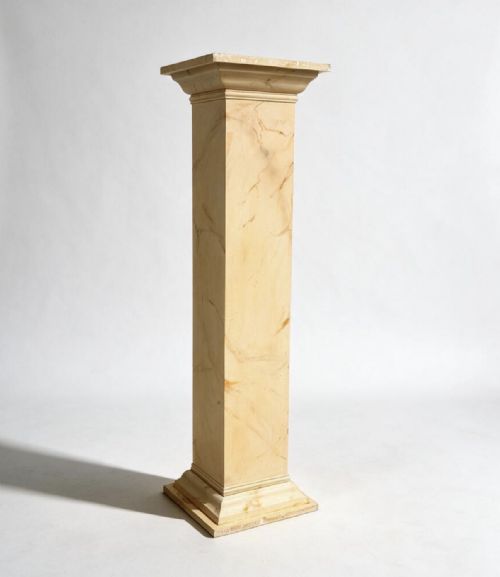
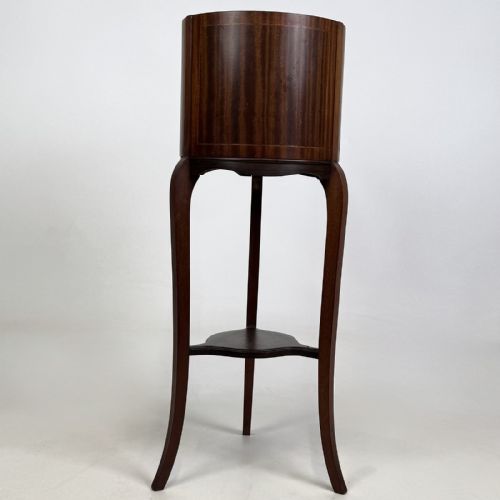
Vintage Plant Pedestal
A vintage plant pedestal elevates greenery or sculpture, bringing height and structural interest to a corner.
Vintage Plant Pedestal
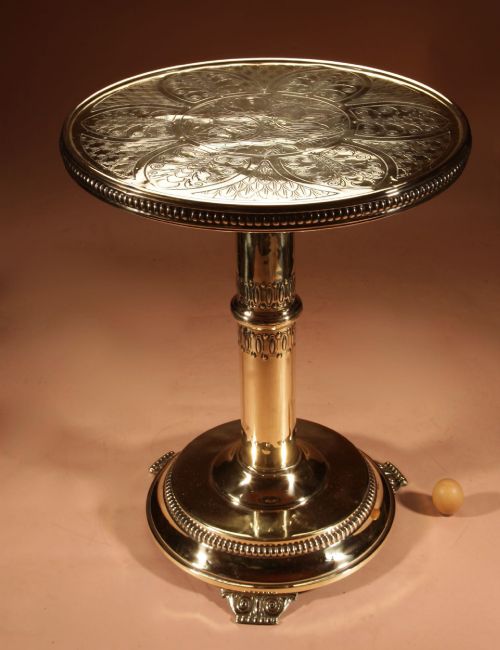
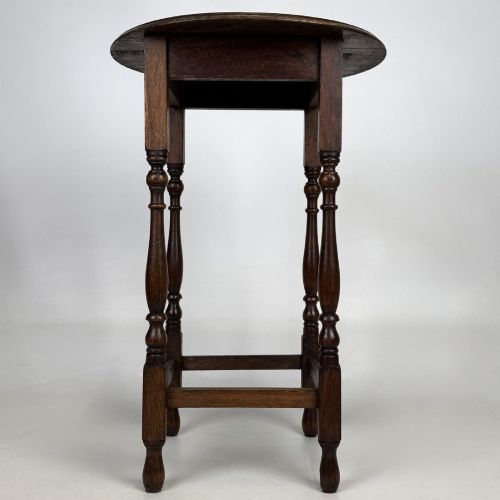
A vintage plant pedestal provides a raised surface to display foliage, flowers, or decorative objects within a room. When searching for a vintage plant pedestal, buyers encounter items designated variously as plant stands, torcheres, plinths, and jardiniere stands.
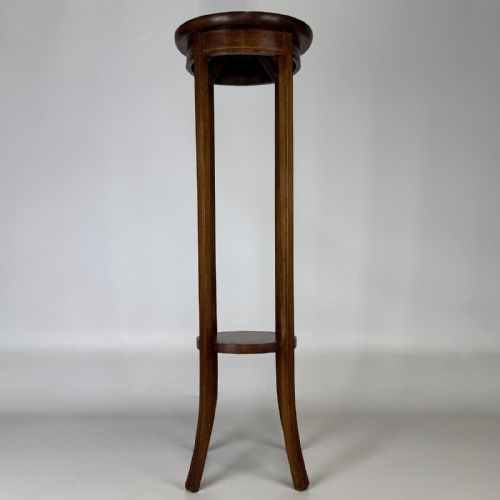
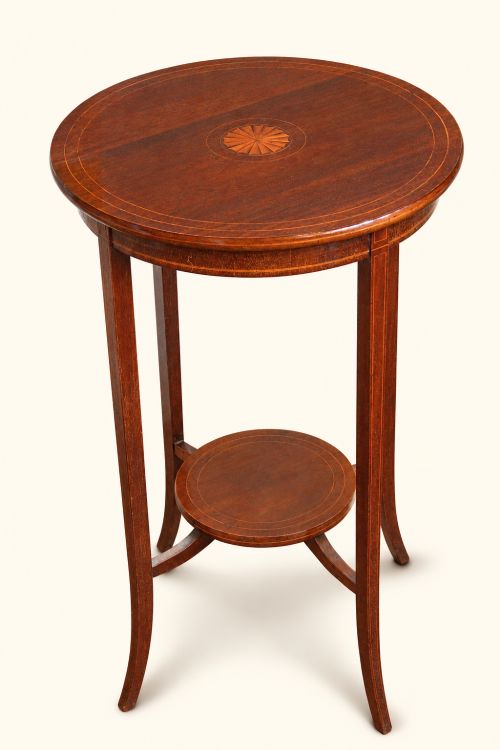
The most common versions on this page date from the Edwardian period and the nineteenth century, constructed to suit domestic display. These pieces range from slender columns designed for a single pot to broader two-tier tables capable of holding heavier ceramics.
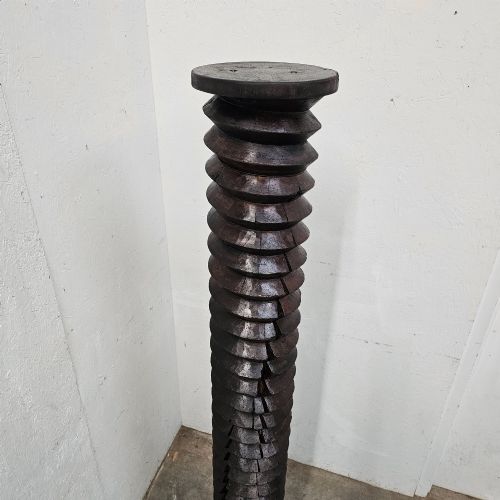
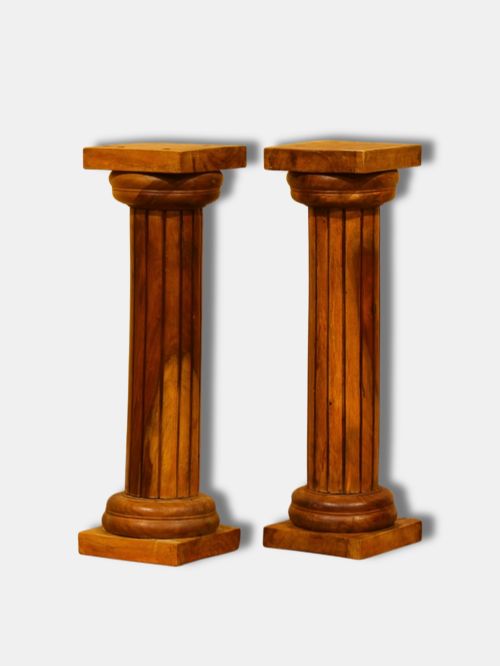
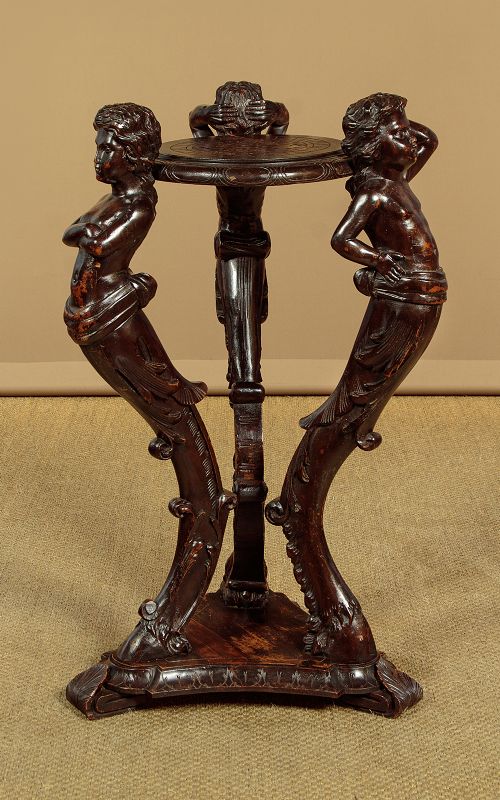
Makers utilised diverse timber species and occasional stone inserts to create stable supports for heavy jardinieres. Forms vary from simple turned wooden shafts to carved columns and rustic arrangements.
Materials and construction
Makers relied heavily on timbers such as mahogany, oak, walnut, and satinwood, shaping them into turned columns, shaped legs, and flat tops. Selected pieces incorporate inlaid details or painted finishes to provide surface decoration.
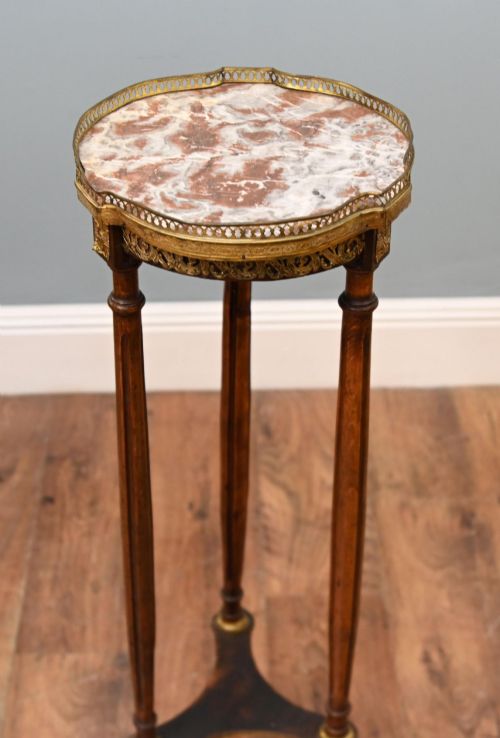
Insets of marble feature on several tops to provide a cool, water-resistant surface suitable for holding damp plant pots. Gilded brass, mother of pearl inlay, and terracotta appear as supplementary materials adding contrast and texture.
Vintage Plant Pedestal Retail Price Guide 2026
Typical asking prices for vintage plant pedestal among the pieces listed under this phrase on Sellingantiques today, from the lower quarter to the upper quarter. They describe what is for sale here now, not the wider market.
Quality variations
The refinement of the carving and the choice of timber distinguish finer examples from standard utility pieces. Solid mahogany, figured walnut, and carefully matched satinwood indicate greater attention by the maker.
Structural stability depends upon sound joinery in the joints connecting the shaft to the base and the top. Well-balanced proportions and crisp detailing in turned barley twists or carved columns separate superior items from plainer alternatives.
Druce & Co London·Shoolbred
The Vintage Plant Pedestal Glossary
- Torchere
- A tall, slender stand originally designed to hold a candle or lamp, frequently utilised today to display plants and urns.
- Jardiniere
- An ornamental pot or container for plants, which often dictates the form of the stand built to support it.
- Plinth
- A heavy flat-bottomed base or lower block serving as a solid foundation for a column, bust, or plant stand.
- Inlay
- A technique where contrasting woods or materials like mother of pearl are inserted into depressions within the primary timber surface to form decorative patterns.
- Barley twist
- A spiral turning resembling a twisted rope, commonly found on the upright stems of Edwardian furniture.
Vintage Plant Pedestal: Frequently Asked Questions
What is a plant pedestal used for?
A plant pedestal raises potted plants, ferns, or floral arrangements off the floor to give them prominence in a room. They also serve as surfaces for decorative objects, small sculptures, and lamps.
By adding vertical dimension, these stands break up the flat lines of standard furniture and draw the eye toward architectural details or window lights.
How do I identify an Edwardian plant stand?
Edwardian plant stands often feature lighter timbers such as satinwood or inlaid mahogany, alongside characteristic details like barley twist legs and two-tier shelving. Their construction tends to feel domestic and decorative rather than strictly utilitarian.
Comparing the proportions and timber choice against standard Victorian or Georgian styles helps confirm the Edwardian origin.
Can these stands support heavy pots?
Solid mahogany and oak stands with wide, stable bases handle heavier ceramic pots and garden urns securely. Lighter decorative tables work best with smaller or medium-sized indoor plants.
Inspecting the base construction and the thickness of the central shaft ensures the piece remains balanced under weight.
Where should I place a pedestal in a room?
Pedestals suit empty corners, hallway landings, or spaces beside seating where they can display trailing foliage or decorative items without obstructing pathways. Placing them near natural light sources helps highlight the grain of the wood and the health of the plants.
Matching the wood tone to existing furniture helps the stand integrate smoothly into the interior scheme.