

Antique Pedestal Stand
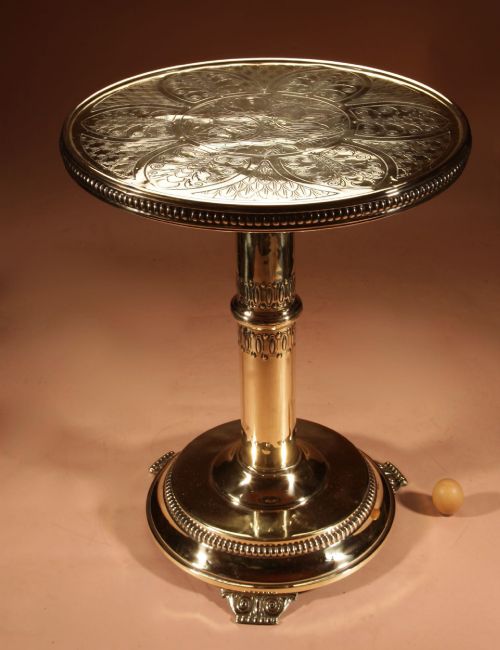
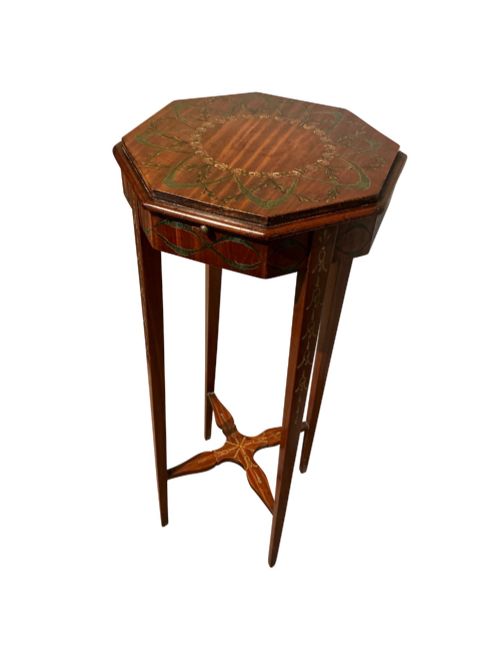
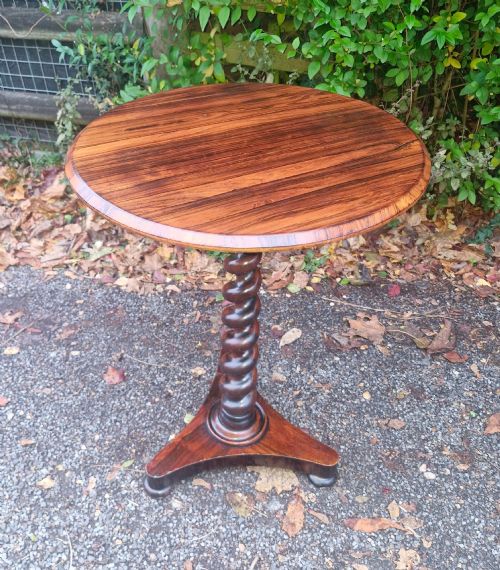
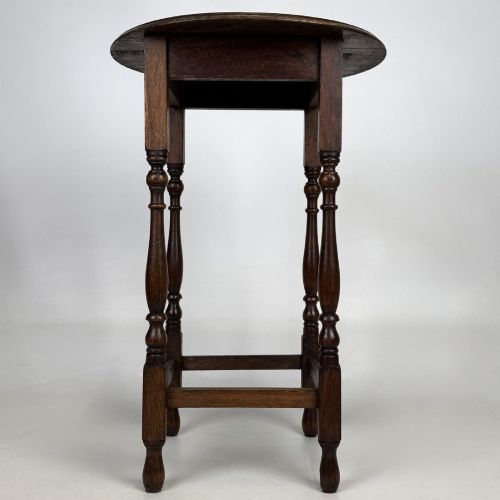
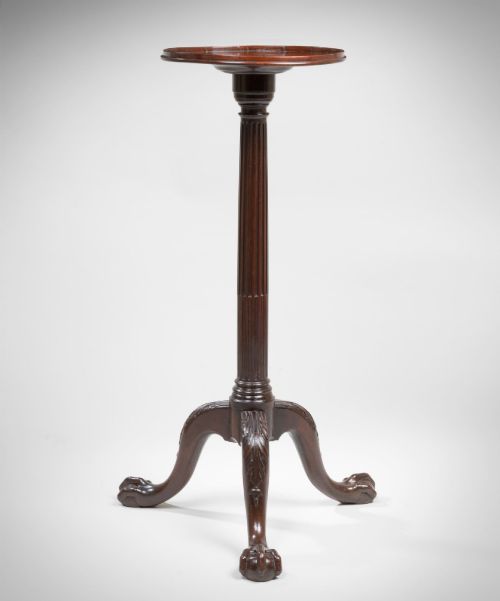
When you search for an antique pedestal stand, you uncover elevated supports, wine tables and torcheres designed to display objects or serve beside a chair.
Antique Pedestal Stand
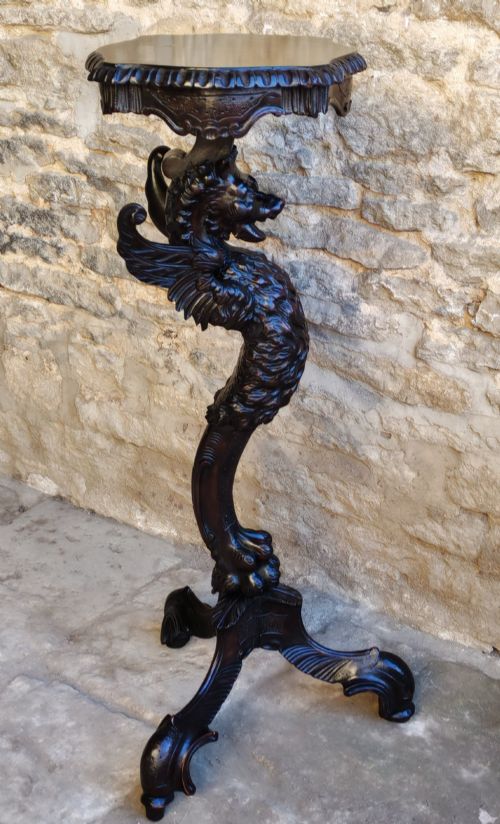
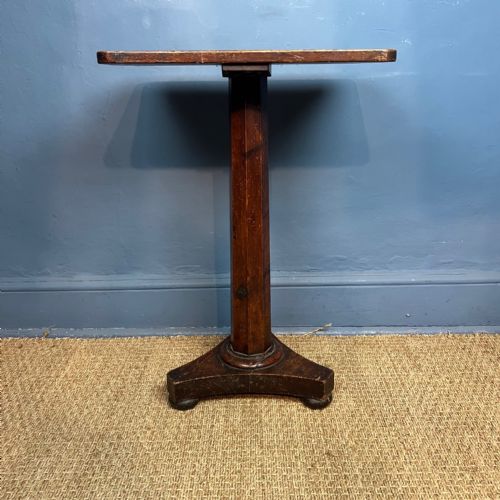
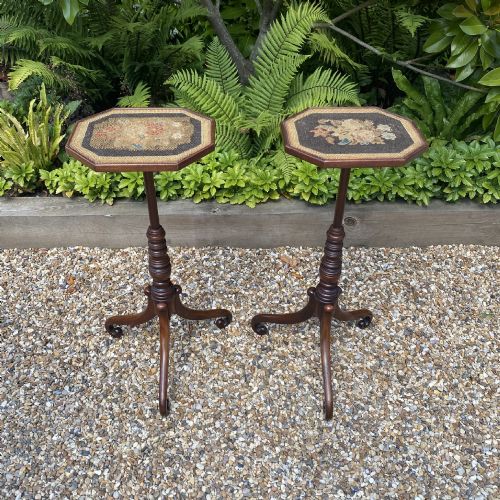
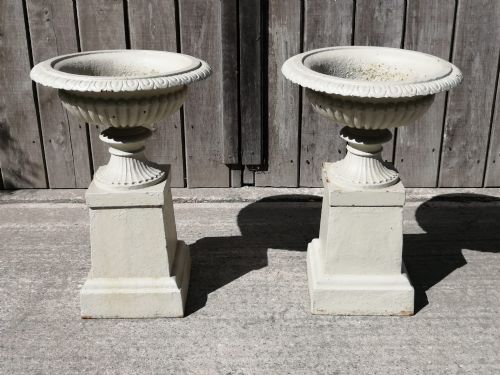
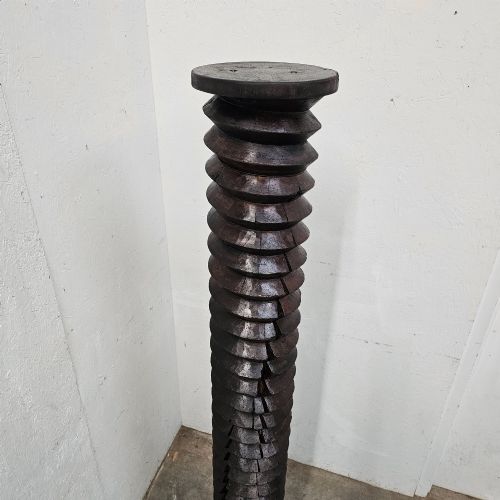
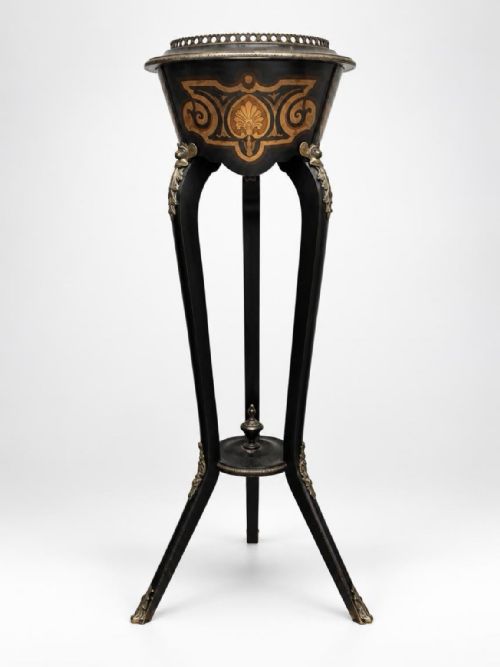
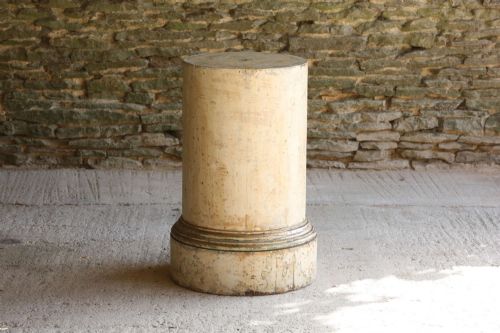
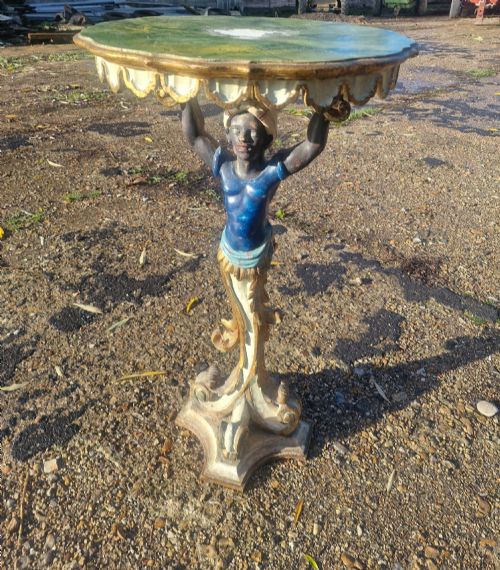
An antique pedestal stand encompasses a diverse group of elevated furnishings, ranging from slender torcheres and plant stands to compact wine tables and display columns. The pieces encountered on this page stretch from the eighteenth century through the Georgian, Regency, Victorian and Edwardian eras, reflecting changing domestic fashions across generations.
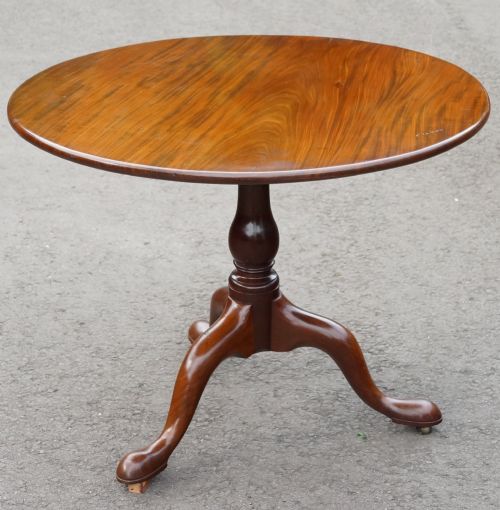
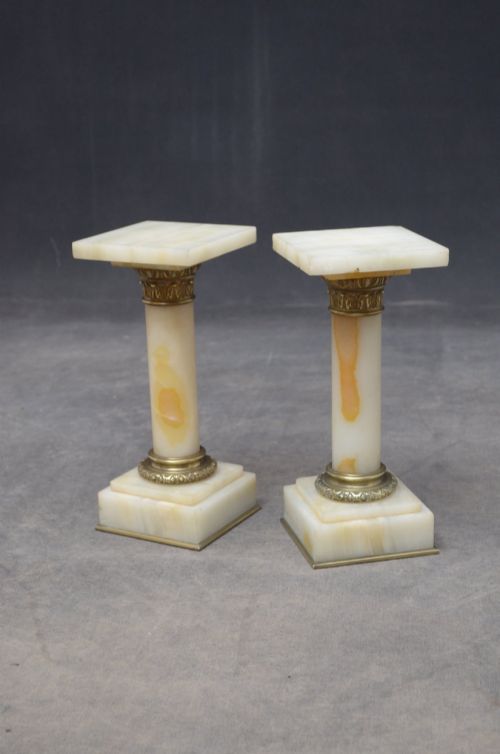
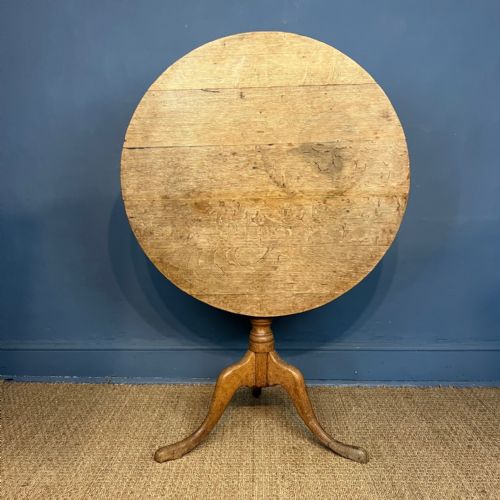
Functional forms include tripod wine tables, smoking stands, occasional tables and tall display columns intended for sculptures, urns or plants. Walnut, mahogany and oak appear frequently alongside decorative variants incorporating marble, onyx, bronze and ceramic elements.
Origins vary from English country workshops to continental ateliers and oriental makers, offering buyers a wide spectrum of craftsmanship from simple utilitarian plant stands to ornate reception room display pieces.
How They Were Made
Cabinetmakers utilised dense timbers such as mahogany, walnut, rosewood and oak, often selecting figured veneers like burr wood or satinwood to enhance tabletops and columns. Turning lathes shaped central shafts, whilst joiners constructed stable tripod bases and circular tops.
Metal mounts in brass, ormolu and gilt bronze frequently secured marble or onyx columns, whilst decorative techniques included marquetry inlay, champleve enamelling, hand carving and original paint finishes.
Antique Pedestal Stand Retail Price Guide 2026
Typical asking prices for pedestal stand among the pieces listed under this phrase on Sellingantiques today, from the lower quarter to the upper quarter. They describe what is for sale here now, not the wider market.
Some nineteenth century stands doubled as smoking stations complete with built-in ash receptacles for the Victorian drawing room.
What Varies in Quality
The standard of an antique pedestal stand rests upon the selection of timber and the precision of its construction, particularly where central columns meet tripod legs or heavy stone tops. Superior examples display crisp hand-carved details, balanced proportions and harmonious integration of contrasting materials like bronze mounts on onyx columns.
Simpler vernacular pieces rely on honest utility, whereas refined Georgian and Victorian examples exhibit sophisticated turning, intricate inlay and careful structural engineering designed to support heavy planters or candelabra without tipping.
Dunfermline Clay Company·Coalport·Coalbrookdale·Horrocks Standard Company
The Antique Pedestal Stand Glossary
- Torchere
- A tall, slender stand designed specifically to hold a lamp, candle or small decorative sculpture. These elevated supports often feature carved columns and tripod bases.
- Tazza
- A wide, shallow saucer-shaped vessel or ornamental cup raised upon a high foot or pedestal. They are frequently fashioned from porcelain, bronze or ceramic materials.
- Tripod Table
- A small occasional table supported by three legs radiating from a central pillar. This design ensures stability on uneven historical floors.
- Ormolu
- Gilded metal ornaments applied to furniture, clock cases and stone columns. The technique involves applying a gold amalgam to bronze.
- Marquetry
- Decorative veneer work forming intricate patterns using various coloured woods. Craftsmen cut thin pieces of timber and fit them together precisely.
Antique Pedestal Stand: Frequently Asked Questions
What is an antique pedestal stand used for?
These pieces traditionally served to elevate items such as lamps, wine glasses, porcelain urns, plants and sculptural busts above floor level. Their compact footprints made them adaptable for placement beside seating or in corners of reception rooms.
Today, they continue to function as display surfaces in domestic interiors, offering vertical interest and practical placement for decorative objects without occupying significant floor space.
How do I distinguish Georgian from Victorian stands?
Georgian examples, dating through the eighteenth and early nineteenth centuries, generally favour restrained proportions, clean timber grains such as mahogany or yew, and simple tripod or pillar configurations. They often emphasise architectural balance and functional joinery.
Victorian and later pieces frequently introduce eclectic revival styles, mixed media like onyx and ormolu mounts, darker ebonised finishes, and heavier ornamentation reflecting industrial manufacturing capabilities of the later nineteenth century.
Are wine tables the same as plant stands?
Whilst both categories share elevated central pillars and small surface areas, wine tables typically feature flat wooden tops designed for holding glasses or lamps beside chairs. Plant stands and torcheres often incorporate waterproof inserts, ceramic bowls, or stone tops intended to withstand moisture from pots.
Historical usage permitted some crossover, but examining the top material and edge design usually clarifies whether a piece was built for hospitality or horticulture.
How should I care for a wooden pedestal?
Maintenance requires keeping wooden surfaces away from direct heat sources and strong sunlight, which can dry out timber and fade delicate veneers or patinations. Regular dusting with a soft, dry cloth preserves the finish without requiring heavy chemical polishes.
For pieces incorporating marble, onyx or metal mounts, gentle cleaning avoids abrasion to delicate ormolu collars and stone inlays.