


Georgian Kettle Stand
A georgian kettle stand brings small-scale elegance to a room, holding hot water near the hearth or tea table.

Georgian Kettle Stand
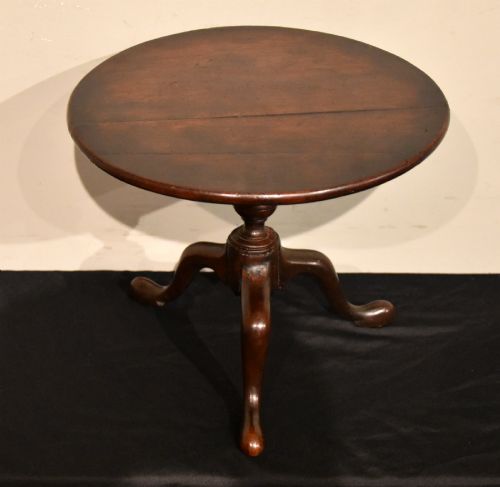
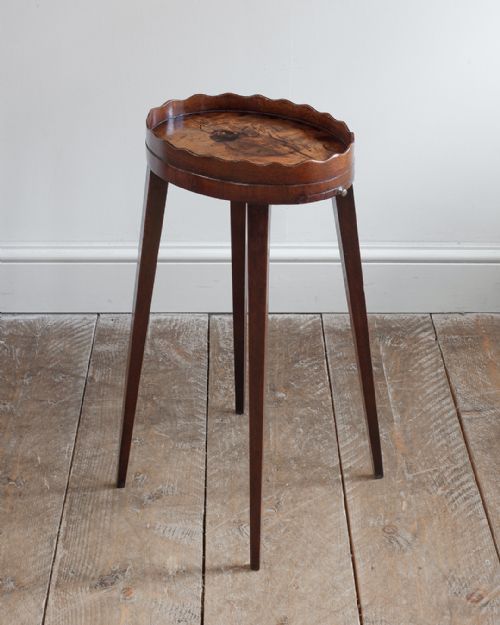
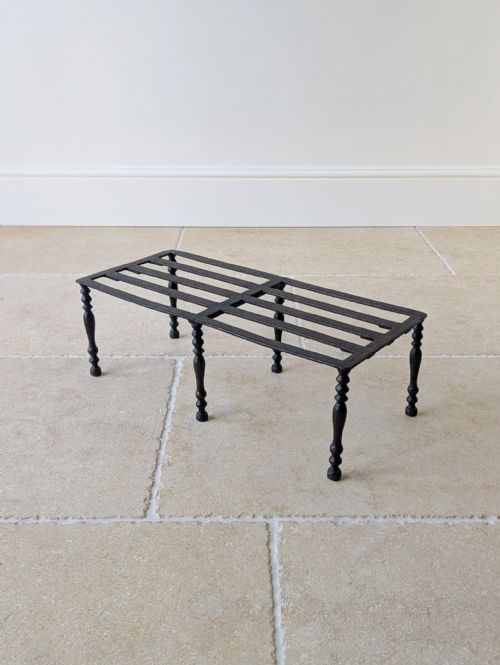
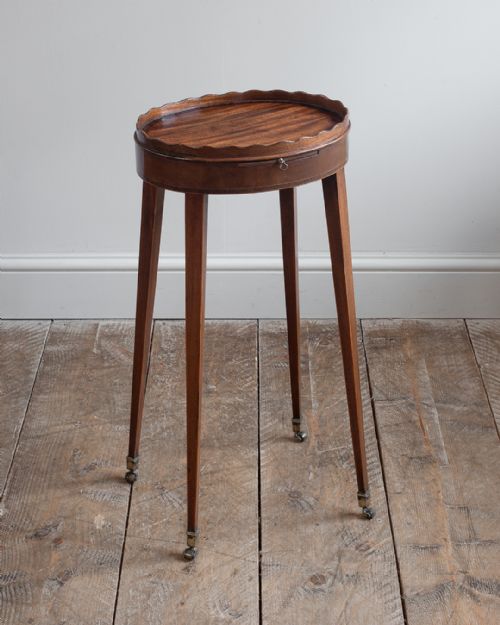
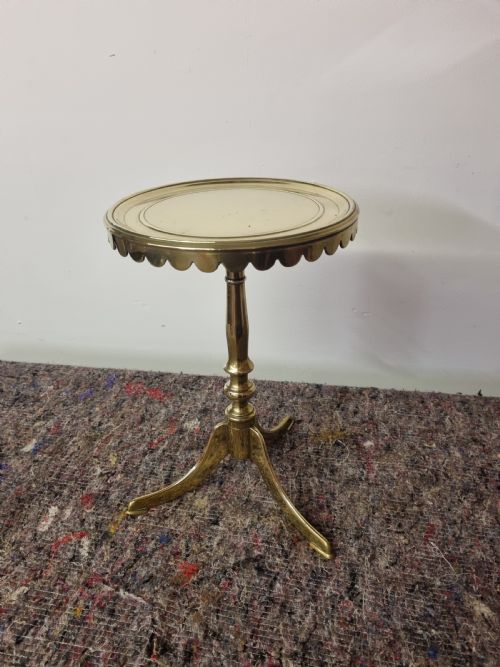
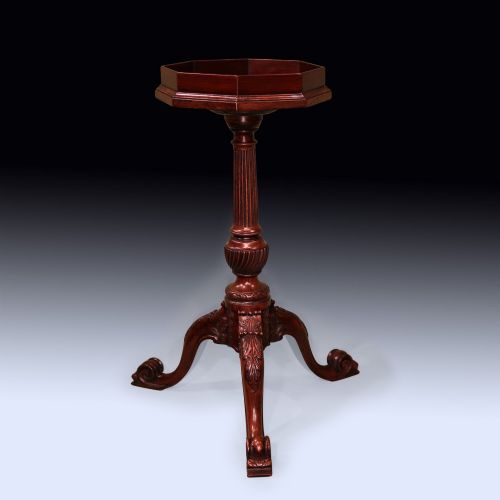
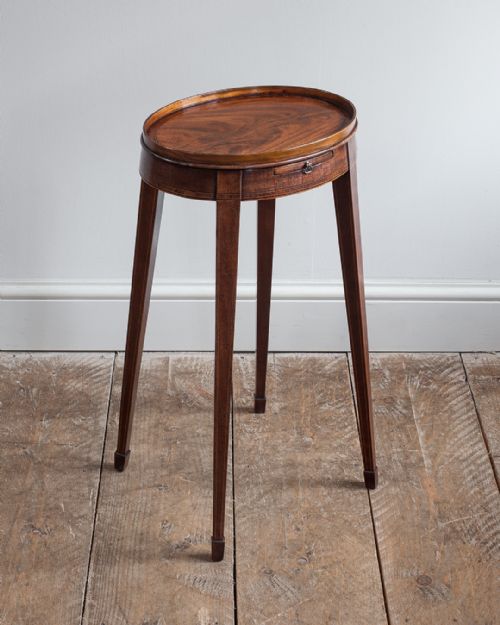
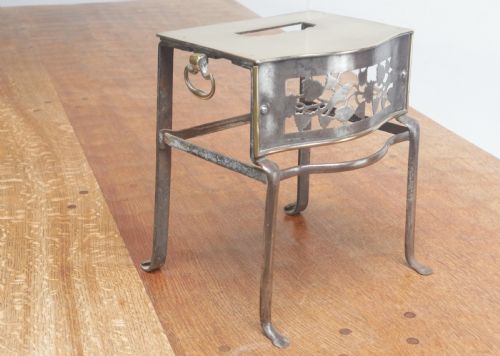
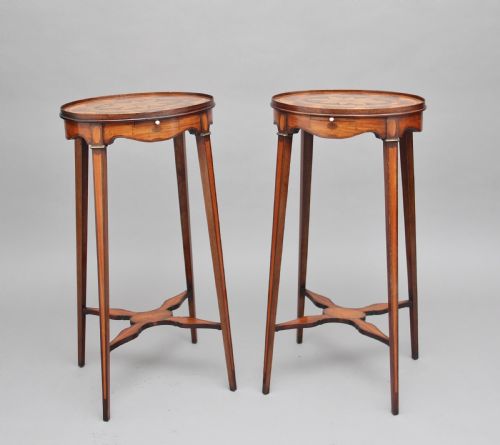
A georgian kettle stand covers a specific group of compact wooden tables and sturdy metal hearth accessories designed for the eighteenth and nineteenth centuries. The wooden examples appear as tripod tables, urn stands, and wine tables, whilst the metal versions take the form of footmen and trivets placed by the fire.
The wooden variants typically feature carved mahogany, walnut, or satinwood, often with dish tops or inlaid details. Metal stands combine brass and steel to sit directly in front of the hearth, warming water or keeping food hot above the coals.
Most pieces date from the eighteenth century through the Regency period, alongside later revivals from the nineteenth and early twentieth centuries. Buyers encounter both delicate tripod tables for the parlour and heavy iron or brass warmers intended for the kitchen or inglenook.
How They Were Made
Cabinet makers built the wooden stands from solid mahogany, yew wood, walnut, and satinwood, frequently turning slender central pillars and shaping tripod legs. Tops were often dished from a single solid timber board to prevent vessels from sliding, or finished with fine stringing and delicate inlay work.
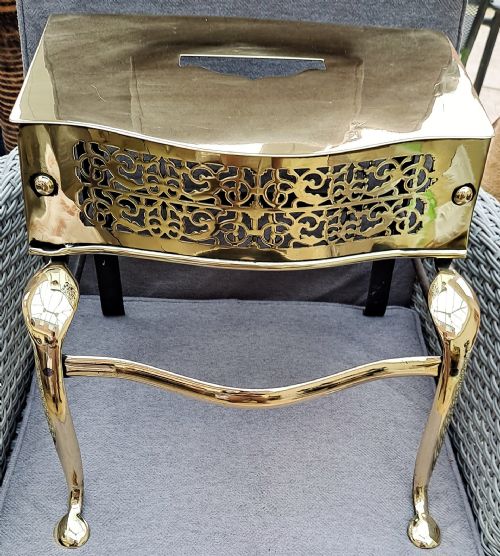
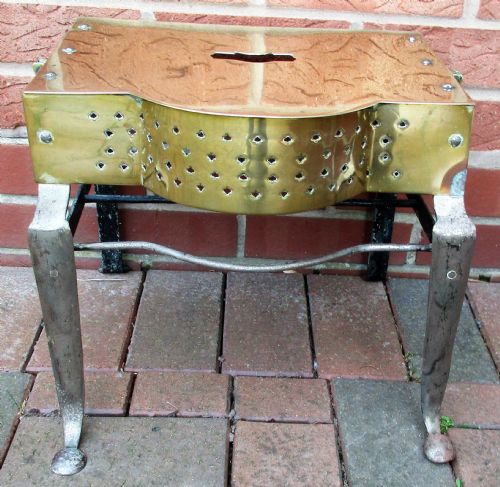
Metal hearth stands relied on hammered and forged wrought iron for strength, combined with polished brass plates and steel legs. Artisans pierced and engraved the brass aprons of footmen to let heat circulate whilst supporting heavy kettles and pots.
What Varies in Quality
The distinction between standard utility items and exceptional pieces lies in the crispness of the carving, the selection of figured timber, and the balance of the proportions. Superior wooden stands exhibit precise joinery in the tripod spider and fluid movement in the turned columns.
For metal hearth accessories, quality shows in the thickness of the brass plate, the depth and clarity of pierced decorative patterns, and the weight of the forged iron components. Better examples retain their original structural integrity without excessive wear to the metal or timber surfaces.
The Georgian Kettle Stand Glossary
- Footman
- A metal stand placed before a fireplace to hold a kettle or warm plates. These pieces use brass and steel construction.
- Tripod table
- A small freestanding table supported by three legs radiating from a central pillar. This form allows the stand to sit steadily on uneven floors.
- Urn stand
- A compact table designed specifically to hold a water urn for tea service. They often feature pull-out slides or raised edges.
- Dish top
- A tabletop carved with a concave recess from the solid wood. This prevents vessels from slipping off the surface.
- Trivet
- A low metal stand with short legs used to support a kettle near the fire. They appear in cast and wrought brass.
Georgian Kettle Stand: Frequently Asked Questions
What was a kettle stand used for?
These pieces served practical duties during tea service and fireside cooking in period homes. Wooden stands held heavy water urns or teapots away from polished main tables.
Metal stands placed near the hearth kept water hot over the coals. They functioned as portable heating stations within the living rooms and kitchens.
How do I tell an 18th century stand from a revival piece?
Eighteenth-century examples display honest wear patterns, hand-cut joinery, and timber patination developed over generations. The construction methods in the frame reveal the age of the wood.
Revival pieces from later periods often show uniform machine tooling and different finishing techniques. Examining the underside and the interior fixings clarifies the date of manufacture.
Can I use a antique kettle stand as a side table?
The compact proportions make these stands suitable for small spaces beside chairs or sofas. Their original height matches seating from the georgian period.
Care is needed with delicate surfaces when placing modern items upon them. Using coasters protects the antique timber from moisture and heat rings.
What is the difference between a footman and a wine table?
A footman is a heavy brass and steel accessory designed to sit directly in front of an open fire. It handles direct heat and heavy metal vessels.
A wine table is a wooden tripod stand meant for holding glasses or bottles in the parlour. It uses fine timber construction rather than heat-resistant metal.