


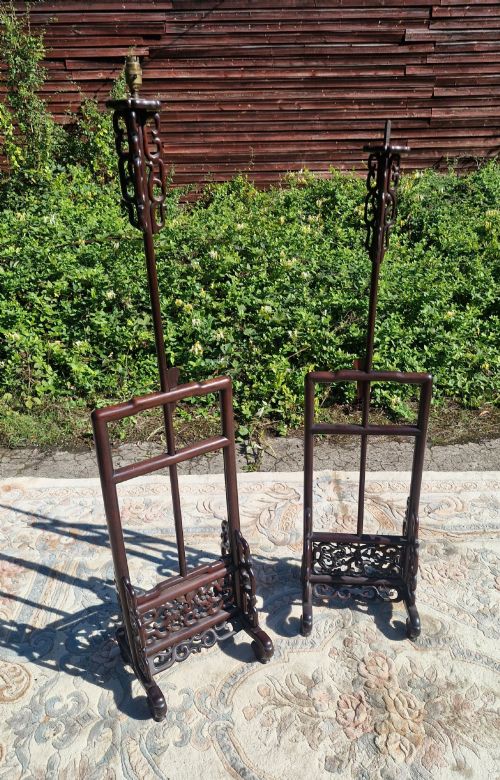
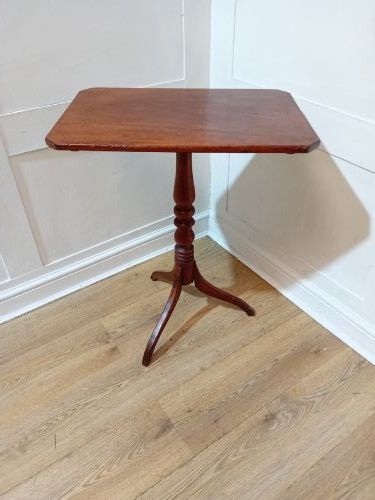
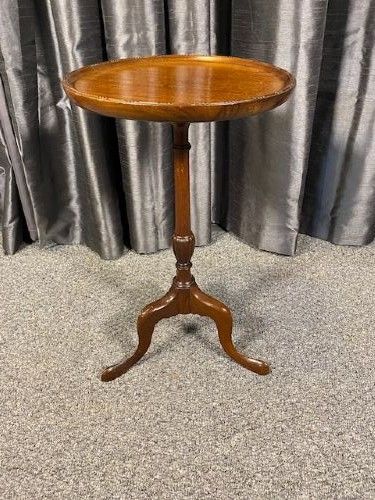
Brown Wooden Candle Stand
A brown wooden candle stand brings warmth and height to a dark corner, serving smaller lamps or candles with understated grace.
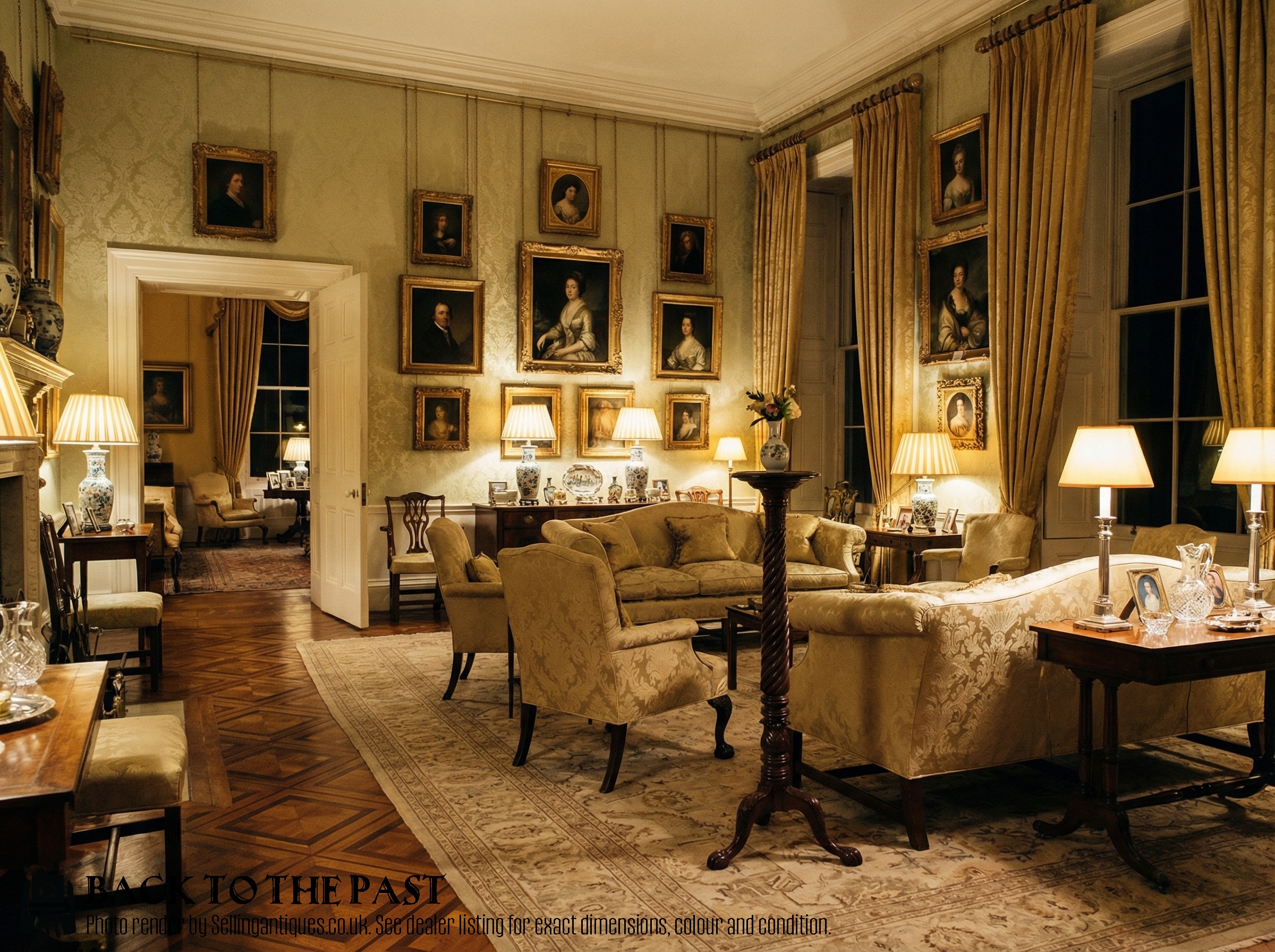
Brown Wooden Candle Stand
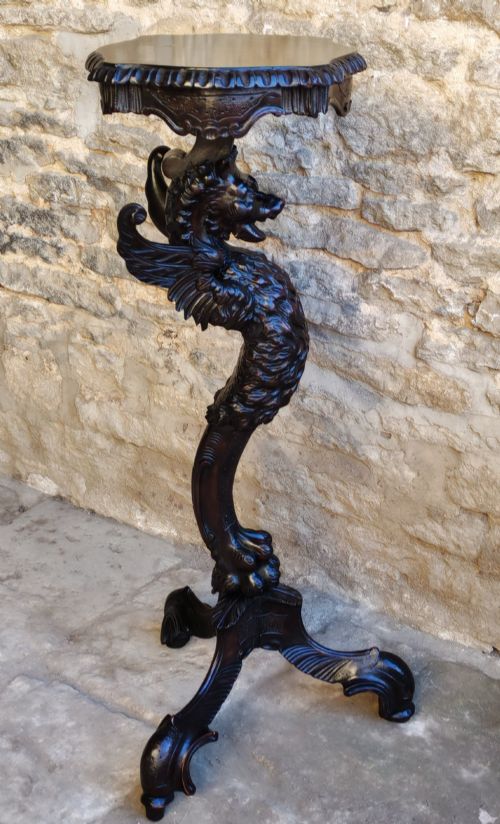
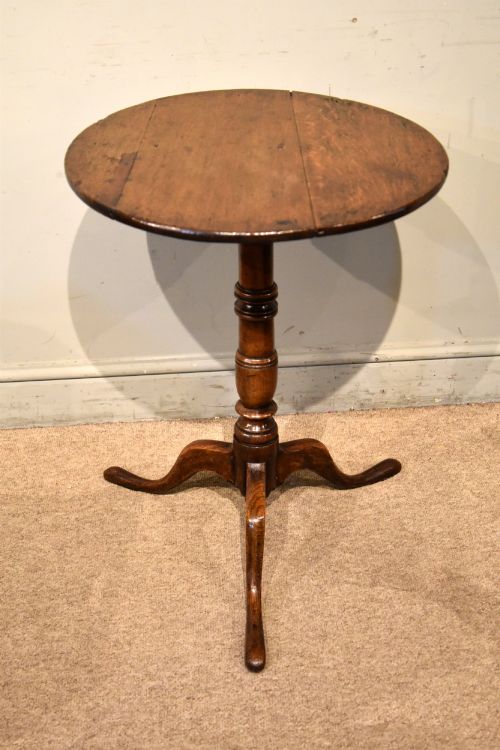
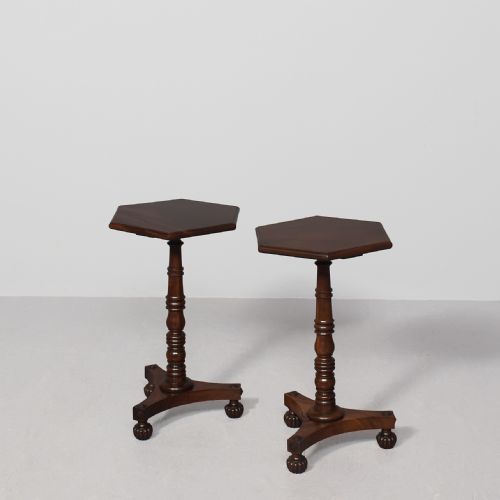
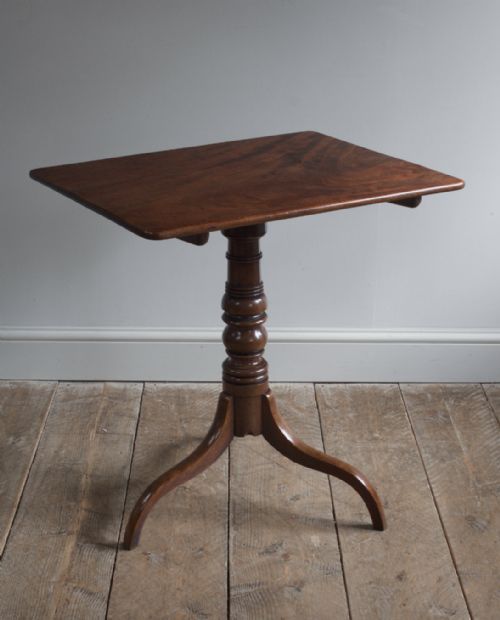
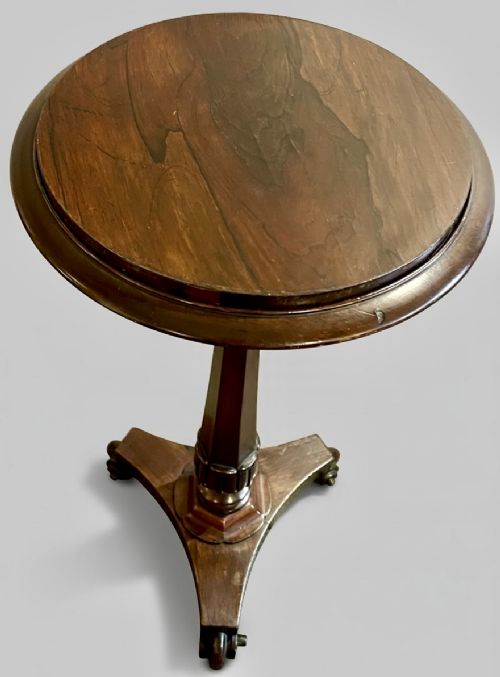
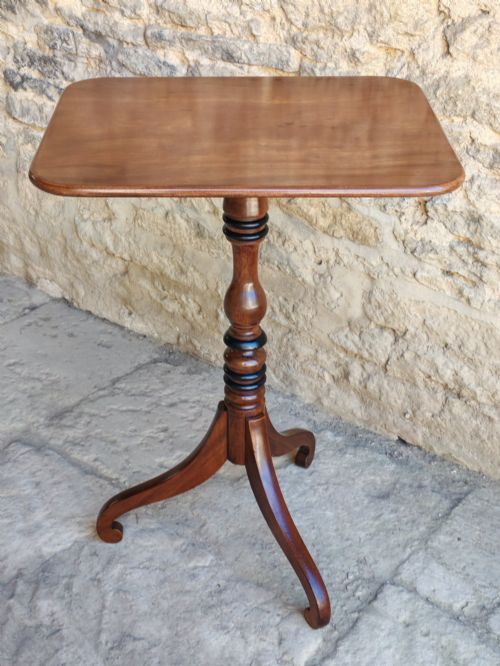
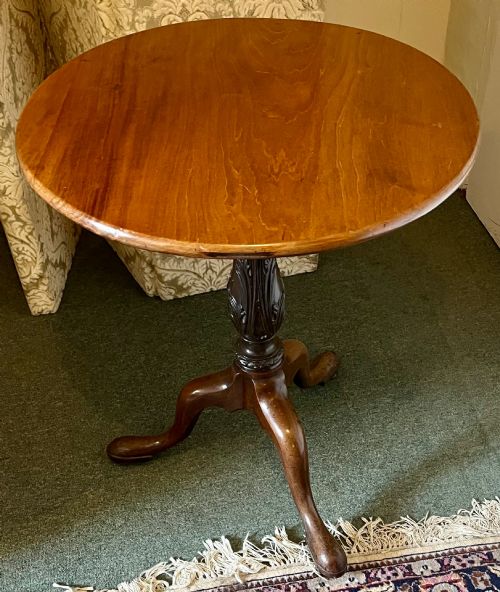
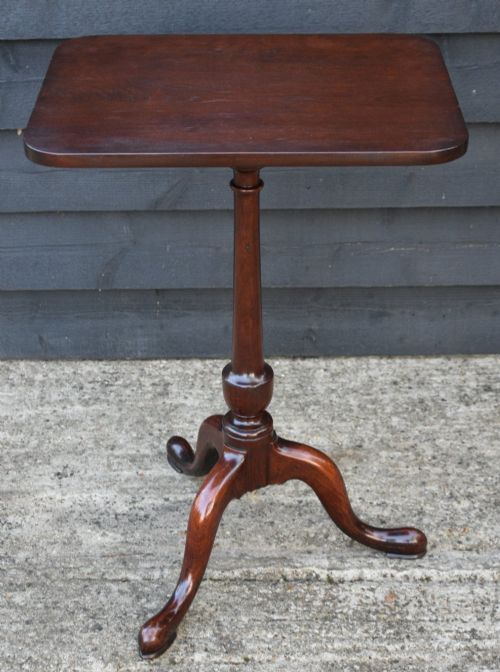
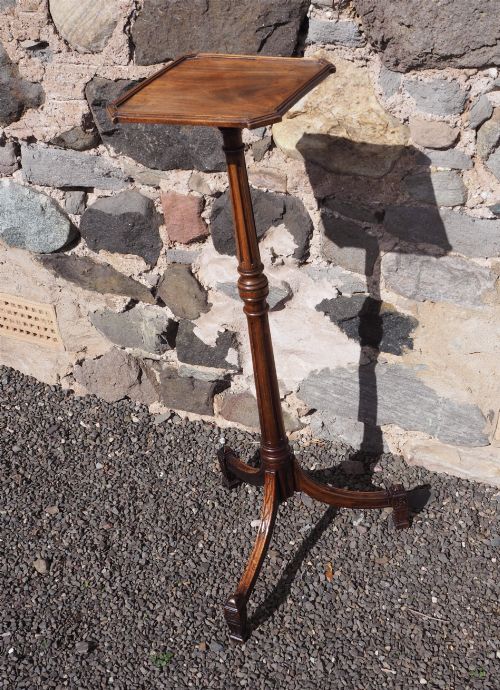
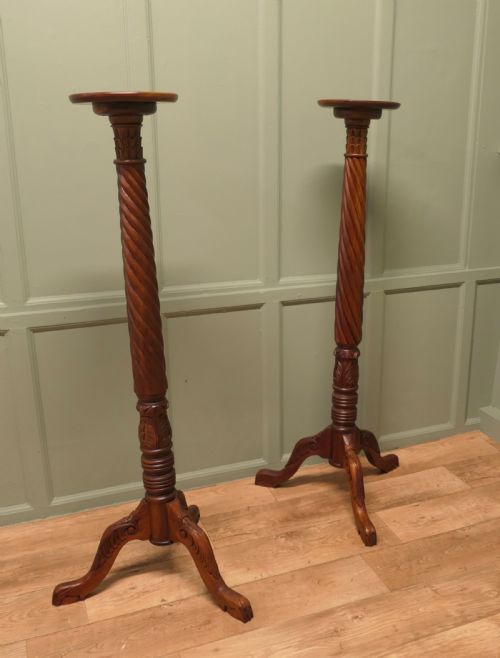
When searching for a brown wooden candle stand, buyers encounter a diverse selection of antique torchieres, tripod tables, urn stands, and wine tables. These pieces span several centuries, including Georgian, Regency, and Victorian periods, alongside later revival examples.
The dominant forms on this page include compact occasional tables and slender plant stands designed to elevate a single light source or decorative object. Walnut, mahogany, fruitwood, and oak provide the structural foundation for these timber pieces.
Originating from British, Dutch, and Chinese workshops, the inventory ranges from simple three-legged country examples to finely carved urban pieces with inlaid satinwood and tilting tops.
Materials and construction methods
Cabinetmakers utilised dense hardwoods such as mahogany and walnut, turning slender shafts on lathes and cutting solid timber tops for stability. Fruitwood and oak appear frequently in regional work, shaped with hand tools and pegged joints.
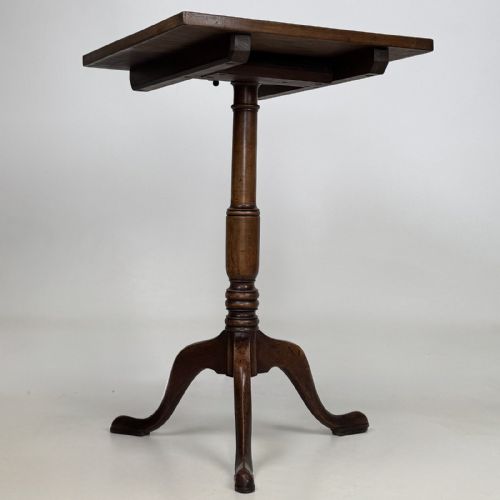
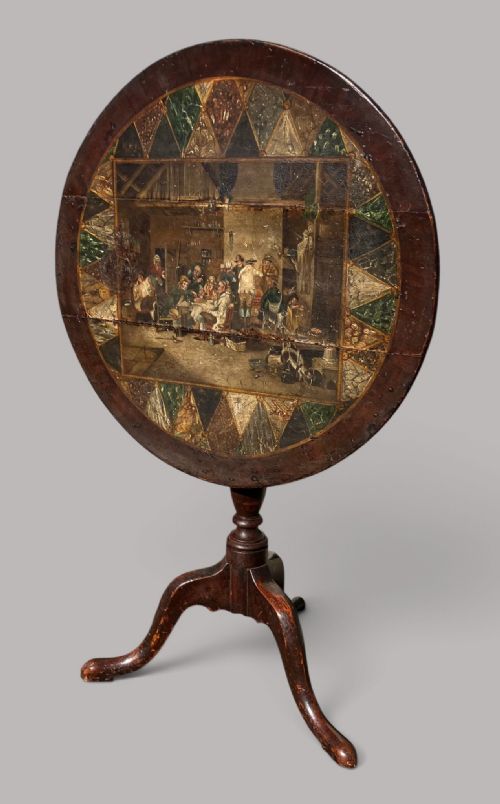
Tilt-top mechanisms rely on clever wooden catches and brass hinges, allowing the table surface to fold down when not holding a candle or urn. Tripod bases distribute weight across three splayed legs, often terminating in pad, spade, or carved claw feet.
Surface decoration includes floral marquetry, geometric stringing in satinwood, and open twist turnings executed by hand. These techniques require precise joinery to ensure the central column remains upright and balanced over the support legs.
Brown Wooden Candle Stand Retail Price Guide 2026
Typical asking prices for brown wooden candle stand among the pieces listed under this phrase on Sellingantiques today, from the lower quarter to the upper quarter. They describe what is for sale here now, not the wider market.
Current listings feature hardwood and fruitwood stands spanning the eighteenth, nineteenth, and early twentieth centuries.
Evaluating craftsmanship and proportion
The distinction between standard examples and superior pieces rests on the harmony of proportions and the crispness of the timber carving. Finer stands exhibit slender, well-turned columns that balance securely on evenly splayed tripod feet without wobble.
Timber selection and figure dictate visual appeal, with rich grain patterns in burr walnut or figured mahogany elevating the piece. Subtle details such as fine string inlay, hand-carved acanthus leaves, and original tilt-top hardware distinguish workshop masterworks from utilitarian items.
The Brown Wooden Candle Stand Glossary
- Torchere
- A tall, slender stand designed specifically to support a single candle or light fixture. These pieces often feature decorative turned shafts and elevated platforms.
- Tripod Table
- A small round table supported by three legs radiating from a central pillar. This construction prevents rocking on uneven historical floors.
- Tilt-Top
- A hinged table top that rotates into a vertical position for compact storage against a wall. The mechanism involves a wooden block and a spring catch.
- Urn Stand
- A small, often square or octagonal table created to hold a tea urn or warming vessel. These stands frequently incorporate pull-out slides or raised rims.
Brown Wooden Candle Stand: Frequently Asked Questions
What is a brown wooden candle stand used for?
These pieces originally held tallow candles, wax tapers, or heavy ceramic urns to provide localized illumination and convenience in period rooms. Today, they function effectively as lamp tables or plant stands in compact spaces.
Their narrow footprints allow them to fit beside armchairs or in neglected corners where standard furniture proves too bulky.
How do I distinguish between Georgian and Victorian stands?
Georgian pieces generally exhibit lighter proportions, restrained classical carving, and restrained mahogany or walnut veneers. Victorian examples often lean towards heavier turnings, darker finishes, and barley twist columns.
Examining the construction methods underneath the top and the specific style of the leg joints helps confirm the manufacturing era.
Are tilt-top tables stable?
A well-adjusted tilt-top mechanism holds the surface firmly horizontal when dropped into place against the central block. Minor play in older brass catches is normal after centuries of use.
Placing the stand on level flooring ensures the three-legged base remains steady despite the folding mechanism.
How should I clean antique wood surfaces?
Dust the timber regularly with a soft, dry cloth to prevent grit from accumulating in the grain or carved details. Avoid modern silicone sprays that build up and damage antique polish.
Applying occasional microcrystalline wax feeds the dry wood and maintains a gentle, authentic sheen without stripping the aged patina.