



Victorian Mahogany Torchere
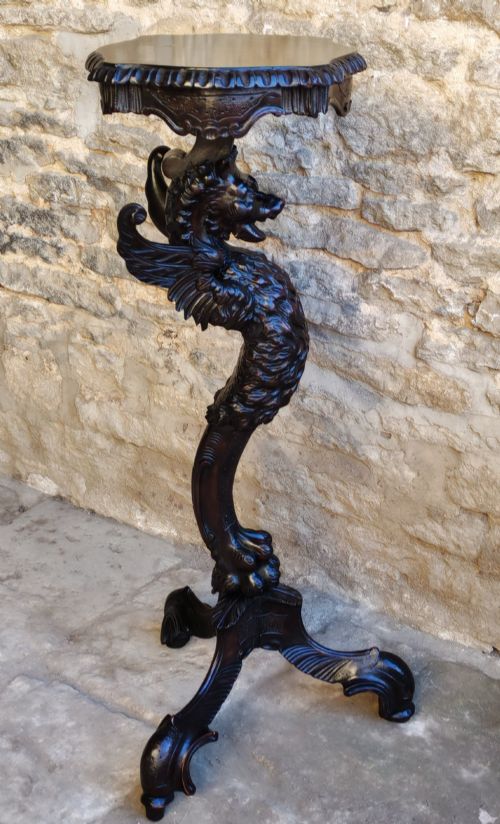
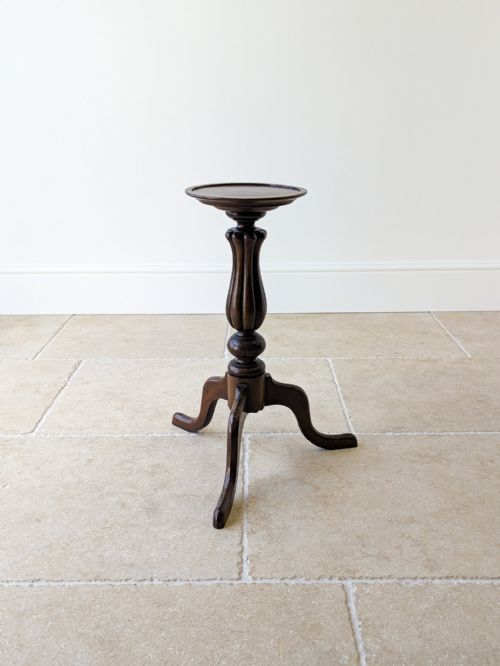
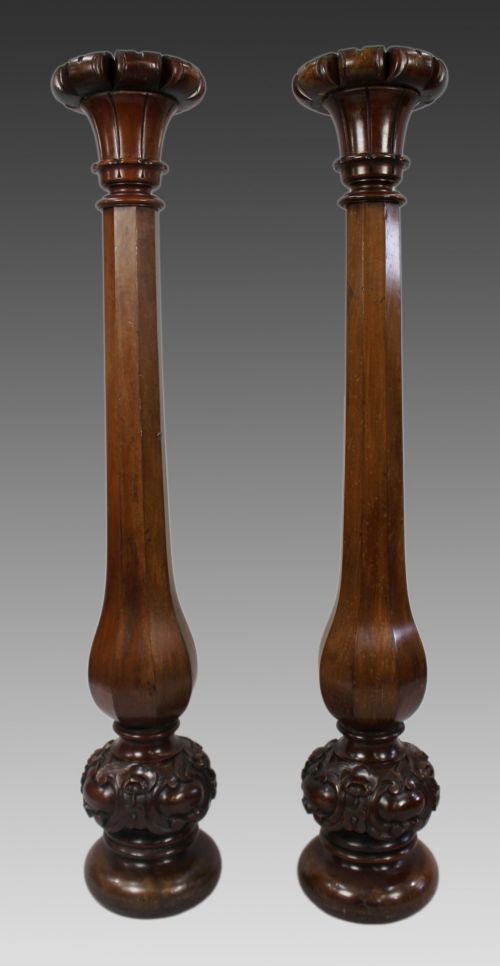
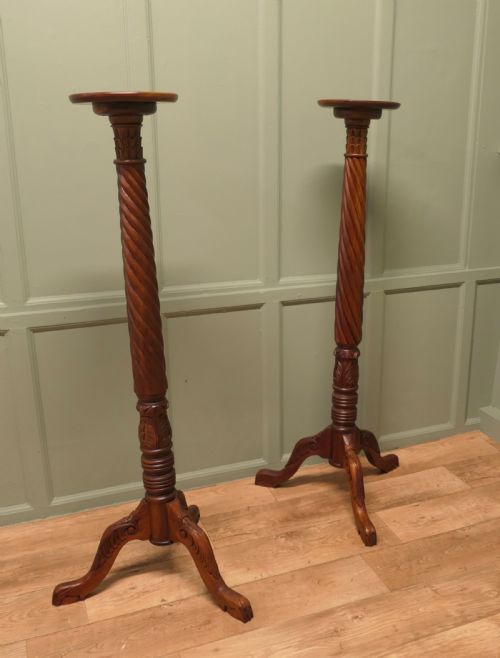
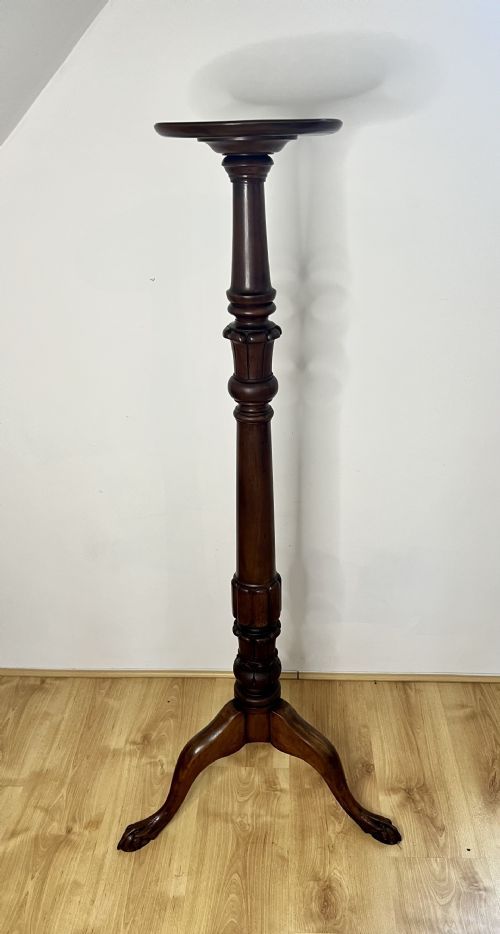
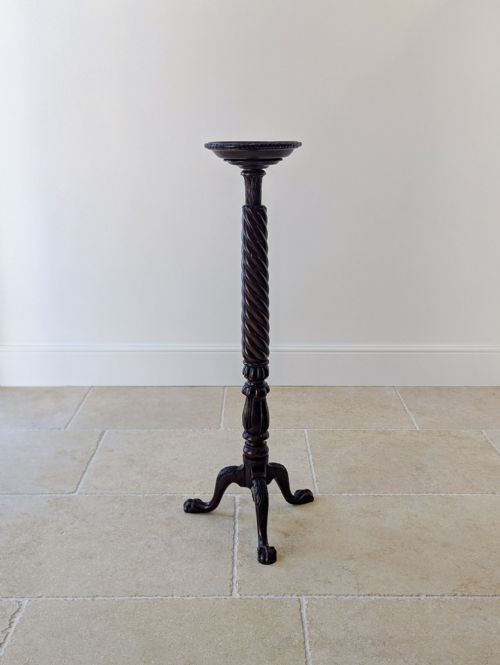
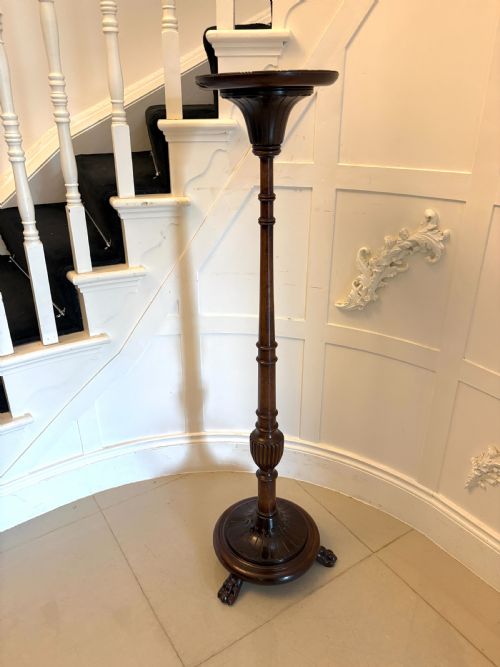
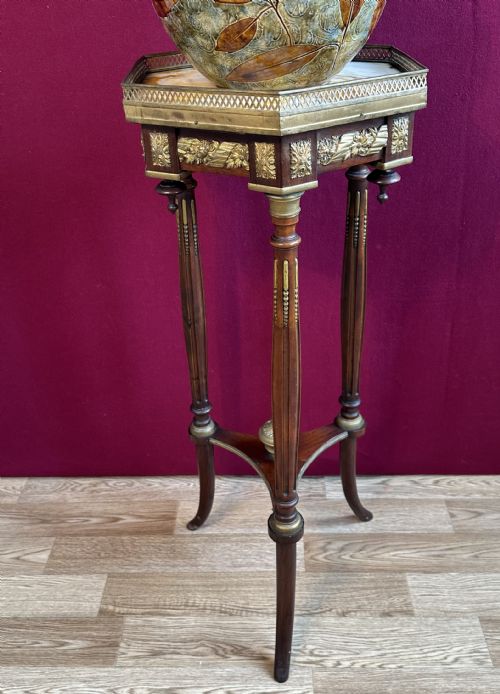
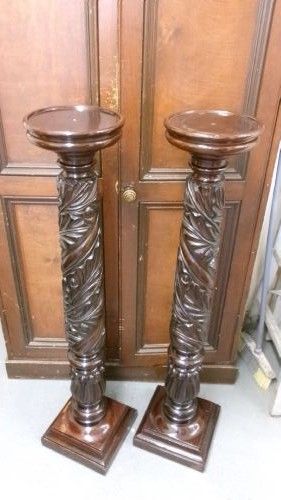
These Victorian mahogany torcheres are slender column stands designed to elevate lamps, plants or busts with architectural presence.
Victorian Mahogany Torchere
A victorian mahogany torchere is a tall, narrow stand designed primarily for holding lights, decorative plants, or sculptural busts within a room. You will encounter these pieces most frequently in traditional forms dating from the nineteenth century, often featuring slender columns supported by tripod bases.
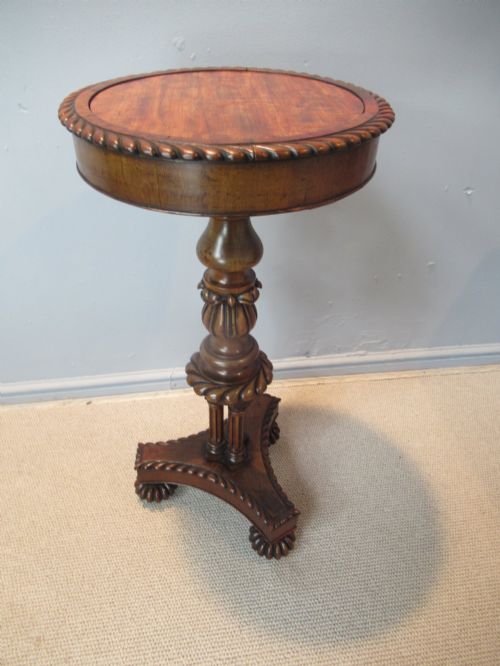
The selection here encompasses various related support furniture, including plant stands, jardiniere stands, and column pedestals. Makers of the period drew upon diverse stylistic influences, ranging from straightforward classical columns to elaborate revival designs incorporating carved foliate details.
Assessing quality
The distinction between ordinary and superior stands rests upon the depth and crispness of the carved ornamentation on the column and legs. Heavily figured timber and robust structural stability distinguish finer examples from simpler utility pieces.
Proportion and balance dictate the success of these tall stands, where slender columns must meet stable bases without feeling top-heavy. The integration of decorative brass work or intricate rope twist turning further separates standard production from exceptional craftsmanship.
Victorian Mahogany Torchere Retail Price Guide 2026
Typical asking prices for victorian mahogany torchere among the pieces listed under this phrase on Sellingantiques today, from the lower quarter to the upper quarter. They describe what is for sale here now, not the wider market.
Several Victorian stands proudly feature hand-carved game bird designs peeking out from the foliage on their tripod legs.
The Victorian Mahogany Torchere Glossary
- Torchere
- A tall ornamental stand originally intended to carry a torch or candle, later adapted for lamps and urns. These stands provide vertical emphasis in room interiors.
- Jardiniere stand
- A decorative pedestal designed specifically to hold a plant container or flower trough. They share a similar vertical format with torchere stands.
- Tripod base
- A three-legged support system providing stability for tall, narrow furniture. This configuration prevents tipping when heavy objects rest on top.
- Reeded
- A surface decorated with parallel convex mouldings resembling bundled reeds. This classical turning technique appears frequently on column shafts.
- Ormolu
- Gilt bronze mounts applied to furniture for decorative enrichment. They add metallic contrast to the dark mahogany timber.
Victorian Mahogany Torchere: Frequently Asked Questions
What were torcheres used for?
Torcheres originally functioned as elevated stands for holding lighting devices such as candles or oil lamps in large rooms. Over time, their purpose expanded to display decorative items, potted plants, and sculptural busts.
Today, they serve similar interior roles as display columns, utilising vertical space effectively in corners or beside seating furniture.
How do I place a torchere at home?
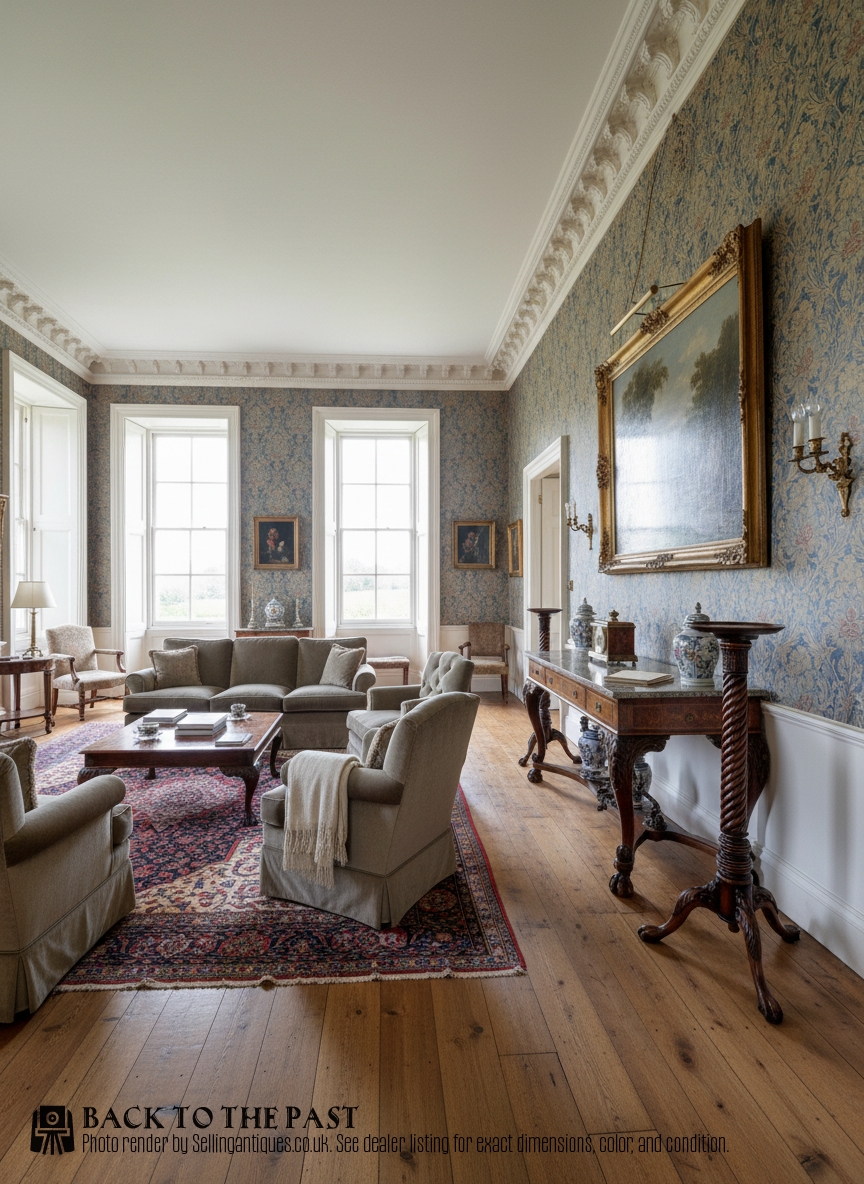
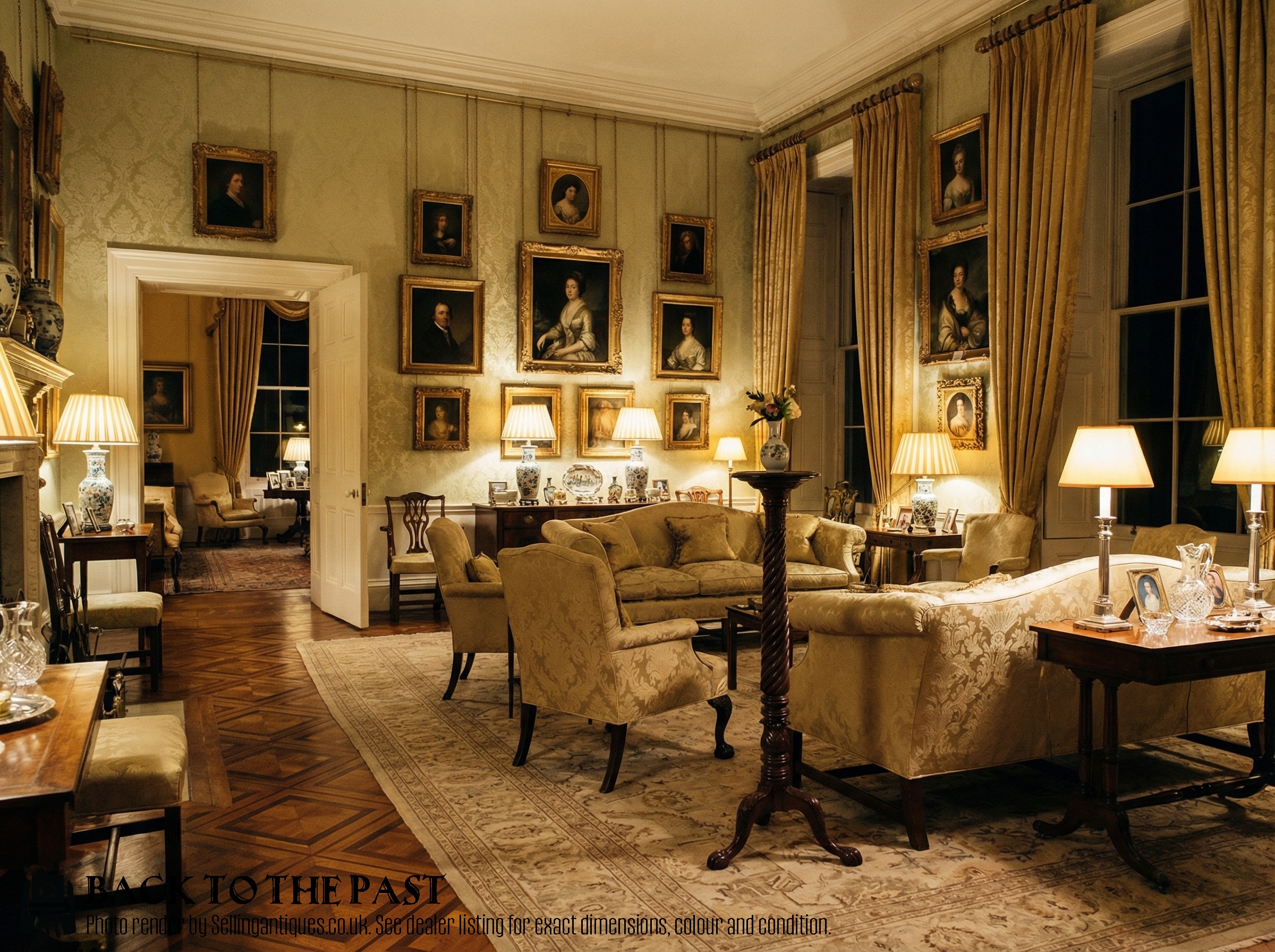
These tall stands suit corners, empty wall spaces, or areas requiring height variation in room layouts. They function well supporting table lamps, trailing plants, or decorative ceramic vessels.
Ensure the stand rests on a level surface, as the tall column and narrow base require physical stability in busy walkways.
How do I date a Victorian torchere?
Dating relies on examining the timber, turning styles, and decorative carving motifs present on the column and base. Earlier nineteenth-century examples often display simpler classical proportions, while later Victorian pieces frequently incorporate heavier revival carving.
Comparing the turning techniques and leg configurations with documented period pieces helps narrow down the decade of manufacture.
Are plant stands the same as torcheres?
Plant stands and torcheres share overlapping forms and functions, often appearing interchangeably in historical listings and modern descriptions. Both provide elevated platforms for decorative objects.
Torcheres historically emphasise lighting origins with slender columns, whereas plant stands occasionally feature broader tops or built-in liners for foliage.