

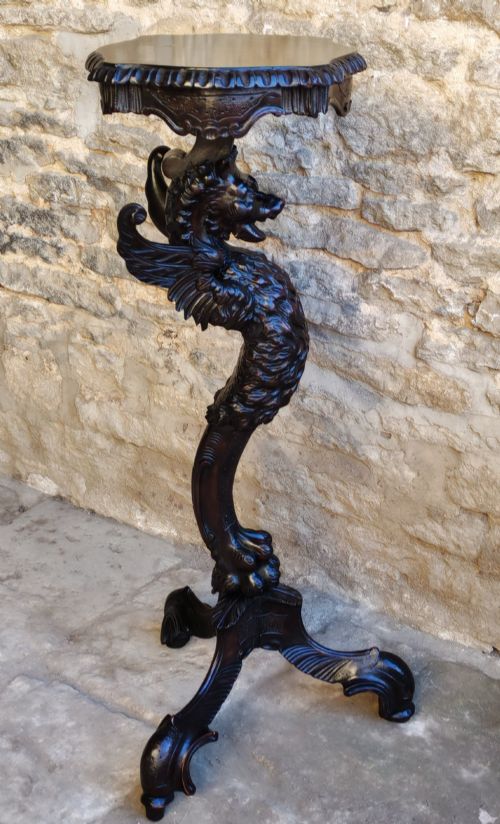
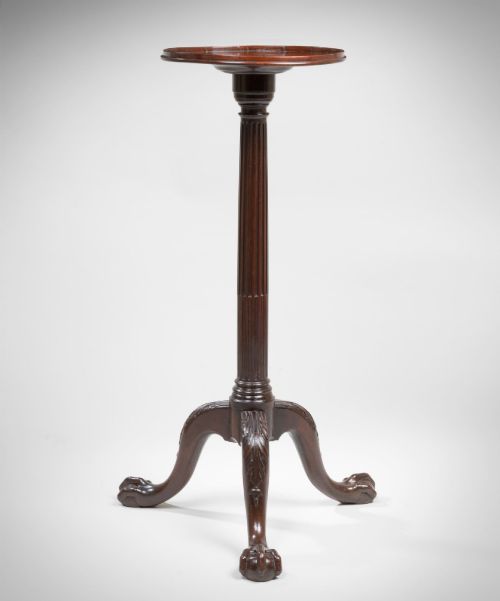
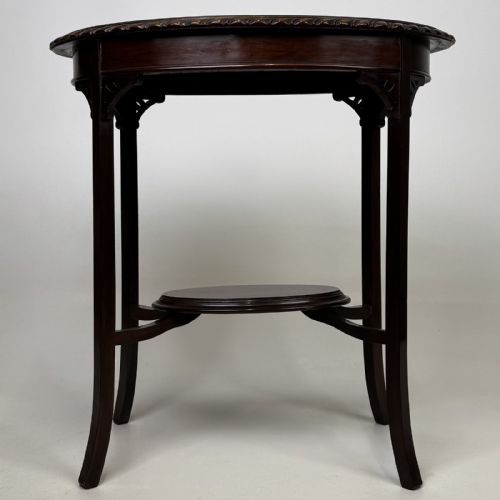
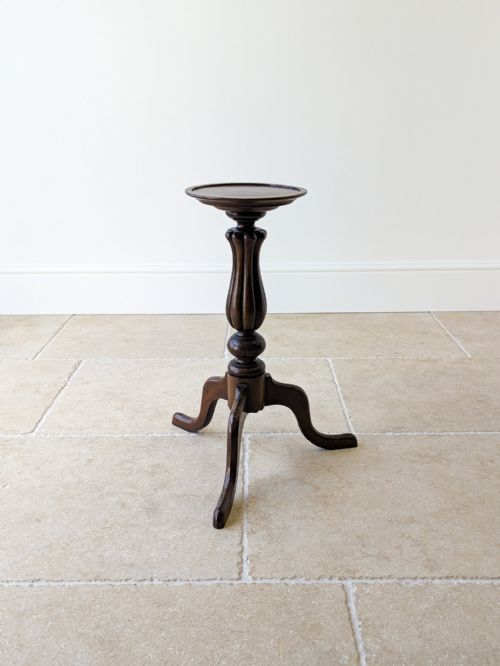
Carved Mahogany Plant Stand
These carved mahogany plant stands bring height and structure to a room, holding heavy pots and pedestals with quiet authority.
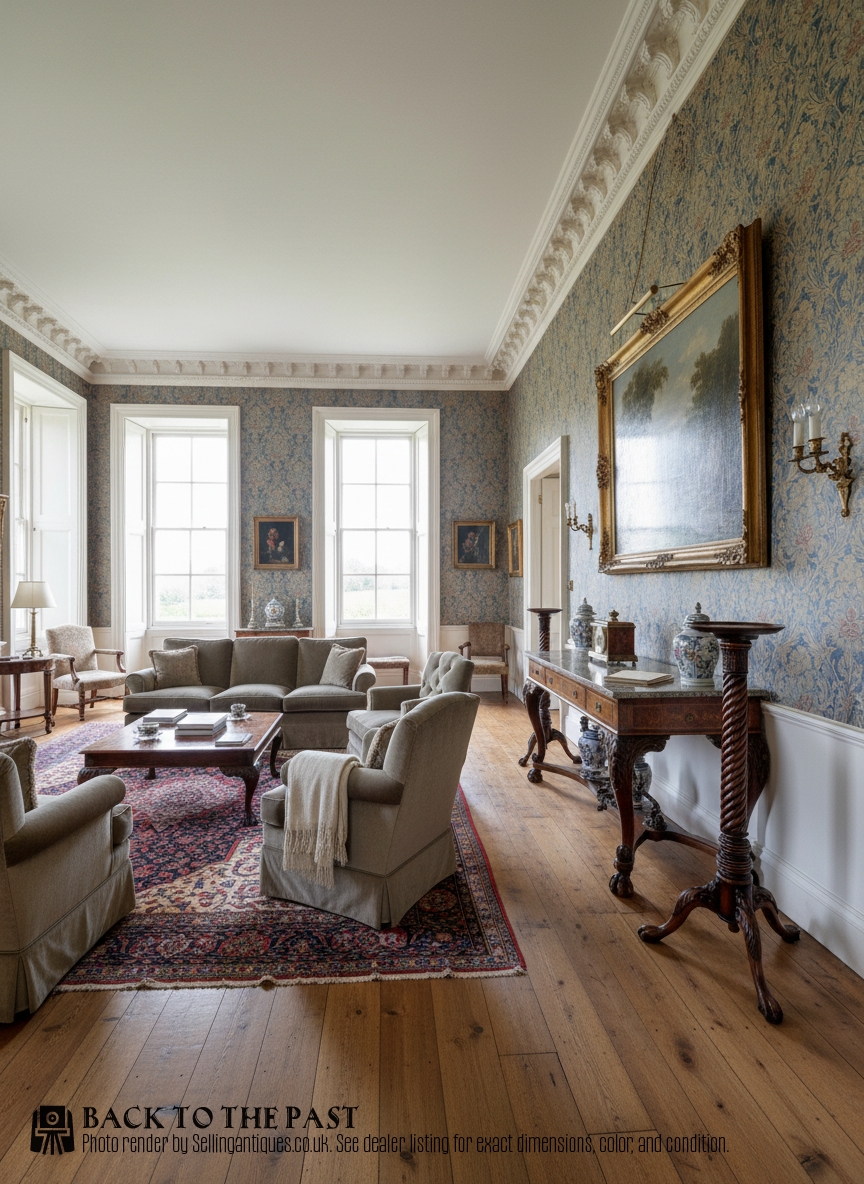
Carved Mahogany Plant Stand
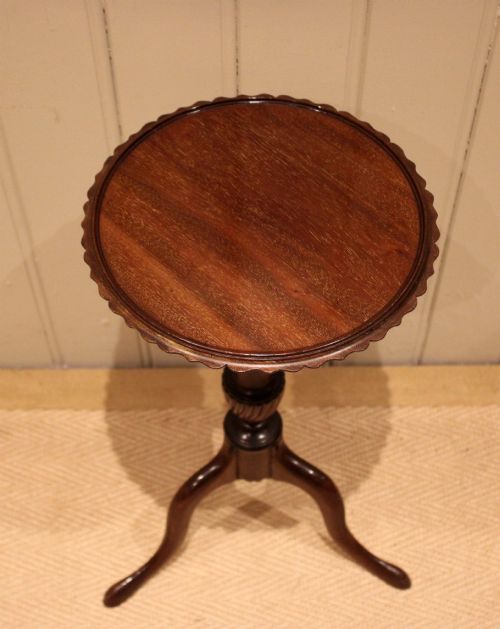
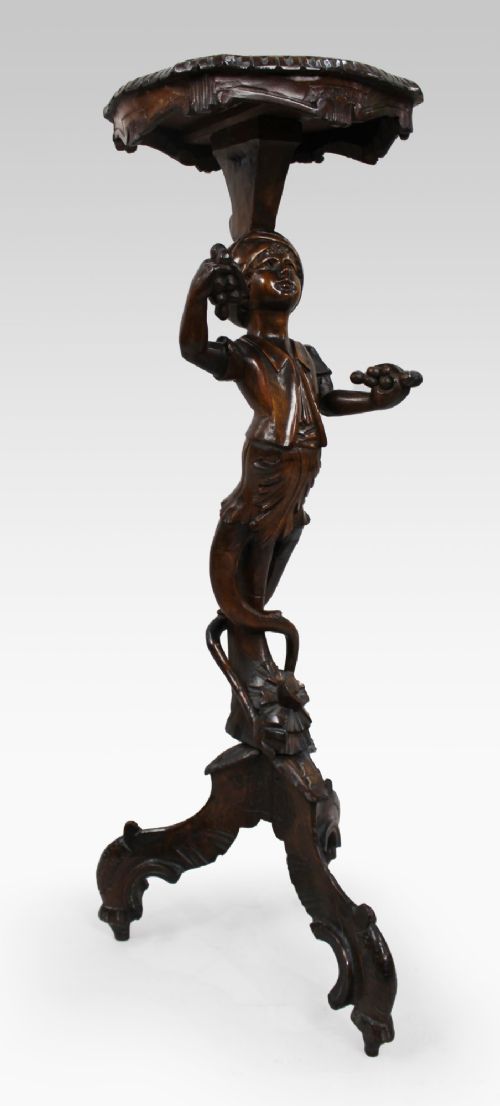
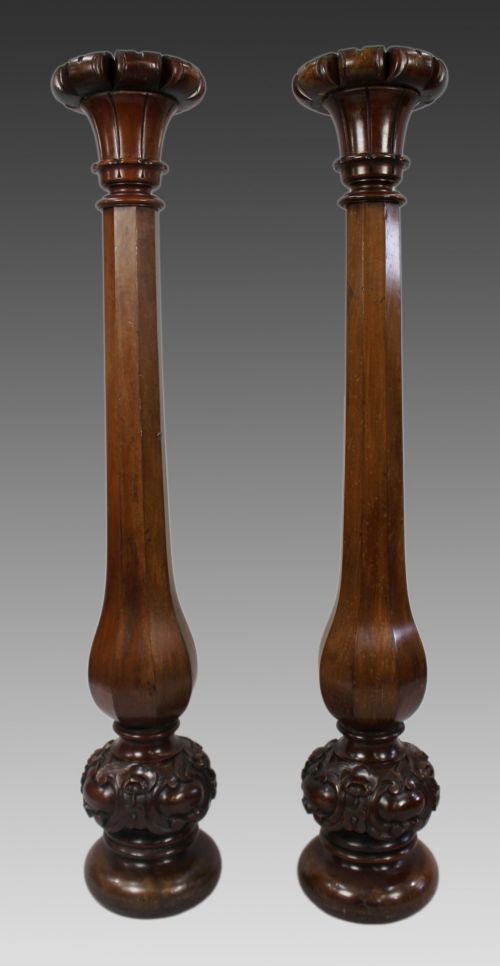
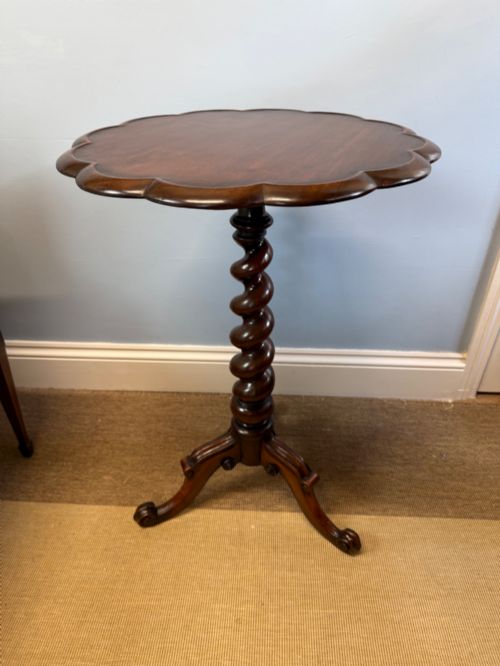
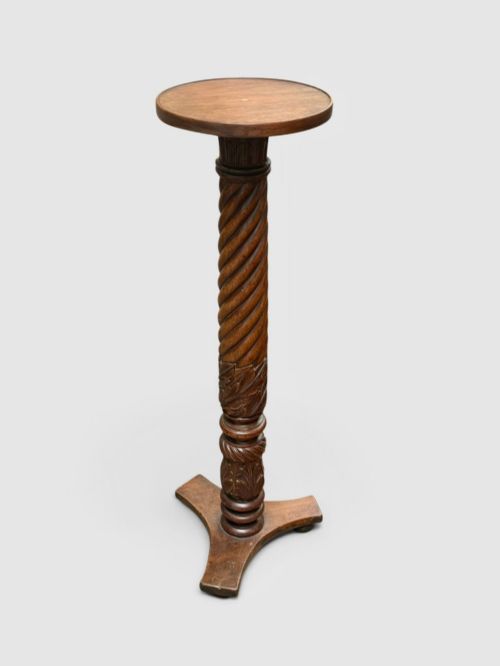
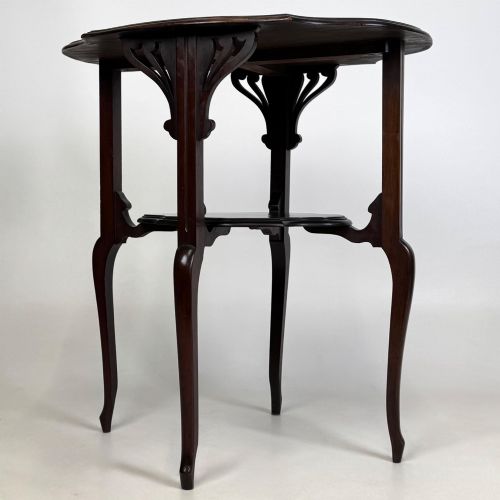
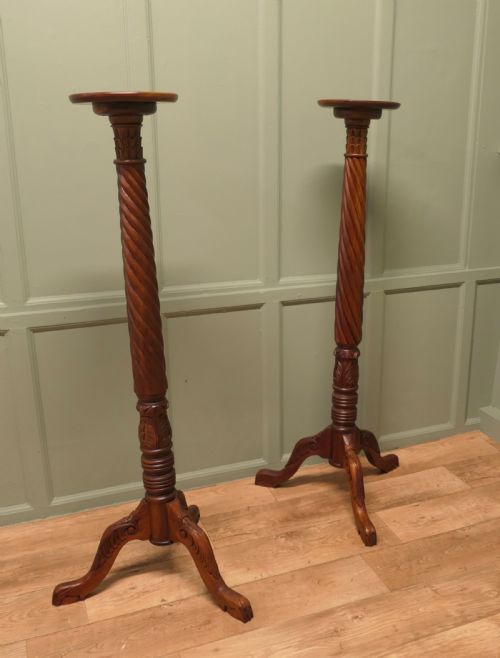
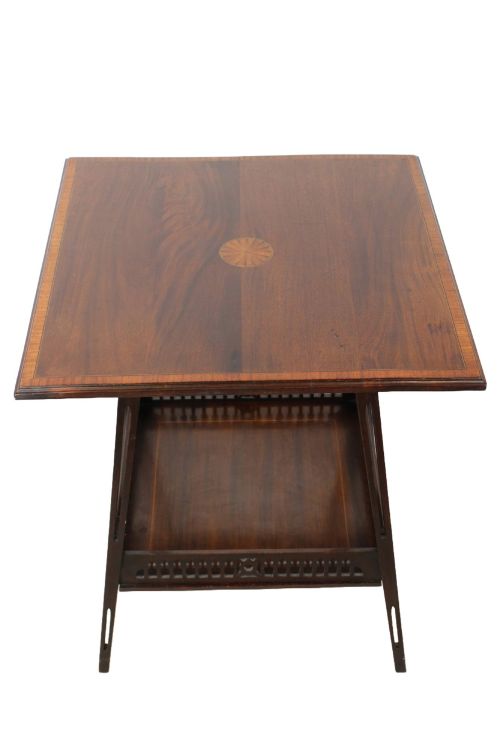
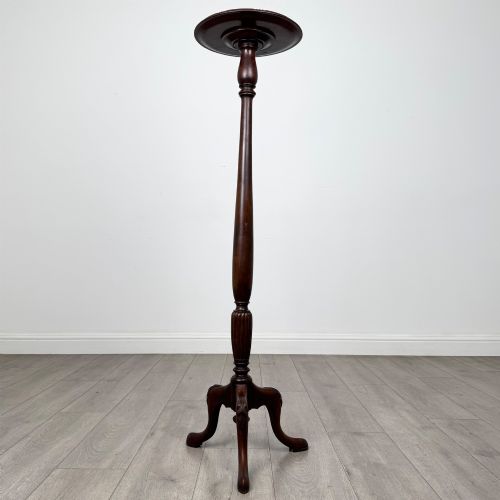
A carved mahogany plant stand takes many forms across this selection, appearing as tall torcheres, tripod tables, jardiniere holders, and display pedestals. These pieces emerge chiefly from the Victorian and Edwardian eras, alongside earlier Georgian examples and later revivals.
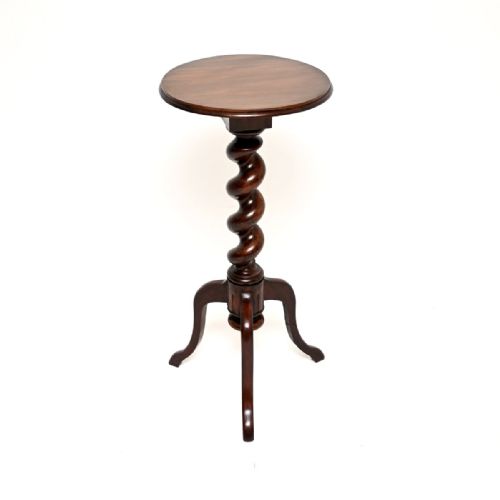
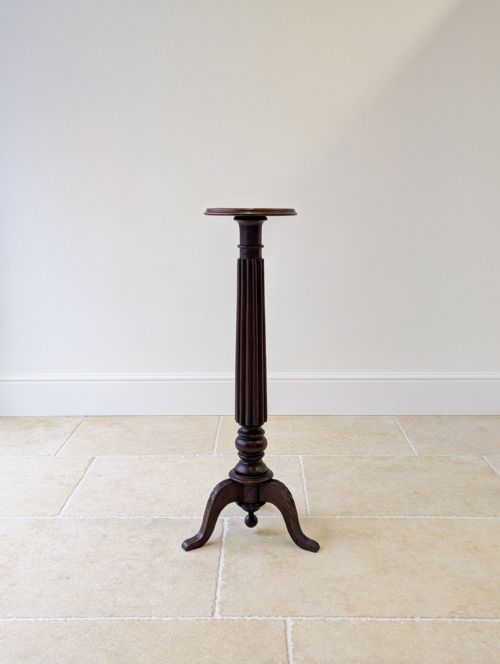
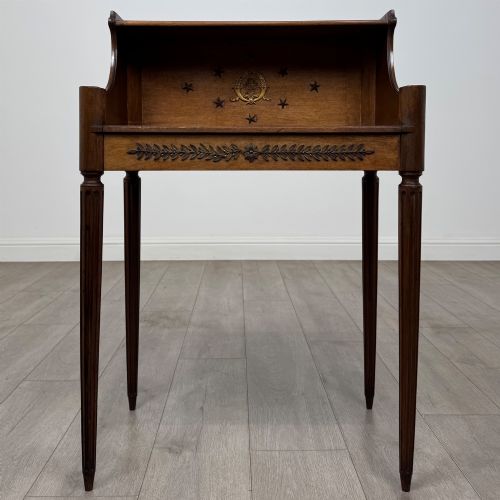
The buyer meets slender column supports, round dish-topped tripod tables, and tall tapering stands designed to elevate plants, busts, or lamps. Forms span simple occasional tables to elaborate French Neoclassical and Chinese Export designs.
Origin periods stretch from the eighteenth century through the nineteenth century and into the early twentieth century, showing a steady domestic demand for raised display surfaces in reception rooms and hallways.
Materials and Construction
Makers rely primarily on solid mahogany and rich hardwoods, frequently pairing the timber with brass mounts, marble inserts, or satinwood and rosewood stringing for contrast and decorative detail.
Carving defines the surfaces, executed with fluted columns, barley twists, or elaborate fretwork. Tripod bases dominate the structural support, anchoring slender uprights with robust three-legged feet.
Carved Mahogany Plant Stand Retail Price Guide 2026
Typical asking prices for carved mahogany plant stand among the pieces listed under this phrase on Sellingantiques today, from the lower quarter to the upper quarter. They describe what is for sale here now, not the wider market.
Listings feature mahogany, brass, marble, satinwood, and rosewood across Victorian, Edwardian, and Georgian periods.
Craftsmanship and Proportion
Quality rests in the crispness of the timber carving and the stability of the tripod or column base. Superior examples maintain exact vertical balance and crisp detailing on capitals and feet.
Timber selection dictates the finish, where deeply figured grain and rich original patina elevate an ordinary occasional table into a distinguished display piece.
Trevor Page & Co·Shapland and Petter
The Carved Mahogany Plant Stand Glossary
- Torchere
- A tall, slender stand designed to support a lamp, candle, or plant. These elevated pieces utilise small circular tops and sturdy vertical shafts.
- Tripod base
- A three-legged support structure commonly found on nineteenth-century stands. This configuration provides stable ground contact for tall, narrow columns.
- Jardiniere
- A decorative container or stand specifically made to hold plants and flowers. These items often incorporate waterproof liners or raised rims.
- Dish-topped
- A circular tabletop with a concave centre carved from the solid timber. This profile prevents pots or small objects from sliding off the edge.
- Barley twist
- A spiral turning carved into the vertical pillar of a stand. This decorative woodworking technique creates deep helical shadows along the shaft.
Carved Mahogany Plant Stand: Frequently Asked Questions
What is a torchere plant stand?
A torchere plant stand is a tall, narrow piece of furniture designed to elevate decorative pots, lamps, or sculptural busts above floor level.
Originally built to hold lighting in dim rooms, these stands function today as vertical display surfaces that draw the eye upward in domestic interiors.
How do I date a mahogany stand?
Dating relies on observing the timber grain, construction methods, and stylistic cues such as carved claw feet or reeded columns.
Victorian pieces often display heavier proportions and machine-assisted turnings, whereas eighteenth-century Georgian examples show finer hand-carved details and lighter joinery.
Can these stands hold heavy pots?
Most antique stands feature solid mahogany construction and stable tripod bases designed to bear substantial weight without tipping.
Heavier marble-topped or wide-columned versions offer exceptional stability for large ferns, heavy ceramic jardiniere bowls, or bronze figures.
Where should I place a plant stand?
These tall stands suit corners, empty hallway spaces, or windowsills where they add architectural height to flat room layouts.
Pairing a slender column with trailing foliage or a bronze bust creates a striking focal point without occupying valuable floor space.