


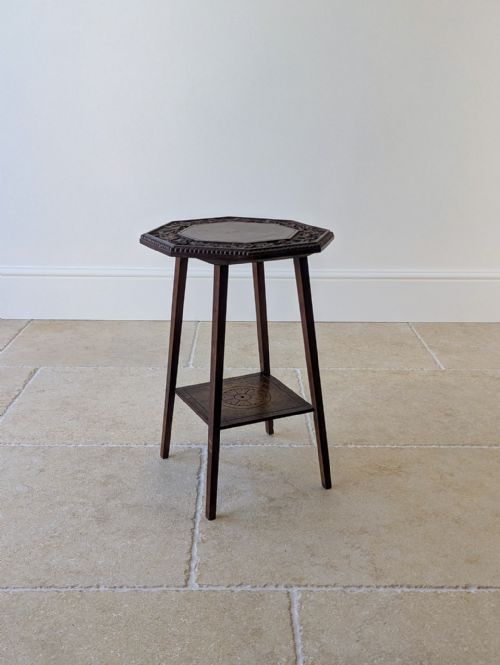
Victorian Pedestal Stand
A Victorian pedestal stand brings height and presence to a room, offering a sturdy stage for sculpture, plants or lamps.
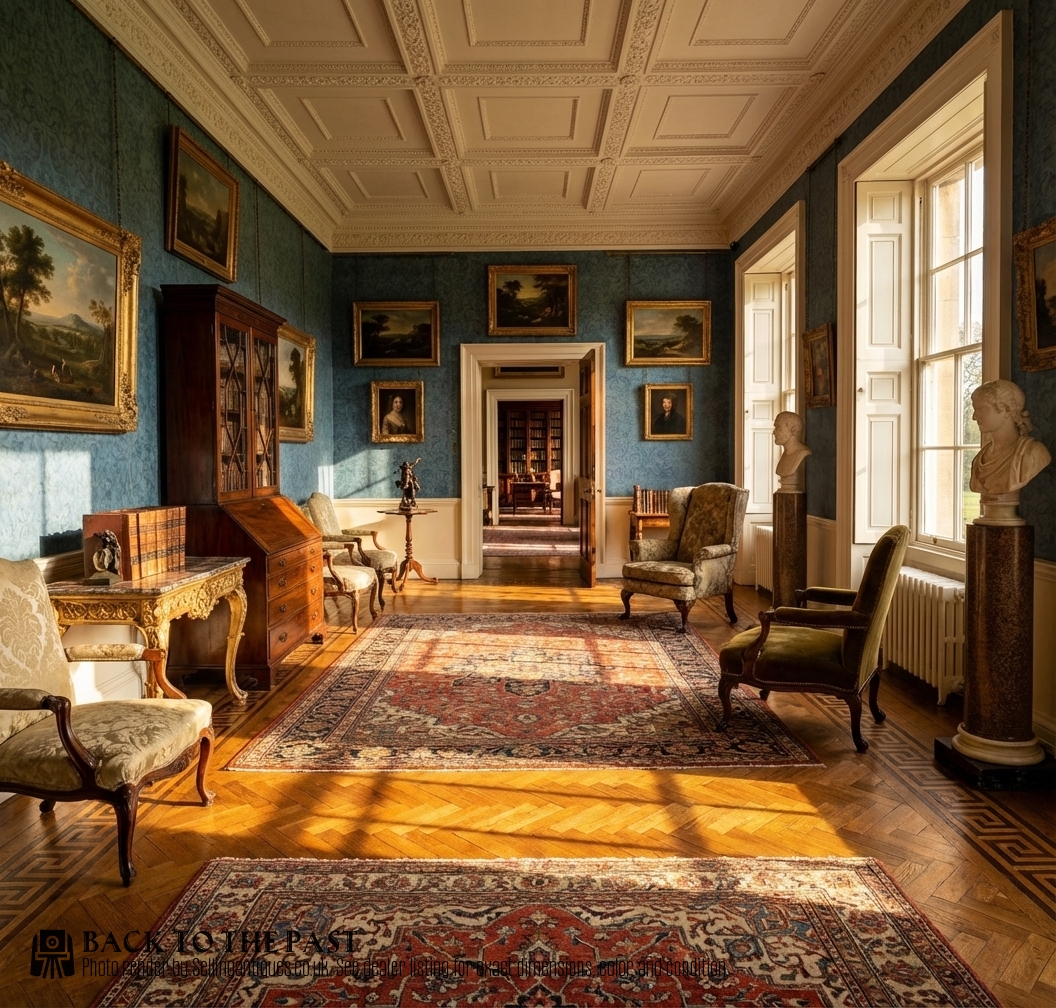
What these pieces are
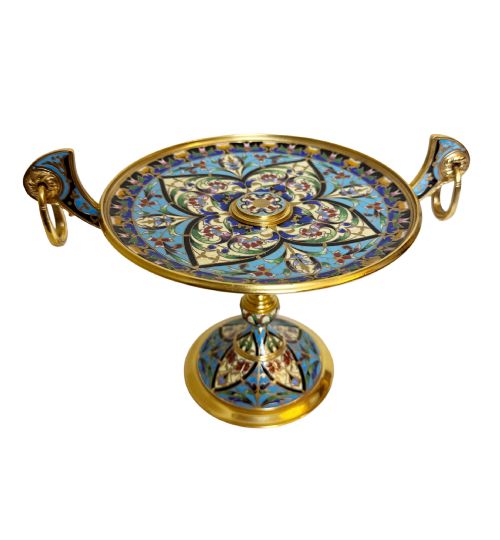
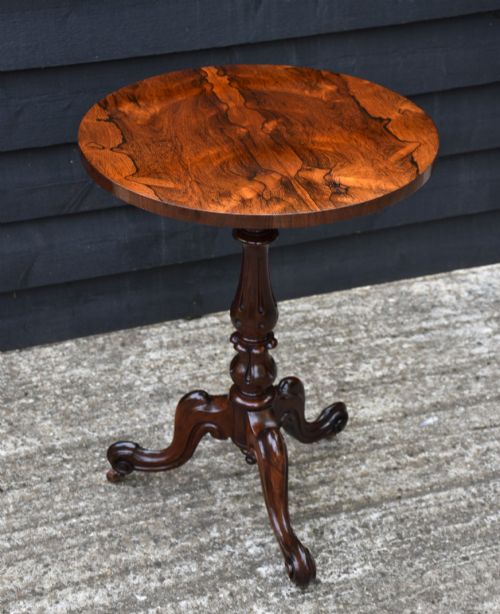
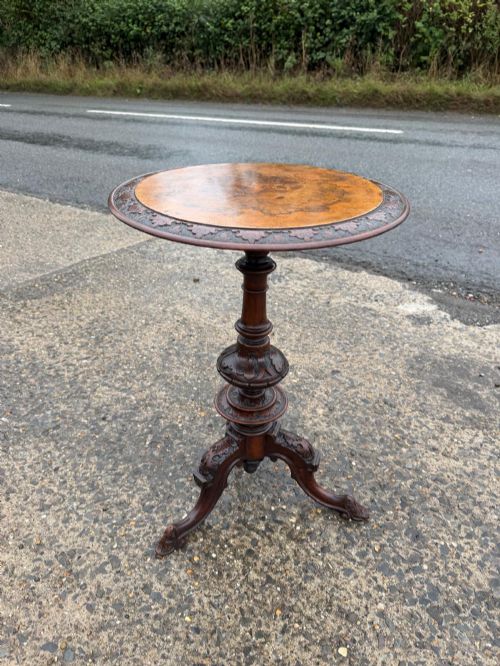
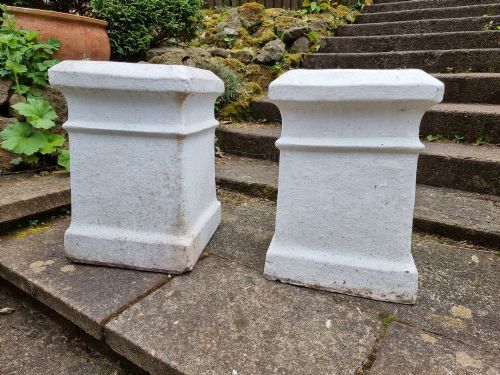
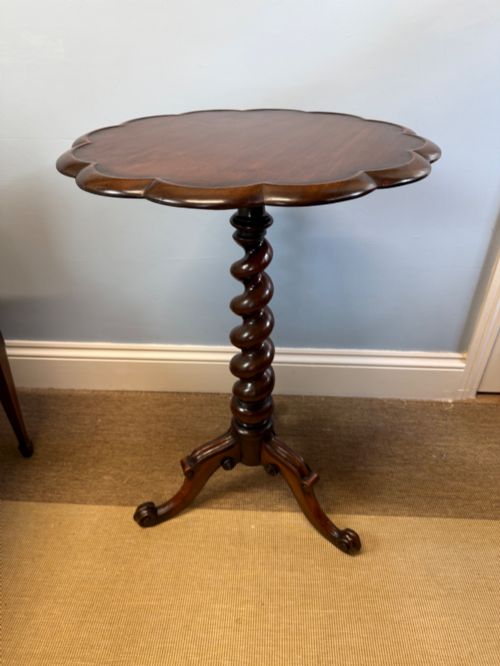
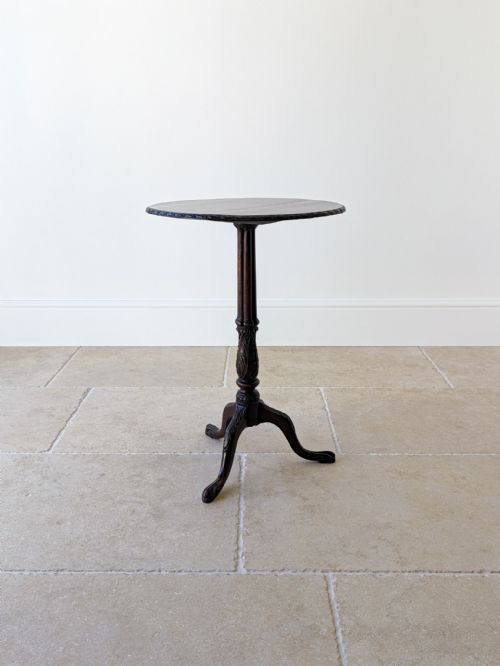
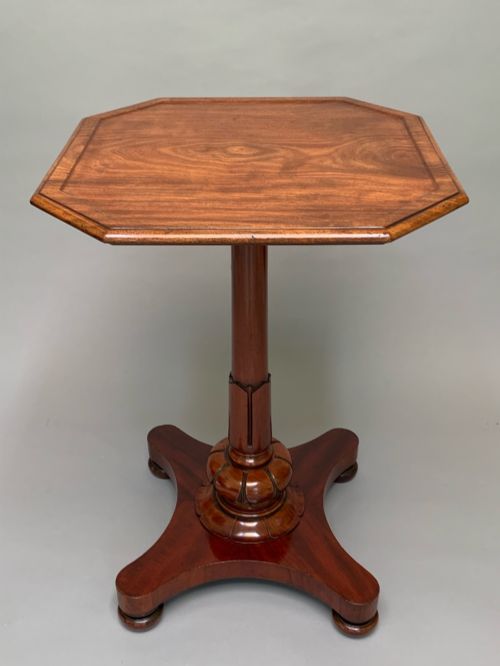
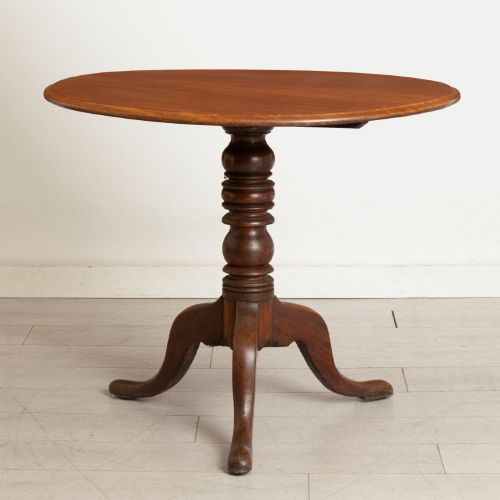
A victorian pedestal stand takes many forms across the nineteenth century, functioning as columns, plinths, torcheres, and plant stands. These vertical pieces elevate display objects above floor level, adding architectural interest to interior spaces.
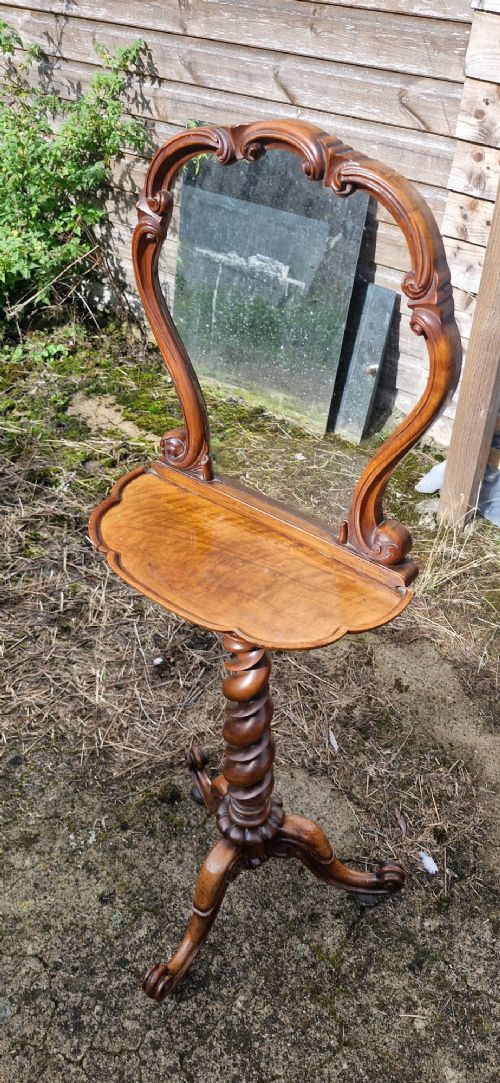
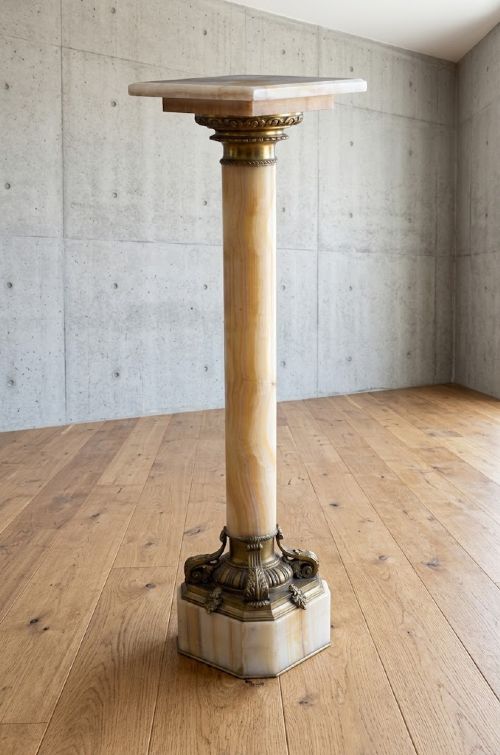
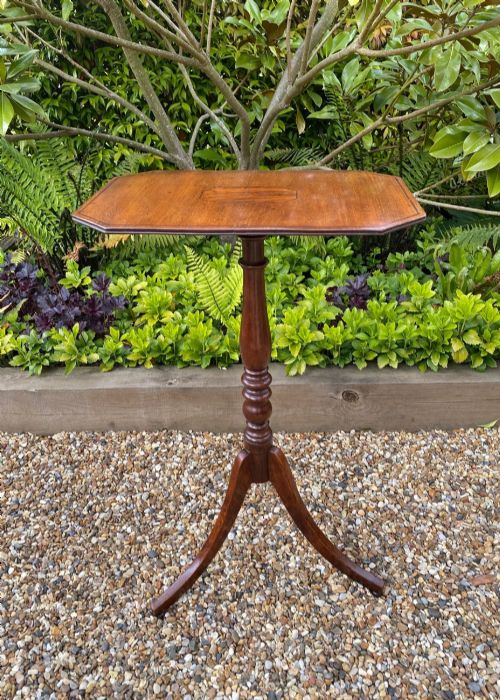
The materials span rich dark timbers, painted woods, and combinations of stone and metal. Common iterations include turned mahogany columns, rustic oak designs, and striking onyx pillars set with decorative bronze and ormolu mounts.
Makers of the period adapted the form for domestic use as jardiniere stands, wine tables, and display columns. Buyers encounter everything from austere Gothic oak columns to brightly glazed majolica ensembles and ebonised plant stands.
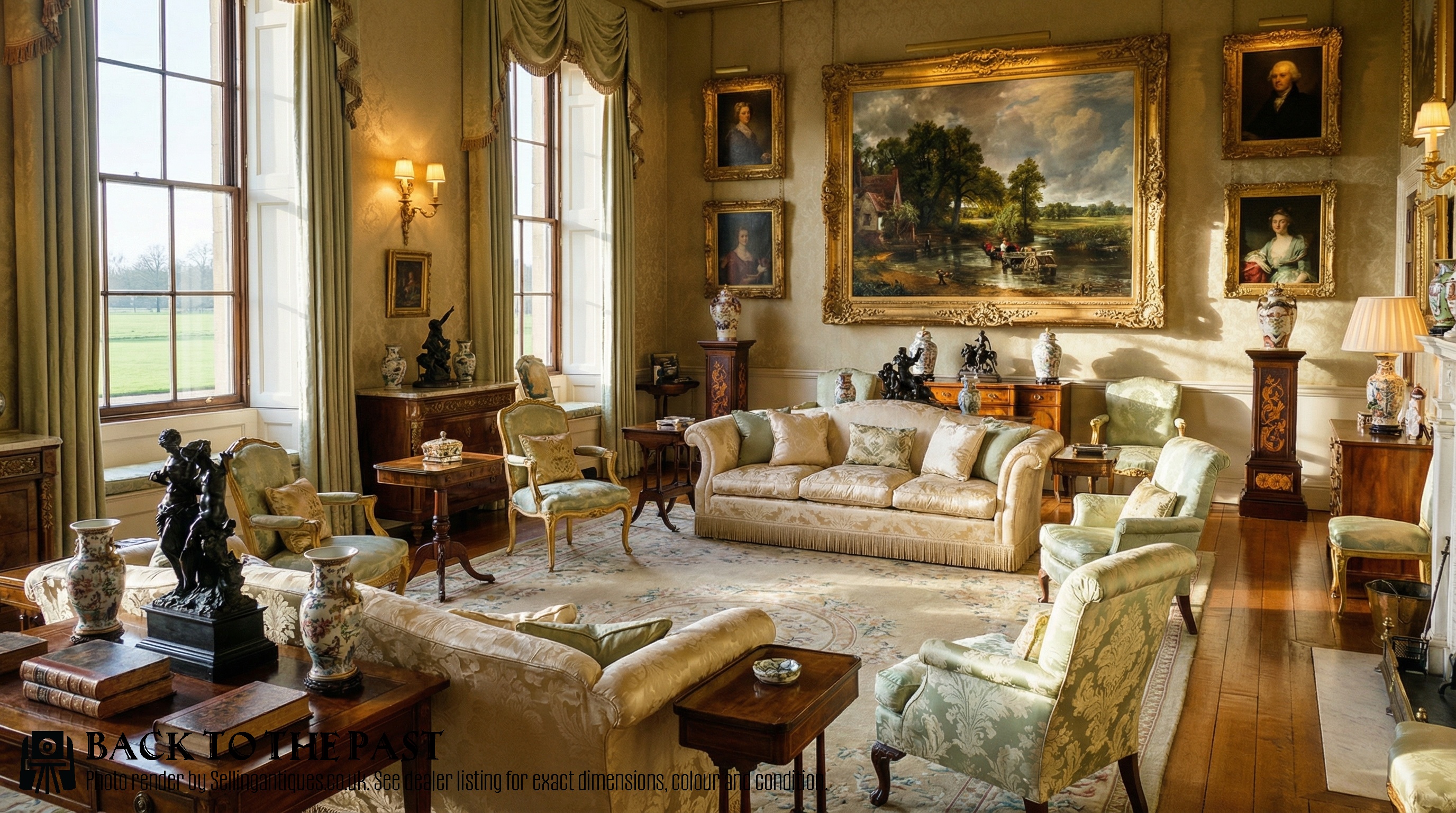
How they were made
Cabinet makers utilised dense hardwoods like mahogany, walnut, and oak, often turning them on lathes to create slender columns and reeded shafts. Carved details appear on capitals and bases, while marquetry and ebonising finish the surface of select examples.
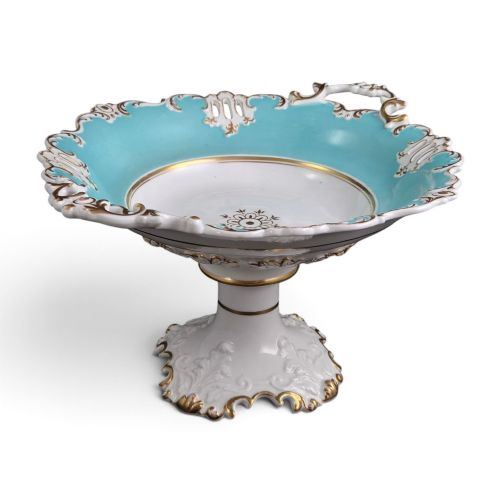
Multi-material pieces combine carved timber with cast ormolu collars, bronze mounts, and polished onyx panels. Ceramic sections, particularly majolica, introduce glazed colour and moulded relief work to column stands.
Retail Price Guide 2026
Typical UK retail prices for victorian pedestal stand, calculated from the Sellingantiques database of over a million retail prices indexed since 2003. This retail price guide relies exclusively on Sellingantiques data; no external sources or auction records are used, so the figures do not describe the wider market.
Site listings demonstrate that mahogany and oak are the most common timbers used for Victorian pedestal stands.
What varies in quality
The distinction between standard utility items and finer examples lies in the selection of timber, the crispness of hand-carving, and the weight of metal mounts. Superior pieces display figured mahogany or burr walnut with harmonious grain matching.
Construction methods also dictate quality, visible in stable pedestal bases, precise joinery, and heavy cast ormolu components rather than pressed brass. Maker touches, such as integrated adjustment mechanisms or hand-painted enamel details, elevate specific stands.
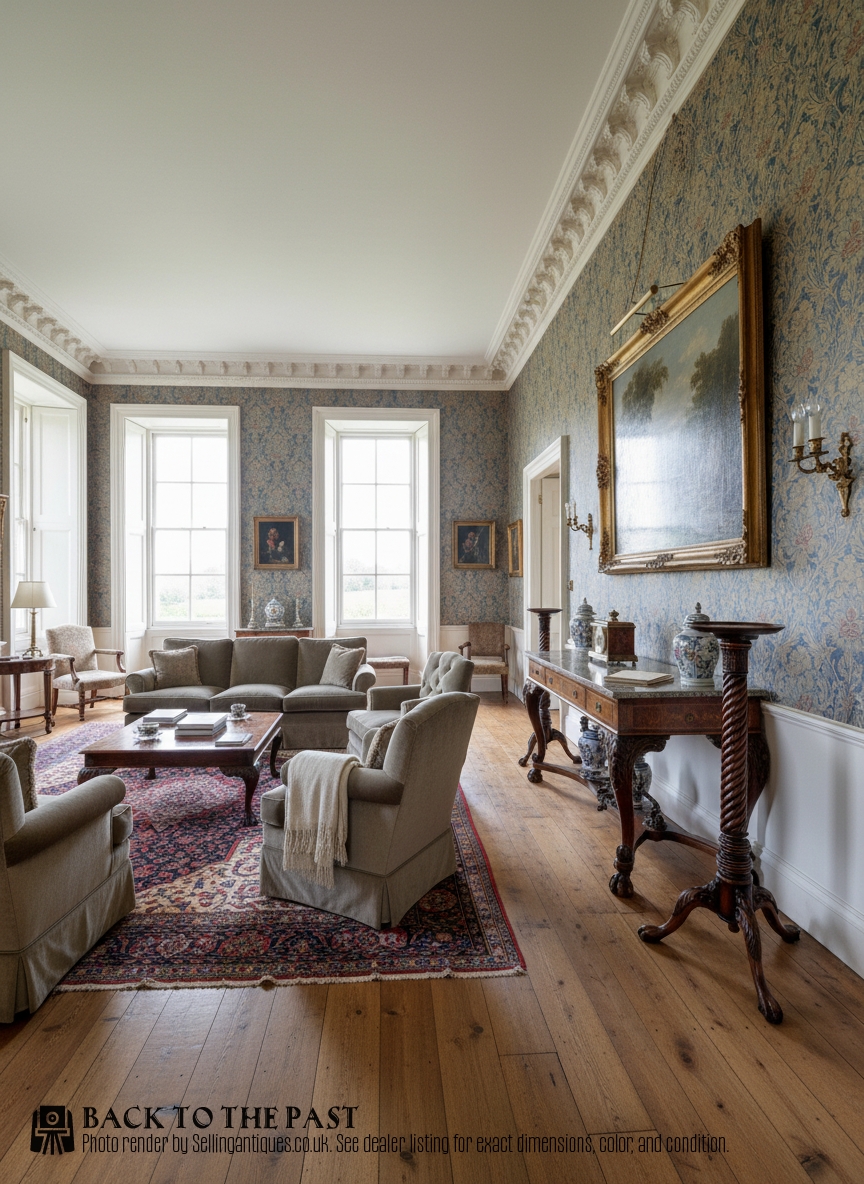
The Victorian Pedestal Stand Glossary
- Torchere
- A tall, slender stand designed specifically to support a candelabrum, lamp, or decorative display object.
- Ormolu
- Gilded bronze mounts and collars applied to decorate stone and wooden furniture columns.
- Majolica
- A heavy, colourful tin-glazed earthenware frequently used for Victorian jardiniere stands and columns.
- Jardiniere
- A large ornamental pot or stand for holding plants and floral arrangements within a room.
- Ebonised
- Wood treated with a dark finish to imitate expensive ebony.
Frequently Asked Questions
What were pedestal stands used for?
Victorian households utilised these tall supports to display sculptural busts, decorative vases, and potted plants in drawing rooms and halls.
They raised important decorative items to eye level, allowing guests to admire fine ceramics, bronzes, and floral arrangements.
How do I choose the right height?
Consider the object you intend to place on top and the scale of the surrounding furniture in the room.
Taller columns suit narrow spaces and smaller display pieces, while sturdier, shorter stands accommodate heavy majolica jardinieres or lamps.
Are these stands stable enough for plants?
Most nineteenth-century pedestal designs feature heavy weighted bases or wide, secure footings to prevent tipping under load.
Mahogany and oak versions offer robust support, though owners should still check the balance when placing heavy ceramic jardiniere bowls.
How do I identify a Victorian period stand?
Look for characteristic nineteenth-century timber choices such as mahogany, walnut, and oak, alongside period construction methods.
Stylistic clues include neoclassical columns, Gothic revival motifs, Aesthetic movement ebonised finishes, and ormolu or majolica decoration.