

Tall Wooden Plant Stand
A tall wooden plant stand elevates greenery to catch the light, bringing vertical rhythm and quiet purpose to an empty corner.
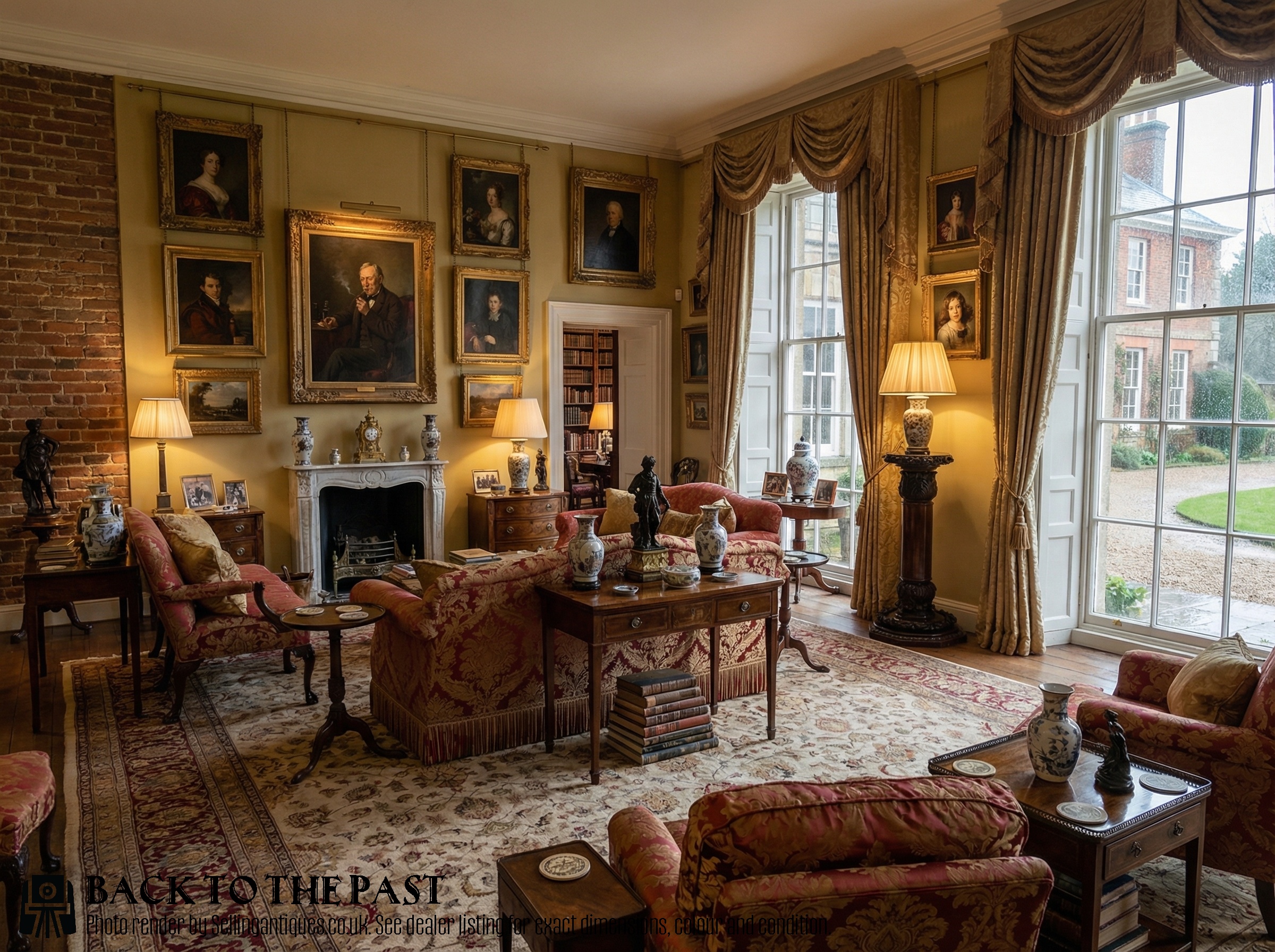
Tall Wooden Plant Stand
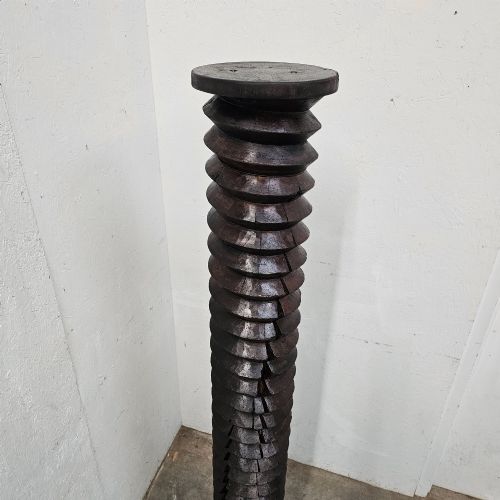
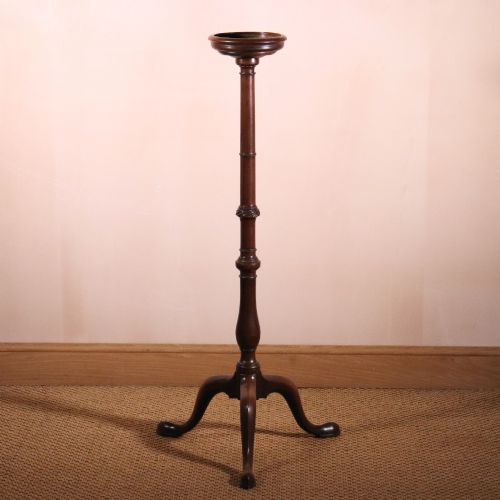
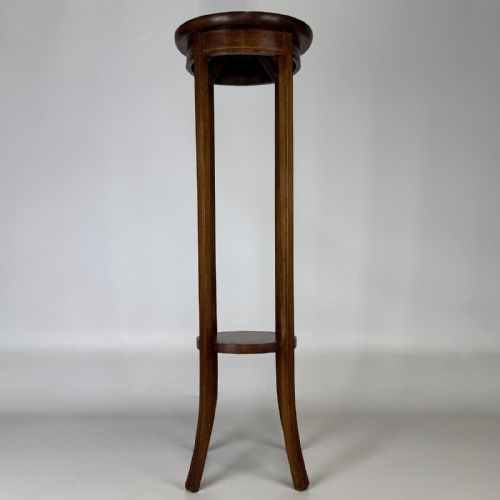
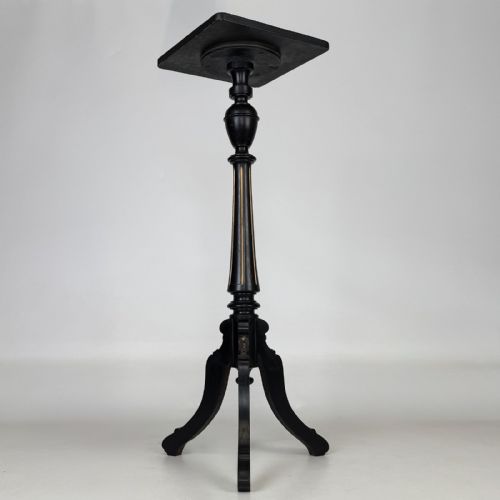
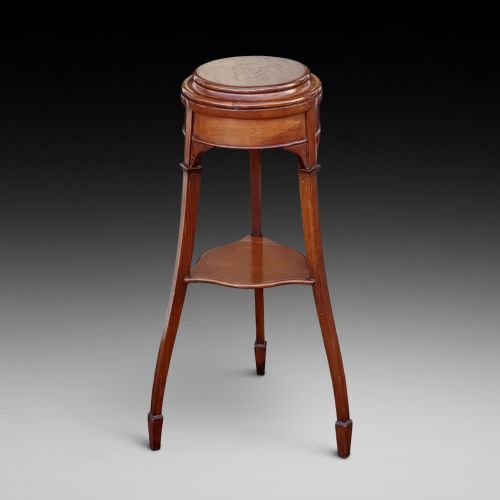
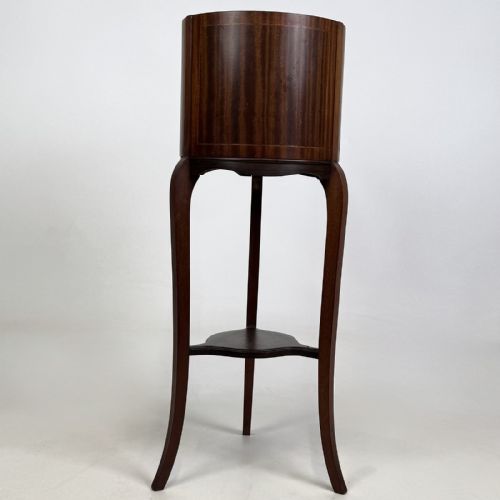
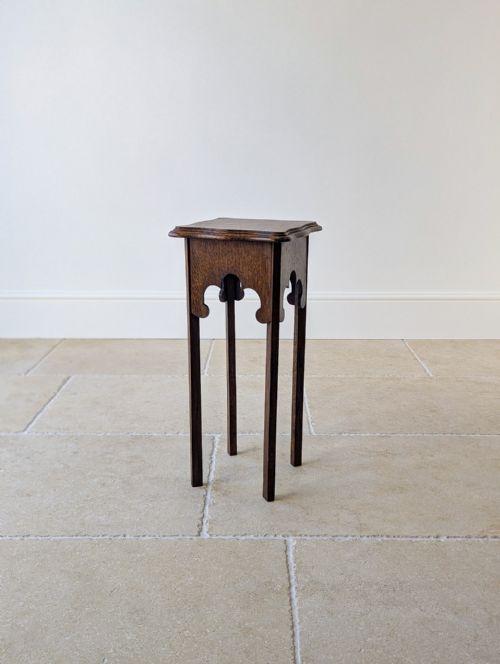
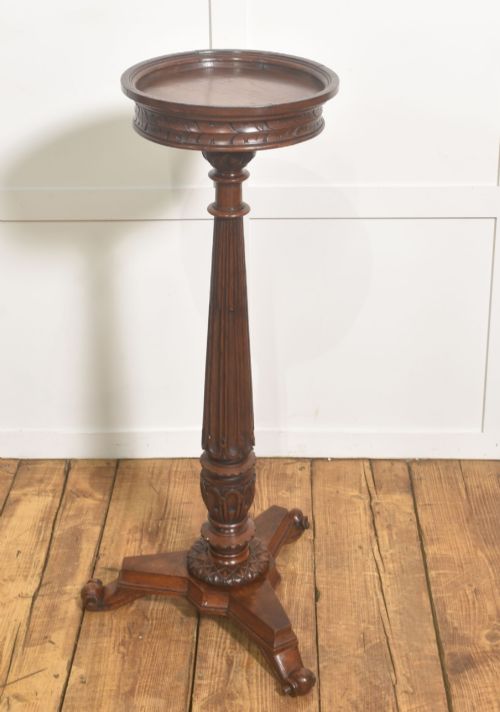
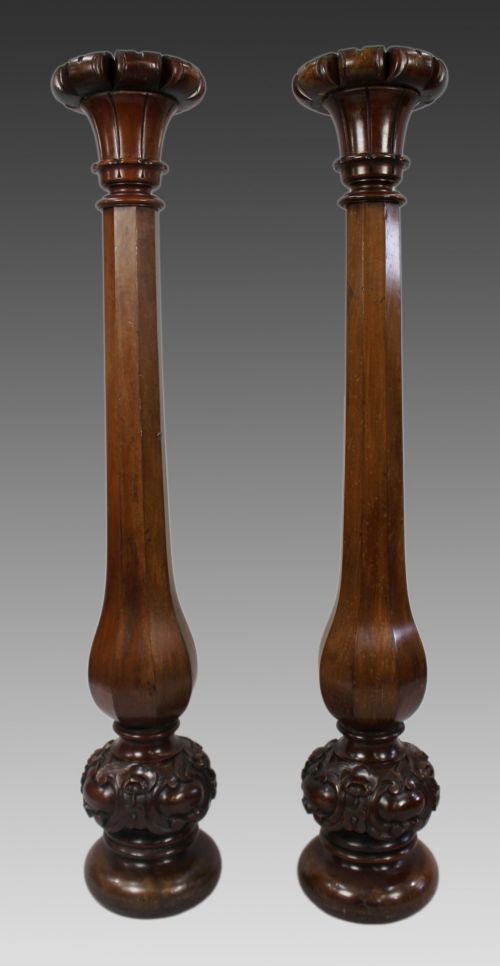
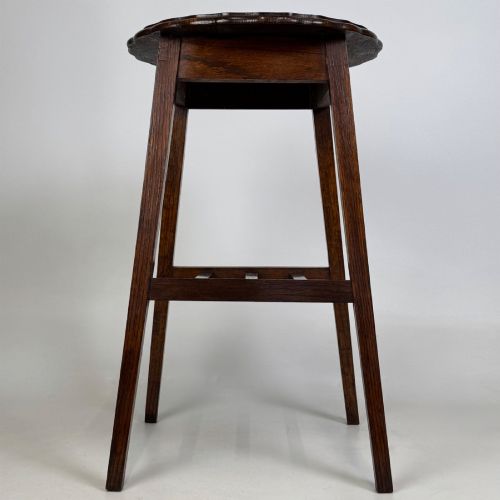
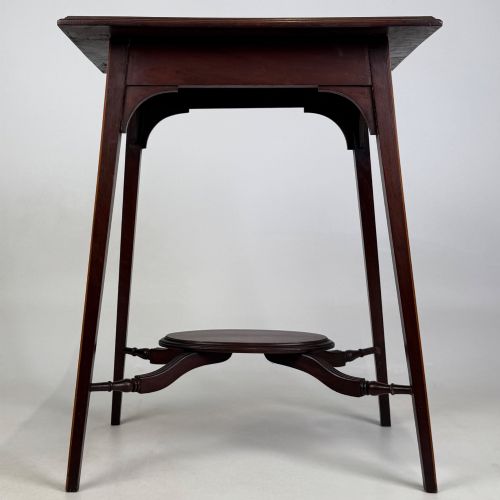
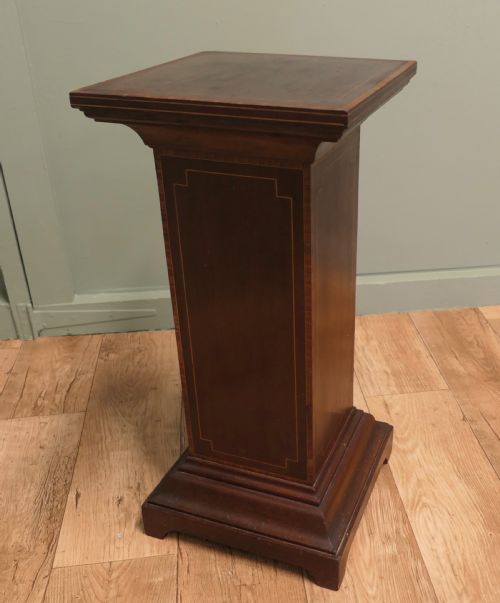
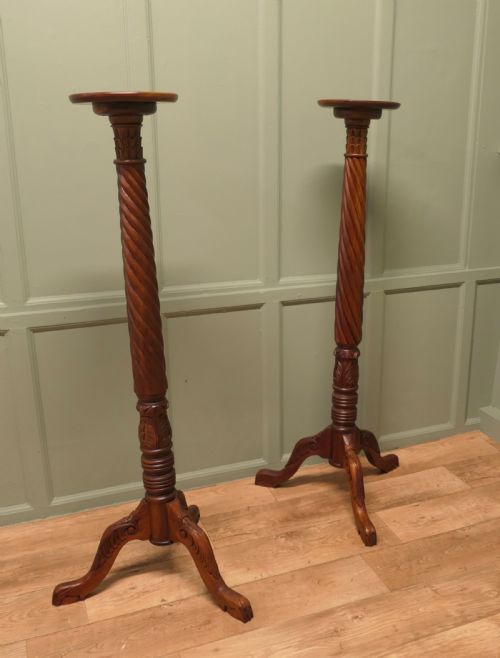
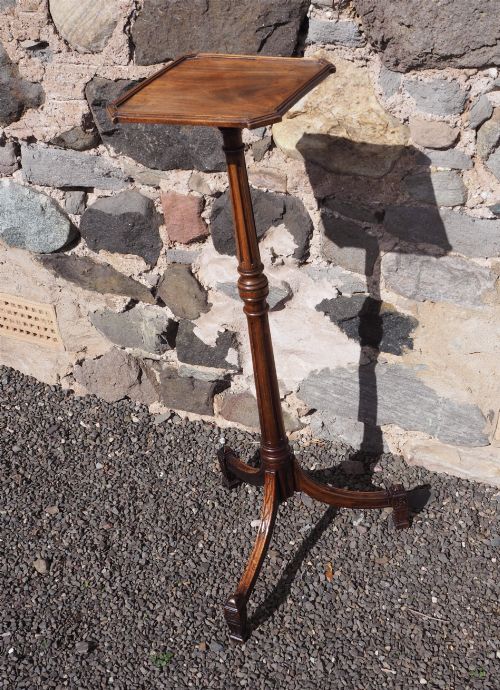
A tall wooden plant stand takes many forms across the inventory, appearing as torcheres, pedestals, plinths and jardiniere stands designed to elevate pots or display objects. Buyers seeking a tall wooden plant stand most frequently encounter Edwardian mahogany and oak examples alongside pieces from the nineteenth and eighteenth centuries.
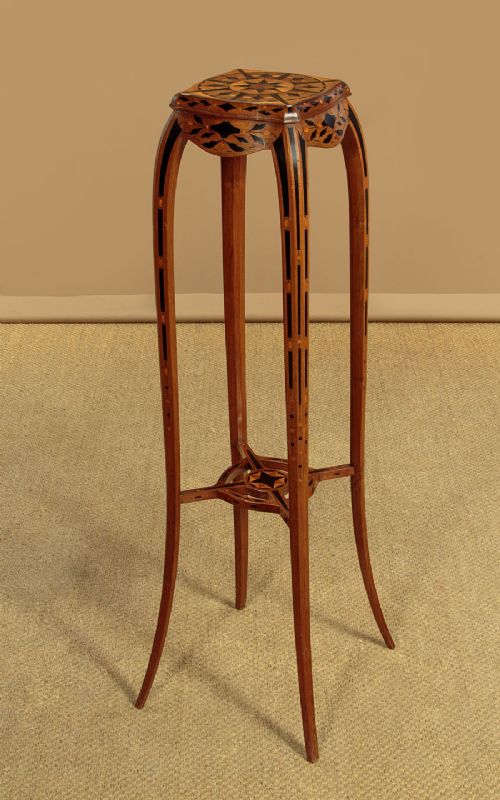
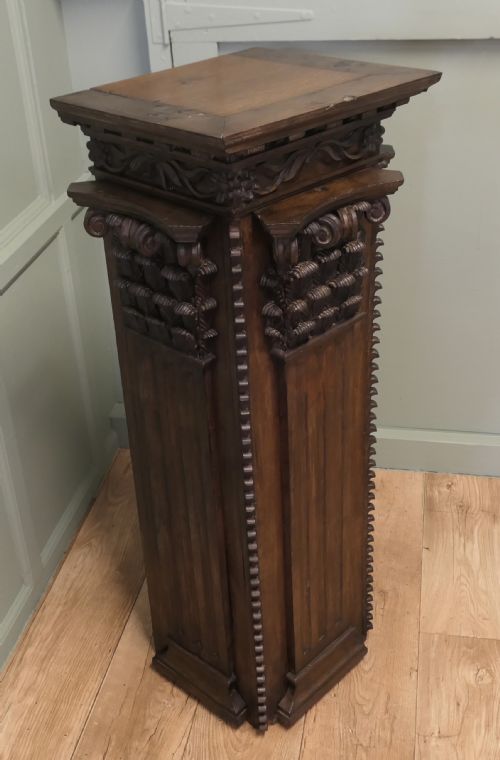
Makers and workshops across different eras adapted these vertical stands for domestic interiors, producing simple turned columns as well as decorative inlaid satinwood and ebonised designs. The selection spans straightforward utilitarian supports to highly carved torchere forms.
Regional and stylistic variations include Arts and Crafts oak stands, Georgian mahogany urn stands and Chinese traditional vase tables. These objects frequently double as lamp tables or occasional tables within period rooms.
Craftsmanship and proportion
Quality rests in the balance of the proportions, where slender shafts and sturdy bases maintain stability without heavy visual weight. Superior examples demonstrate careful timber selection, such as figured walnut or well-matched mahogany grain.
Detailing separates standard production from finer cabinet work, seen in crisp hand carving, precise inlay, and robust joint construction rather than reliance on modern adhesives.
Tall Wooden Plant Stand Retail Price Guide 2026
Typical asking prices for tall wooden plant stand among the pieces listed under this phrase on Sellingantiques today, from the lower quarter to the upper quarter. They describe what is for sale here now, not the wider market.
Several stands double happily as resting spots for eccentric collections of nineteenth-century table bust stands.
Druce & Co London·Shoolbred·Liberty of London
The Tall Wooden Plant Stand Glossary
- Torchere
- A tall stand designed originally to hold a candle or torch, now commonly utilised for plants or lamps. These slender supports feature prominently in eighteenth and nineteenth-century inventories.
- Plinth
- A heavy solid base or column top providing a stable platform for display. They offer a simpler architectural silhouette than carved torcheres.
- Jardiniere
- A decorative pot or stand for indoor plants, often integrated into Edwardian and Victorian furniture forms. These stands incorporate waterproof liners or specific display trays.
- Inlay
- The technique of inserting contrasting pieces of wood or other materials into a depression in the base timber. Satinwood and lighter hardwoods frequently provide contrast in mahogany table designs.
Tall Wooden Plant Stand: Frequently Asked Questions
What fits on a tall wooden plant stand?
Most surfaces accommodate medium-sized potted plants, trailing greenery or decorative vases with stable circular or octagonal bases.
Consider the weight distribution of heavy ceramic pots to ensure stability on slender nineteenth-century pedestals.
How do I distinguish a torchere from a plant stand?
Traditional torcheres originate from candle holders with narrow tops, whereas dedicated plant stands often feature wider platforms or fitted jardiniere trays.
Both forms serve identical display purposes in modern interiors.
Are these stands suitable for heavy pots?
Solid hardwood stands from the Georgian and Victorian periods offer robust support, though slender Edwardian poles suit lighter decorative foliage.
Check the base diameter and leg spread to confirm balance before placing large arrangements.
How do I identify Edwardian examples?
Edwardian stands frequently utilise satinwood inlay, lighter mahogany frames, and clean Arts and Crafts influences dating around nineteen hundred to nineteen ten.
Construction details and secondary timbers help confirm the era alongside traditional turnery styles.