

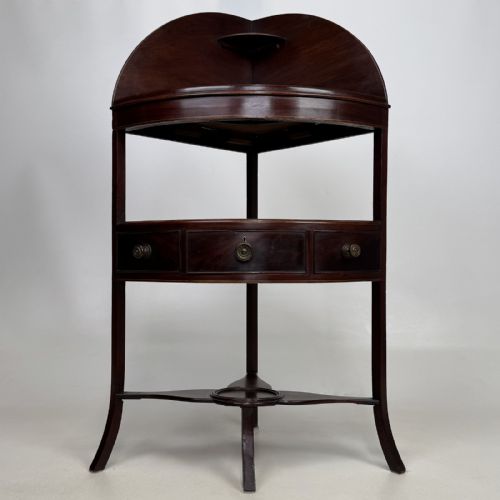
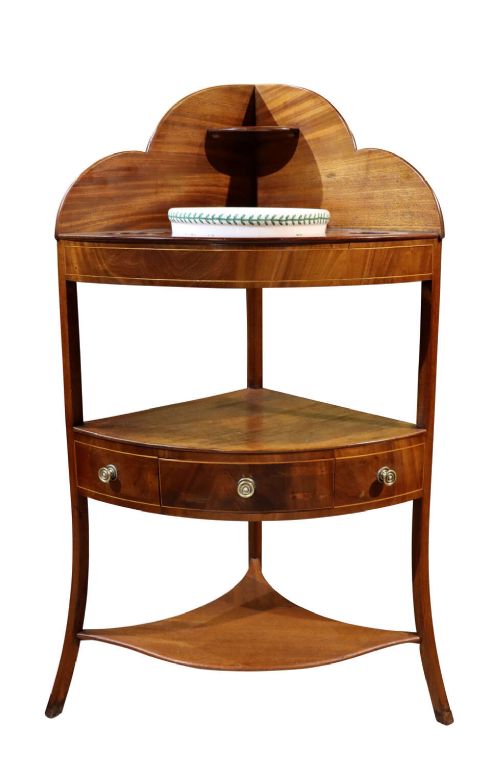
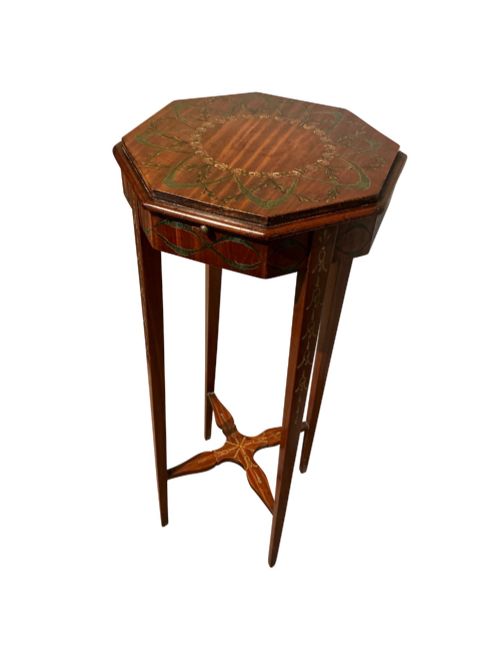
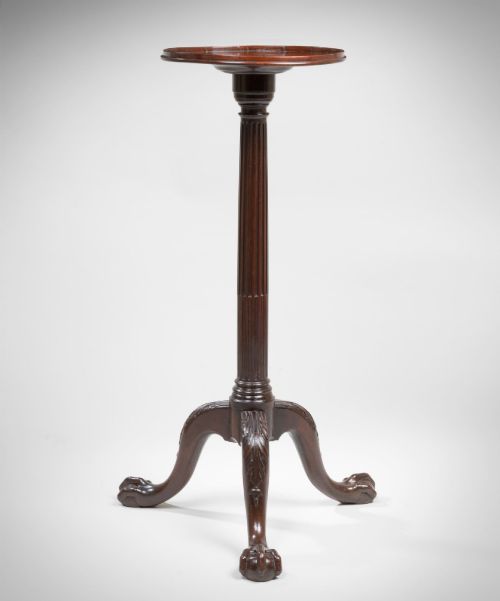

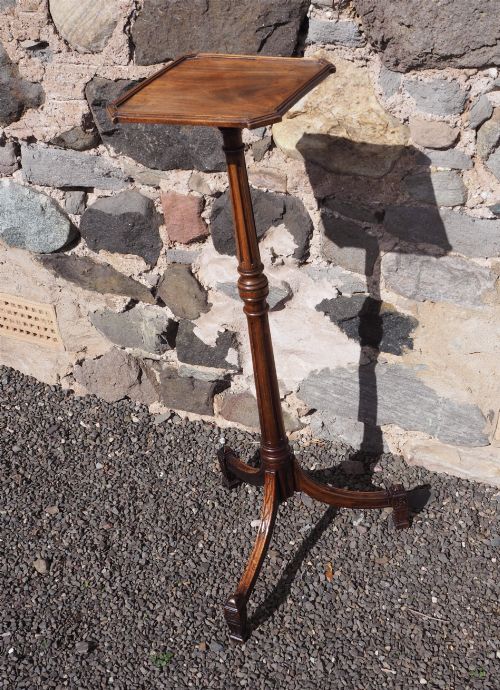
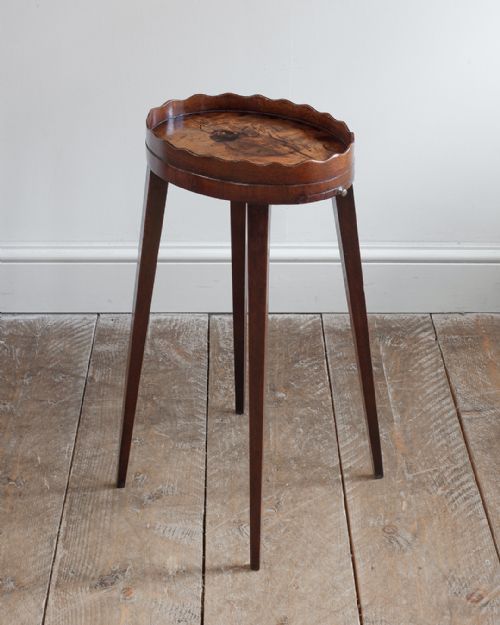
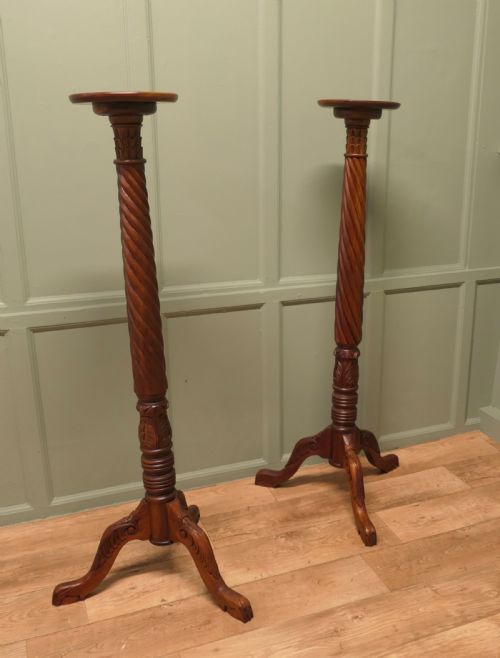
Georgian Plant Stand
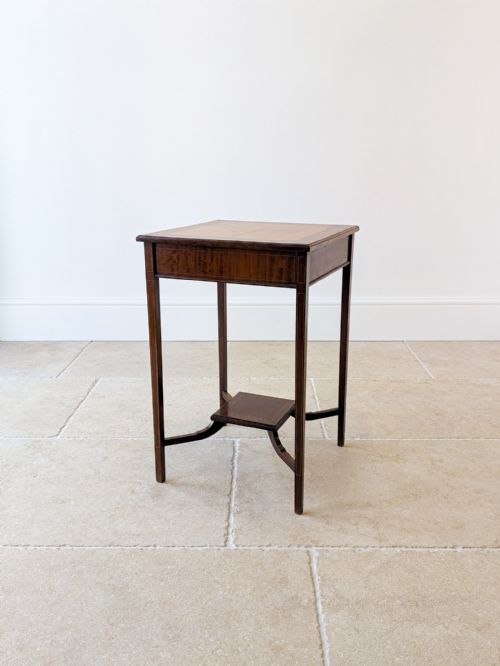
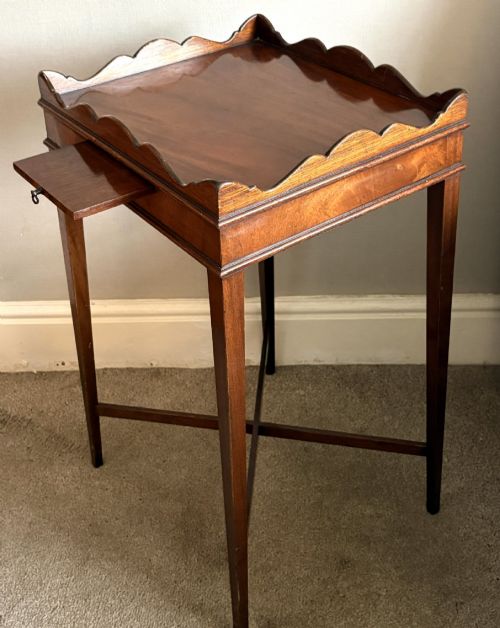
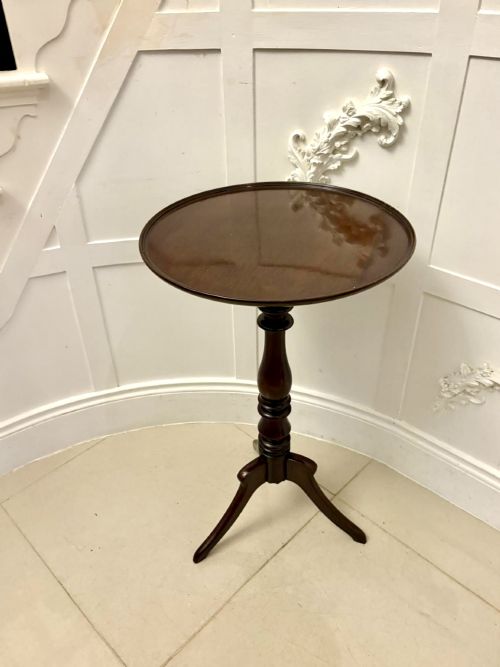
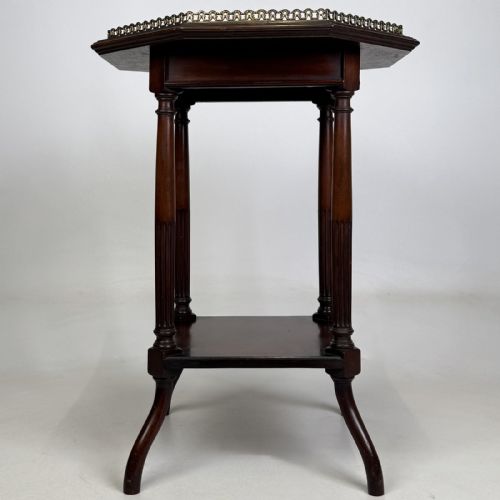
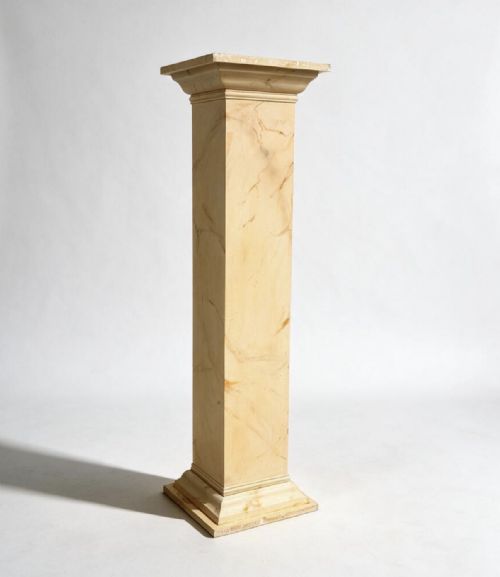
A georgian plant stand brings classical elevation and timber warmth to interiors, taking the form of tall torcheres, urn tables, and tiered pedestals.
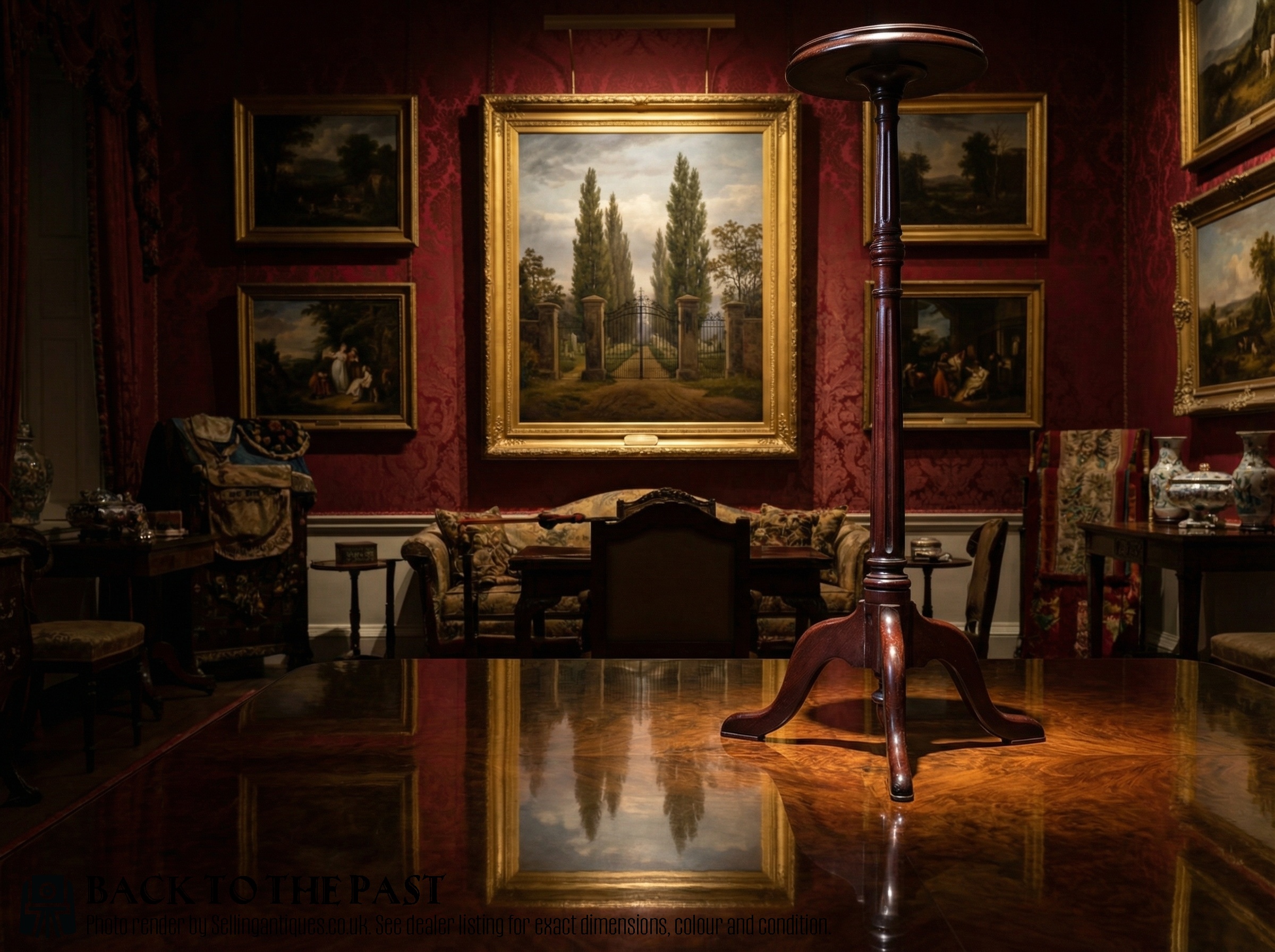
Georgian Plant Stand
When searching for a georgian plant stand, buyers encounter elevated supports designed to lift horticultural pots, urns, and decorative objects above the floor.
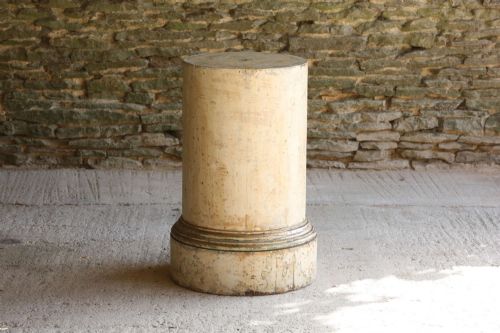
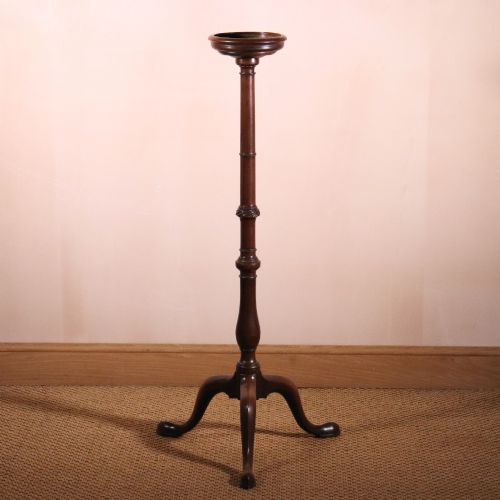
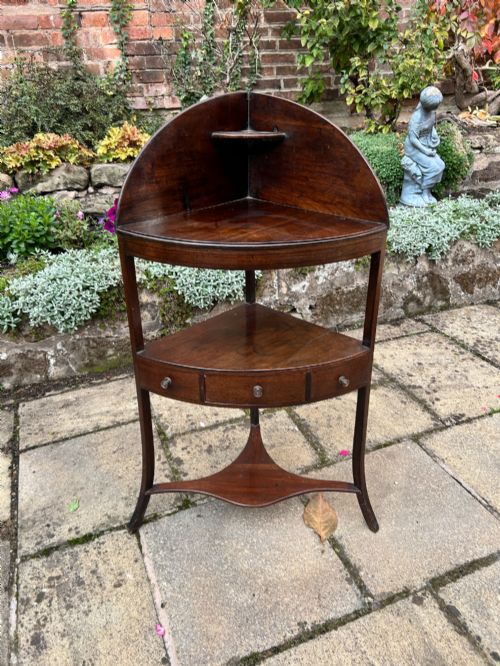
The selections span slender torcheres, tripod urn stands, and multi-tiered pedestals originating from the eighteenth and nineteenth centuries.
Mahogany and walnut form the backbone of these listings, accompanied by satinwood, yew wood, and occasional painted finishes.
How they were made
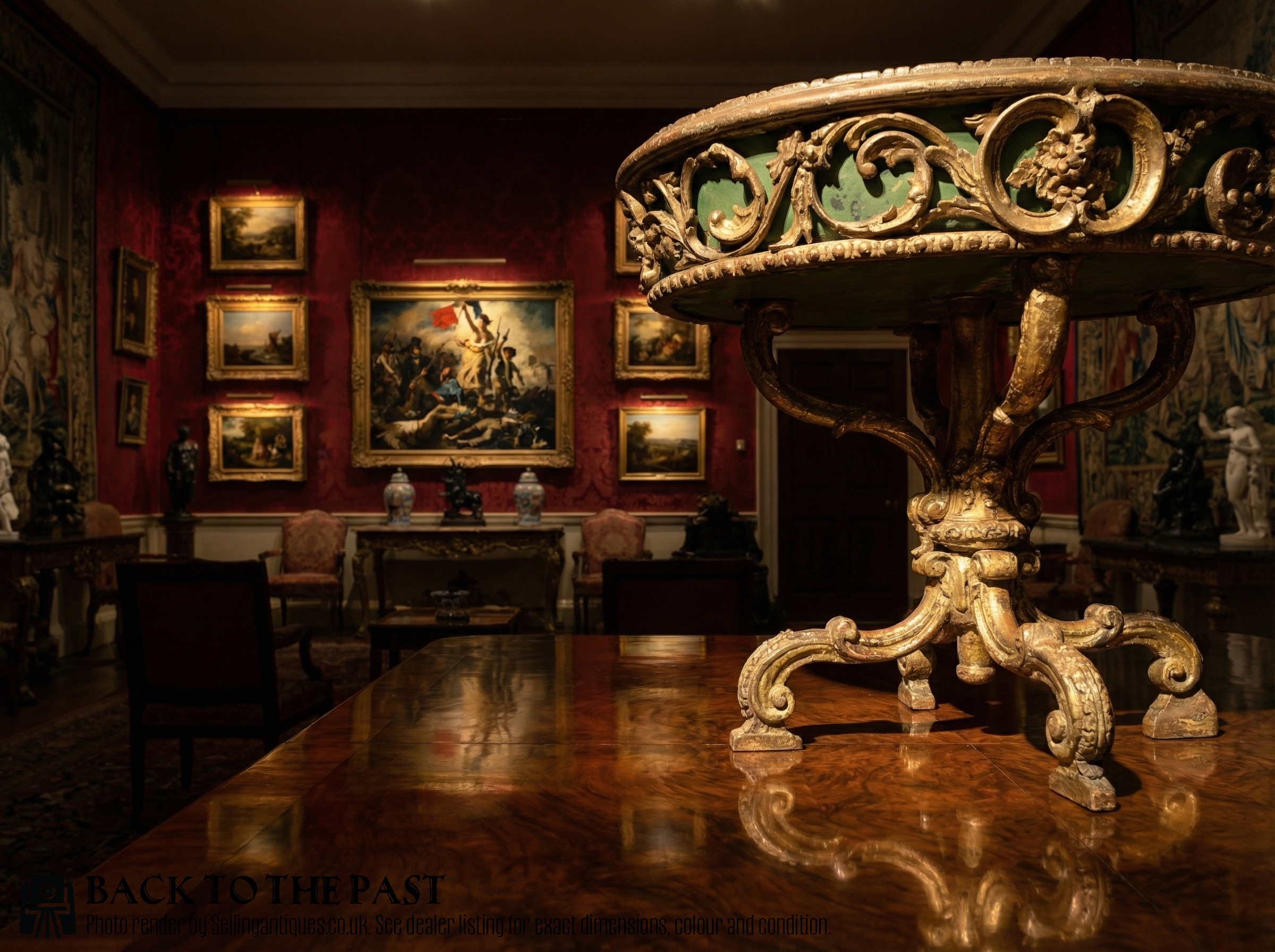
Cabinetmakers utilised dense hardwoods such as mahogany and walnut, often shaping timber into slender turned columns, reeded legs, and tripod bases.
Inlay work incorporated lighter woods like satinwood to create geometric patterns and contrasting borders along table tops and urn stands.
Metal elements including brass banding, wirework, and cast iron appeared on specialised jardinières, wine coolers, and campana urns.
Georgian Plant Stand Retail Price Guide 2026
Typical asking prices for georgian plant stand among the pieces listed under this phrase on Sellingantiques today, from the lower quarter to the upper quarter. They describe what is for sale here now, not the wider market.
Some versatile pieces doubled as wig stands before holding ferns.
What varies in quality
Proportion and stability dictate the standing of a piece, with superior examples maintaining balanced tripod or triform bases that support height without wobble.
Carving depth and timber figuring separate standard utility items from finely detailed works displaying crisp acanthus leaves, reeding, and deliberate grain selection.

The Georgian Plant Stand Glossary
- Torchere
- A tall, slender stand designed to elevate a lamp, candle, or plant pot. These pieces rely on vertical columns and supportive tripod feet.
- Urn stand
- A small, specialised table intended to hold a ceremonial vessel or flower pot. They frequently feature circular tops and pull-out slides.
- Tripod
- A three-legged base configuration common on eighteenth-century pedestal tables and plant stands. This design ensures stability on uneven floors.
- Jardiniere
- A decorative receptacle or stand created specifically to hold plants and flowers. They often incorporate metal liners or brass banding.
- Triform
- A three-sided architectural base shape utilised on pedestals and heavy stands. It provides structural support while maintaining balanced proportions.
Georgian Plant Stand: Frequently Asked Questions
What is a georgian plant stand used for?
These elevated pieces serve to display potted plants, porcelain urns, and decorative table items at eye level.
Historically, they brought greenery and classical ornament into interior reception rooms and parlours.
How do I identify a georgian plant stand?
Look for period timber varieties such as solid mahogany and walnut combined with traditional tripod bases or column supports.
Construction details like hand-turned legs and period joinery help distinguish authentic eighteenth-century examples from later revivals.
Are these stands strong enough for heavy pots?
Most antique stands accommodate moderate weight, but slender torcheres function best with lighter ceramic or terracotta vessels.
Sturdier wine coolers and brass-bound jardinières handle heavier moisture-bearing planter pots securely.
Where should I place one at home?
Corner spaces and empty wall sections benefit from the vertical lift that tall torcheres provide.
They also sit effectively beside seating arrangements to hold trailing foliage or table lamps.