





18th Century Torchere
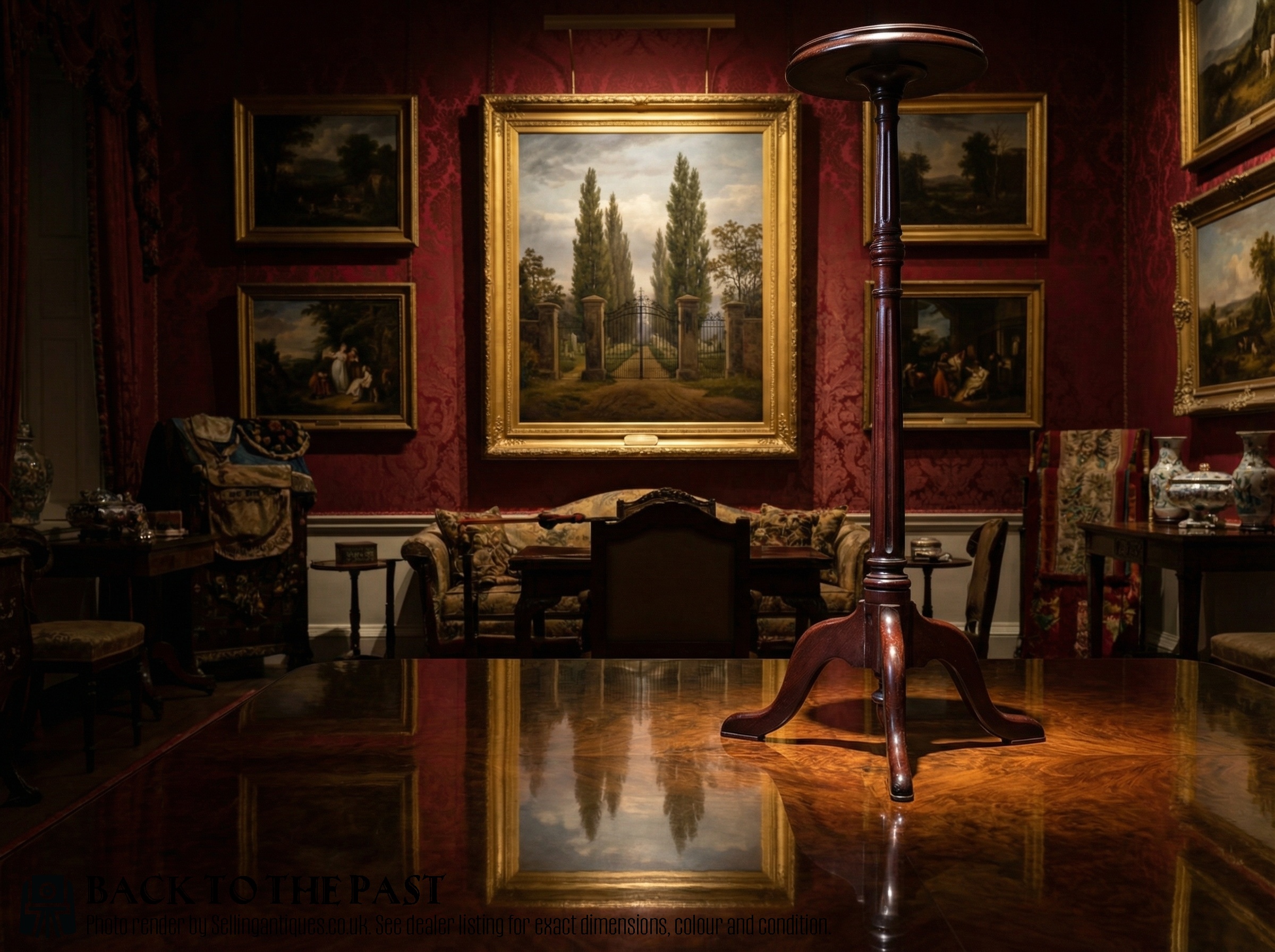
An 18th century torchere holds light high, bringing slender height and carved detail to a corner of the room.
18th Century Torchere
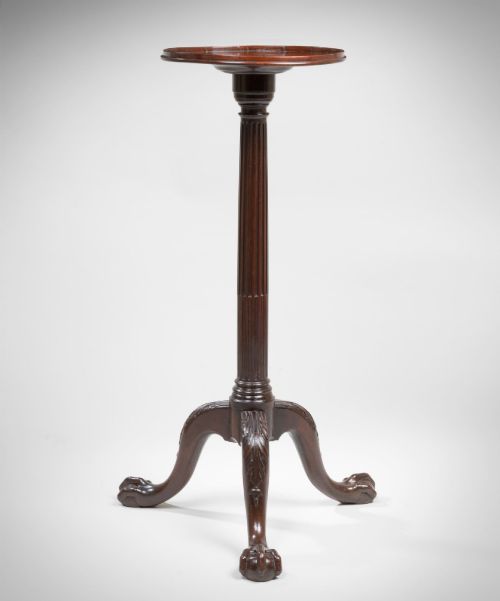
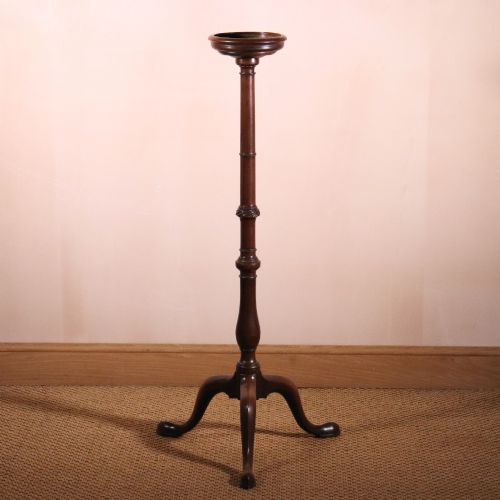
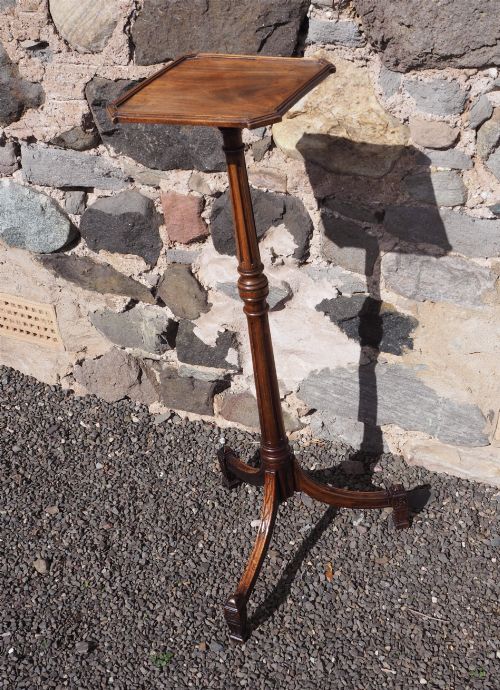
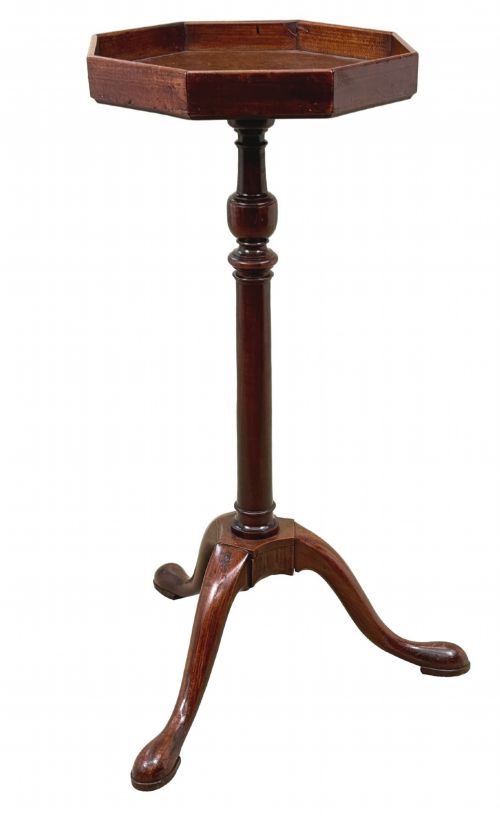
An 18th century torchere stands as a tall, slender support designed originally to carry a candle or lamp, raising a single light source to illuminate a dark room. You will frequently find these pieces referred to interchangeably as candle stands or pedestals across the selection.
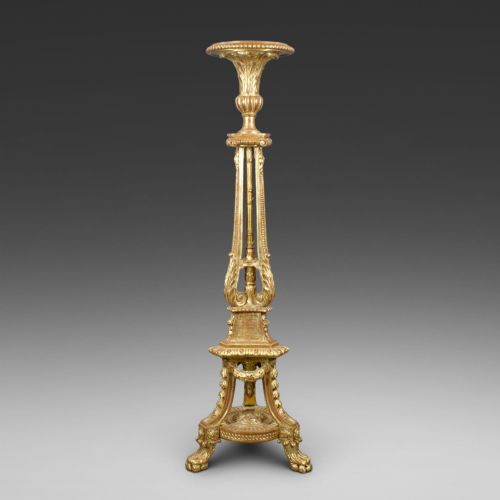
The form relies on a central shaft rising from a stable base, often featuring tripod legs or a triform platform that tapers upward. Examples span simpler regional pieces in oak and walnut through to grander carved mahogany or gilded surfaces.
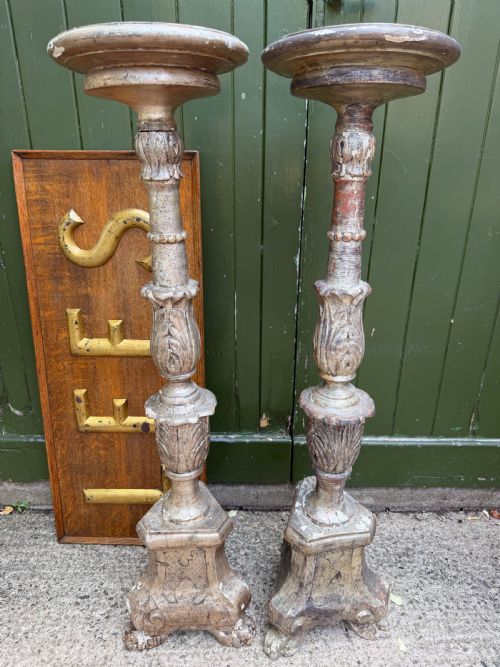
Georgian designs dominate the available items, alongside pieces reflecting Italian Baroque or Dutch traditions from the same era. These stands serve equally well today as elevated platforms for vases, sculptures or modern lamps.
How they were made
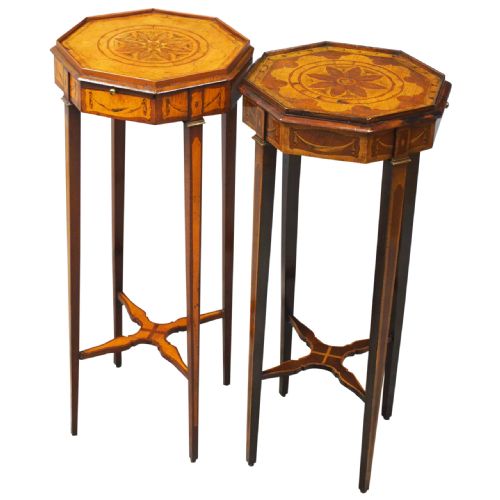
Cabinetmakers shaped these stands primarily from solid timbers like mahogany, oak, and walnut, employing traditional joinery to secure the slender shafts to heavy bases. Selected pieces display intricate floral marquetry or fine inlay work set into the wood surfaces.
Carved wooden elements often received surface treatments of gold leaf, silvering, or paint to enhance their decorative impact under candlelight. Gesso provides the smooth ground beneath many of the gilded and painted finishes found on Italian and English examples.
18th Century Torchere Retail Price Guide 2026
Typical asking prices for 18th century torchere among the pieces listed under this phrase on Sellingantiques today, from the lower quarter to the upper quarter. They describe what is for sale here now, not the wider market.
Several stands double as plant stands, proving that 18th-century lighting engineers secretly longed to be landscape gardeners.
What varies in quality
The distinction between standard and superior pieces rests on the crispness and depth of the carved ornament, particularly around the capitals, stems, and feet. Sharp, undercut foliage demonstrates greater skill than soft or shallow moulding.
Proportion dictates the elegance of the silhouette, where a well-balanced shaft and stable base prevent the piece from feeling top-heavy. The integrity of the timber and the retention of original surface treatments, whether polish, paint, or gilding, also influence the standing of the piece.
The 18th Century Torchere Glossary
- Torchere
- A tall ornamental stand designed to hold a light. The term derives from the French word for torch.
- Triform
- A base or platform supported by three feet or sides. This configuration provides necessary stability for a tall, narrow shaft.
- Gesso
- A mixture of plaster of Paris and glue binder applied to wood. It creates a smooth surface ready for gilding or painting.
- Marquetry
- Decorative veneer patterns assembled from pieces of wood. Craftsmen use contrasting timbers to create floral or geometric designs.
- Capital
- The uppermost member of a column or pillar. On these stands, it forms the platform where the candle rests.
18th Century Torchere: Frequently Asked Questions
What is an 18th century torchere used for today?
These tall stands function brilliantly in modern interiors as pedestals for trailing plants, small sculptures, or lamps where floor space is limited. Their slender profiles allow them to fit into dark corners that require height and vertical interest.
Placing them beside a sofa or in a hallway recreates their original purpose of providing ambient lighting at varying heights. They remain versatile accent furniture rather than heavy primary surfaces.
How do I tell a Georgian torchere from later copies?
Examine the construction methods visible underneath the base and beneath the top platform for signs of period hand tools and timber shrinkage. Older pine or oak secondary woods often line the internal joints of genuine 18th century pieces.
Surface patination develops naturally over generations through waxing and handling, presenting a depth that modern reproductions struggle to replicate. Stylistic details should match the documented vocabulary of makers working during the reigns of the Georges.
Are these stands sturdy enough for daily use?
Most designs utilise heavy timber bases or wide tripod legs intended to balance the height of the shaft securely. However, their narrow proportions mean they can tip if placed in high-traffic pathways where they might be bumped.
Positioning them against a wall or in a low-traffic corner protects the piece from accidental knocks. Careful placement ensures the delicate carved details remain safe from harm.
What is the difference between a torchere and a pedestal?
A torchere specifically evolved to support a light source, resulting in a typically lighter and more decorative frame. Pedestals often feature broader, heavier flat tops designed primarily to display heavy urns, busts, or statues.
In historical listings, makers and dealers frequently overlap these terms due to shared structural similarities in height and form. Examining the upper platform usually clarifies whether the piece was built for a candle or a sculpture.