




Tripod Torchere Stand
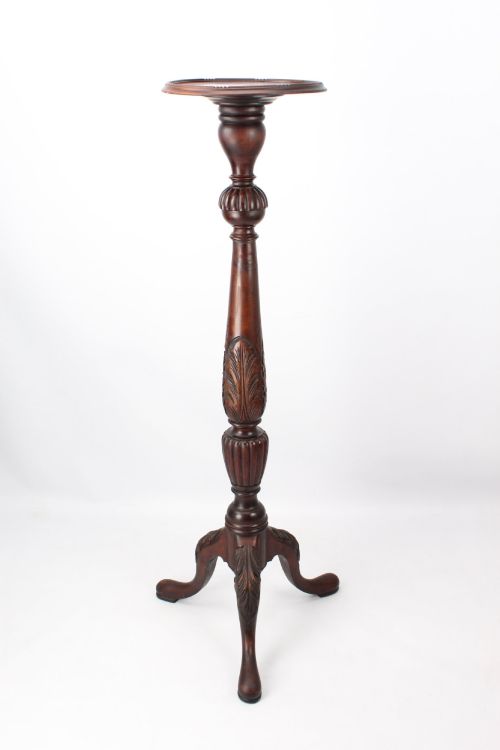
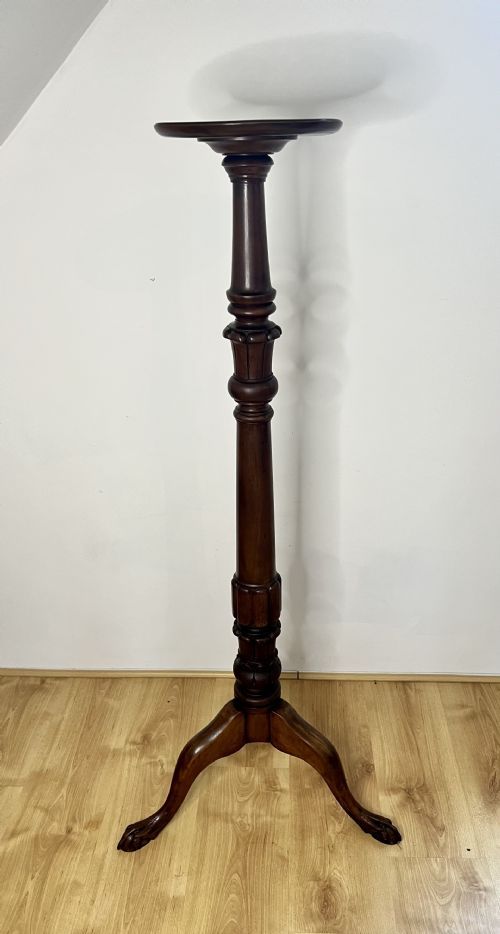
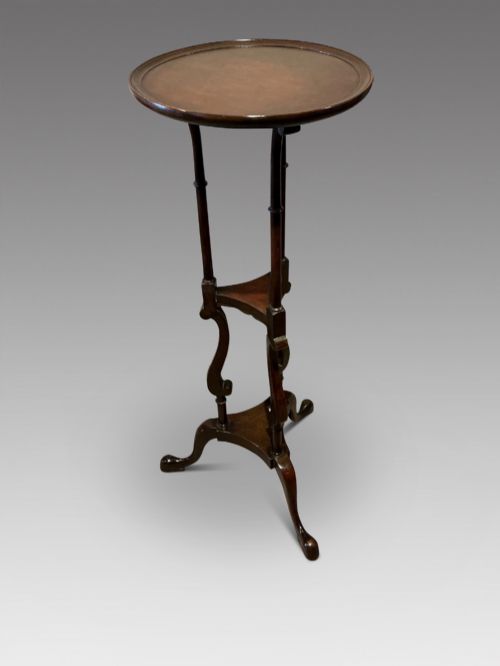
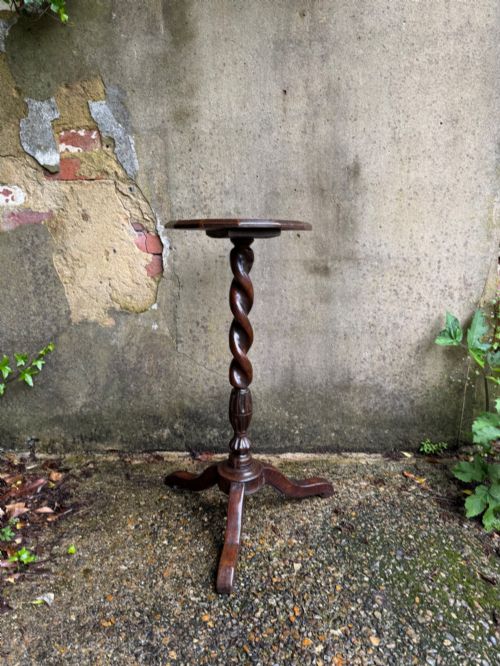
These tripod torchere stand pieces are elevated timber supports designed for display, bringing architectural presence and height to any room.
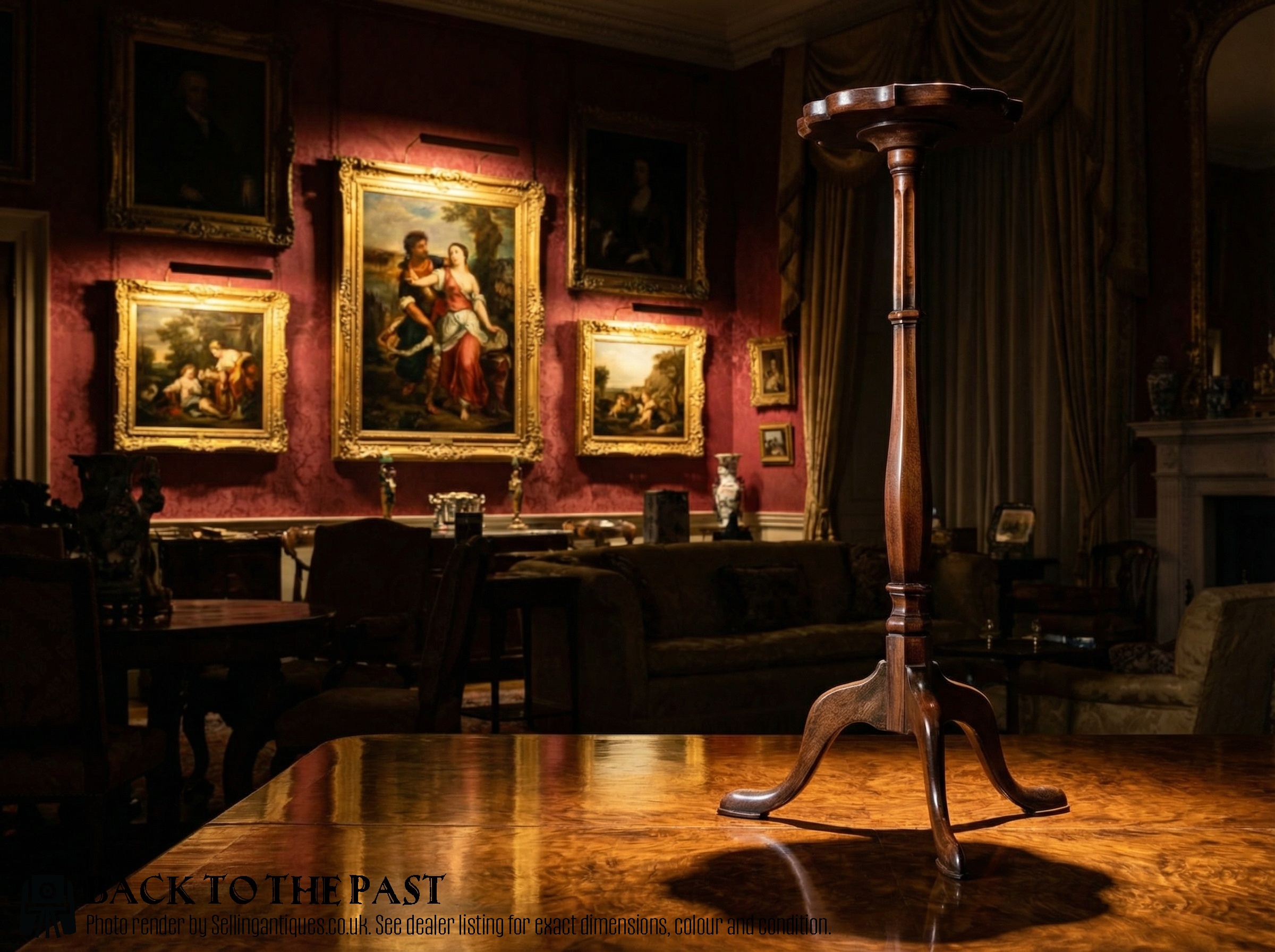
Identifying a tripod torchere stand
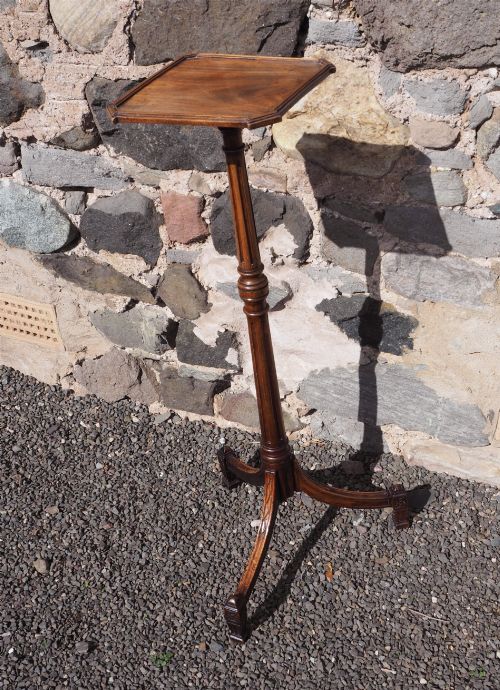
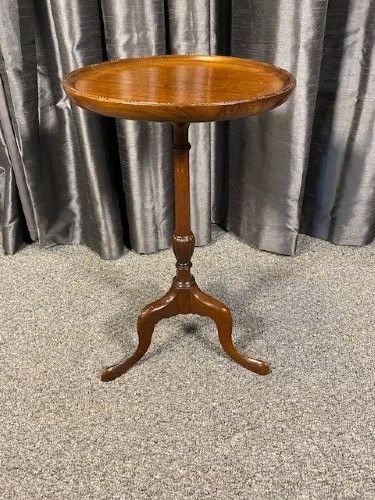
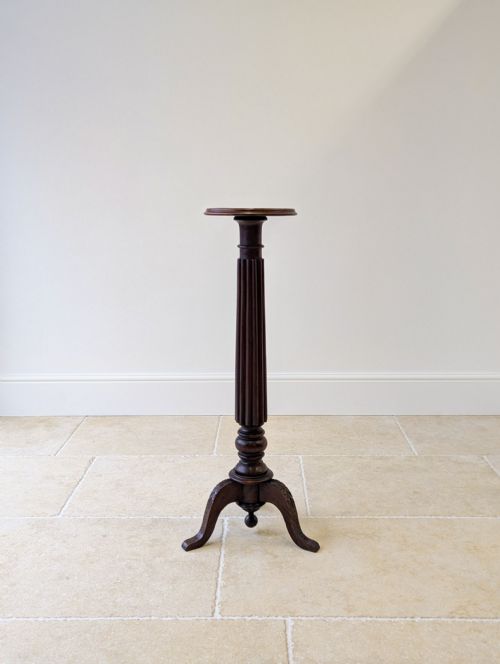
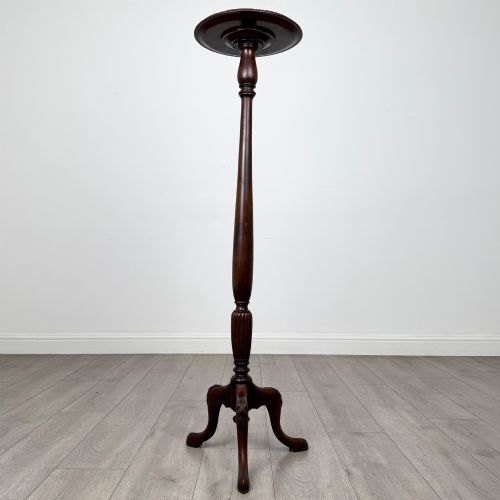
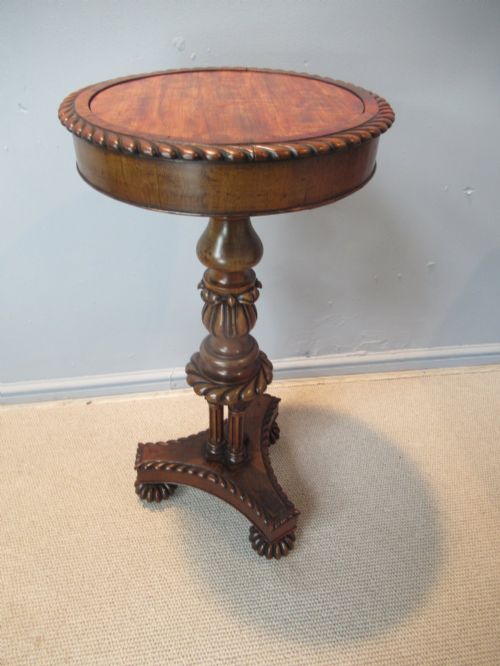
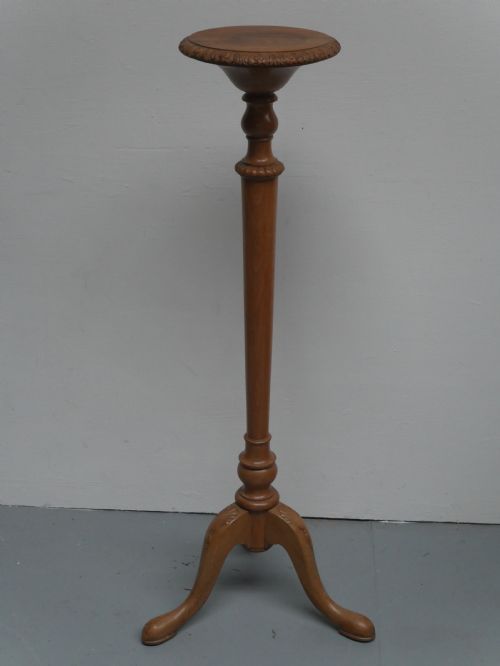
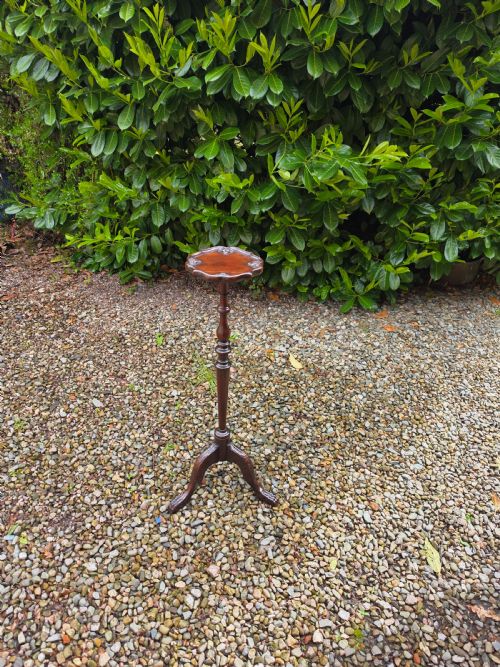
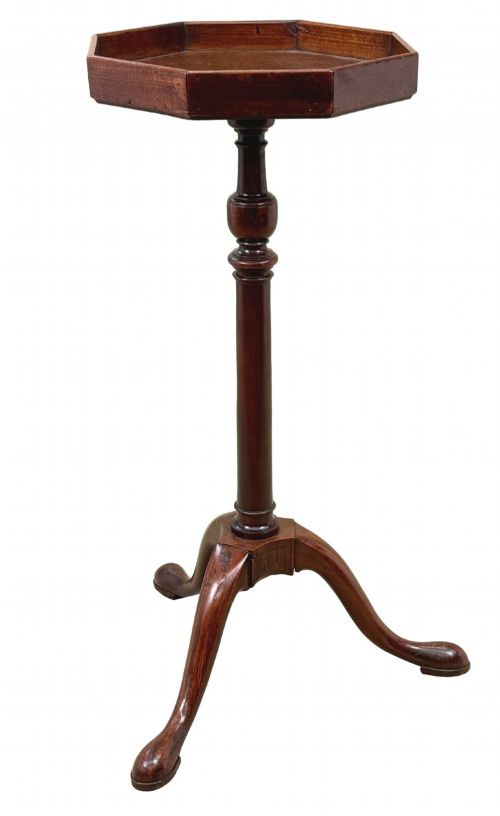
A tripod torchere stand is a slender, freestanding column raised on three legs, designed historically to hold a light source or a decorative vessel. On this page, you will most frequently encounter mahogany examples spanning the Georgian, Victorian, and William IV periods, alongside walnut pieces from the eighteenth century. These stands serve equally well today as pedestals for plants, lamps, or sculptural objects.
The forms range from restrained George II designs to exuberant nineteenth-century interpretations, including Dutch eighteenth-century walnut variants and later pieces from around nineteen hundred. They appear under various descriptions such as plant stands, lamp bases, and pedestals, yet all share the characteristic elevated top supported by three spreading feet.
Materials and construction methods
Makers relied primarily on mahogany and walnut for these structures, selecting dense hardwoods capable of supporting a slender silhouette without warping. Timber selection governed the stability of the central shaft and the three-legged base.
Carving technique defined the ornamental details, particularly on Georgian and Victorian surfaces where artisans shaped floral or foliate motifs directly into the solid wood. Turned elements were produced on a lathe to create the tapering columns and baluster shafts seen across the periods.
Retail Price Guide 2026
Typical UK retail prices for tripod torchere stand, calculated from the Sellingantiques database of over a million retail prices indexed since 2003. This retail price guide relies exclusively on Sellingantiques data; no external sources or auction records are used, so the figures do not describe the wider market.
Listings feature mahogany and walnut timbers across Georgian, Victorian, and William IV styles.
Distinctions in quality and execution
The standard of carving distinguishes standard production from exceptional examples, with crisp, deeply undercut foliage signalling superior workshop output. Finely articulated tripod bases with well-proportioned legs demonstrate greater structural ambition than simpler turned counterparts.
Timber figure and grain selection further separate pieces within the range, as highly figured mahogany or burr walnut elevates the visual impact of the top surface. The integration of the joints where the three legs meet the central column reveals the precision of the cabinetmaker.
The Tripod Torchere Stand Glossary
- Torchere
- A tall stand historically intended to hold a candle or torch, now commonly utilised for displaying plants or lamps. The form originates from French lighting supports.
- Tripod base
- A three-legged support system designed to provide stability to a narrow, vertical column. These bases often terminate in pad, claw-and-ball, or scroll feet.
- Baluster
- A moulded column or shaft, typically swelling towards the lower section, used to support the top of the stand. This turned element appears frequently in nineteenth-century designs.
- Regency
- A British design period spanning the early nineteenth century, characterised by classical restraint and revival motifs. Pieces from this era often display clean architectural lines.
Frequently Asked Questions
What is a tripod torchere stand used for?
These pieces were originally built to elevate a single candle or light source to illuminate dark corners of a room. Today, collectors repurpose them to display table lamps, urns, or botanical specimens.
Their slender profile allows them to fit into tight spaces where a traditional table would prove too bulky. They add vertical dimension to interior layouts without claiming significant floor area.
How do I date a mahogany torchere?
Dating relies on examining the turning style, timber characteristics, and leg configuration relative to known design periods. Georgian pieces often display bolder carving, while Victorian examples lean towards heavier turned elements or distinct bracket feet.
Comparing the joinery methods and surface patina further assists in placing a piece within the eighteenth or nineteenth century. Subtle shifts in proportion separate earlier forms from later revivals.
Are these stands stable enough for modern lamps?
The three-legged tripod design offers a broad footprint relative to the slender shaft, providing reliable balance for moderate weights. Placing the stand on level flooring ensures secure placement for lamps or heavy ceramic pots.
Care should be taken with placement in high-traffic corridors to prevent accidental knocks against the extended feet. Properly maintained joints ensure the central column remains upright.
What is the difference between a torchere and a plant stand?
While modern marketplace descriptions often treat the terms interchangeably, traditional torcheres specifically denoted light supports with raised circular tops. Plant stands evolved from these lighting forms as domestic interiors shifted toward botanical displays in the Victorian era.
Both share the identical structural format of a tall central shaft on three legs, making physical distinction a matter of subtle top design rather than core architecture.