

Carved Mahogany Pedestal
A carved mahogany pedestal brings solid timber and classical form to a room, serving as a sturdy support for sculpture, plants or lamps.
Carved Mahogany Pedestal
When you search for a carved mahogany pedestal, you encounter tall display columns, torcheres, and robust columnar supports beneath tables, desks, and cupboards. These forms emerge primarily from nineteenth-century periods, including Victorian, Edwardian, and Regency eras, reflecting centuries of cabinet-making tradition.
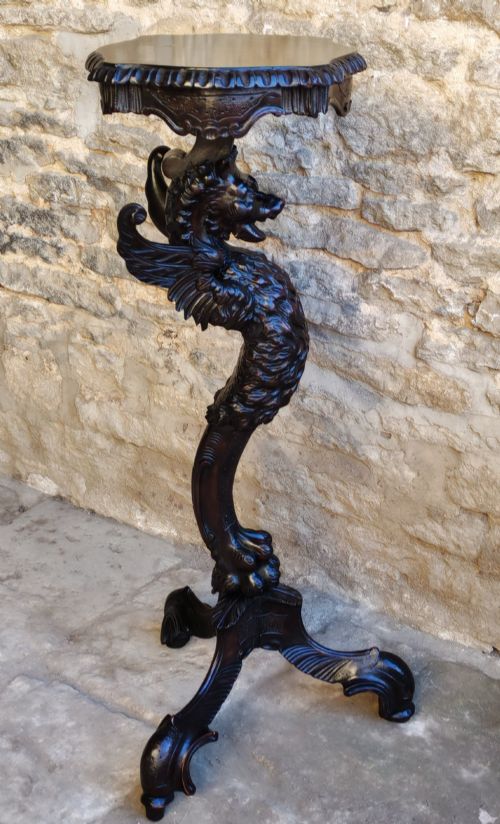
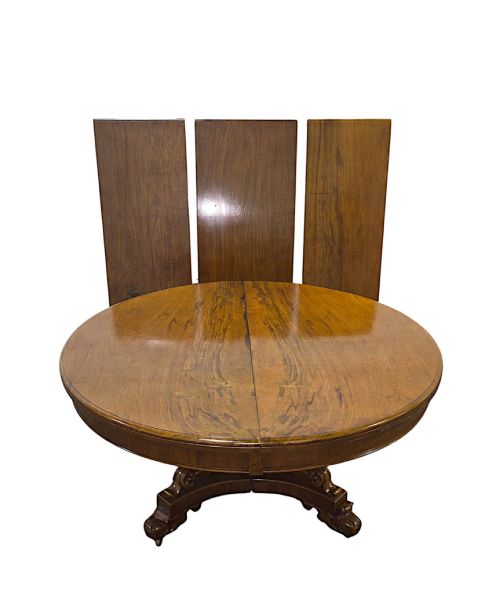
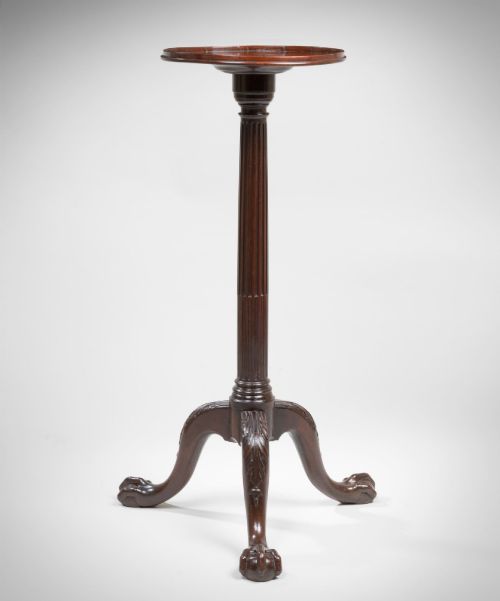
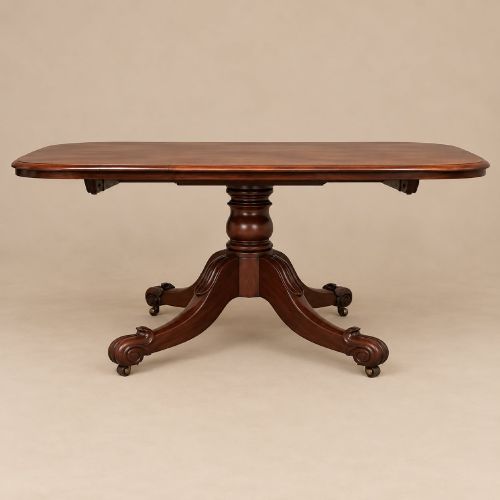
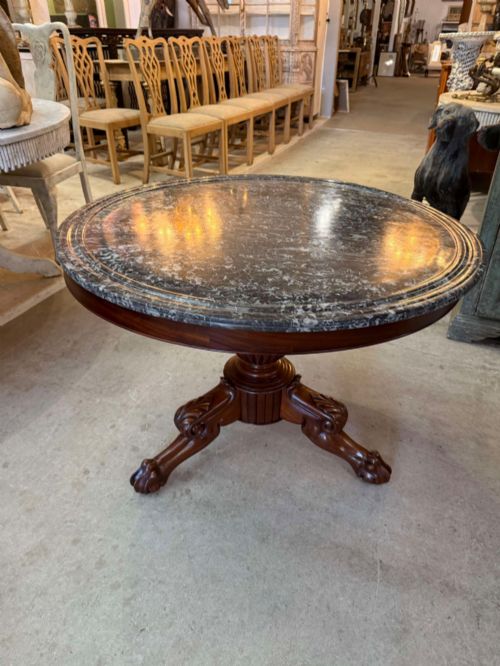
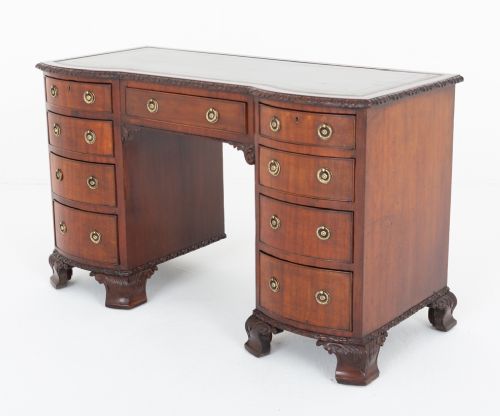
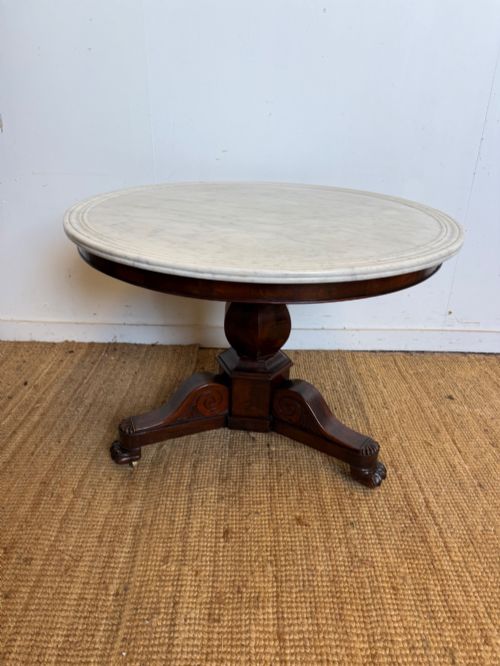
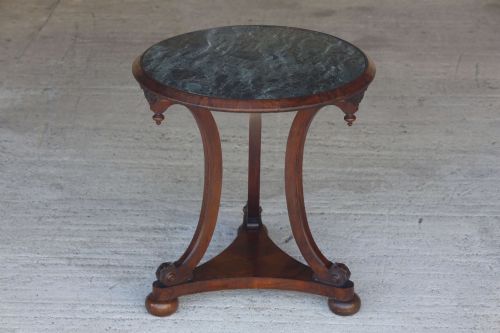
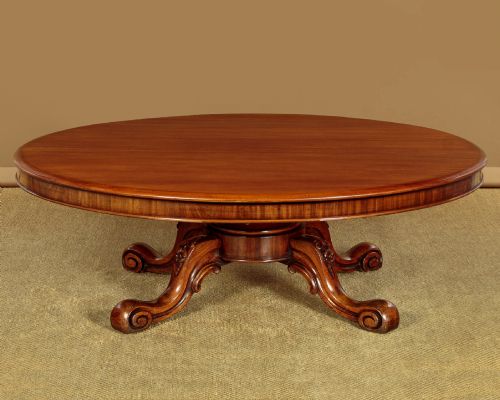
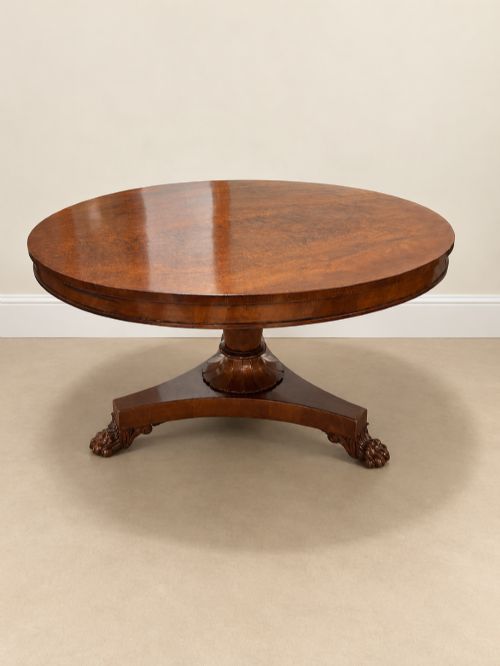
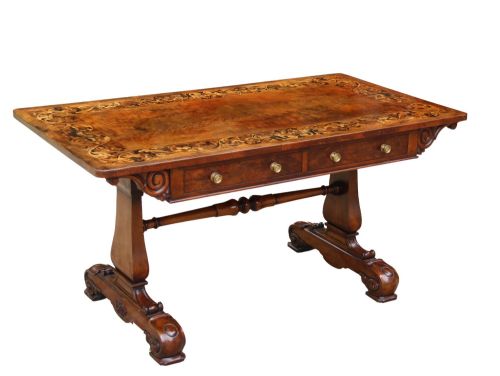
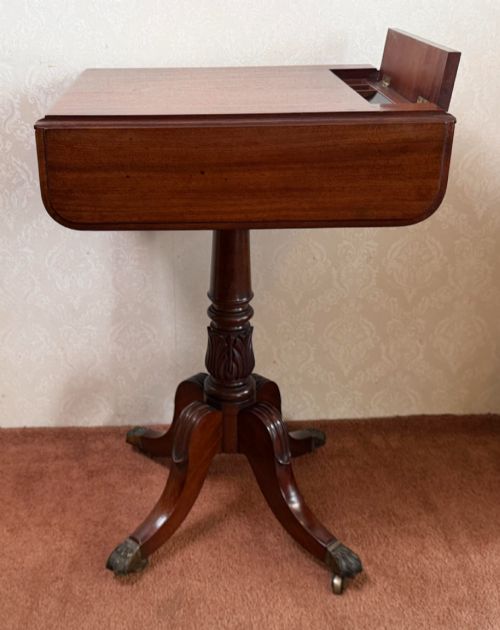
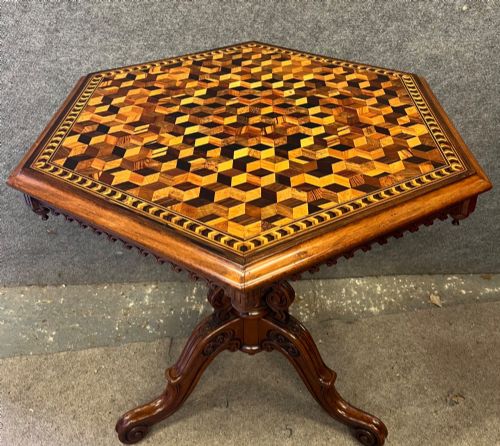
The pieces on this page range from slender plant stands and torcheres to substantial architectural columns and multi-pedestal dining tables. You are most likely to meet Victorian and Edwardian examples featuring tripod legs, square plinths, or circular bases carved from dense tropical timber.
Materials and construction
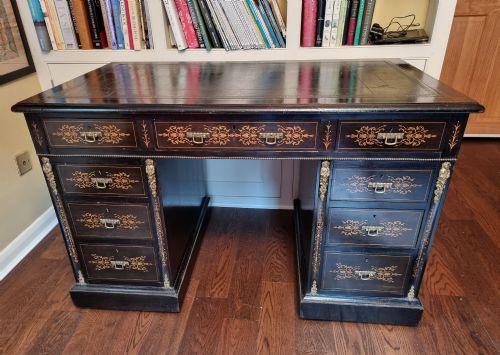
Cabinet-makers relied heavily upon solid mahogany and figured mahogany veneers, often pairing the dense tropical wood with contrasting burr wood tops or marble inserts. Brass fittings, leather inserts, and parcel-gilt details occasionally accent the primary timber structure.
Turned columns and central pedestals were shaped on lathes before receiving hand-carved ornamentation such as fluting, acanthus leaves, or ribbon motifs. Joinery often incorporated sturdy internal pegging and heavy base weights to ensure stability for tall columns and multi-legged tables.
Carved Mahogany Pedestal Retail Price Guide 2026
Typical asking prices for carved mahogany pedestal among the pieces listed under this phrase on Sellingantiques today, from the lower quarter to the upper quarter. They describe what is for sale here now, not the wider market.
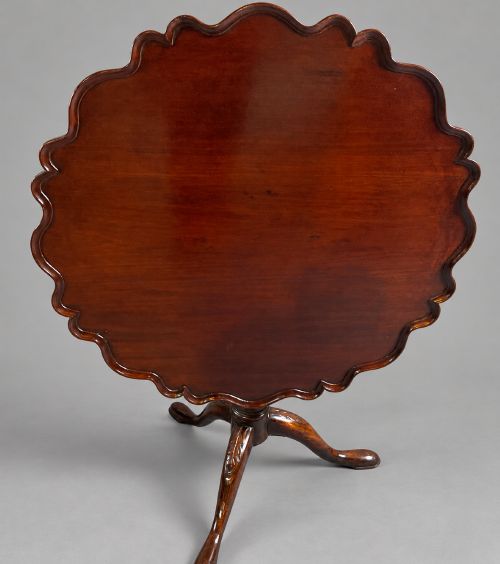
Some nineteenth-century tilt-top tables allowed homeowners to fold the surface flat against the wall, magically reclaiming a crowded parlour for dancing.
Judging quality and craftsmanship
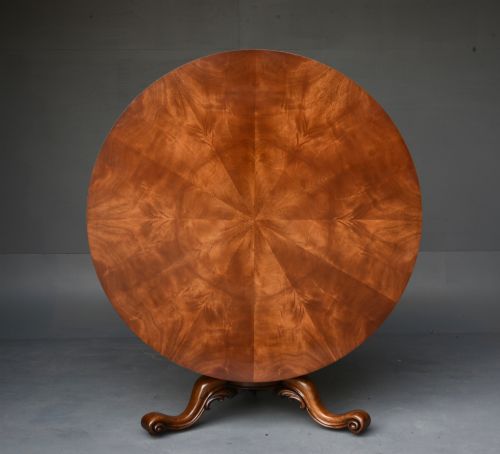
Quality rests upon the crispness of the hand-carving and the choice of timber, where highly figured flame mahogany or dense solid cuts elevate a piece above plain stock. The depth and definition in carved acanthus, reeding, or figural elements reveal the artisan's skill.
Proportion and structural integrity dictate the standing of a pedestal, ensuring the central column meets the base and top with absolute rigidity. Superior examples maintain balanced weight distribution, preventing wobble in tall torcheres and multi-pedestal dining tables alike.
Gillows·Denby & Spinks
The Carved Mahogany Pedestal Glossary
- Torchere
- A tall, slender stand designed specifically to support a lamp, urn, or decorative plant. These freestanding columns often feature tripod bases and intricate carving along the shaft.
- Flame mahogany
- A distinctive wood grain pattern displaying flickering, flame-like figures caused by the intersection of branch growth with the main trunk. Cabinet-makers reserved this veneer for prominent surfaces to create striking visual movement.
- Triform base
- A three-sided or three-legged support structure commonly found beneath circular tables and columnar pedestals. This geometric arrangement provides steady balance on uneven floors.
- Plinth
- The heavy flat slab or block forming the lowest base of a column, pedestal, or piece of cabinet furniture. It anchors the vertical weight and grounds the design visually.
- Tilt-top
- A tabletop mechanism allowing the surface to pivot vertically on its pedestal when not in use. This clever engineering saved valuable floor space in nineteenth-century parlours.
Carved Mahogany Pedestal: Frequently Asked Questions
What were carved mahogany pedestals originally used for?
These tall columns and stands served primarily to elevate decorative arts, lighting, and botanical specimens within nineteenth-century drawing rooms and reception halls. They placed prized ornaments at eye level to showcase household refinement.
Heavier pedestal bases also anchored larger dining tables, desks, and centre tables, distributing weight evenly while offering generous legroom for seated guests.
How do I distinguish Regency pedestals from Victorian ones?
Regency pieces typically display classical restraint, drawing inspiration from ancient Greek and Roman archaeology with clean architectural lines, brass inlay, and subtle reeding. Their proportions remain crisp and formal.
Victorian examples frequently introduce heavier carving, robust proportions, and bolder ornamentation such as acanthus leaves, scroll feet, and burr wood top accents.
Where should I place a pedestal in a modern room?
A slender torchere or plant stand fits neatly into vacant corners, narrow hallways, or beside seating areas to hold task lighting or trailing foliage. Their vertical footprint occupies minimal floor space.
Larger pedestal tables function effectively as freestanding centrepieces in entrance halls or as compact writing desks when paired with appropriate seating.
How do I care for mahogany furniture?
Protect the timber by keeping pieces away from direct sunlight and strong heat sources, which can dry out the wood and fade rich natural tones. Regular dusting with a soft, dry cloth preserves the polished surface.
Occasional application of quality beeswax feeds the timber and maintains the characteristic warm lustre without building up heavy chemical residues.