



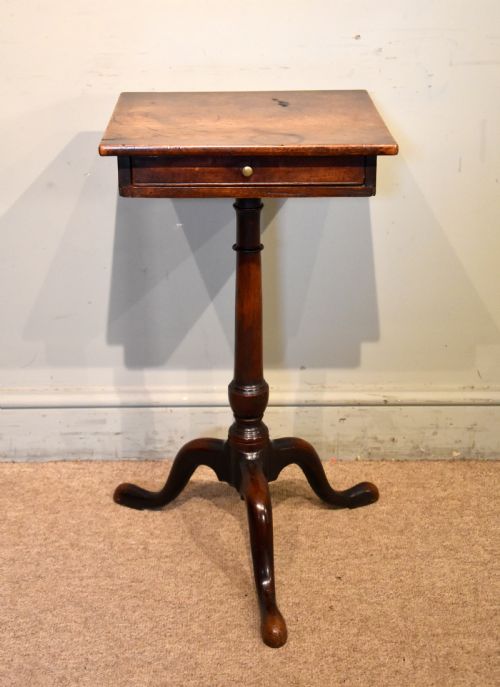
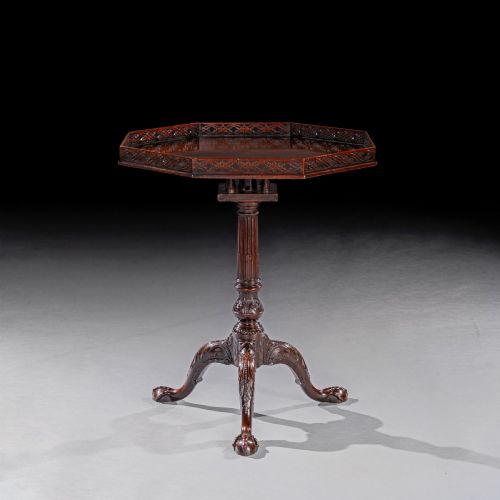
Chippendale Candle Stand
A chippendale candle stand brings lightness and precise carving to a corner, functioning as a small table for illumination or display.
Chippendale Candle Stand
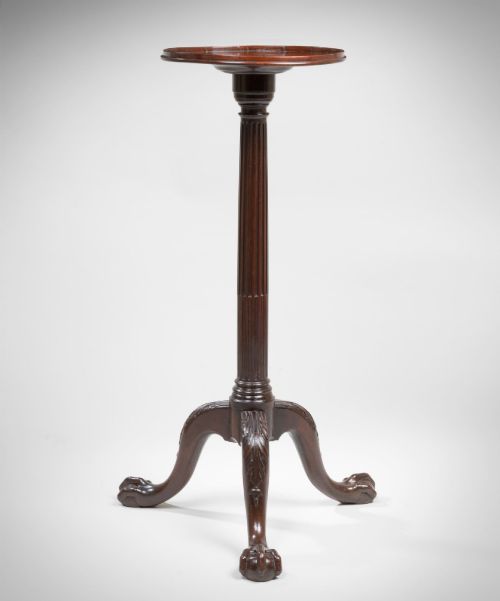
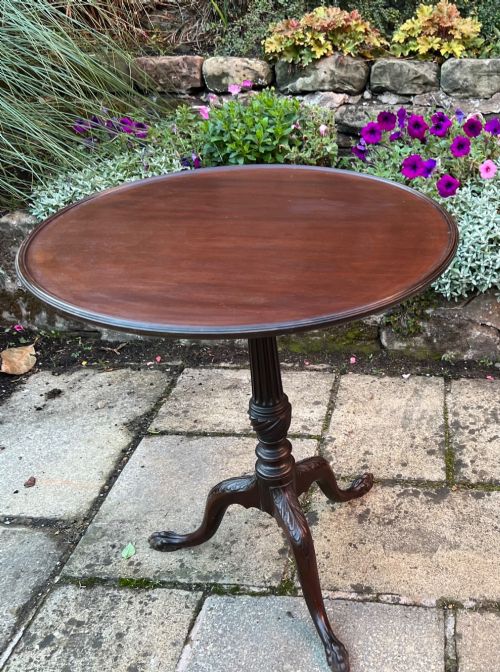
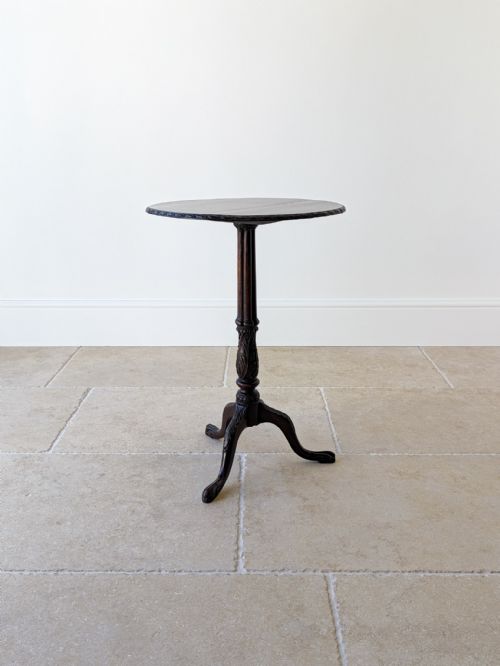
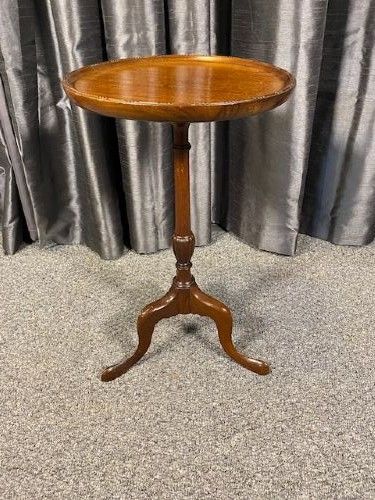
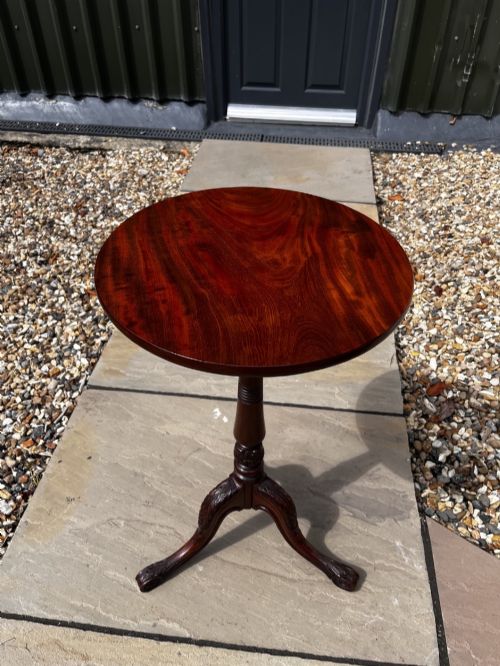
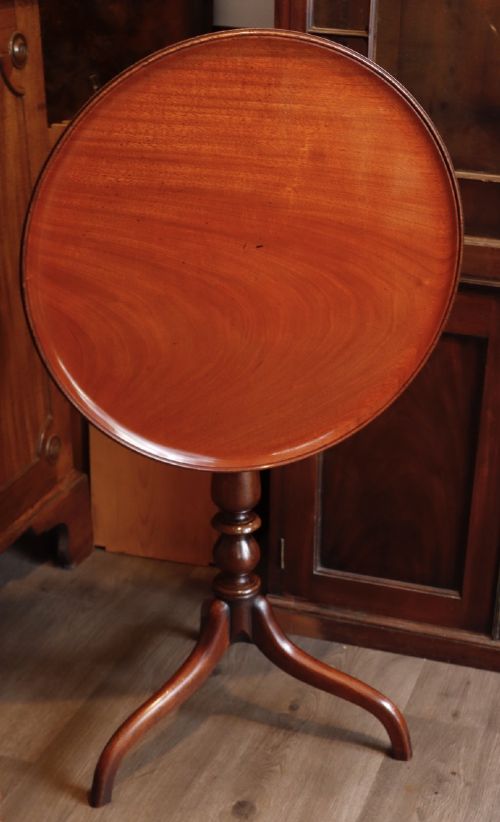
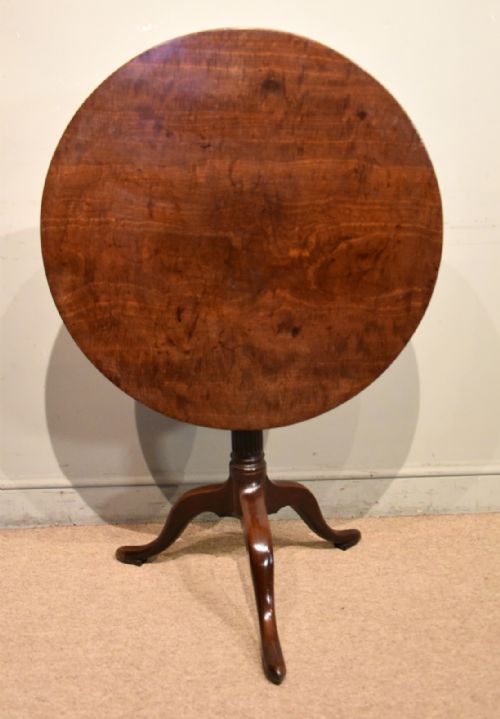
A chippendale candle stand is essentially a small occasional piece designed to support a light source, most frequently encountered as a tripod table with a circular or shaped top.
The selections span the mid eighteenth century George III period through to later revival movements in the Victorian and Edwardian eras.
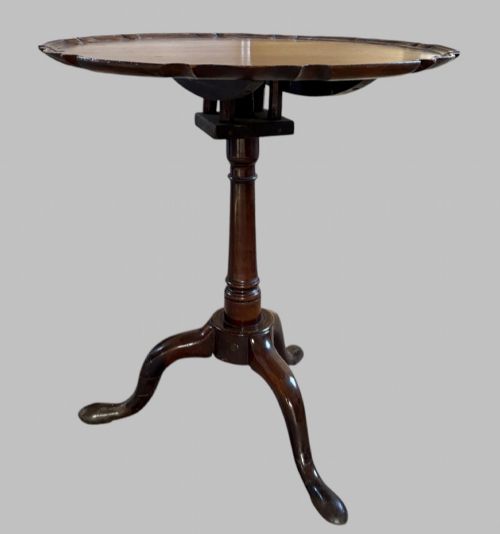
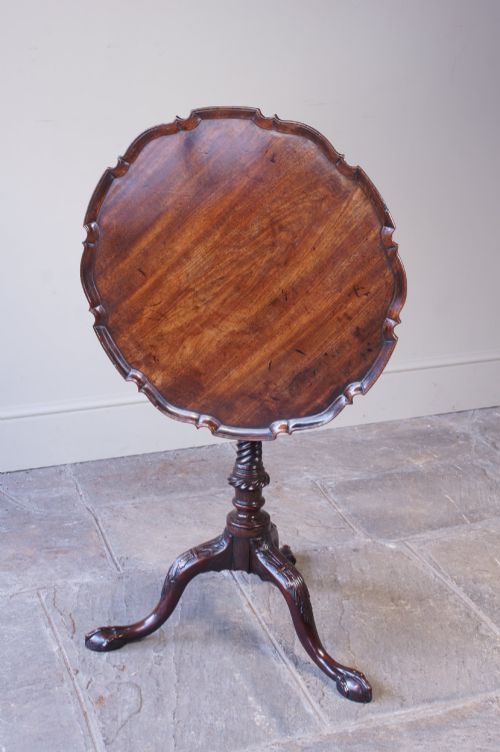
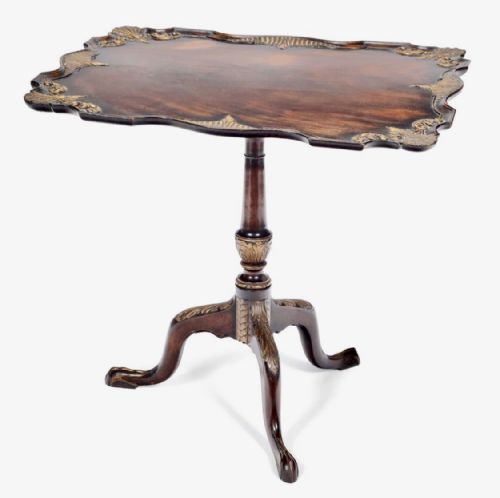
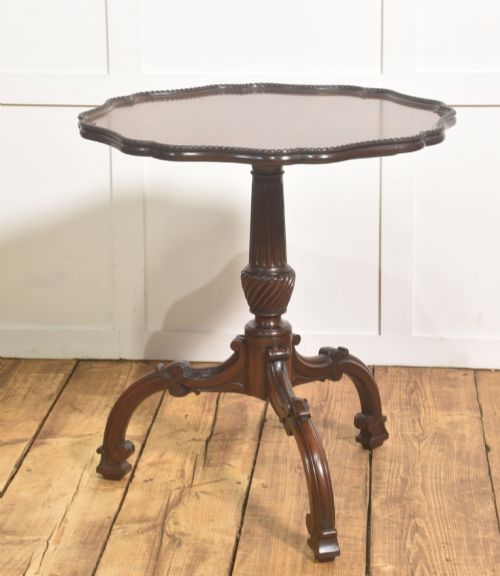
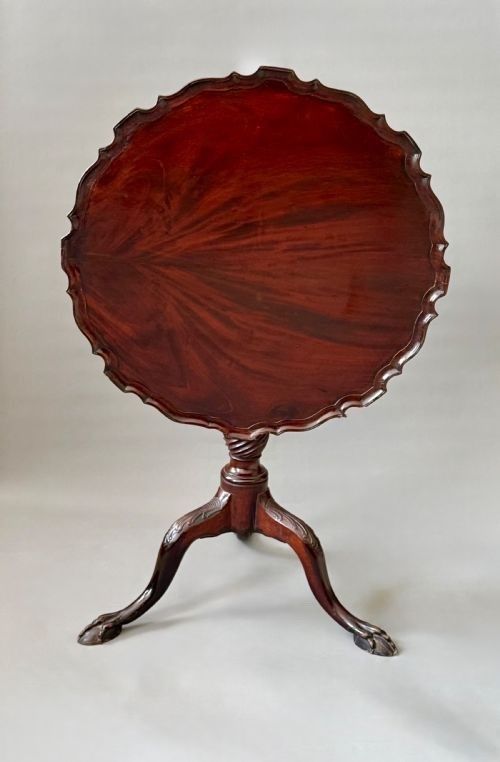
Makers utilised various formats including tilt top mechanisms, birdcage actions, and pie crust rims to elevate these modest tables into decorative focal points.
Materials and construction
Mahogany remains the principal timber, often selected for its dense grain and suitability for intricate carving on the central pillar and cabriole legs.
Makers occasionally employed burr oak, figured walnut, or parcel gilt highlights to add texture and visual depth to the surfaces.
Joinery techniques such as the birdcage action allowed the top to rotate and tilt, requiring precise hand fitting by skilled cabinet makers.
Chippendale Candle Stand Retail Price Guide 2026
Typical asking prices for chippendale candle stand among the pieces listed under this phrase on Sellingantiques today, from the lower quarter to the upper quarter. They describe what is for sale here now, not the wider market.
Listings feature mahogany, burr oak, figured walnut, and brass elements across eighteenth, nineteenth, and early twentieth century periods.
Evaluating craftsmanship
Quality rests upon the crispness of the carved details on the knees and feet, alongside the proportion between the slender column and the supporting legs.
A rich, undisturbed patina on the timber indicates careful preservation over centuries, whereas excessive refinishing dulls the natural grain.
The structural integrity of the tripod mechanism and the snug fit of the tilt top determine the functional merit of the piece.
The Chippendale Candle Stand Glossary
- Tripod table
- A small occasional table supported by three legs radiating from a central pillar. This configuration ensured stability on uneven historical floorboards.
- Tilt top
- A tabletop hinged to the pedestal so it can be tipped vertically when not in use. This allowed the table to be stored flat against a wall.
- Birdcage
- A wooden framework beneath the tabletop that permits the surface to both rotate and tilt. It represents a more complex piece of internal engineering.
- Pie crust rim
- A raised, decoratively carved edge shaped in alternating curves and indentations. The profile resembles the pastry crust of a traditional pie.
- Torchere
- A tall, slender stand designed specifically to hold a candlestick or light fixture. They often feature elevated heights compared to standard wine tables.
Chippendale Candle Stand: Frequently Asked Questions
What was a candle stand used for originally?
These pieces served to hold wax candles or oil lamps close to seating areas before electric lighting existed.
Their small surface area and portable nature meant they could be moved easily around a parlour to follow the shifting light.
How do I spot a revival piece from an 18th-century original?
Eighteenth-century examples display natural timber age, hand-cut joinery marks, and a characteristic depth in the patina.
Revival pieces from the Victorian or Edwardian periods often show machine tooling underneath and a different consistency in the polish.
Can I use a candle stand as a normal side table?
The compact top accommodates a small lamp, a drink, or a stack of books quite comfortably.
One should simply avoid placing excessive weight on the cantilevered top to protect the historical tripod joints.
What is a birdcage action?
A birdcage is a small box-like wooden assembly situated directly beneath the tabletop.
It allows the surface to spin horizontally and tilt vertically without compromising the balance of the central column.