

Antique Candle Table
An antique candle table is a compact support once placed near wax lights, and today it serves as a remarkably versatile small surface for a modern room.
Antique Candle Table
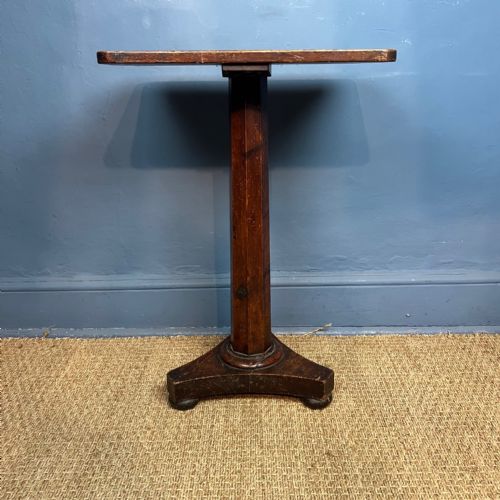
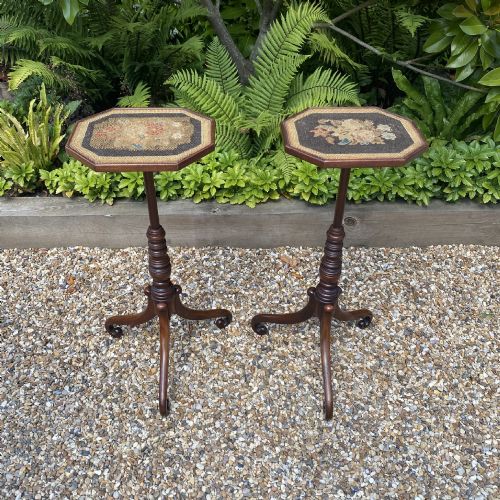
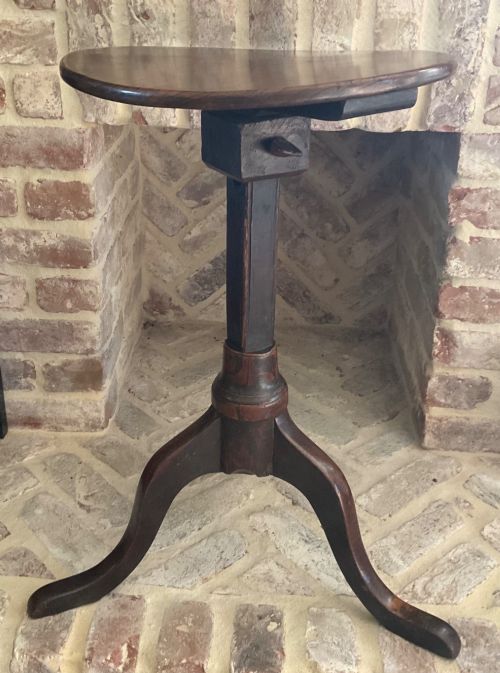
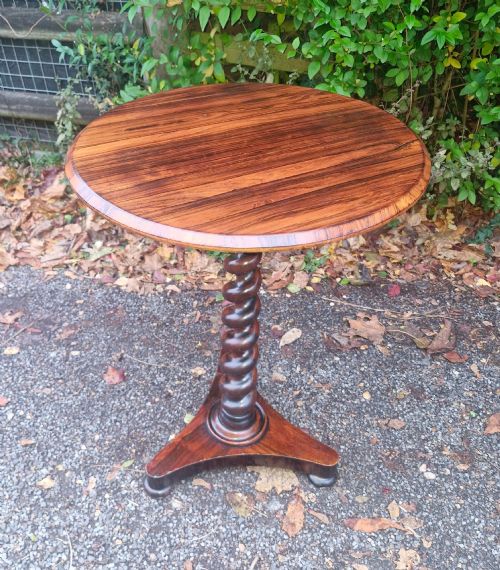
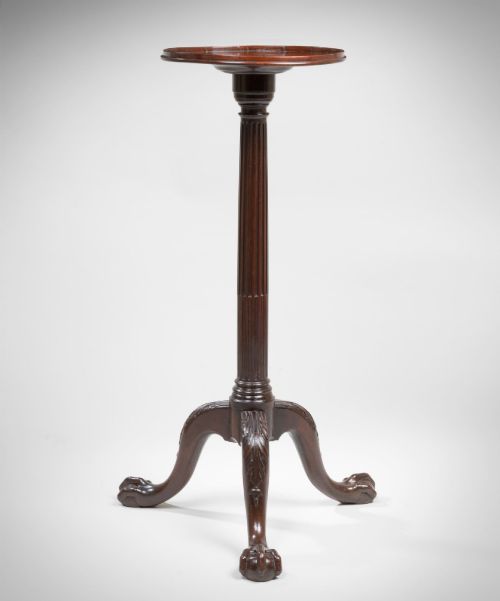
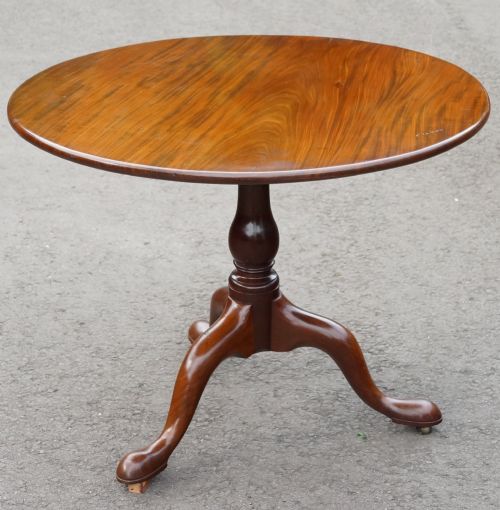
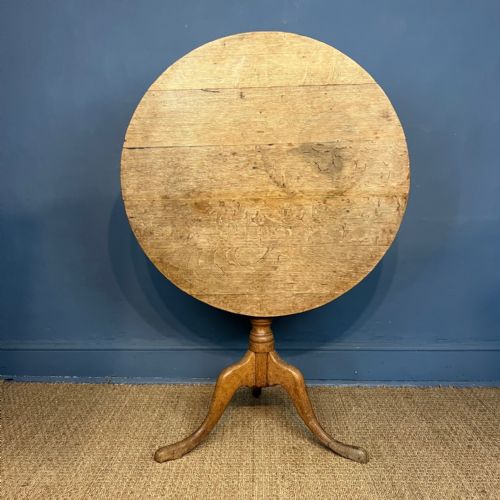
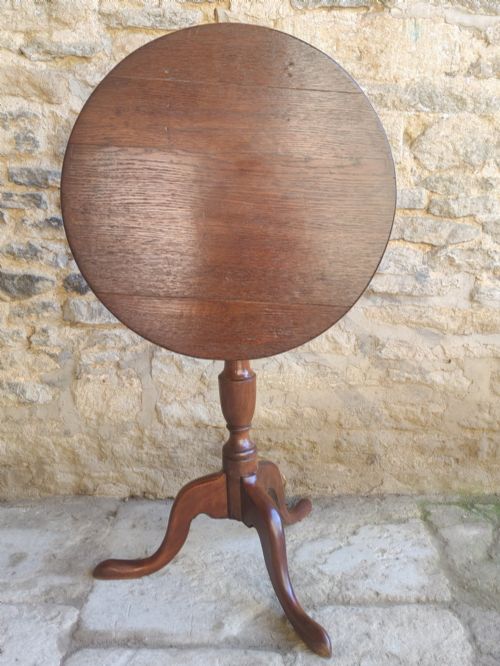
When you search for an antique candle table, you encounter small, elevated surfaces designed originally to hold illumination close to a chair or bed. The examples appearing most frequently on this page take the form of miniature tripod tables, often featuring circular timber tops supported by three splayed legs.
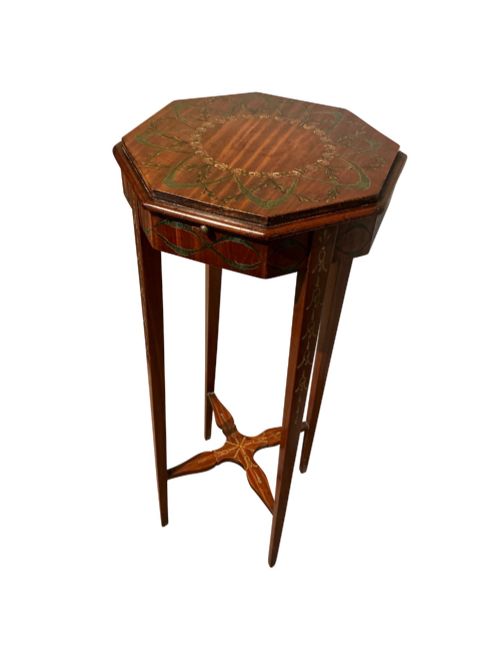
The category overlaps closely with wine tables and occasional stands, reflecting the interchangeable nature of small domestic furniture in past centuries. Buyers select them today for their diminutive scale and suitability as bedside stands or chairside resting places for a cup or book.
Materials and construction
Makers relied heavily on dense hardwoods such as mahogany, oak, and walnut, turning the central pillars on lathes and shaping the tripod feet by hand. Timber selection dictated durability, with figured woods like burr or rosewood reserved for more decorative examples.
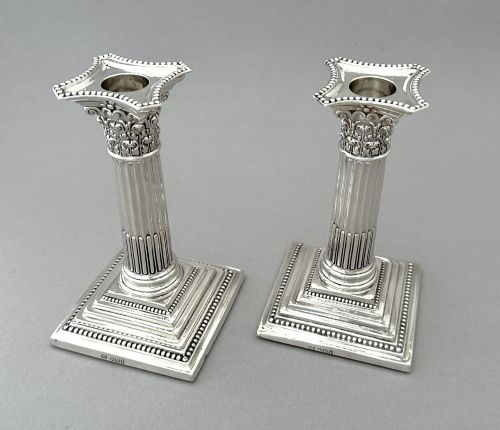
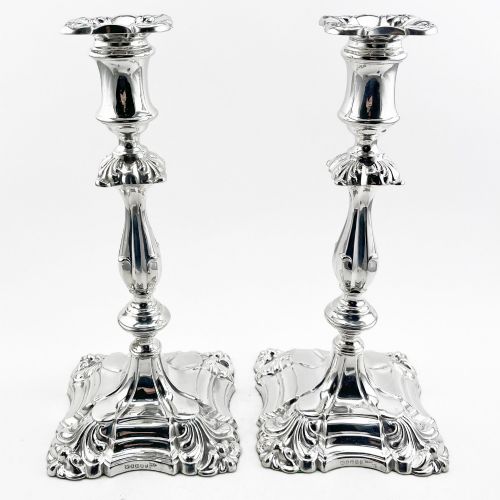
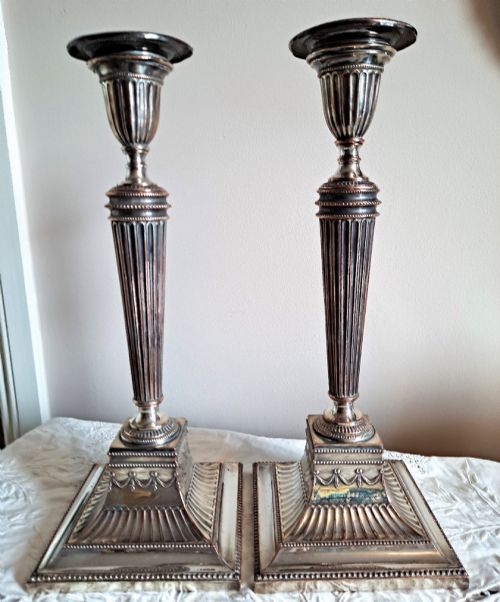
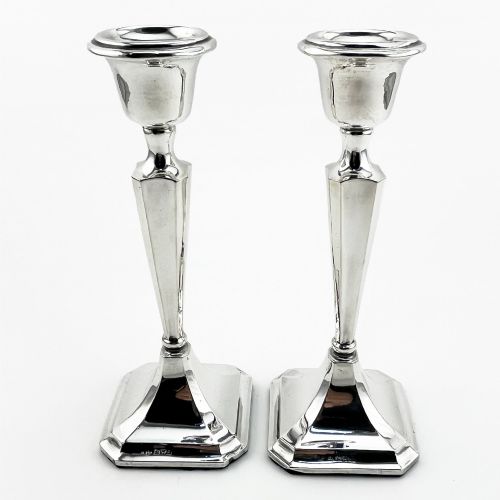
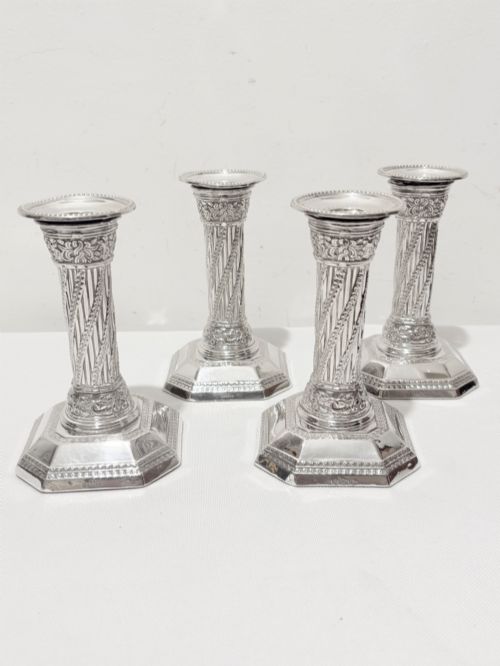
Metal components involved cast brass, silver plate, and ormolu, particularly on paired candlesticks and the fittings of adjustable stands. Joinery methods included pegged tenons and dovetails, ensuring that slender stems and delicate legs remained stable under daily use.
Antique Candle Table Retail Price Guide 2026
Typical asking prices for candle table among the pieces listed under this phrase on Sellingantiques today, from the lower quarter to the upper quarter. They describe what is for sale here now, not the wider market.
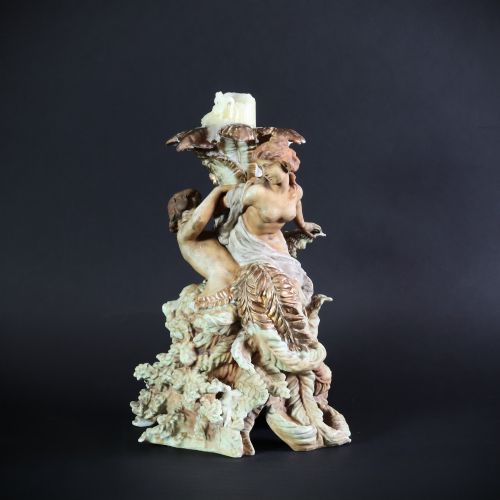
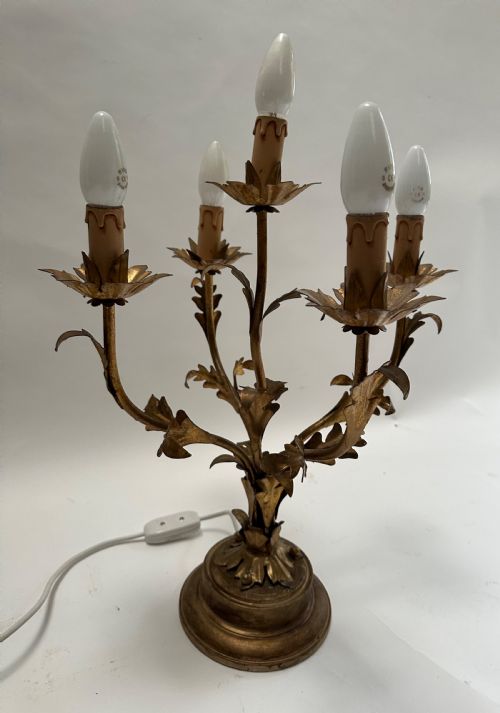
Form variations range from pillar-supported wine tables and adjustable stands to heavy brass candlesticks and multi-light candelabra.
Assessing craftsmanship and proportion
Quality rests primarily in the elegance of the proportions and the crispness of any carved detail, such as pie crust edges or claw-and-ball feet. Superior tables display harmonious balance between the diameter of the top and the height of the slender pillar.
The integrity of the mechanisms, including tilt catches and height adjusters, also distinguishes finer workshops from more utilitarian production. Untouched surfaces with deep patination indicate careful preservation over centuries, whereas heavy restoration can diminish historical character.
Gillow·Mappin & Webb·Birks
The Antique Candle Table Glossary
- Tilt top
- A hinged table top that folds into a vertical position when not in use. This clever mechanism allowed the furniture to be stored flat against a wall to save floor space in smaller rooms.
- Tripod base
- A support structure comprising three legs radiating from a central pillar. This design provides stable footing on uneven historical floorboards without rocking.
- Pie crust edge
- A decorative raised rim carved into the perimeter of a wooden table top with undulating curves. The intricate profile resembles the crust of a traditional pastry.
- Candlestand
- A tall, slender piece of furniture specifically built to elevate a light source. They frequently feature adjustable heights or small platforms suited to holding single candles.
- Ormolu
- Gilded bronze ornamentation applied to furniture and lighting accessories. The technique creates a rich, bright gold finish that catches ambient candle flame.
Antique Candle Table: Frequently Asked Questions
What were antique candle tables used for?
These small stands were positioned beside seating or beds to hold wax candles, providing focused illumination for reading or needlework before the invention of electric light.
Over time, their convenient height and small footprint led to them being used for holding small decorative objects, pocket watches, or cups of tea.
How do I spot a tilt top table?
Look underneath the circular surface for a wooden or brass catch mechanism that releases the table top from its horizontal locking position.
Original mechanisms often feature a birdcage block or a simple pivoting latch that allows the entire top to turn vertically.
Are these tables sturdy enough for daily use?
Despite their slender proportions and three-legged design, well-constructed examples remain remarkably stable on even surfaces.
Care should be taken not to overload the edges, as the tilt mechanism and light timber legs are engineered for modest weights.
How do I tell Georgian from Victorian examples?
Georgian tables typically display restrained elegance, simpler lines, and native timbers like oak or early Cuban mahogany with rich patination.
Victorian pieces often introduce denser embellishments, exotic veneers such as burr walnut or rosewood, and occasionally more complex adjustable hardware.