


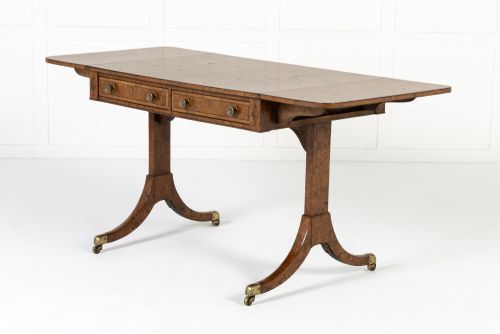
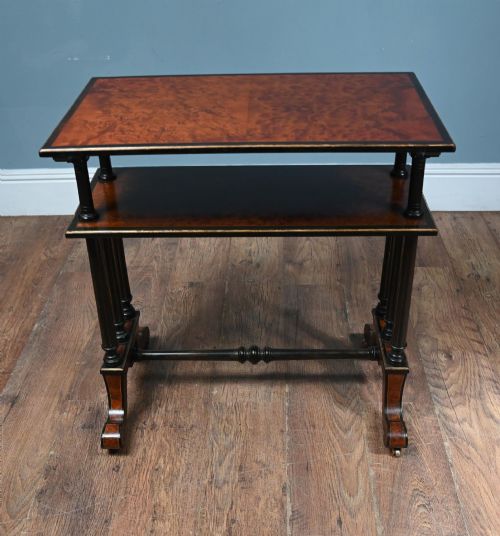
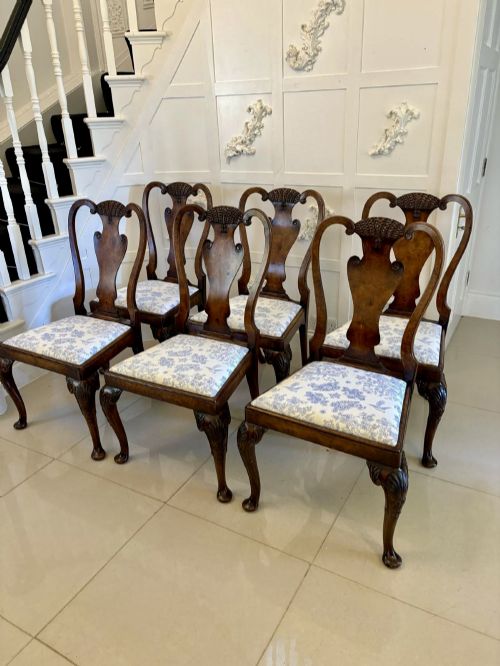
Burr Wood Side Table
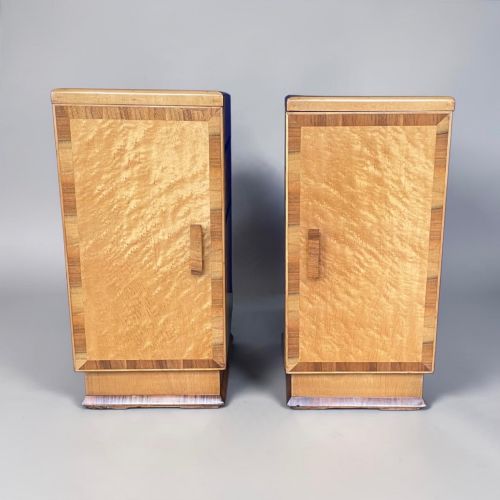
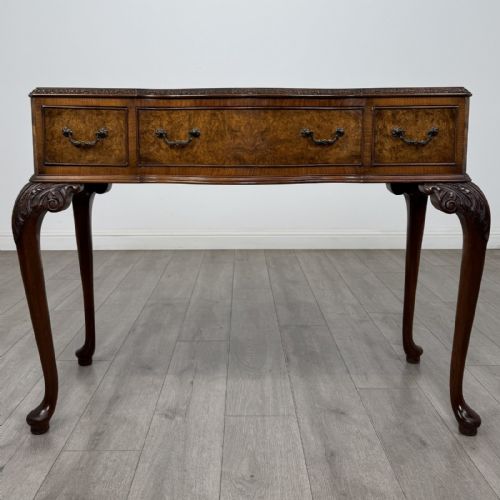
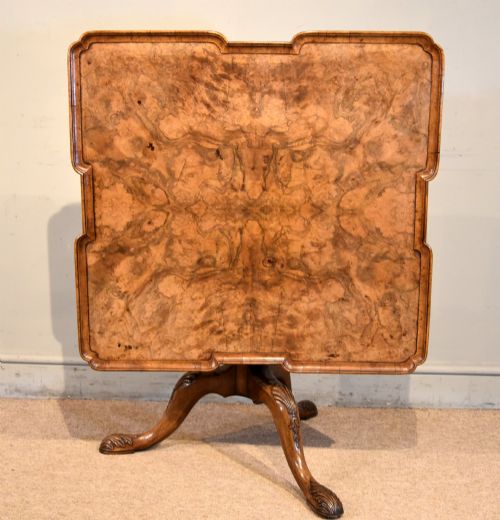
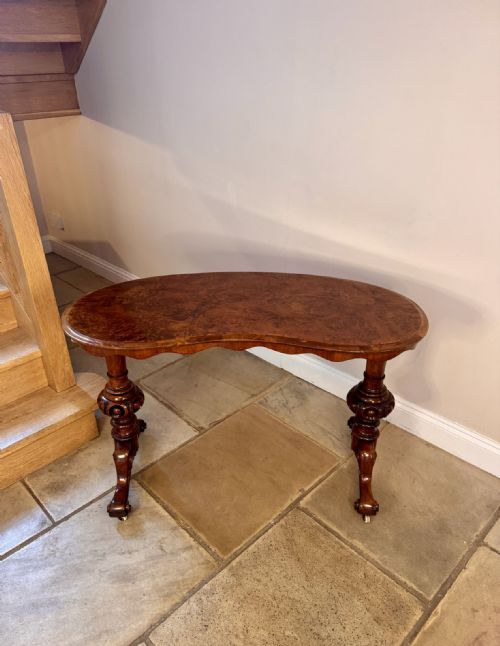
These burr wood side table pieces bring striking grain patterns and rich warmth to a room.
Burr Wood Side Table
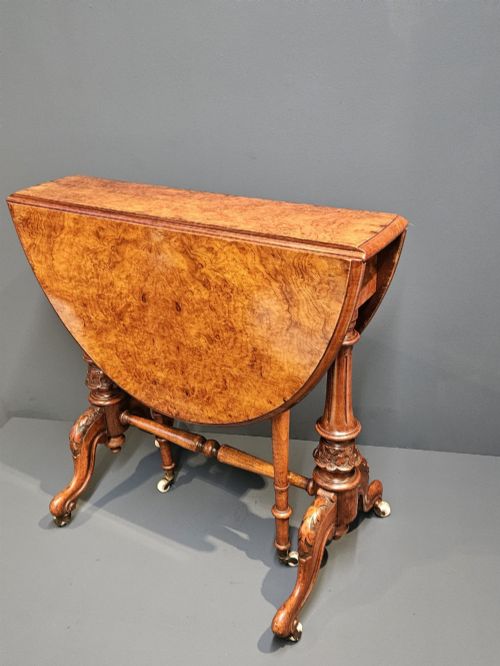
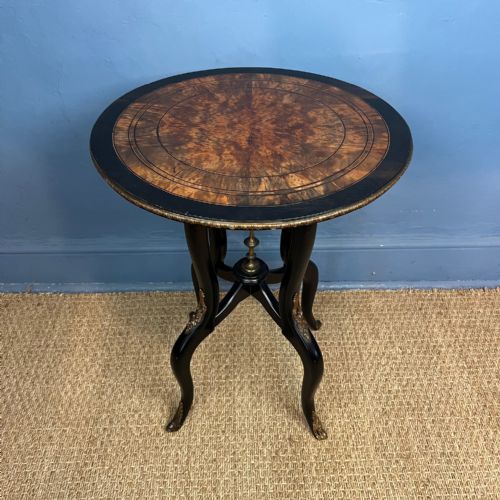
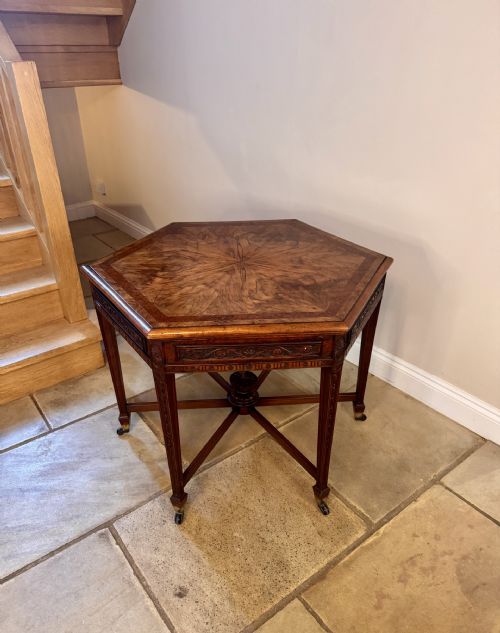
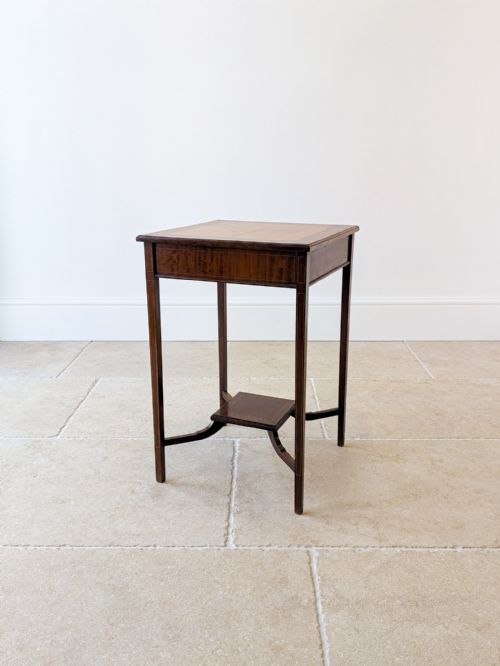
A burr wood side table is a compact surface built to display rich, knotted timber grain across the top or body, functioning as an occasional piece beside seating or beds.
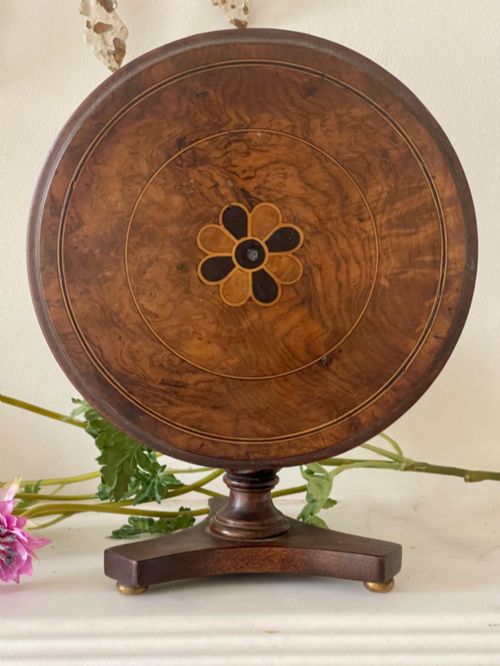
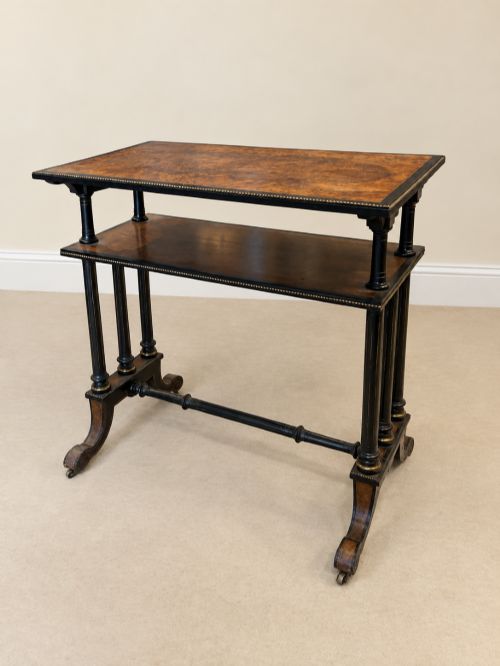
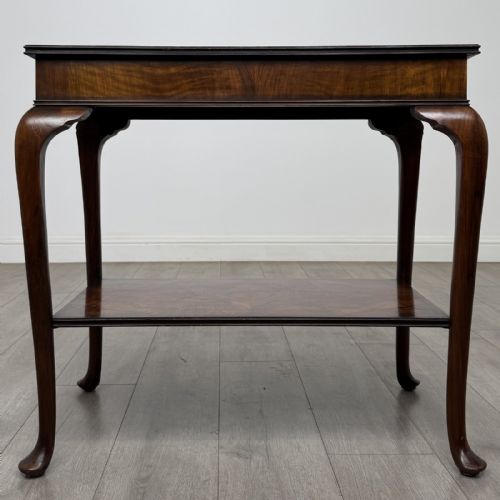
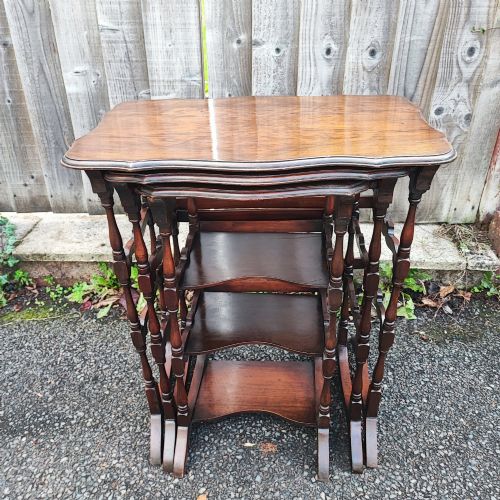
The versions most commonly met on this page span the 18th century, Victorian era, and 19th century, taking the form of tripod tables, lowboys, and occasional tables.
Makers often paired burr surfaces with solid structural timbers like mahogany, oak, or walnut, creating distinct contrasts between the figured top and the supporting frame.
How they were made
Craftsmen sliced thin veneers from complex tree growths known as burrs, featuring swirling patterns caused by stunted branch growth, and laid them over stable secondary woods.
Frames and supports relied on native and exotic timbers including mahogany, oak, amboyna, alder root, and ebonised wood, joined with traditional cabinetmaking methods.
Burr Wood Side Table Retail Price Guide 2026
Typical asking prices for burr wood side table among the pieces listed under this phrase on Sellingantiques today, from the lower quarter to the upper quarter. They describe what is for sale here now, not the wider market.
What varies in quality
Quality rests in the intensity and symmetry of the burr grain itself, alongside the crispness of the turning on tripod stems and legs.
The integration of secondary timbers, such as mahogany or walnut framing, dictates the visual balance and structural integrity of the piece.
The Burr Wood Side Table Glossary
- Burr wood
- Timber harvested from tree deformations or burls that creates swirling, highly figured grain patterns. It requires careful veneering due to its tendency to move.
- Lowboy
- A small table with drawers, typically raised on four tall legs, originating in the 18th century. George II examples often utilise timbers like burr elm.
- Tripod table
- A small freestanding table supported by a central pillar resting on three spreading feet. These frequently appear in 19th century Swedish and Victorian designs.
- Amboyna
- An exotic wood sourced from Southeast Asia, prized for its dense, mottled golden-brown figure. It appears on finer 19th century occasional tables.
Burr Wood Side Table: Frequently Asked Questions
What is a burr wood side table?
A burr wood side table is a compact furnishing featuring a highly figured, knotty timber top supported by a pedestal or four-leg frame.
These pieces were historically used for holding lamps, sewing equipment, or drinks in principal rooms.
How do I identify a George II lowboy?
A George II lowboy dates from the mid-18th century and often displays traditional joinery paired with native timbers like burr elm.
They generally feature drawers beneath the working surface and slender legs terminating in distinct feet.
Where were tripod tables placed?
Tripod tables served as versatile occasional furniture that could be easily moved around a Victorian or 19th-century interior.
Their central pillar design allowed them to sit snugly beside chairs or in corners without taking up excessive floor space.
What timber is amboyna?
Amboyna is an exotic hardwood known for its dense, highly decorative golden-brown spots and swirls.
Cabinetmakers utilised it on high-end 19th-century occasional and wine tables to create a striking visual contrast.