

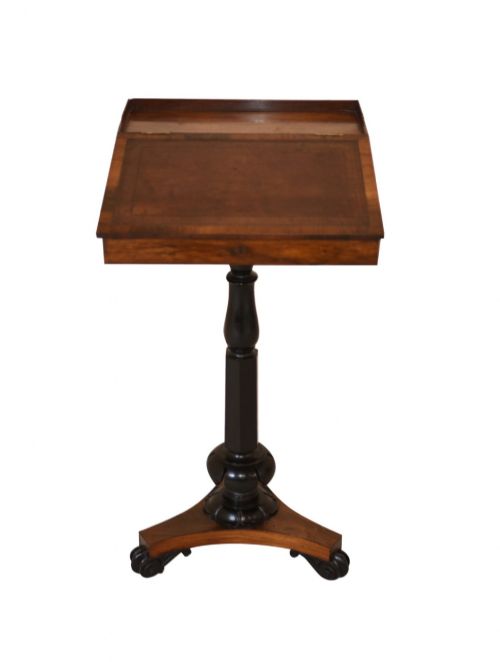
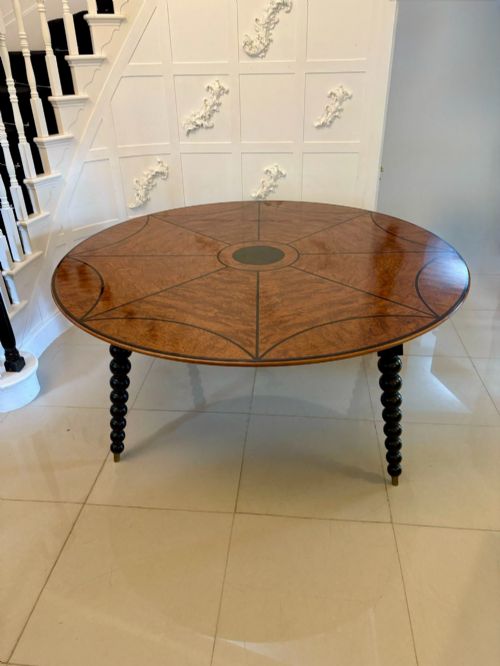
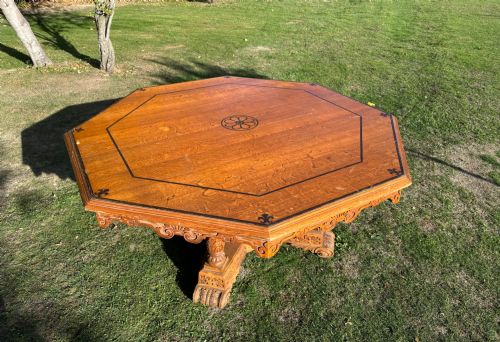
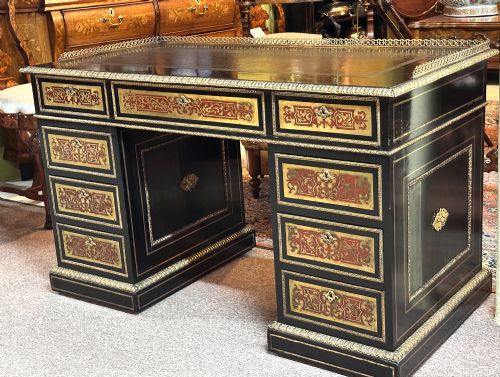
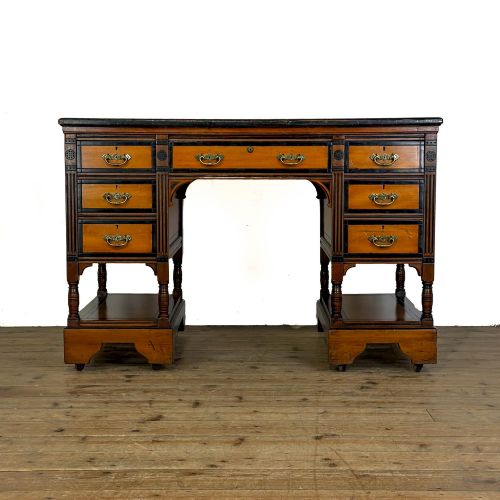
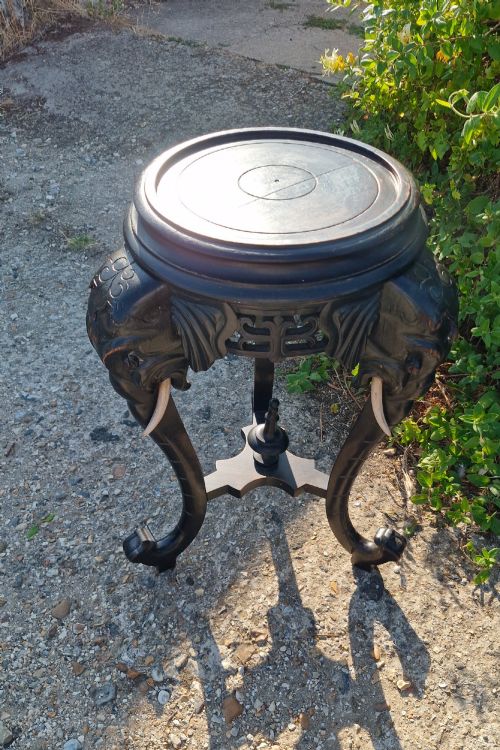
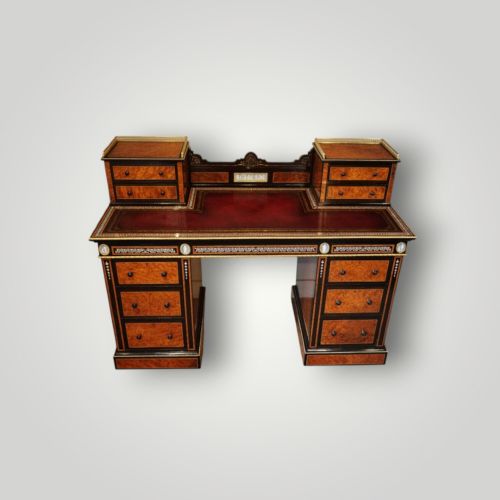
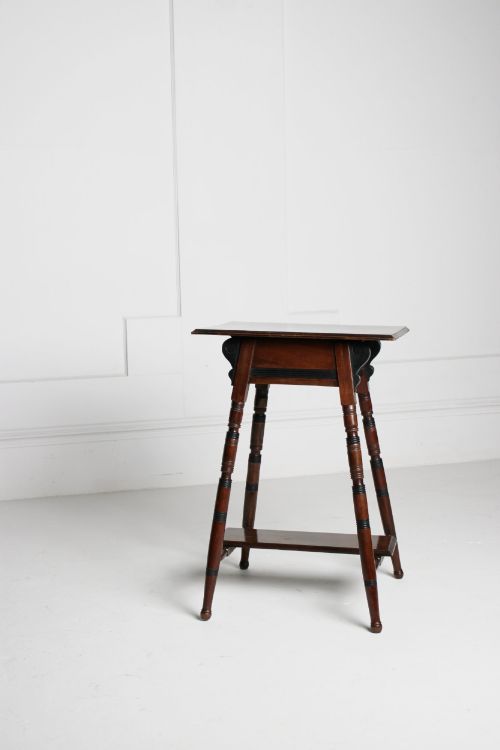
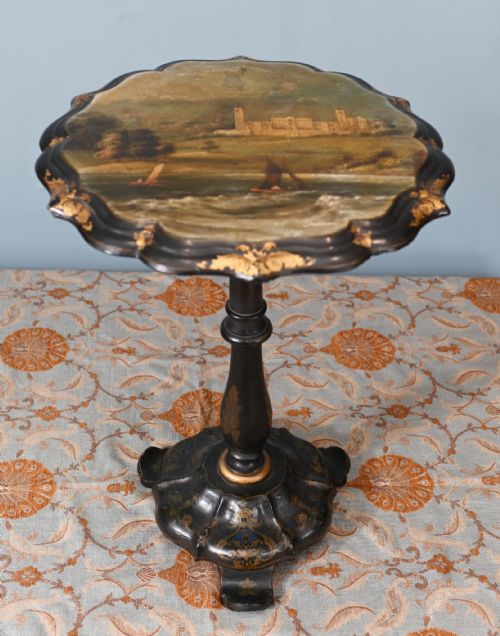
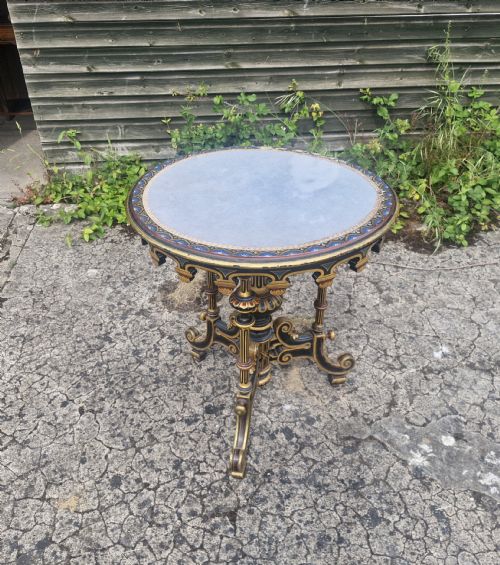


Ebonised Pedestal Table
An ebonised pedestal table offers a striking dark finish and a central support, bringing architectural presence and rich contrast to a room.
Ebonised Pedestal Table
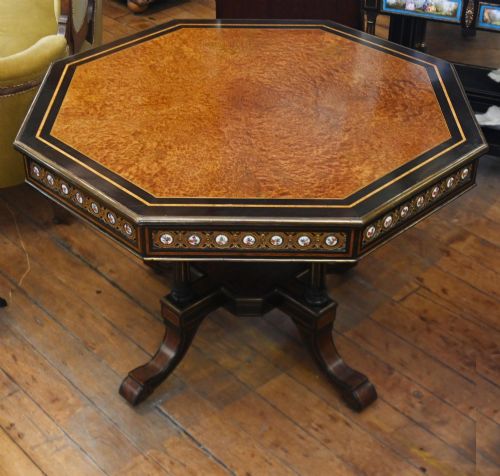
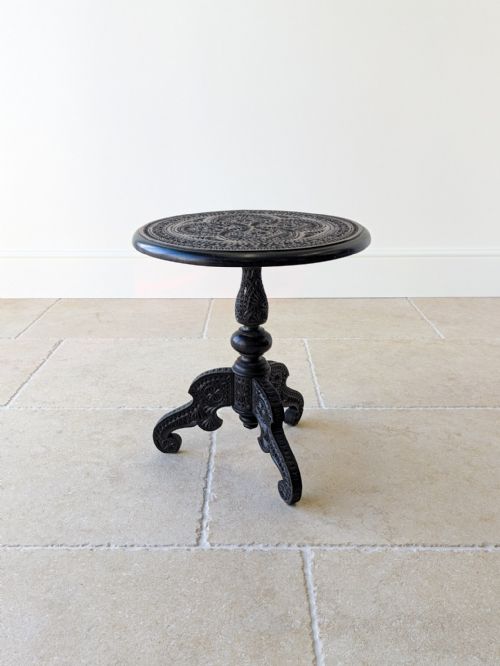
The ebonised pedestal table encompasses various forms supported by a central column, ranging from Victorian centre tables to Swedish Biedermeier examples and compact coffee tables. These pieces emerge from the nineteenth century, spanning distinct movements such as Aesthetic, Biedermeier, and Anglo-Indian Regency styles.
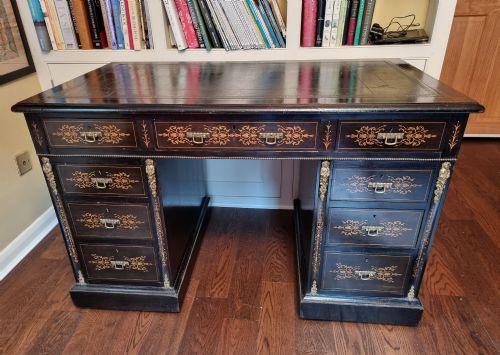
Buyers frequently encounter centre tables, sofa tables, and games tables featuring this deep, dark finish, often paired with contrasting inlays like boxwood or rich timbers such as burr birch, coromandel, and Karelian birch.
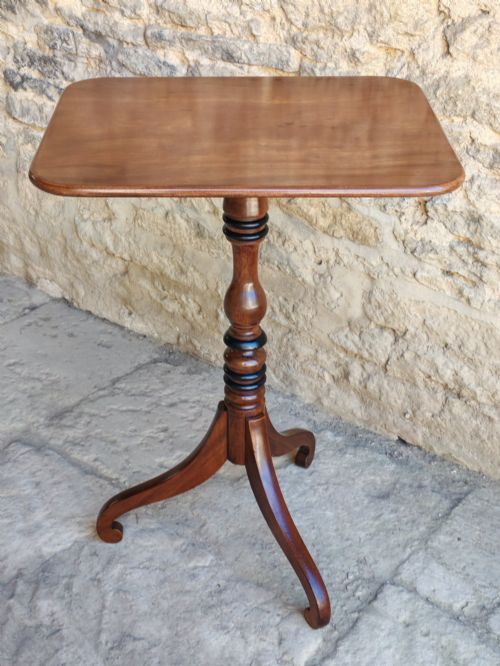
Origins vary across British, Swedish, and Anglo-Indian traditions, meaning one finds both formal drawing-room centrepieces and more intimate coffee or tripod formats represented on this page.
Materials and Construction
Craftsmen achieved the signature black surface of an ebonised pedestal table by staining or painting hardwoods, sometimes applying a polished finish that mimics ebony. This treatment often highlights the underlying grain while delivering a uniform dark tone.
Makers integrated decorative elements such as boxwood inlay, ormolu mounts, and contrasting veneers in burr walnut, birch, and Karelian birch. Brass details frequently accent the central columns and feet, adding metallic warmth to the dark wooden structures.
Ebonised Pedestal Table Retail Price Guide 2026
Typical asking prices for ebonised pedestal table among the pieces listed under this phrase on Sellingantiques today, from the lower quarter to the upper quarter. They describe what is for sale here now, not the wider market.
Judging Quality and Execution
Superior execution shows in the crispness of the boxwood inlay and the stability of the central pedestal construction, where joins remain tight and weight distribution supports the top securely. The depth and polish of the ebonised surface reveal the care taken in finishing.
The Ebonised Pedestal Table Glossary
- Ebonised wood
- Timber stained, painted, or treated to resemble solid ebony, popular in nineteenth-century furniture design for its dramatic contrast. This technique allowed makers to achieve a costly look using more accessible underlying woods.
- Pedestal table
- A table supported by a single central pillar or column rather than four corner legs, often resting on a platform base or tripod feet. This design maximises seating space around the perimeter.
- Centre table
- A freestanding table designed to be viewed from all sides, traditionally placed in the middle of a room rather than against a wall. These pieces often feature highly decorative tops and finished undersides.
- Ormolu
- Gilded bronze mounts applied to furniture for decorative enrichment during the nineteenth century. The metallic detail adds lustre against dark ebonised surfaces.
- Veneer
- A thin layer of fine wood applied to a secondary timber base to create decorative patterns on tabletops. Figured woods like burr birch showcase natural grain variations through this method.
Ebonised Pedestal Table: Frequently Asked Questions
What is an ebonised pedestal table?
An ebonised pedestal table is a nineteenth-century furniture piece featuring a dark, polished finish that mimics solid ebony, supported by a central column. These tables come in various formats including centre tables, card tables, and coffee tables.
Craftsmen often combined the dark finish with contrasting timber veneers, boxwood inlay, or metal mounts to create striking visual appeal.
Where did these tables originate?
These tables originate from several nineteenth-century European and international traditions, notably Victorian Britain, Sweden, and Anglo-Indian workshops. Each region brought distinct decorative vocabularies to the central pedestal format.
Swedish Biedermeier examples emphasise clean lines and rich birch veneers, while Victorian and Anglo-Indian pieces often incorporate intricate inlay or exotic secondary woods.
How do I style a pedestal table?
A pedestal table works effectively as a freestanding centrepiece in a room, allowing movement all around its central pillar. They suit drawing rooms, studies, or hallways where their decorative tops can be appreciated.
Pairing the dark ebonised finish with lighter surrounding decor creates strong visual contrast and highlights the architectural form of the base.
How do I identify the period?
Identifying the period involves examining the combination of materials, construction methods, and stylistic cues such as Aesthetic Movement or Biedermeier design traits. Nineteenth-century makers utilised specific veneering techniques and timber combinations typical of their era.
Hardware details like brass mounts and the specific execution of the ebonised finish also provide clues to the exact decade of manufacture.