


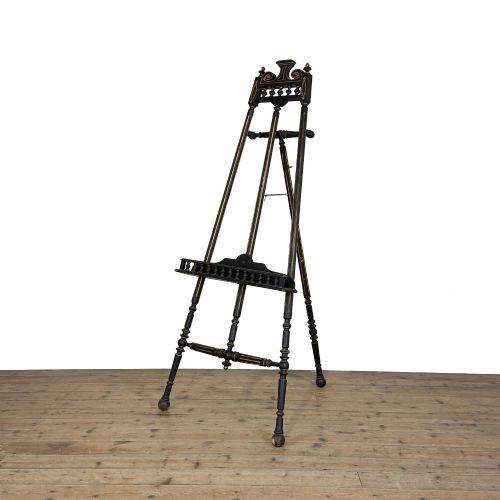
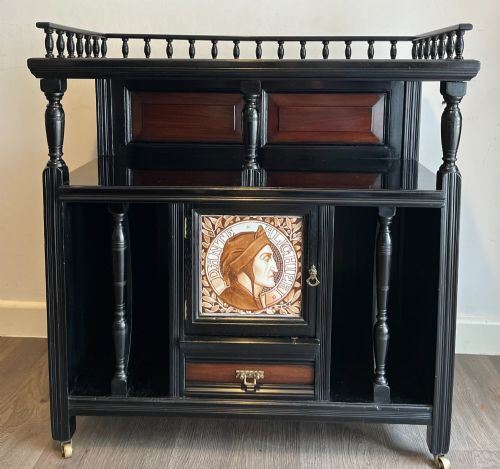
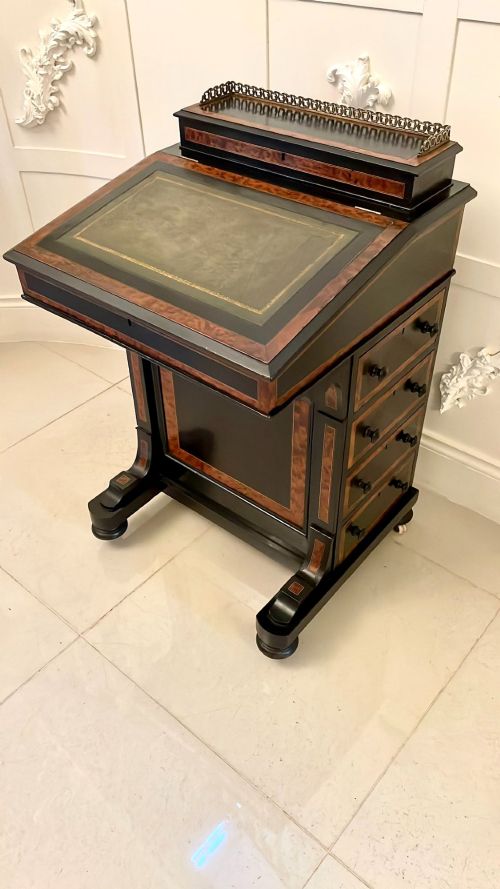
Victorian Ebonised Furniture
Victorian ebonised furniture brings dark, polished surfaces and crisp silhouettes into a room, drawing on the aesthetics of the nineteenth century.
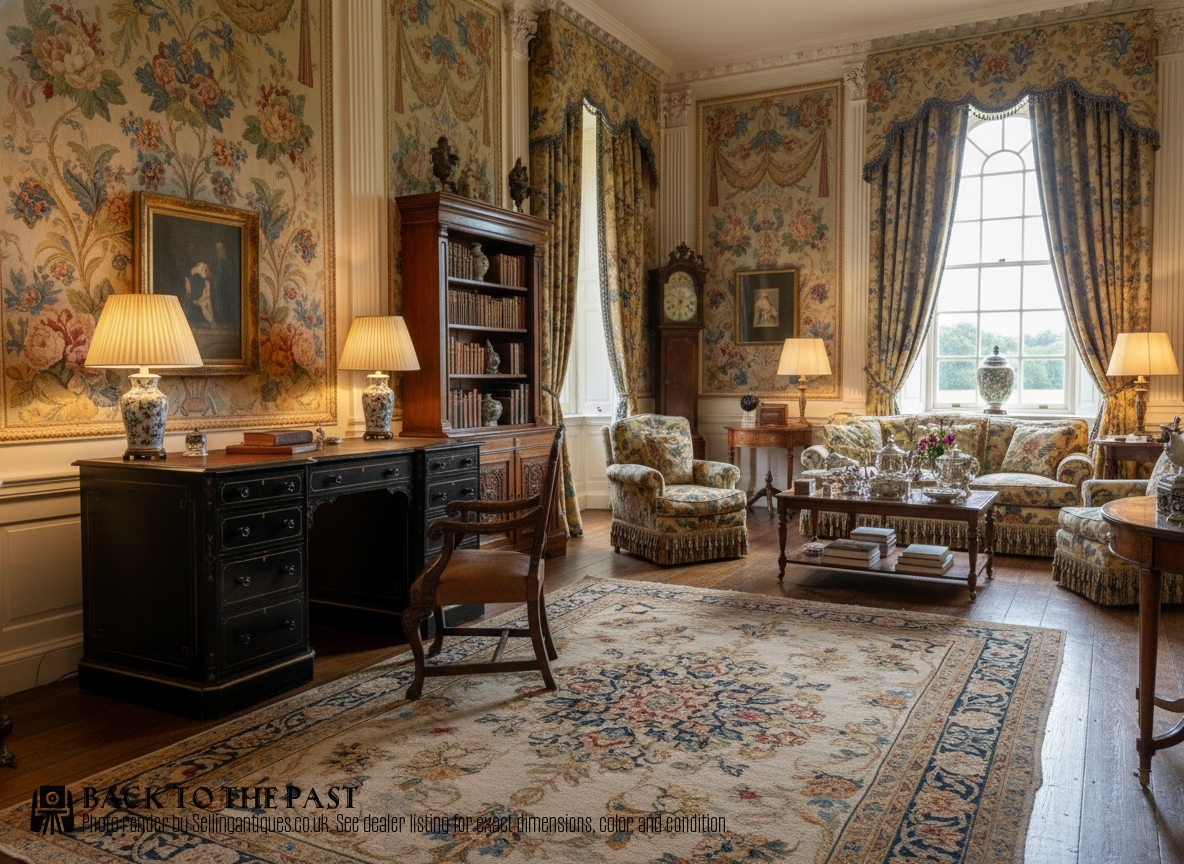
Victorian Ebonised Furniture
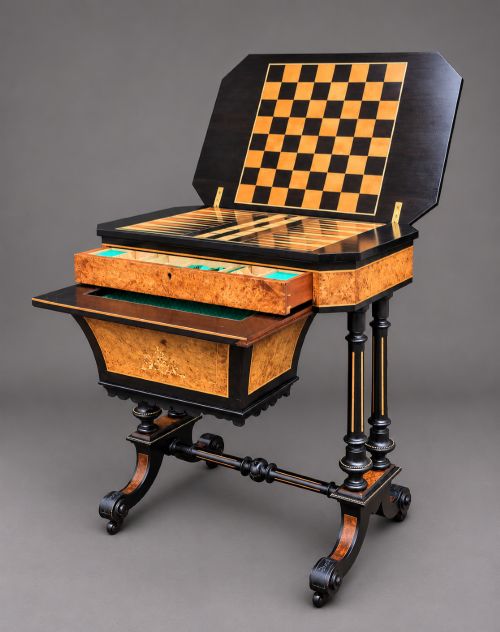
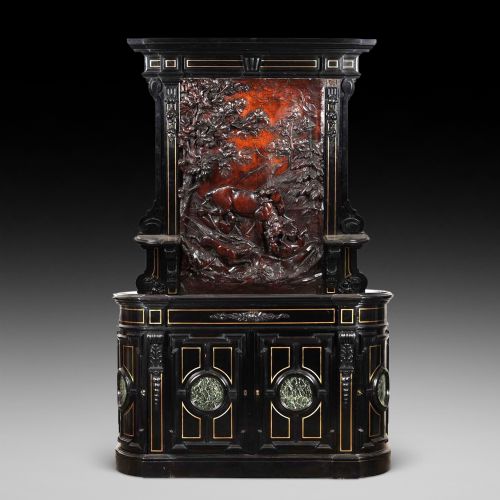
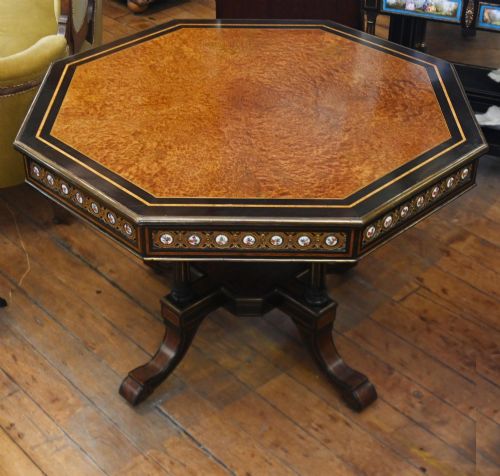
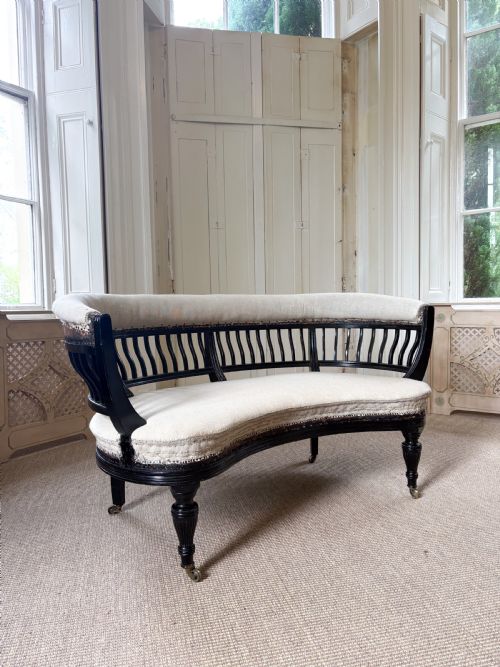
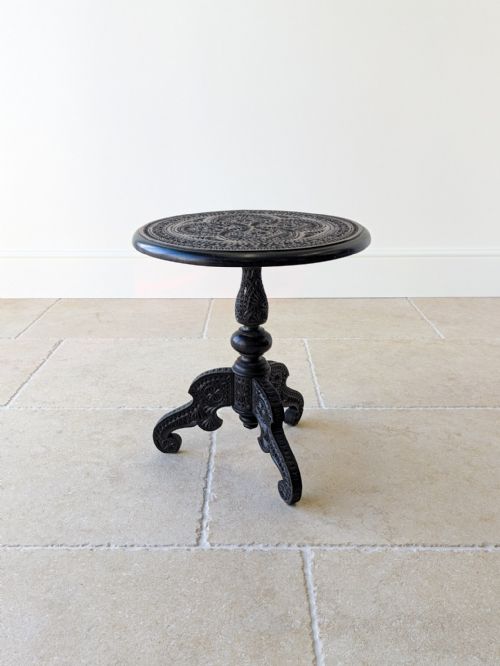
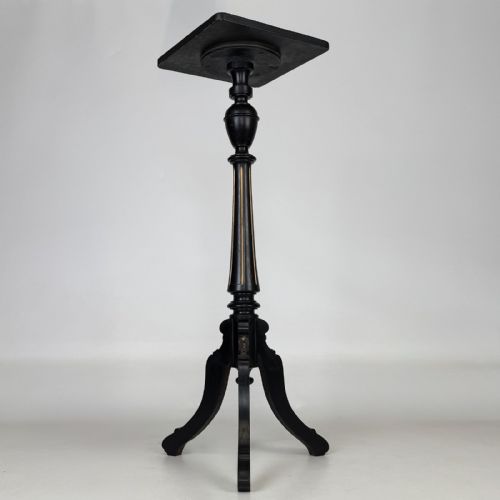
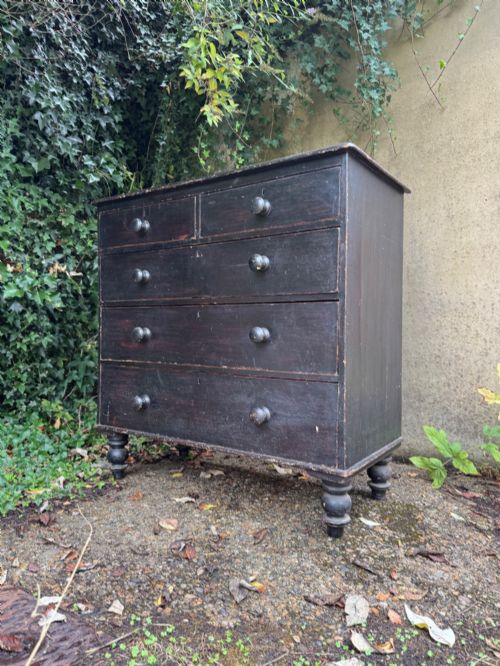
Victorian ebonised furniture encompasses tables, seating, desks, and storage pieces finished with a dark, often black, surface intended to emulate expensive exotic hardwoods like ebony. These items emerge primarily from the nineteenth century, spanning decades from the mid-Victorian era through to the turn of the twentieth century.
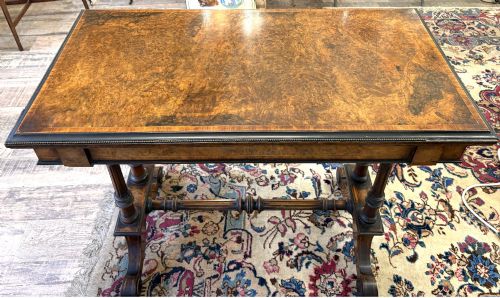
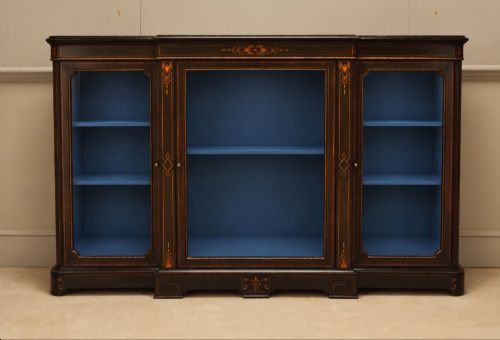
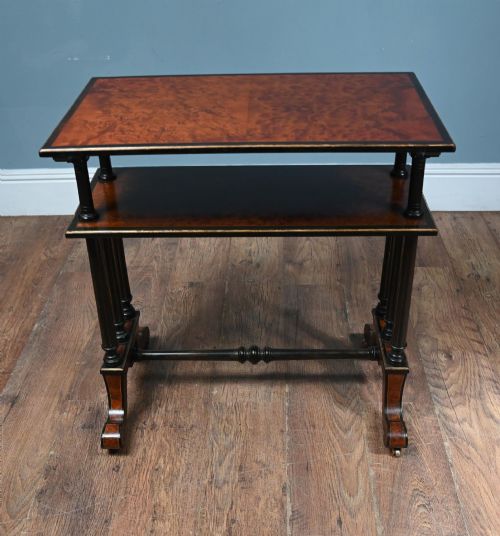
The selection on this page relies heavily on occasional tables, side tables, desks, and bookcases shaped by various stylistic influences including the Aesthetic Movement, Gothic Revival, Moorish Revival, and French revival periods.
Buyers encounter distinct forms such as folding rocking chairs, corner chairs, étagères, and cabinets, often reflecting urban British cabinet making alongside continental French Napoleon III output.
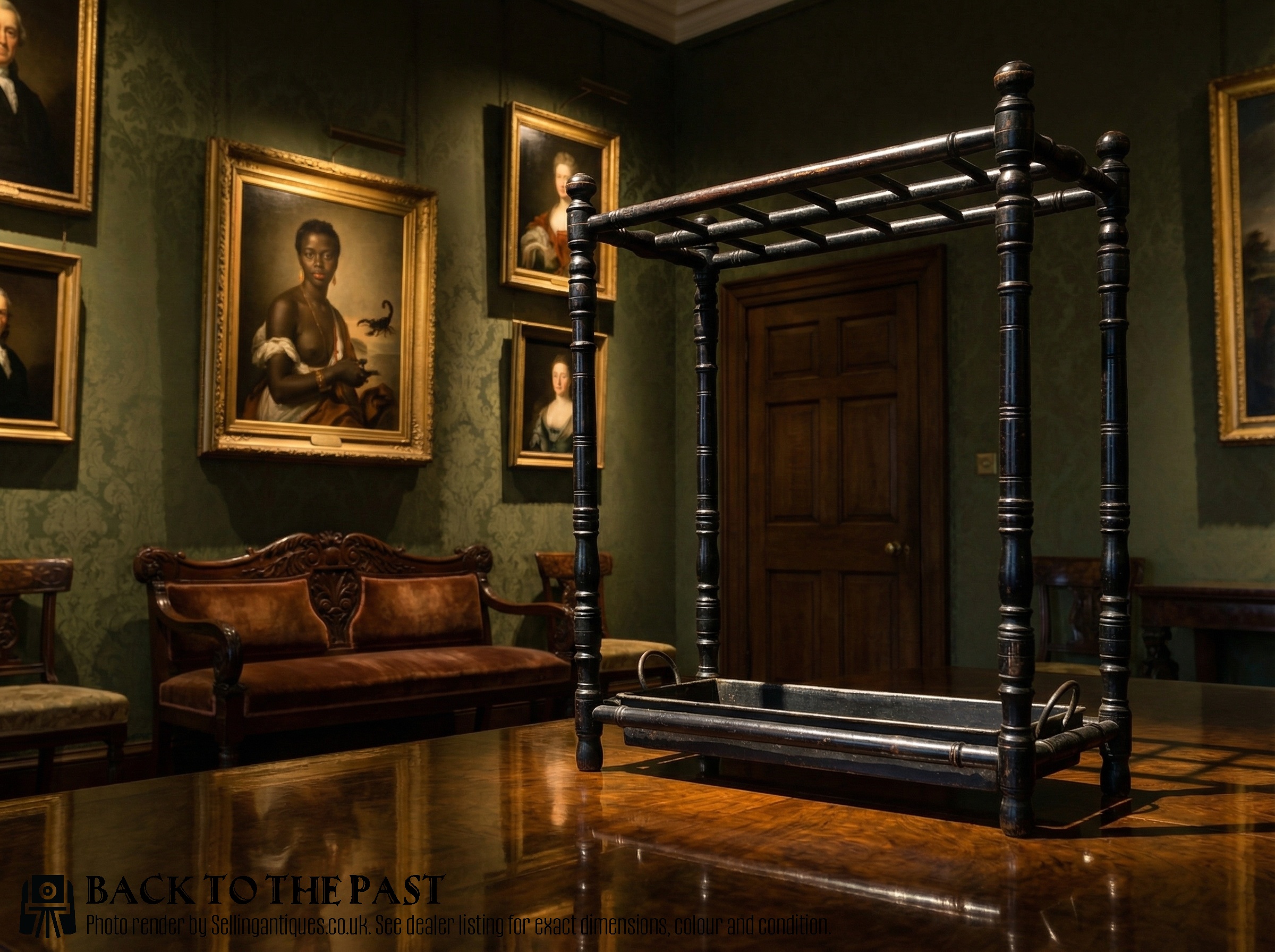
How they were made
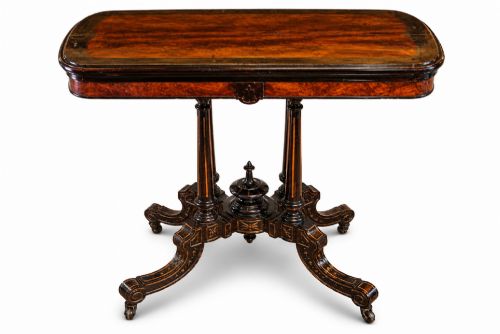
Makers utilised woods such as pine, hardwood, walnut, and burr walnut as structural bases, applying ebonisation techniques to create deep, dark finishes that resemble solid ebony. Many surfaces receive parcel gilding, japanning, or elaborate inlay work using contrasting materials like brass, ivory, tortoiseshell, and exotic woods such as amboyna and thuya.
Decorative elements often incorporate applied brass mounts, porcelain plaques, Wedgwood plaques, and intricate carving, including chip-carving and green man motifs. Secondary materials like glass, marble, and cane appear in glazing, table tops, and seating panels, supported by specialist joinery tailored to each specific form.
Victorian Ebonised Furniture Retail Price Guide 2026
Typical asking prices for victorian ebonised furniture among the pieces listed under this phrase on Sellingantiques today, from the lower quarter to the upper quarter. They describe what is for sale here now, not the wider market.
Listings feature items spanning the nineteenth century, incorporating materials like brass, ormolu, and tortoiseshell across various forms.
What varies in quality
Quality rests in the crispness of the carving, the precision of the inlay work, and the depth of the ebonised finish applied to the underlying wood. Superior examples display meticulous attention to detail in contrasting veneers like amboyna or burr walnut, alongside finely cast ormolu and brass mounts.
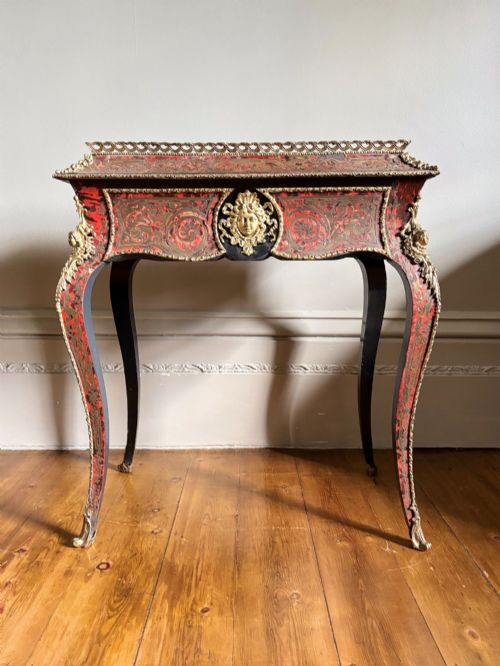
The integrity of the secondary timbers, the stability of joints, and the retention of original decorative elements such as ceramic plaques or Boulle marquetry distinguish workshop pieces from more standard commercial production.
Holland and Sons·JAS Shoolbred·Jackson and Graham·George Edmund Street·Druce and Co London·Lamb of Manchester·Liberty and Co·Hindley and Sons·Morris and Co
The Victorian Ebonised Furniture Glossary
- Ebonised
- Wood treated with stain, paint, or chemical processes to achieve the appearance of solid ebony.
- Aesthetic Movement
- A late nineteenth-century design style prioritising visual beauty over narrative meaning, often featuring simplified forms and Japanese-inspired motifs.
- Boulle
- A form of marquetry using brass and tortoiseshell inlaid in intricate patterns, popular in nineteenth-century French furniture.
- Étagère
- A piece of freestanding furniture consisting of open shelves arranged in tiers for displaying ornaments.
- Parquetry
- Geometric mosaic woodwork arranged in patterns resembling brickwork or parquet flooring.
- Japanning
- A European imitation of East Asian lacquerwork, applied to furniture surfaces to create a glossy, dark finish.
Victorian Ebonised Furniture: Frequently Asked Questions
What is Victorian ebonised furniture?
It is nineteenth-century woodwork finished to look like solid ebony, often associated with the Aesthetic Movement and revival styles.
Pieces range from small occasional tables and chairs to large partners desks and display cabinets.
How do I identify the style?
Look for dark, polished wooden surfaces combined with contrasting inlays like brass, ivory, or lighter exotic woods.
Stylistic cues include faux bamboo, geometric Moorish patterns, or crisp chip-carving.
Where were these pieces used?
They furnished nineteenth-century drawing rooms, libraries, and bedrooms as focal points for display and daily use.
Seating and small tables offered versatile placement throughout fashionable Victorian interiors.
How should I care for ebonised surfaces?
Keep pieces away from direct sunlight and extreme humidity changes to protect the dark finish and delicate veneers.
Dust gently with a soft cloth and avoid abrasive cleaning products.