

Vintage Umbrella Storage
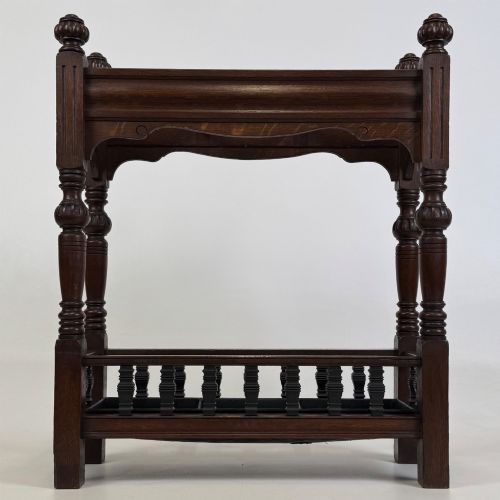
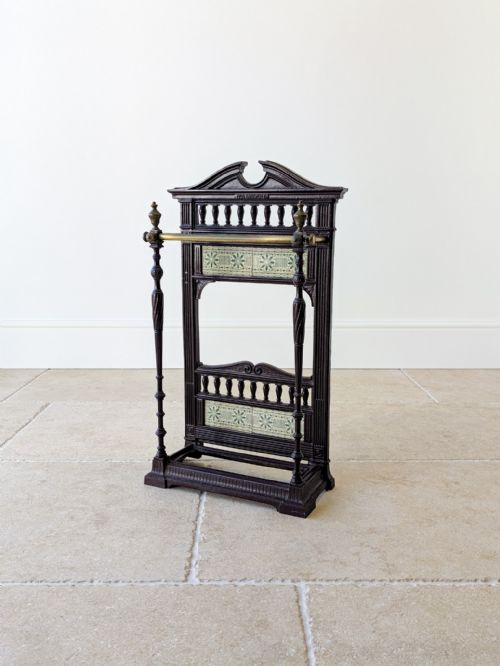
Vintage umbrella storage brings order to hallways through cast iron, oak, and brass stands shaped during the Victorian and Edwardian eras.
How they were made
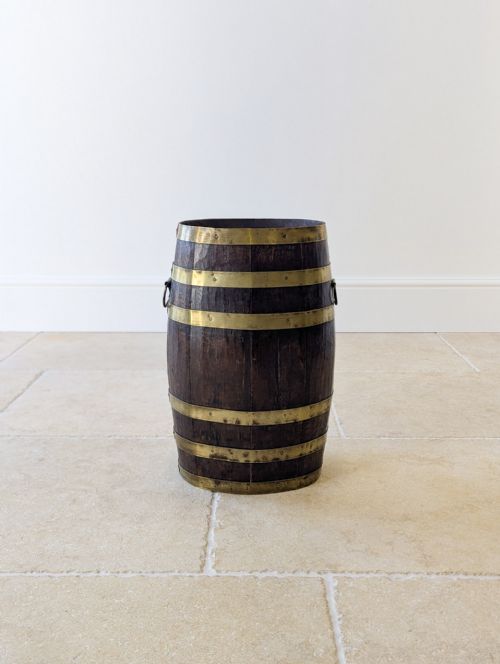
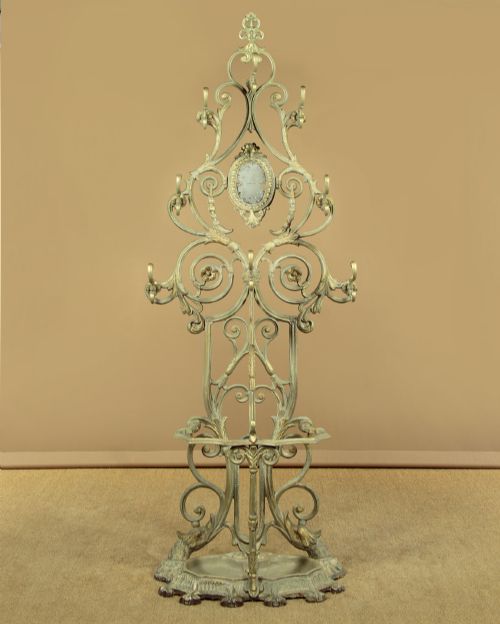
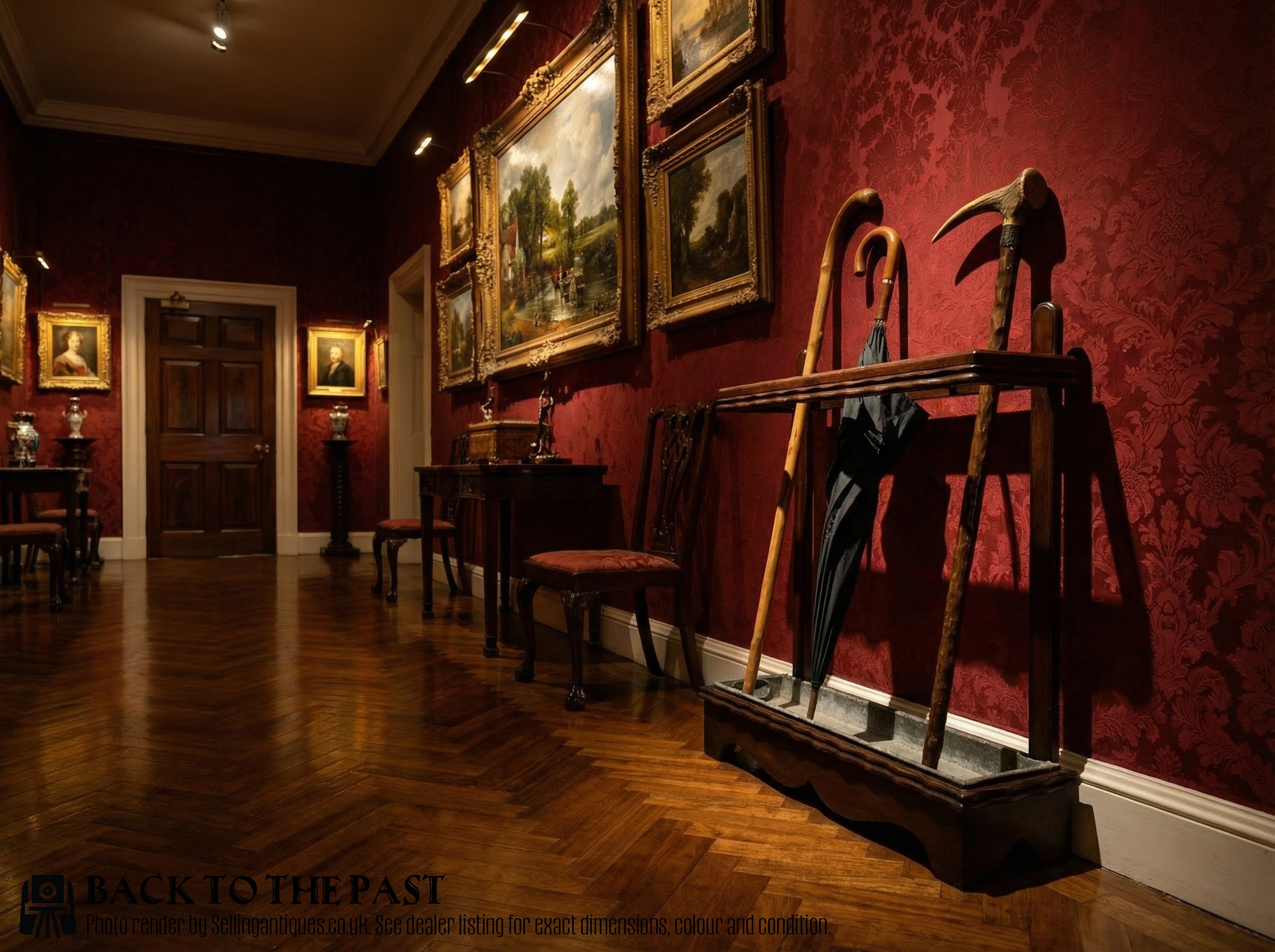
Makers utilised solid oak, pitch pine, and mahogany, often employing coopered barrel construction with brass bands to hold wooden staves together. Cast iron and brass provide the framework for metal stands, utilising sand casting and nickel plating to achieve finished surfaces.
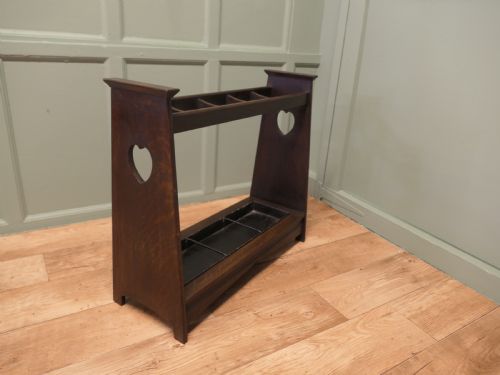
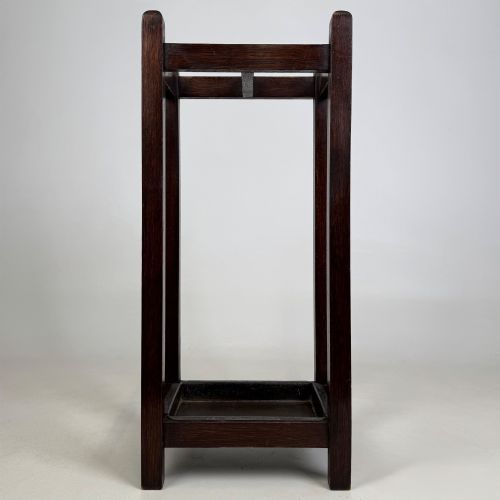
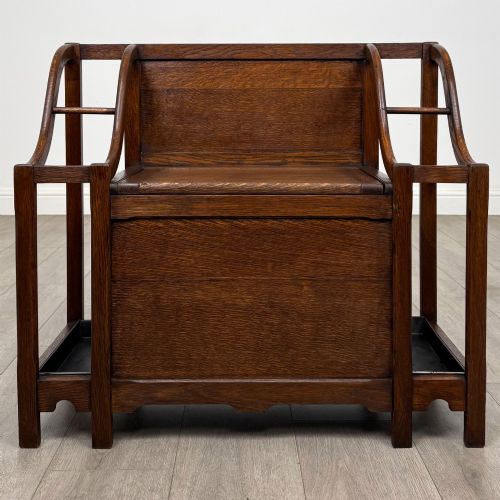
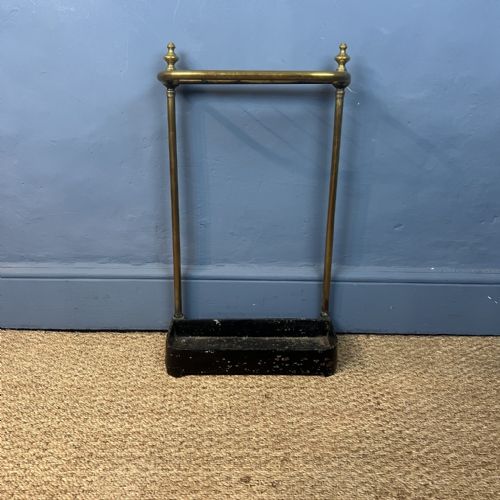
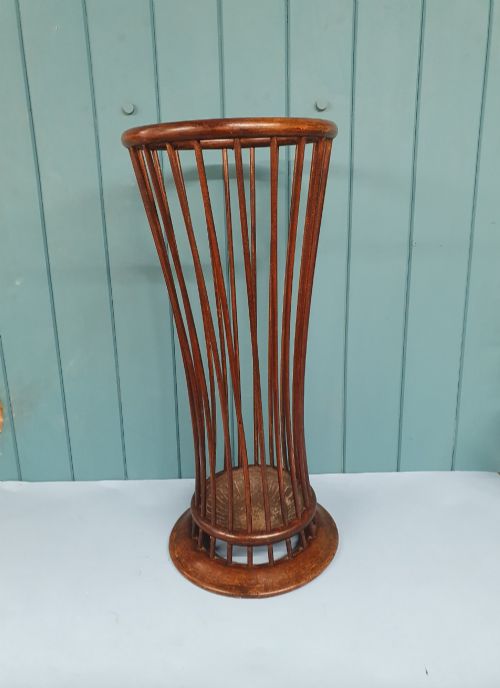
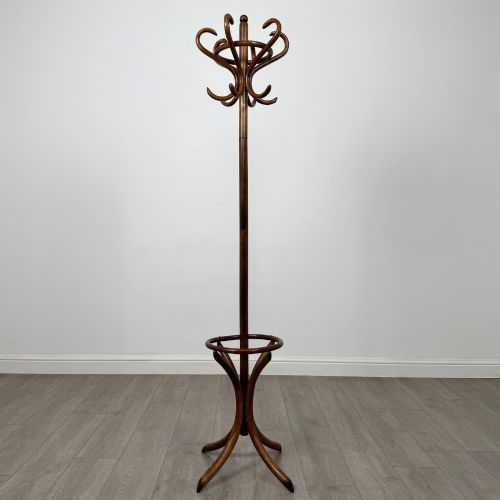
Many examples incorporate original metal drip trays positioned beneath the umbrella divisions to collect water and protect flooring. Bentwood techniques shape beech into curved frames for lighter hall storage pieces.
What varies in quality
The calibre of a piece rests upon the integrity of its primary material, whether that is dense golden oak, heavy cast iron, or solid brass. Superior examples retain their original components, such as detachable metal drip trays and substantial hardware.
Refinement of design separates standard utilitarian objects from those bearing specific artistic movements like Arts and Crafts, Art Nouveau, or Aesthetic Movement styling. Maker attribution and registered design details elevate the standing of individual pieces.
Vintage Umbrella Storage Retail Price Guide 2026
Typical asking prices for vintage umbrella storage among the pieces listed under this phrase on Sellingantiques today, from the lower quarter to the upper quarter. They describe what is for sale here now, not the wider market.
Early ironmongers ensured umbrellas had a proper metal bath so hallway floors survived British weather.
Coalbrookdale·Liberty Design·Thonet·Astrola
The Vintage Umbrella Storage Glossary
- Demi-lune
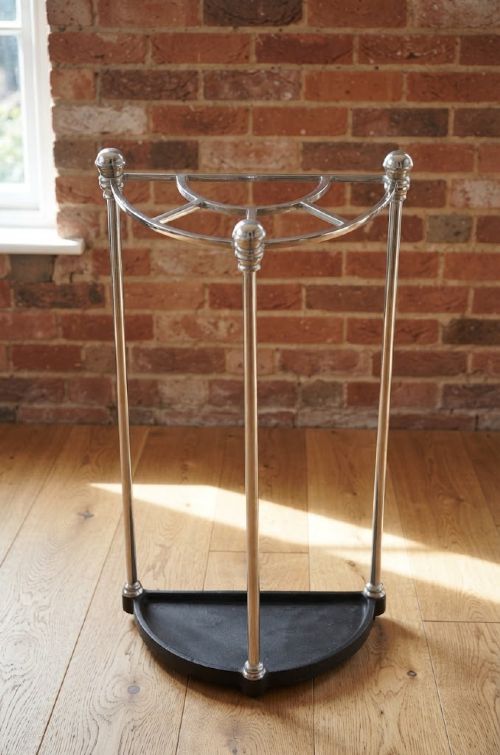
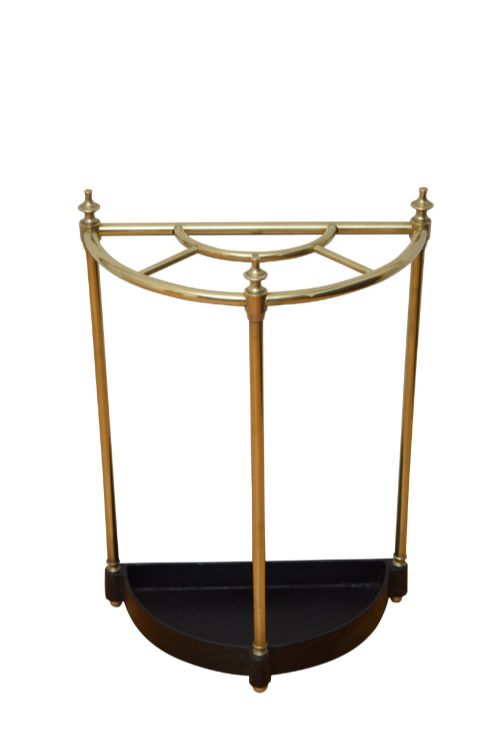
- A half-moon shape characteristic of umbrella stands designed to sit flat against a hallway wall. This configuration saves floor space in narrow entryways.
- Coopered
- Construction method using wooden staves bound by metal hoops, similar to barrel making. This technique appears frequently in wooden umbrella buckets.
- Drip tray
- A shallow metal basin placed at the base of a stand to catch water from wet umbrellas. Original trays indicate completeness.
- Hall stand
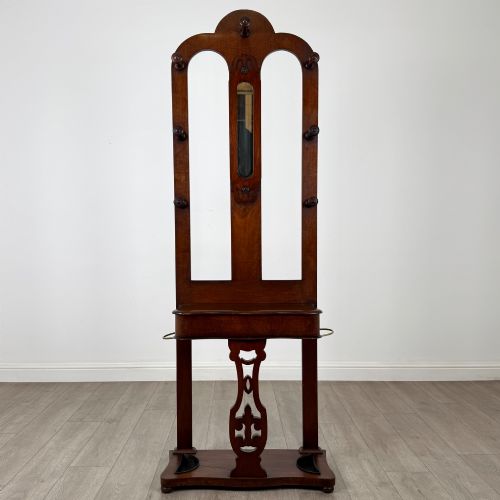
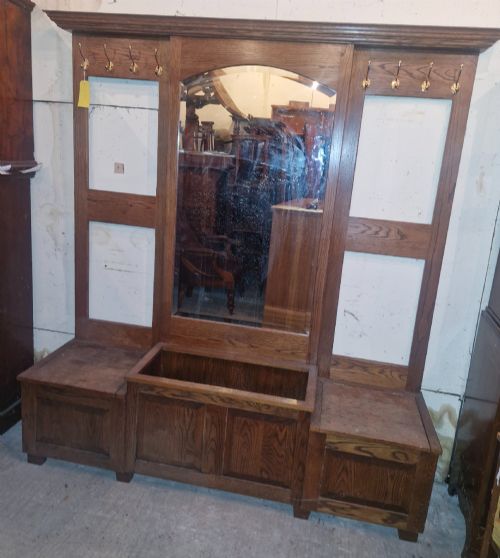
- A multi-functional furniture piece combining coat hooks, a mirror, umbrella storage, and sometimes a bench seat or glove box. They anchor Victorian and Edwardian entrance halls.
- Bentwood
- Wood softened by steam and bent into curved structural forms. Beech is the material most often shaped this way for coat and umbrella stands.
Vintage Umbrella Storage: Frequently Asked Questions
How do I spot an original drip tray?
Original drip trays match the age, wear patterns, and metal composition of the stand itself. They fit precisely into the base framework provided by the maker.
Replacements often appear cleaner or utilise modern manufacturing methods that contrast with antique metal surfaces.
What is coopered umbrella storage?
Coopered storage utilises vertical wooden staves fitted together and secured with metal bands to form a cylindrical bucket. This method borrows from traditional barrel-making techniques.
Victorian country houses favoured this robust wooden construction for heavy daily use.
Are hall stands and umbrella stands different?
Umbrella stands focus entirely on holding sticks and wet gear, whereas hall stands provide a larger combination of coat hooks, mirrors, and seating.
Both pieces served the same primary function of welcoming visitors and organising entranceways in older homes.