



Brass Hall Stand
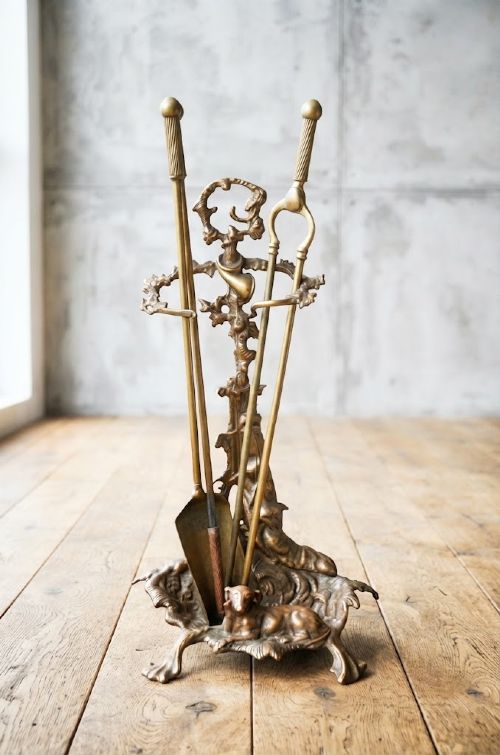
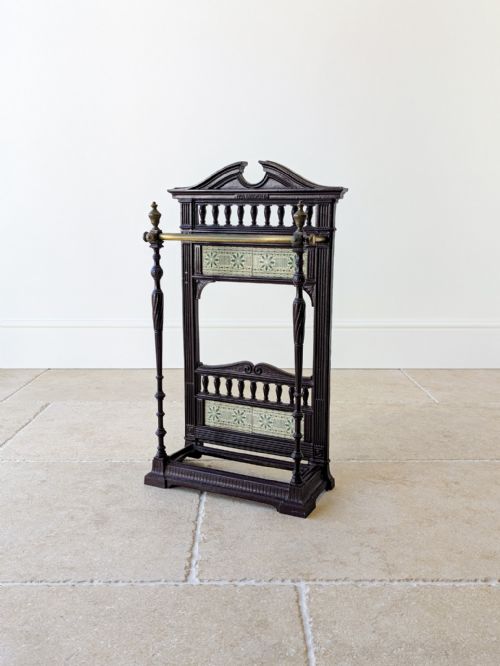
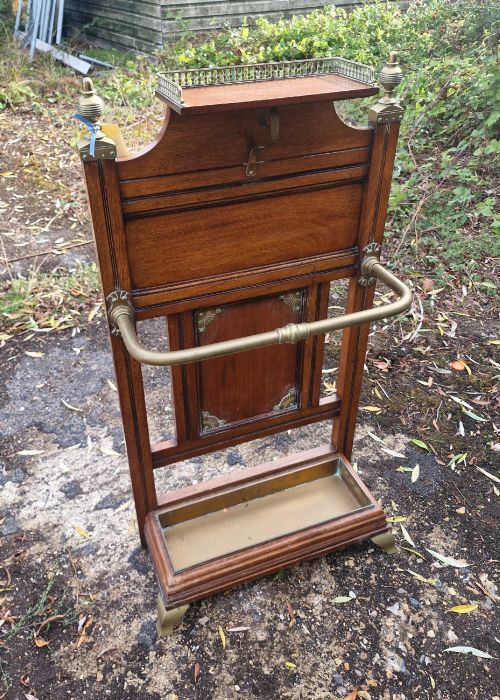
When you encounter a brass hall stand, you find a practical entrance piece combining metalwork, timber and daily utility from the nineteenth and twentieth centuries.
Brass Hall Stand
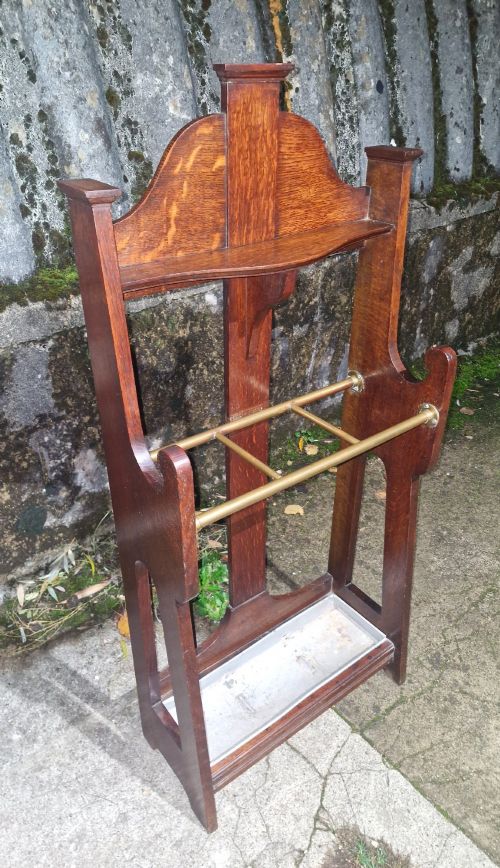
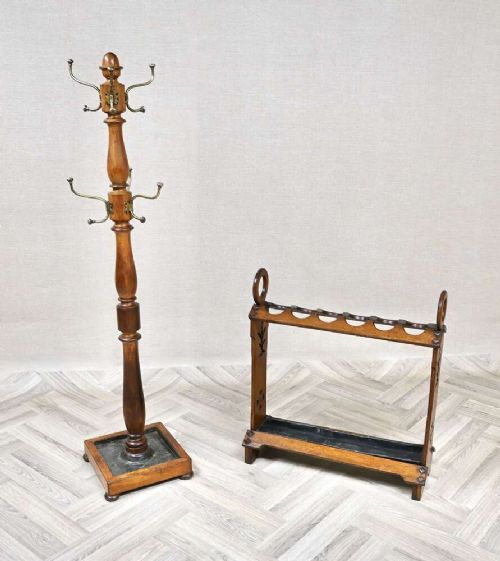
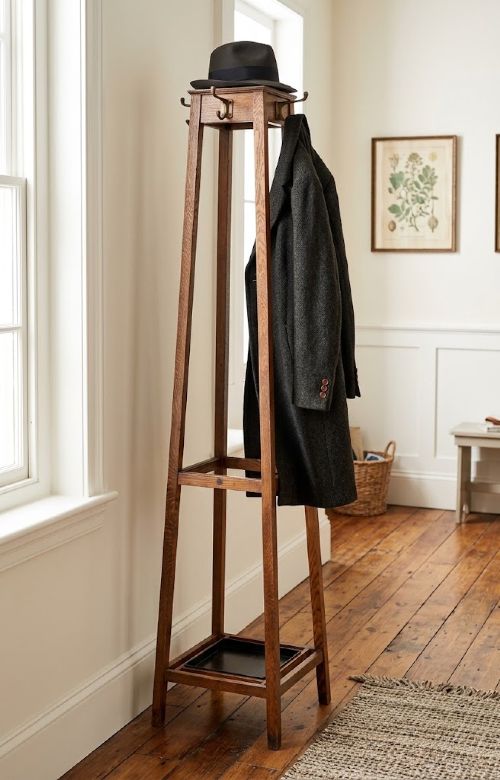
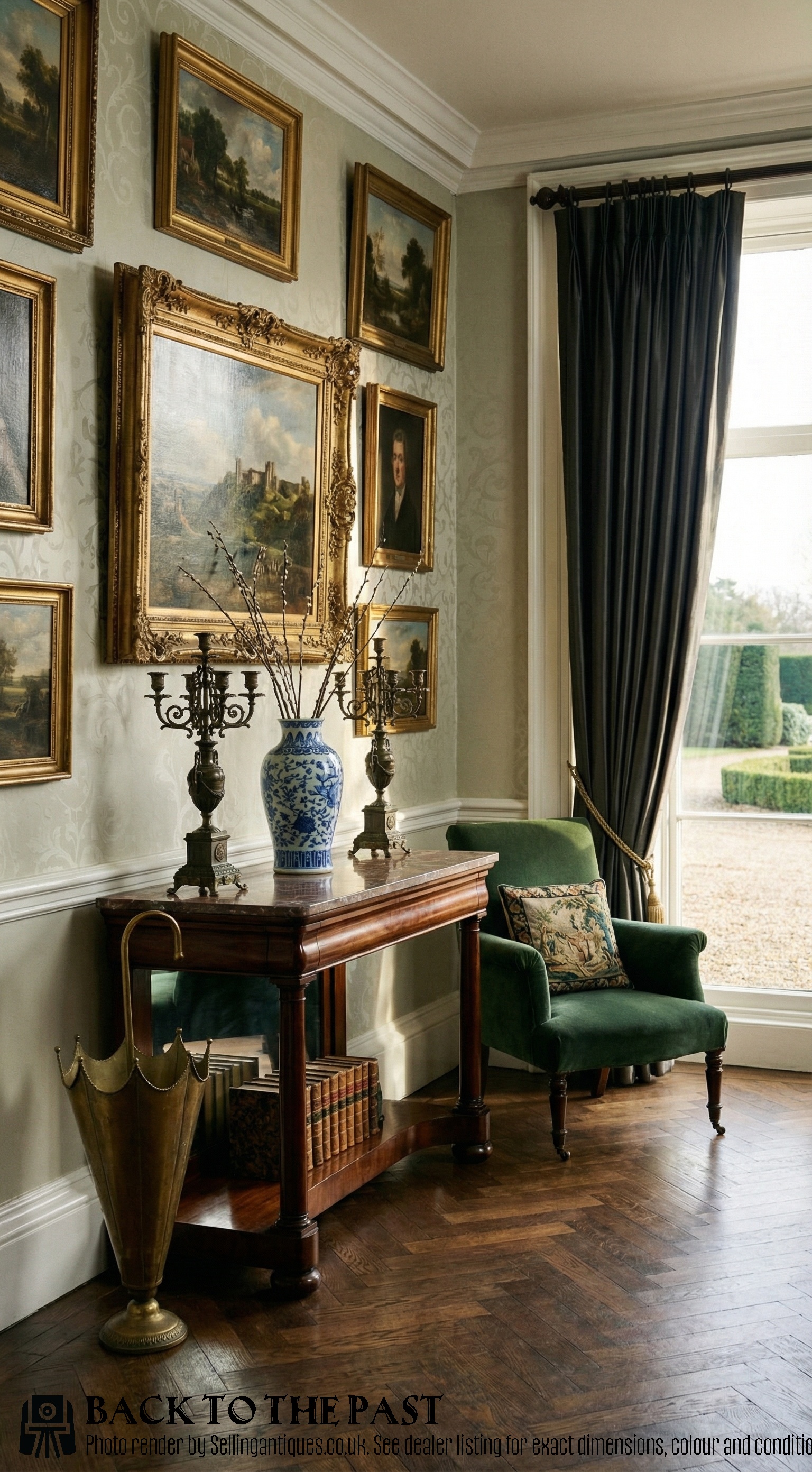
A brass hall stand serves as a functional piece of entrance furniture designed to hold wet umbrellas, walking sticks and coats upon entering a home. These hall pieces emerge predominantly across Victorian, Edwardian and later twentieth-century periods, capturing changing domestic requirements.
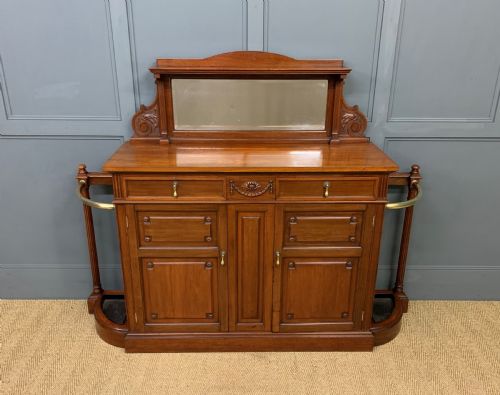
The most common versions met on this page combine a rigid metal frame or heavy cast iron base with polished brass rails, trays and divisions. Many incorporate segmented racks specifically sized for canes and parasols alongside hooks for garments.
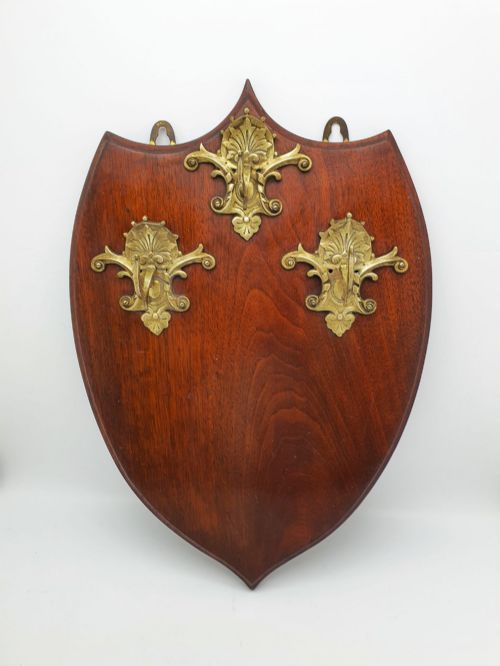
Makers and manufacturers utilised timber companions such as oak, mahogany and walnut to frame the metal inserts, creating substantial hallway furniture pieces designed to withstand daily use.
How They Were Made
Makers constructed these stands using cast iron for weighted bases to prevent tipping under heavy wet umbrellas, pairing this with formed sheet brass, cast brass fittings and tubular brass rails. Iron components often received black or painted finishes, contrasting with the bright metallic sheen of polished brass.
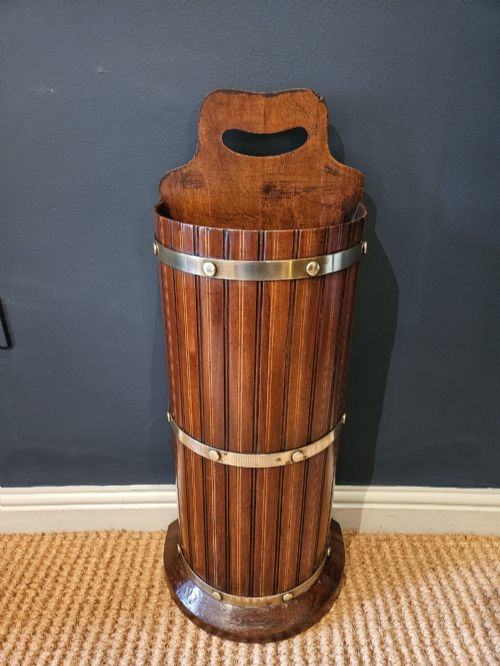
Carpenters joined structural timbers such as oak, mahogany and walnut using traditional joinery methods to build the main frames, securing brass coat hooks and drip trays with metal screws. Coopered construction appears in circular wooden umbrella bins bound with heavy brass hoops.
Brass Hall Stand Retail Price Guide 2026
Typical asking prices for brass hall stand among the pieces listed under this phrase on Sellingantiques today, from the lower quarter to the upper quarter. They describe what is for sale here now, not the wider market.
Listings feature brass hall stands paired with oak, mahogany, walnut, glass, cast iron and steel across Victorian and Edwardian periods.
What Varies in Quality
Quality rests upon the weight and thickness of the brass components, the presence of original cast iron drip trays, and the structural integrity of the main frame. Examples featuring heavy casting, detailed decorative mouldings and secure compartmentalised divisions sit at the higher end of manufacture.
The survival of original surface finishes, unpolished patination on the brass and matching original hardware distinguish better examples from later replacements or heavily restored pieces.
Coalbrookdale·Thomas Jeckyll·Shoolbred and Co·Jas Shoolbred·Elliott
The Brass Hall Stand Glossary
- Drip tray
- A shallow metal pan positioned at the base of a stand to catch water from wet umbrellas and walking sticks. These trays are frequently removable for emptying and cleaning.
- Demi lune
- A half-moon or semicircular shape often seen in the footprint of wall-abutting umbrella stands. This profile allows the stand to sit flush against an entrance hallway wall.
- Coopered
- A method of construction where narrow staves of wood are joined vertically and bound with metal bands, resembling barrel-making techniques. This technique appears in circular wooden stick stands.
- Paterae
- Circular decorative motifs resembling classical carved rosettes or medallions. They frequently accent the wooden backboards and framing of nineteenth-century hall furniture.
- Arts and Crafts
- A design movement prioritising traditional craftsmanship, visible construction and honest materials over mass-produced ornamentation. Pieces from this style often display simpler, robust wooden frames with exposed brass fixings.
Brass Hall Stand: Frequently Asked Questions
What is a brass hall stand?
A brass hall stand is a piece of entrance furniture designed to organise walking sticks, umbrellas and outdoor garments. It combines metallic elements with structural frames to serve both practical and decorative purposes in a hallway.
These pieces range from compact umbrella racks to large hall furniture incorporating mirrors, coat hooks and umbrella divisions.
How were they used historically?
Historically, households placed these stands near the front entrance to receive wet weather gear and walking aids immediately upon arrival. Visitors and family members hung coats and hats on the hooks while placing umbrellas into the segmented metal rings.
The integrated drip trays protected entrance floor coverings from accumulating moisture.
How do I care for brass on a hall stand?
Maintenance involves dusting the metal components regularly with a soft, dry cloth to prevent grime accumulation. Avoid harsh chemical cleaners that strip the historic surface patination.
Wooden sections benefit from occasional application of appropriate furniture wax to nourish the grain.
How do I identify Victorian examples?
Victorian pieces often display heavier cast iron components, robust proportions and darker timber frames such as mahogany or oak. Look for structural clues like cast iron drip trays and traditional joinery.
Maker marks or registration lozenges occasionally appear stamped into the metalwork of this period.