

Hallway Cane Rack
A hallway cane rack keeps walking sticks and umbrellas orderly in an entrance, combining utilitarian metal or timber construction with period character.
Hallway Cane Rack
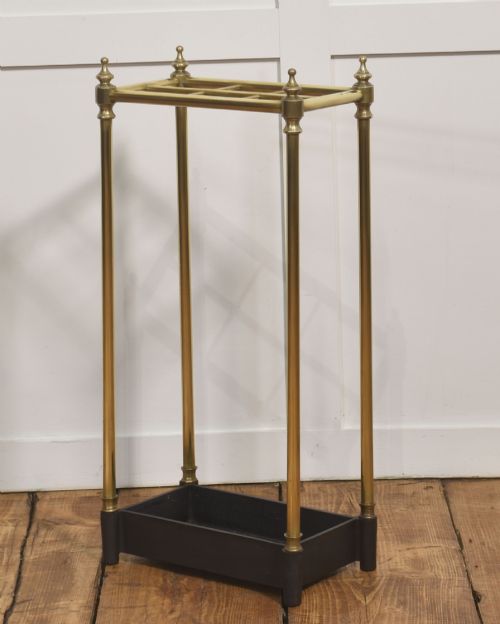
A hallway cane rack serves as an organised receptacle for walking sticks, canes, and umbrellas, typically positioned near an entrance door. When searching for a hallway cane rack, buyers encounter a prevalence of umbrella stands and stick stands originating from the Victorian, Edwardian, and nineteenth-century periods.
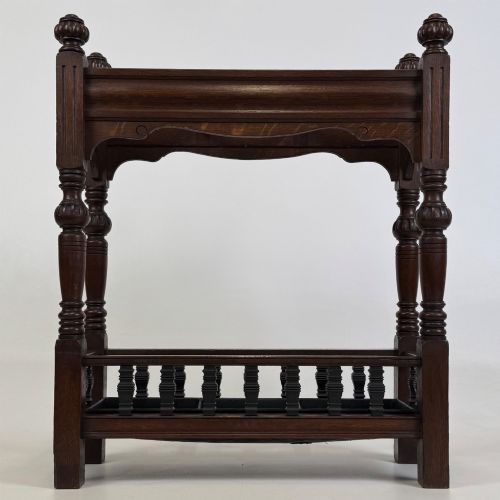
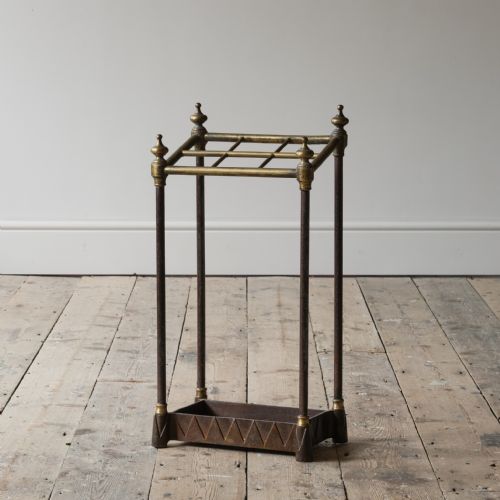
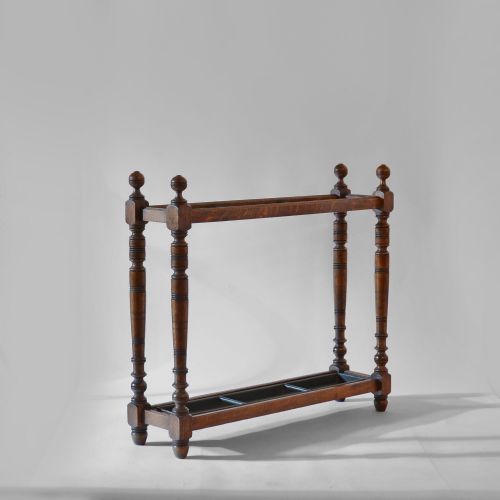
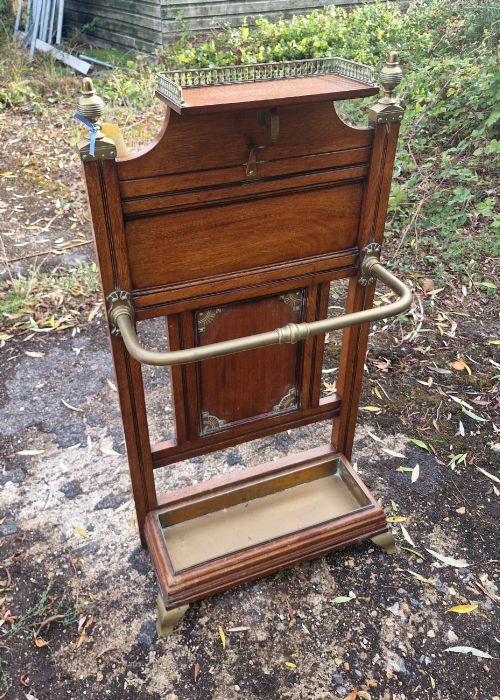
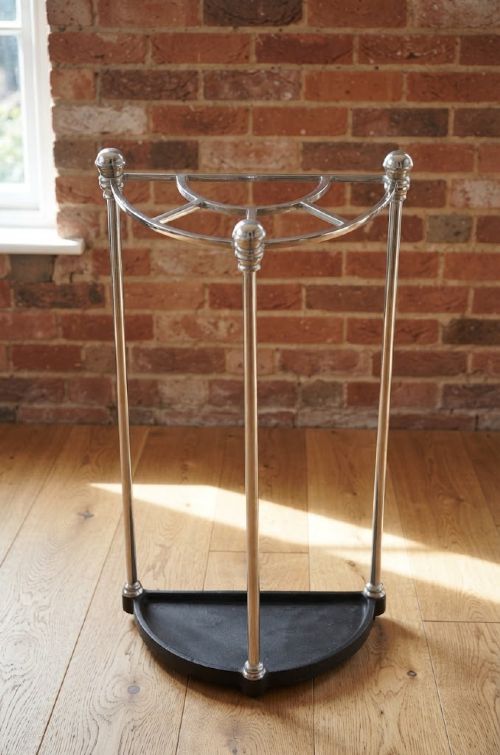
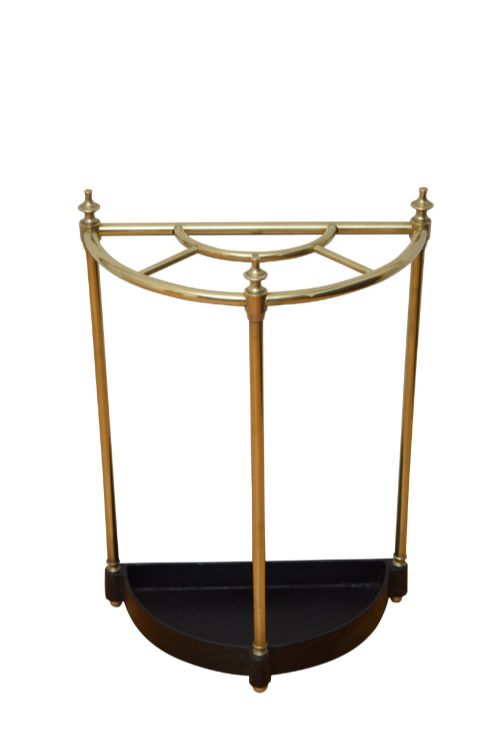
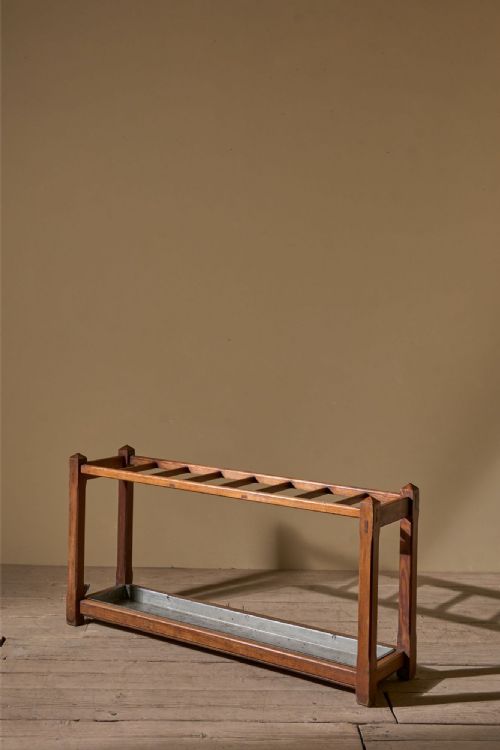
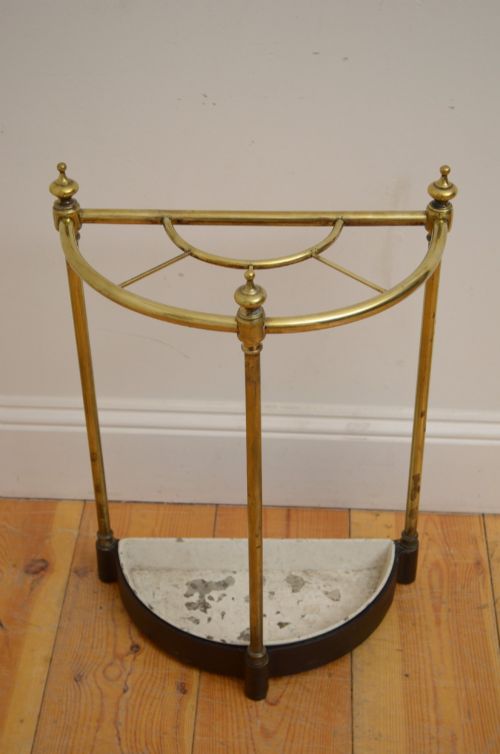
The physical configurations vary significantly across the listings, ranging from demilune and corner shapes to large freestanding models. Materials shift between cast iron, brass, oak, and mahogany, reflecting the stylistic shifts from heavy Victorian metalwork to lighter Edwardian timber designs.
Materials and methods
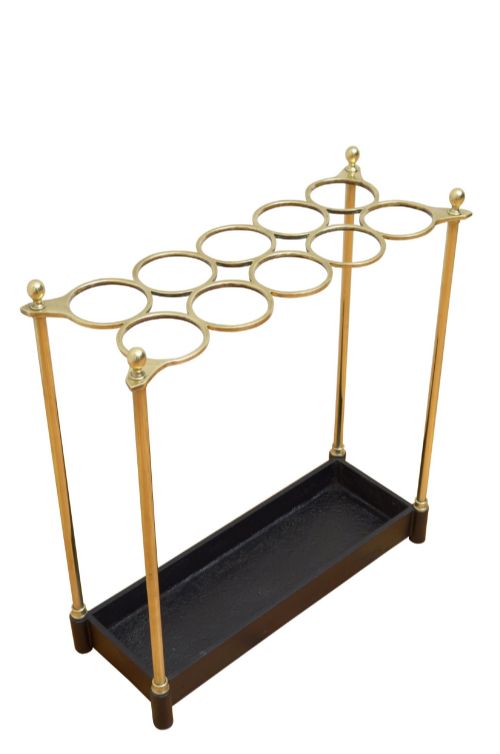
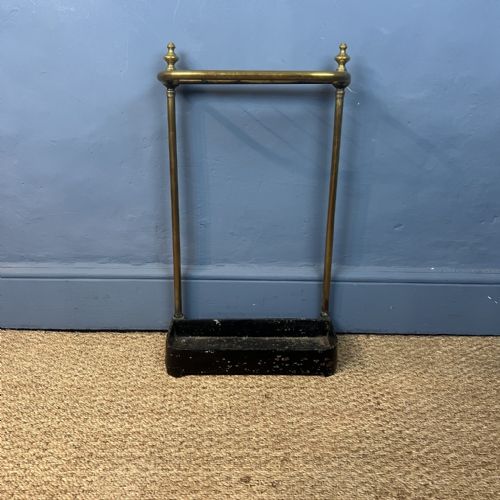
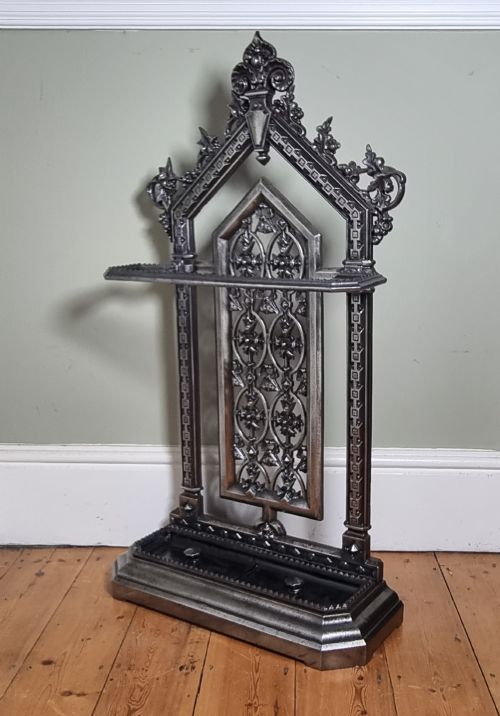
Makers utilised durable metals such as cast iron and brass for structural rigidity, frequently casting iron into ornate botanical or faux bois bamboo patterns. Brass components often incorporated decorative ball finials and matching drip trays to catch moisture.
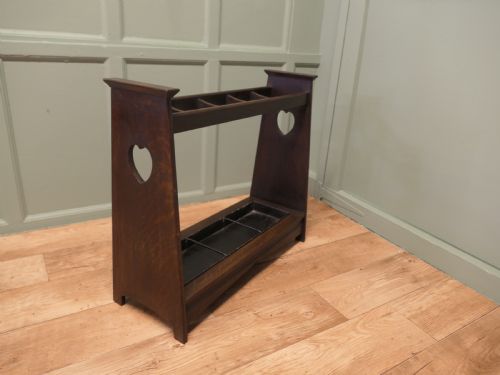
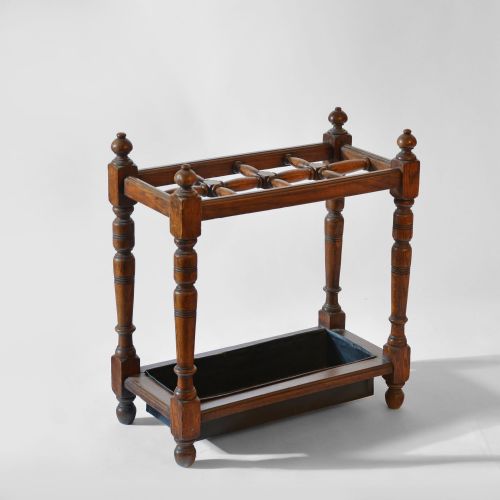
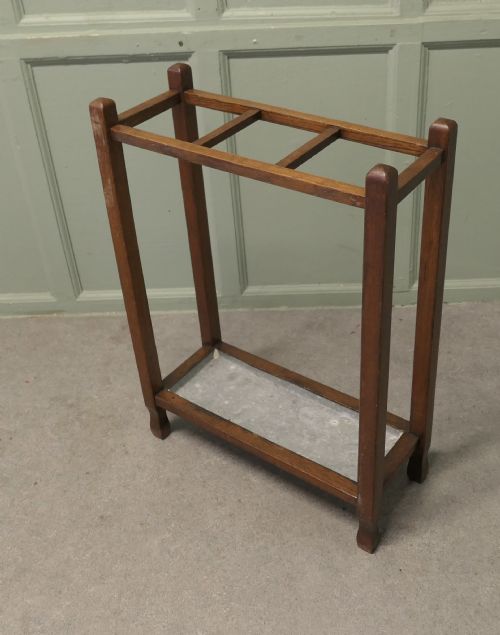
Timber versions rely upon oak, mahogany, and pine, employing traditional joinery and bentwood techniques to shape frames. Nickel plating and white enamel finishes appear on later twentieth-century examples, providing distinct surface textures.
Listings combine robust cast iron and brass with traditional oak and mahogany timbers across Victorian and Edwardian periods.
Build and design merit
Quality rests upon the integrity of the original construction and the crispness of any cast ornamentation. Examples attributed to known foundries or designers display superior definition in the metalwork and robust timber framing.
The presence of original drip trays and the complexity of the division framework distinguish finer pieces from standard utilitarian hallway furnishings.
Coalbrookdale·Thonet·Heals of London·Falkirk Ironworks
The Hallway Cane Rack Glossary
- Demilune
- A half-moon shape common in hallway cane racks designed to sit flat against a wall. This profile allows the stand to occupy minimal floor space while accommodating multiple walking sticks.
- Drip tray
- A metal or ceramic basin positioned at the base of a cane rack to catch rainwater from wet umbrellas. These trays protect hallway flooring and are frequently removable for emptying.
- Faux bois
- A decorative technique mimicking wood grain, often rendered in cast iron to resemble bamboo or natural branches. This finish appears frequently on French Art Nouveau pieces.
- Bentwood
- Wood softened by steam and bent into curved structural forms, utilised in nineteenth-century cane rack production. This technique creates light yet resilient frames.
Hallway Cane Rack: Frequently Asked Questions
Where should a hallway cane rack be placed?
These racks belong directly inside an entrance hall or porch where damp umbrellas and walking canes are deposited upon arrival. Positioning them near the main door protects interior rooms from dripping water.
Their slim profiles, particularly demilune shapes, allow them to fit snugly against walls without obstructing narrow passages.
How do I manage wet umbrellas in a metal rack?
Most metal stands include a removable drip tray at the bottom to catch moisture from wet items. Emptying and drying this tray periodically prevents water accumulation and protects the surrounding floor.
Cast iron and brass components resist moisture well, though drying metal surfaces after heavy rain helps preserve the finish.
What is the difference between an umbrella and a cane rack?
While often used interchangeably in period descriptions, umbrella stands generally feature wider ring divisions suited for larger handles. Cane and stick racks incorporate narrower partitions designed specifically for slim walking sticks.
Many surviving pieces accommodate both functions through multi-sectioned divider rings.
How do I identify an Edwardian cane rack?
Edwardian pieces often feature lighter oak frames or polished brass components with cleaner lines than their heavier Victorian predecessors. Stylistic influences from the Arts and Crafts movement or early Art Deco frequently appear in these twentieth-century designs.
Construction methods shift toward simpler geometries while retaining functional drip trays.