

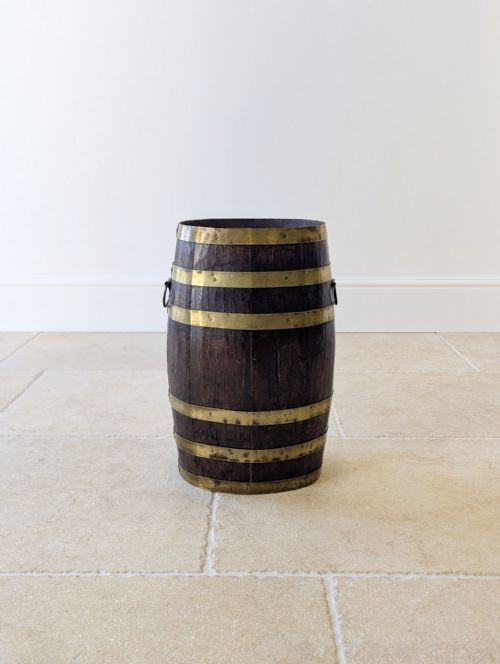
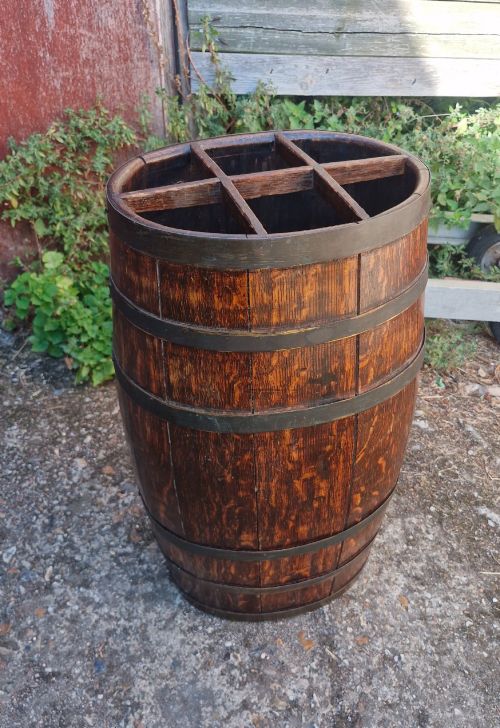
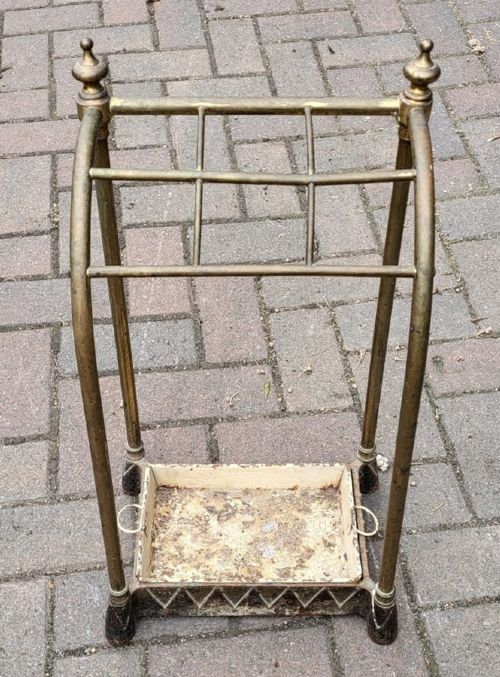
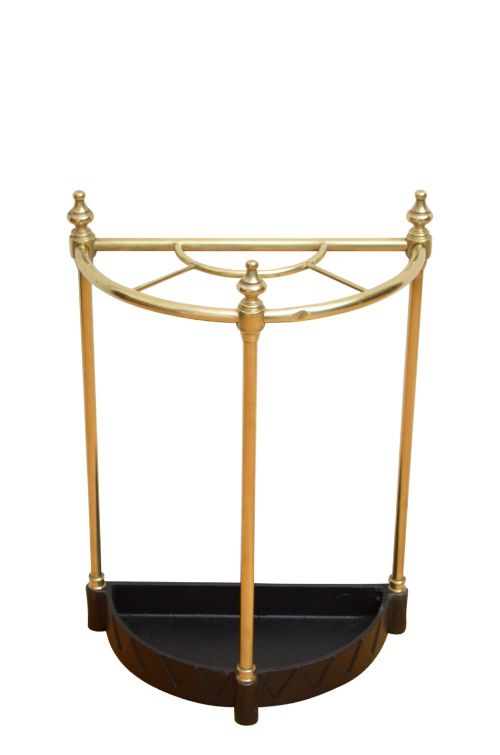
Brass Umbrella Holder
A brass umbrella holder brings gleaming metal and practical utility to a hallway, offering a handsome place to store wet walking gear.
Brass Umbrella Holder
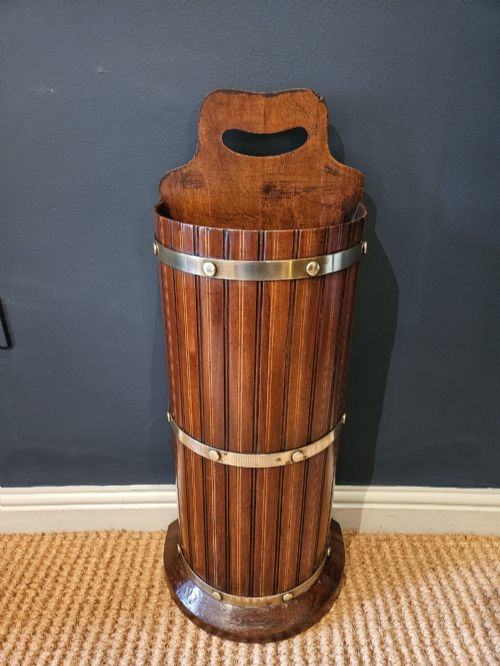
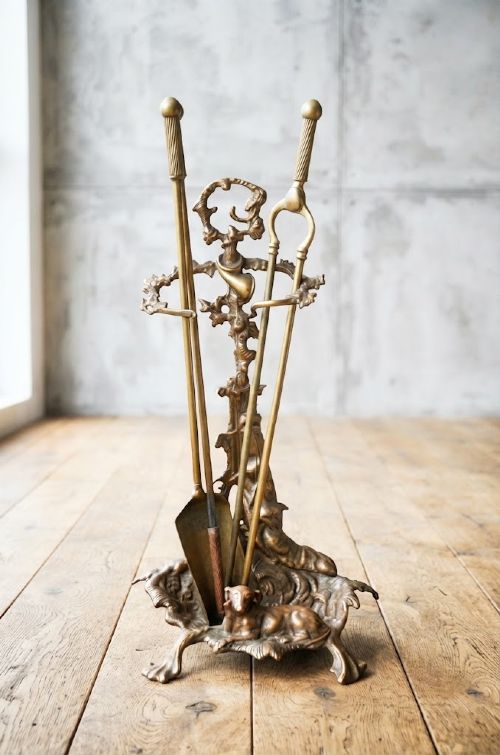
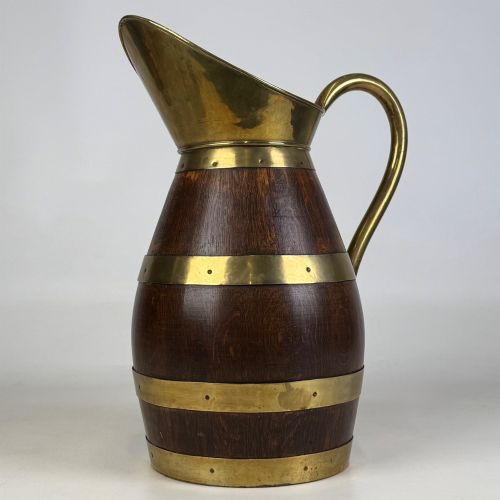
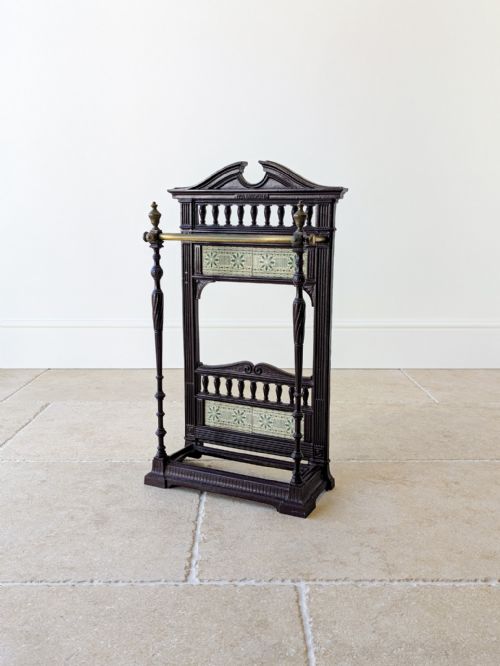
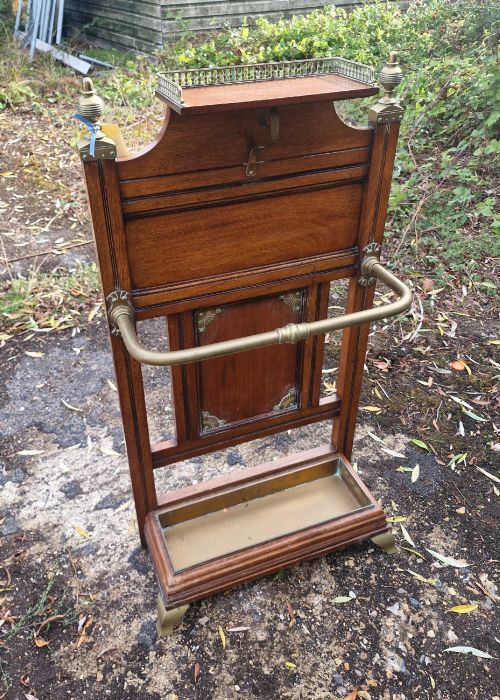
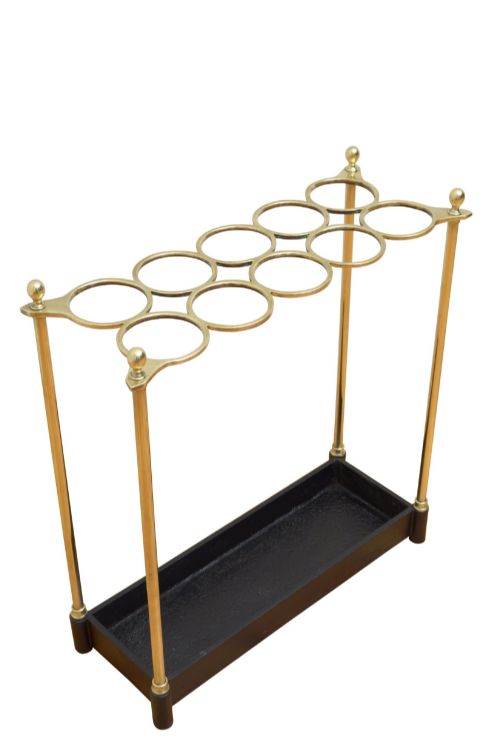
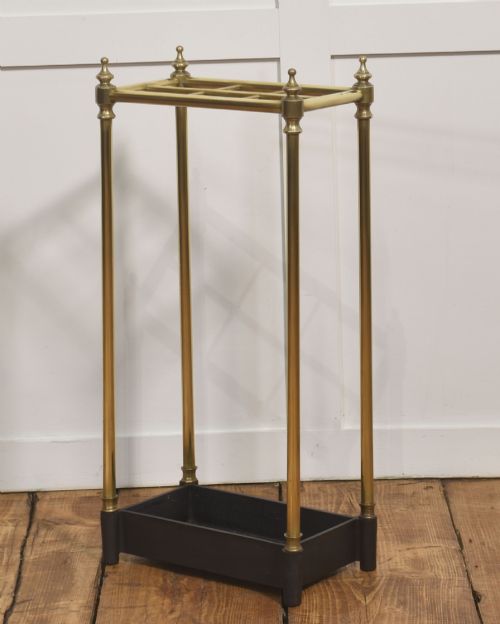
A brass umbrella holder encompasses umbrella stands and stick stands designed to keep hallways tidy. These items appear across Victorian, Edwardian, and nineteenth-century periods, showing how households managed wet weather.
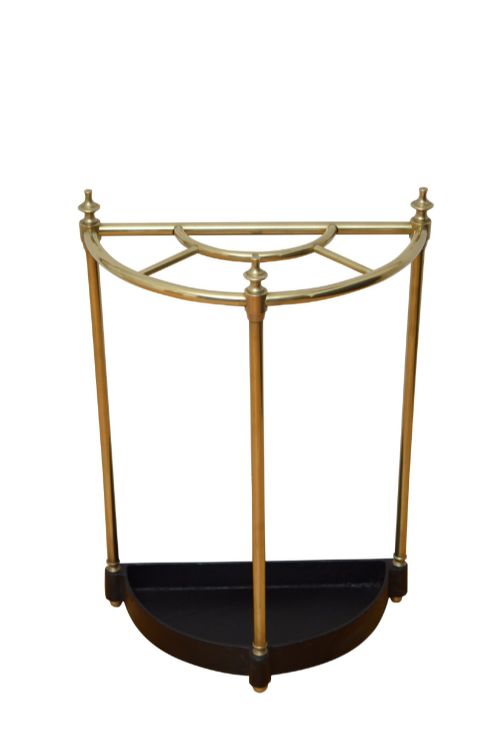
Most examples found here date from the nineteenth century, including specific years like 1870, 1890, and the Edwardian era. Forms range from full umbrella stands to half-moon and demi-lune shapes that sit flush against a wall.
Materials extend beyond pure brass to incorporate cast iron, iron, metal, wood, and copper elements. Certain pieces combine these substances, such as wooden pews fitted with original brass folding holders.
Materials and construction methods
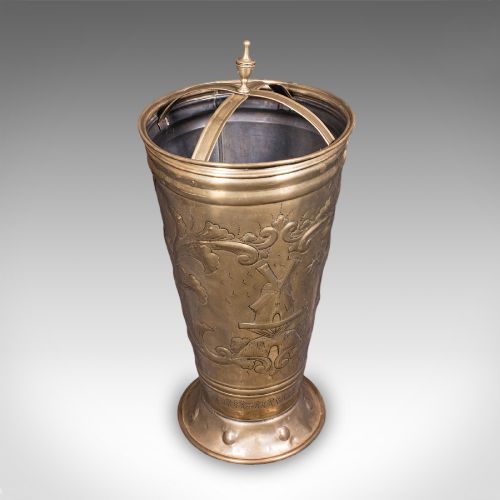
Makers utilised brass alongside cast iron, iron, copper, and wood to build sturdy frames capable of supporting heavy walking canes and damp umbrellas. Metal components often provide the main structure while other materials add support or contrast.
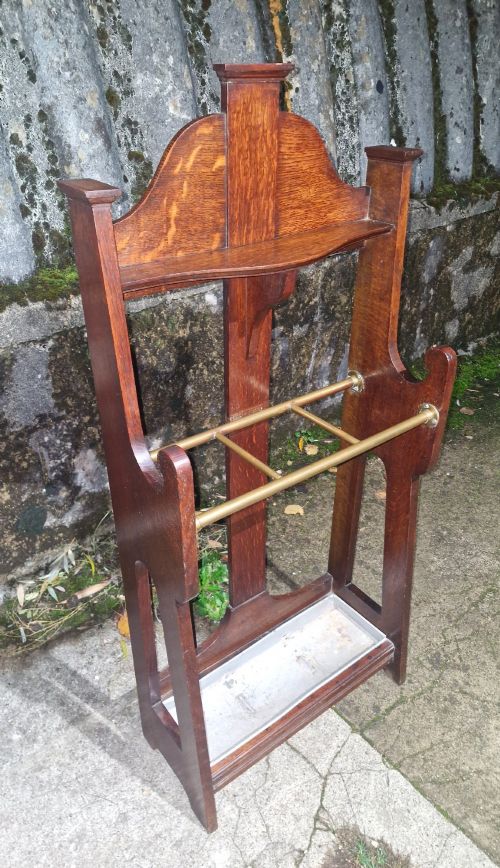
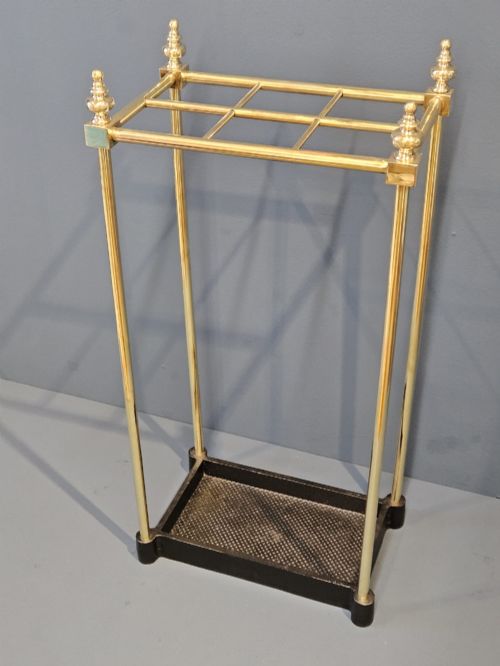
Design details include bun feet that elevate the base off the floor and integrated drip trays to catch runoff water. Folding brass mechanisms appear on specialised furniture like pitch pine pews.
Brass Umbrella Holder Retail Price Guide 2026
Typical asking prices for brass umbrella holder among the pieces listed under this phrase on Sellingantiques today, from the lower quarter to the upper quarter. They describe what is for sale here now, not the wider market.
Listings span the Victorian and Edwardian periods, featuring materials such as brass, cast iron, copper, and wood in umbrella and stick stand forms.
Distinguishing quality across examples
Quality rests on the integrity of the metalwork, the presence of original fittings like drip trays or bun feet, and the balance of mixed materials such as wood and copper. Finer examples retain their structural stability and authentic surfaces.
The sophistication of the silhouette defines the upper tier, with demi-lune and half-moon shapes demonstrating careful spatial design for narrow hallways. Historical association, such as items linked to notable institutions, elevates a piece further.
The Brass Umbrella Holder Glossary
- Demi-lune
- A half-moon shape designed to fit flat against a wall. This profile saves floor space in narrow Victorian and Edwardian corridors.
- Drip tray
- A removable metal dish positioned at the base of the stand. It catches rainwater from wet umbrellas to protect flooring.
- Bun feet
- Rounded, spherical feet that raise the base of the stand off the ground. They lift the metalwork away from damp floor surfaces.
- Stick stand
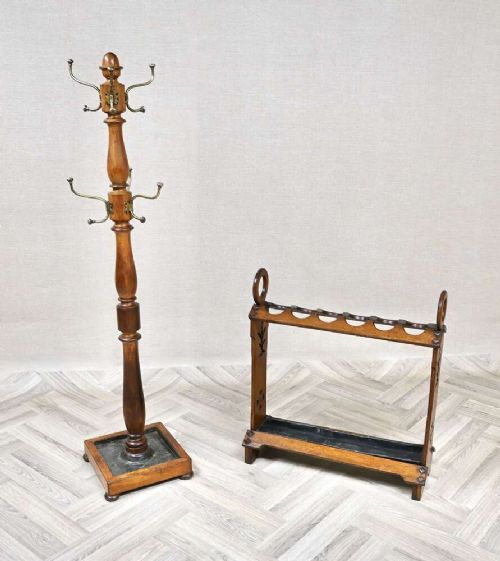
- A tall piece of furniture intended for holding walking canes and riding crops. These share construction traits with umbrella holders.
Brass Umbrella Holder: Frequently Asked Questions
What periods do these holders come from?
The available pieces originate mainly from the nineteenth century, including specific decades and the Edwardian era. Victorian examples feature prominently among the recorded items.
Craftsmen during these periods produced stands in various configurations, from standalone cylinders to demi-lune shapes.
What materials are used in these stands?
Brass forms the primary metal, often combined with cast iron, copper, and general ironwork. Some pieces incorporate wooden elements or feature metal holders attached to wooden furniture.
Drip trays and feet may utilise matching or contrasting metals to complete the structure.
How do half-moon stands save space?
Half-moon or demi-lune stands possess a flat back that rests securely against a hallway wall. This geometry projects less into narrow corridors than circular designs.
Such shapes were particularly favoured in Edwardian and Victorian townhouses with compact entranceways.
Why do some stands have drip trays?
Drip trays collect moisture running off wet umbrellas after use in rainy weather. This protects indoor flooring from water damage.
These trays are typically removable for easy emptying and cleaning.