
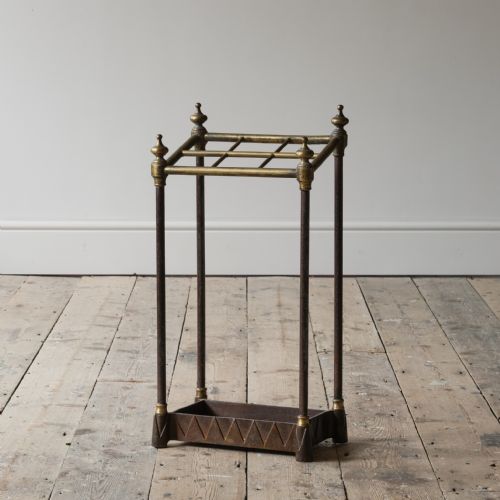
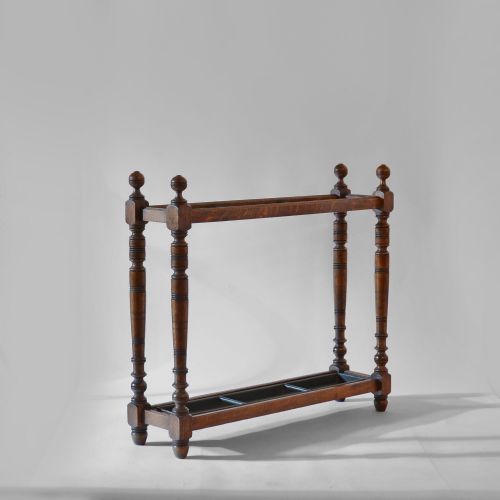
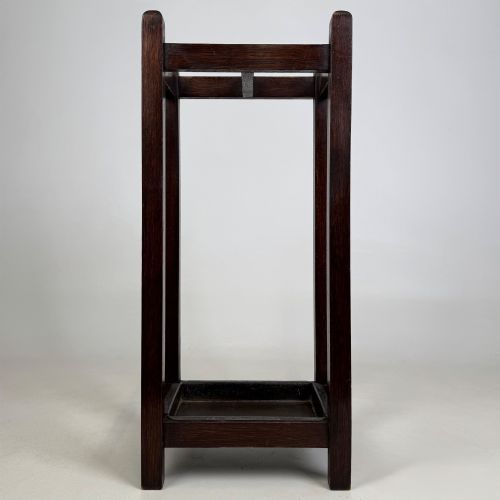
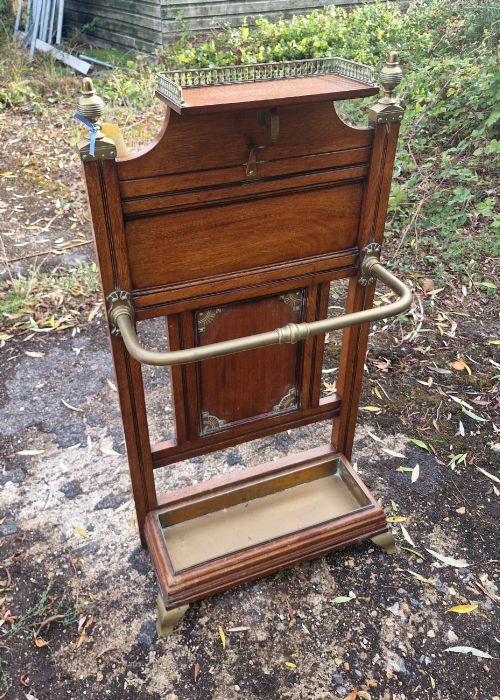
Vintage Walking Stick Stand
A vintage walking stick stand is a practical hall furnishing designed to hold canes and umbrellas, bringing period character and order to an entranceway.
Vintage Walking Stick Stand
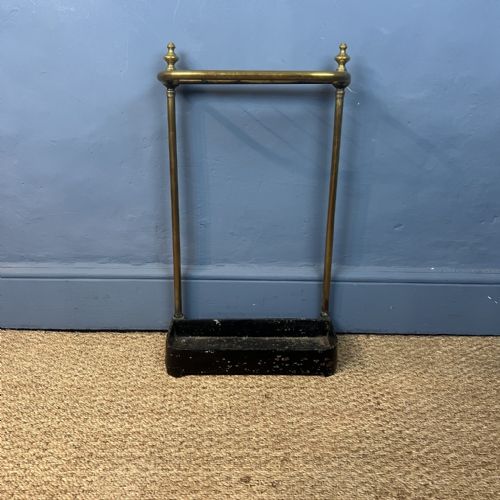
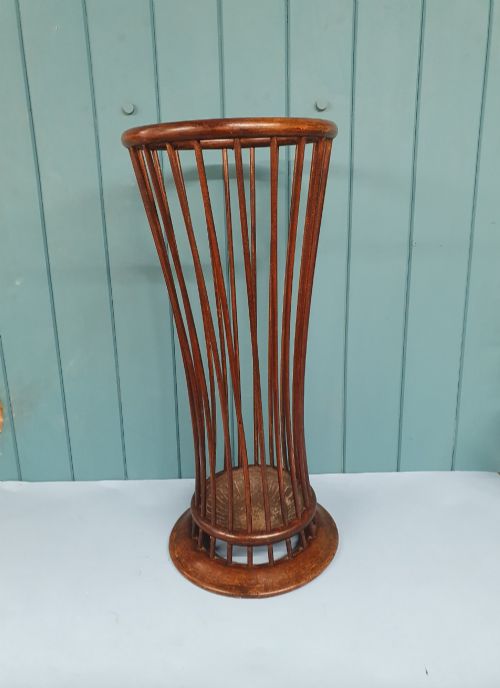
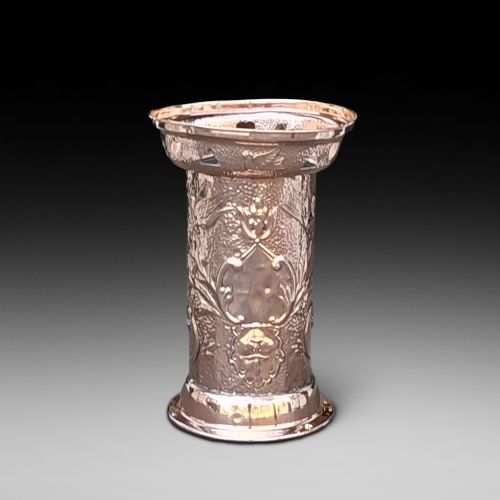
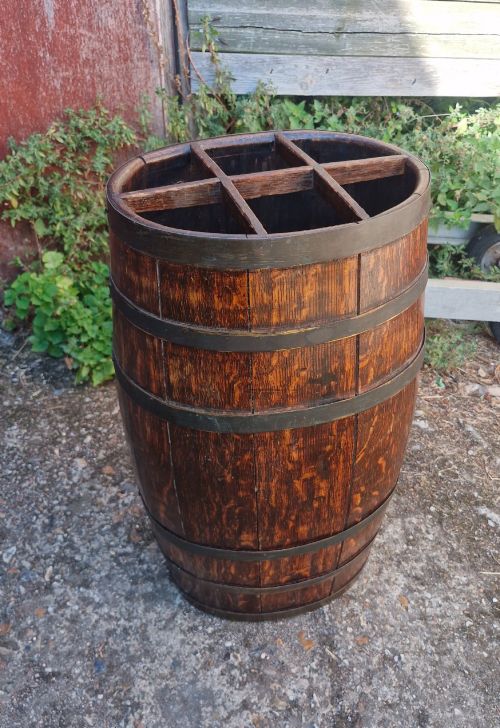
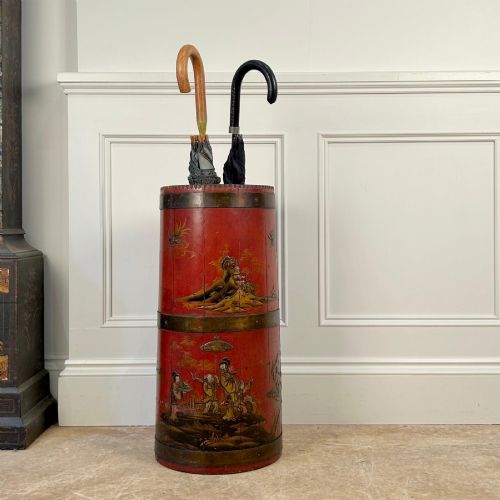
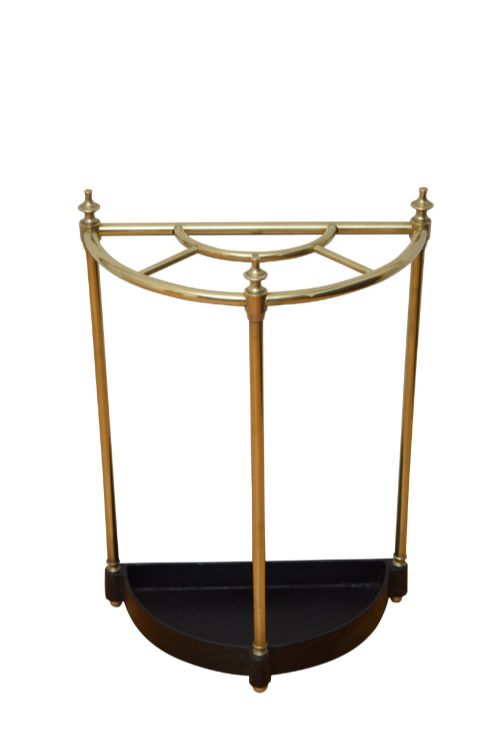
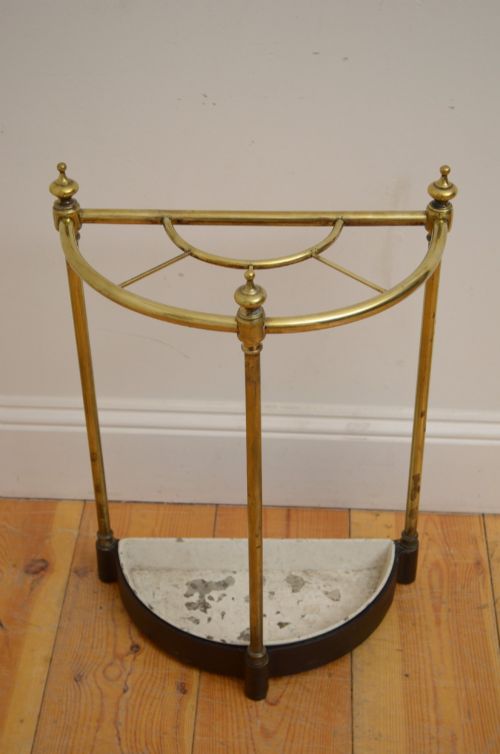
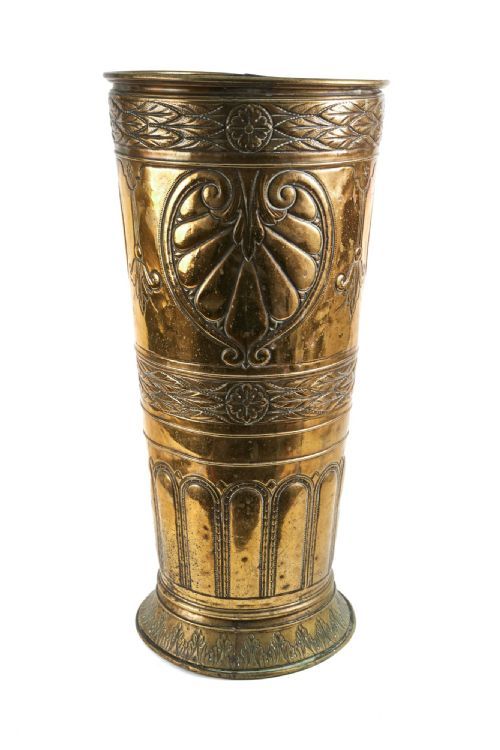
A vintage walking stick stand serves the hall by keeping canes, parasols, and umbrellas upright and contained. When examining a vintage walking stick stand, one encounters forms ranging from compact demi-lune shapes to large barrel designs intended for country houses.
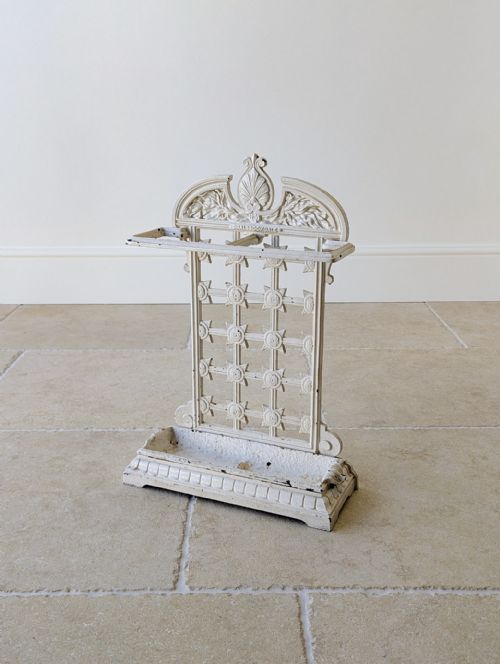
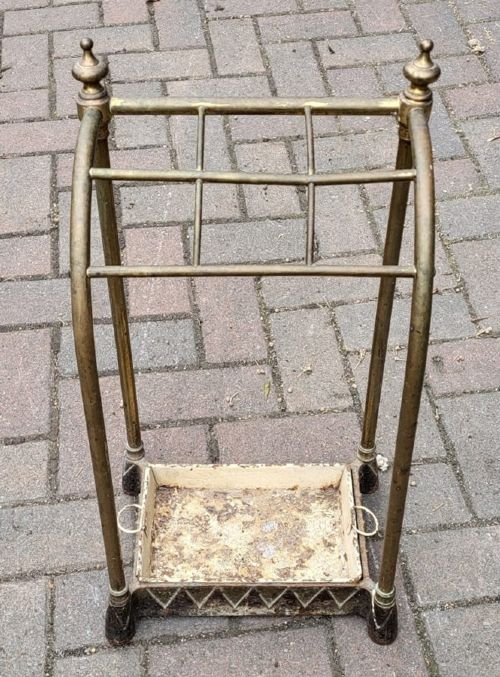
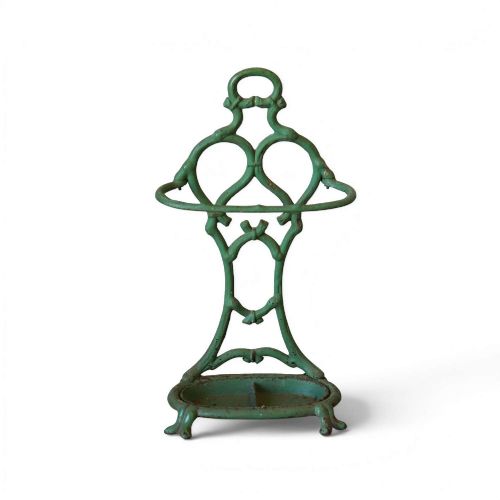
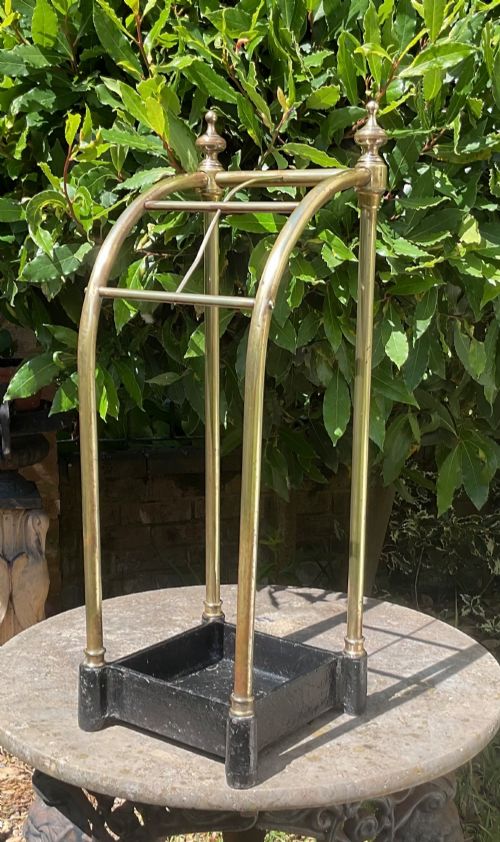
The pieces appearing on this page span the Victorian and Edwardian eras through to the early twentieth century. Common variations include oak hall stands, brass and cast iron frames, and painted metal structures.
Originating in periods when daily outdoor attire routinely included a walking cane or umbrella, these stands were essential domestic furniture. Today they function just as intended in a porch or hallway.
Materials and construction methods
Makers utilised durable metals such as brass, cast iron, copper, and iron alongside timbers like oak, mahogany, and pitch pine. Cast iron examples often relied on moulds to achieve detailed relief patterns or faux bois bamboo effects.
Wooden stands incorporated framing techniques such as barley twist turnings and metal bounding to secure barrel forms. Many designs included original metal drip trays to catch moisture from wet umbrellas.
Vintage Walking Stick Stand Retail Price Guide 2026
Typical asking prices for vintage walking stick stand among the pieces listed under this phrase on Sellingantiques today, from the lower quarter to the upper quarter. They describe what is for sale here now, not the wider market.
Materials across these listings include brass, cast iron, oak, mahogany, copper, iron, leather, and stoneware.
Judging quality and character
Quality in these stands rests upon the integrity of the materials and the crispness of the casting or joinery. Heavy cast iron frameworks and substantial oak structures demonstrate greater permanence than lighter alternatives.
The presence of original components, such as metal drip trays and division racks, elevates a piece. Finer examples display thoughtful decorative touches, from Art Nouveau copperwork to Chinoiserie and Japanned finishes.
Coalbrookdale·Heals of London
The Vintage Walking Stick Stand Glossary
- Demi-lune
- A half-moon shape designed to sit flush against a hallway wall. This profile allowed stands to occupy narrow spaces without obstructing the passage.
- Faux bois
- An artistic imitation of wood grain applied to metal or other non-wooden materials. In cast iron stands, this technique mimicked natural bamboo or timber.
- Drip tray
- A removable metal tray positioned at the base of the stand to catch water. It protected wooden or tiled flooring from moisture damage.
- Bergere
- A type of woven cane panelling used in certain decorative furniture panels. It added texture and lightness to larger hall furniture.
- Barley twist
- A carved spiral column resembling a twisted loaf of bread. This turning style appeared frequently on Edwardian and Victorian wooden supports.
Vintage Walking Stick Stand: Frequently Asked Questions
Where should I place a stick stand?
These stands belong naturally in an entrance hall, porch, or boot room where outdoor accessories are gathered. Their narrow profiles, particularly demi-lune shapes, allow them to fit snugly against walls.
Placing them near the front door ensures walking sticks and umbrellas are readily accessible as you leave the house.
How do I protect my floors from water?
Most traditional stands feature an integrated metal drip tray at the base to catch moisture from wet umbrellas. Checking for this original component ensures water stays contained away from carpets or wooden floorboards.
If a tray is missing, a small modern liner can be placed inside the base without altering the appearance of the piece.
What is the difference between an umbrella and stick stand?
While often used interchangeably in titles, umbrella stands typically feature larger interior divisions for wider canopies. Stick stands tend to have narrower partitions designed specifically for walking canes and vintage umbrellas.
Many period examples accommodate both by combining larger ring sections with multiple smaller divisions.
How do I date a Victorian stand?
Dating relies on the combination of materials, stylistic markers, and construction techniques evident in the piece. Victorian examples frequently employ heavy cast iron, brass, and dark timbers with Gothic Revival or ornate decorative motifs.
Later Edwardian pieces often exhibit lighter oak construction, Arts and Crafts influences, or Art Nouveau copper elements.