


Cast Iron Cane Rack
A cast iron cane rack organises wet walking sticks and umbrellas in a hallway, bringing heavy, utilitarian metalwork into domestic service.
Cast Iron Cane Rack
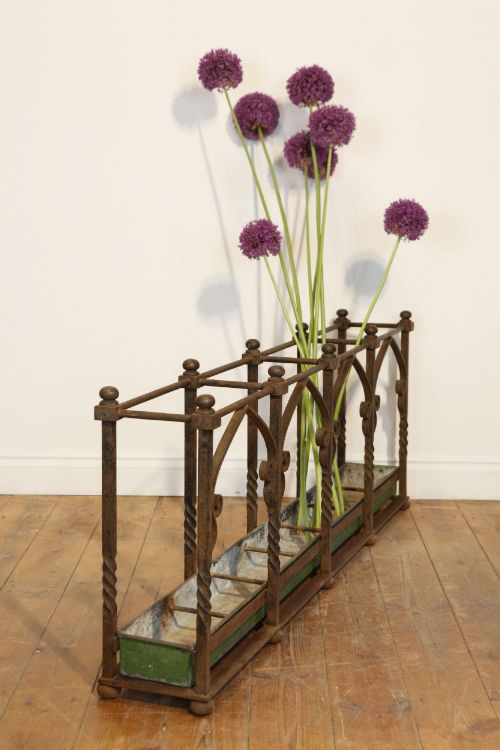
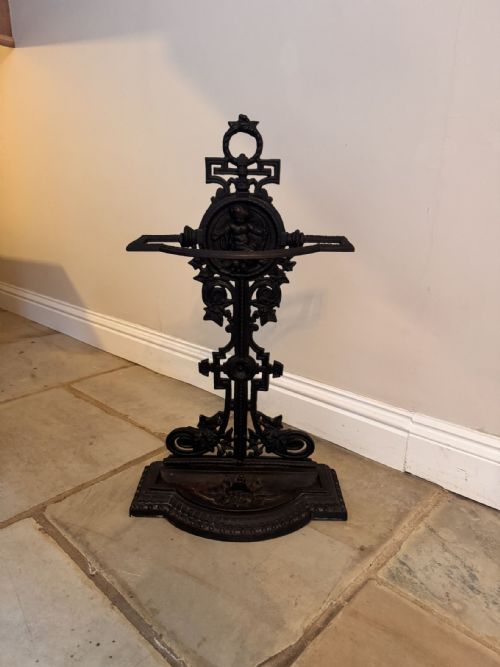
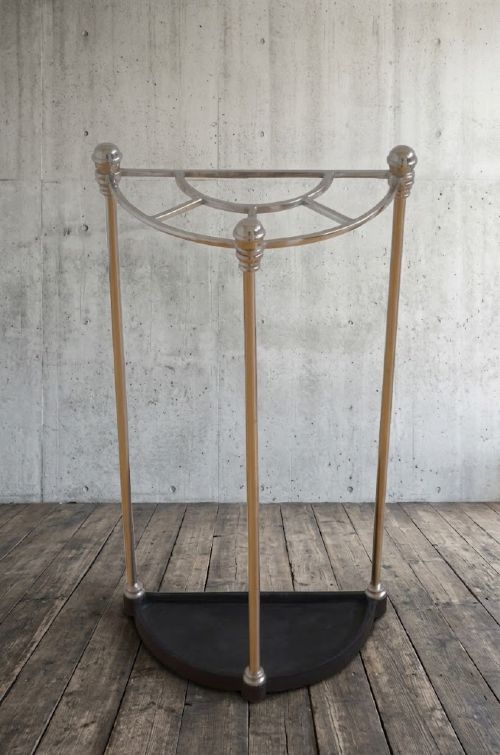
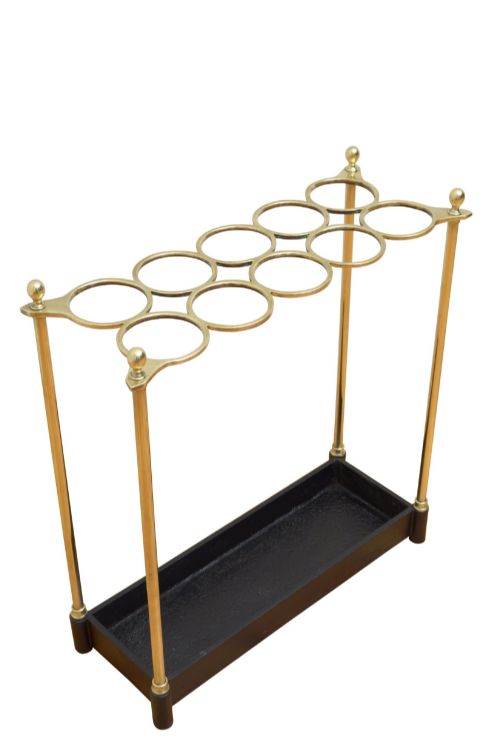
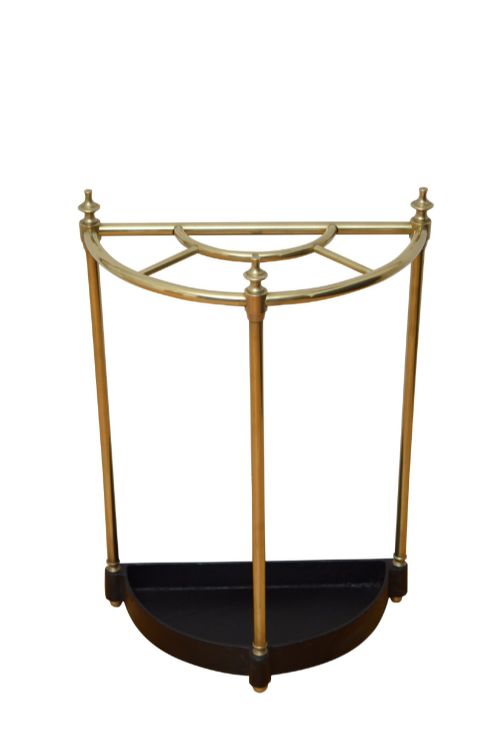
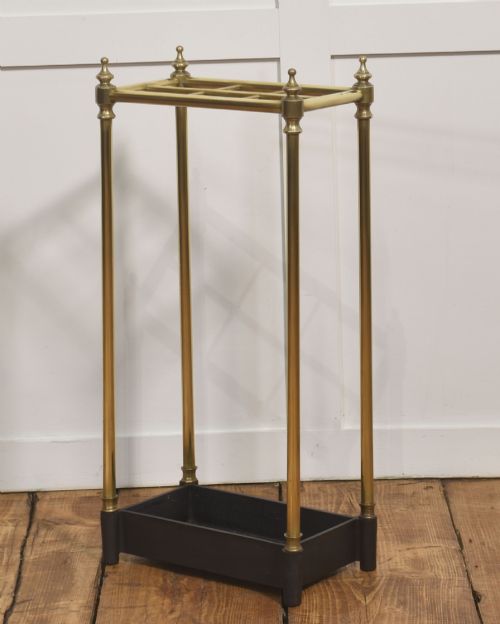
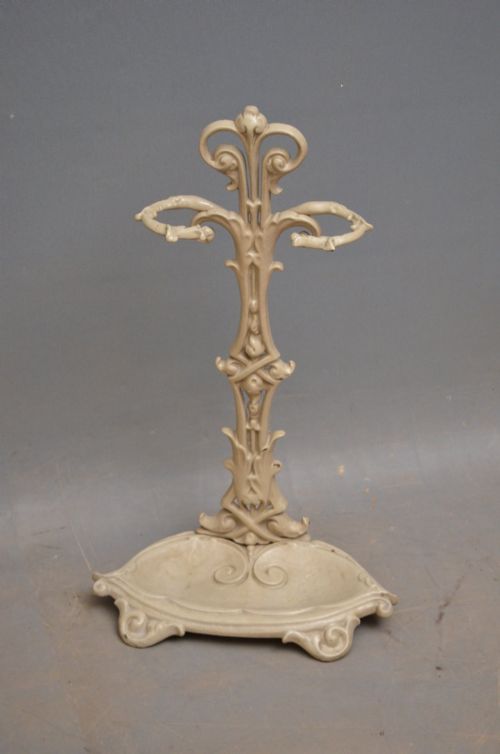
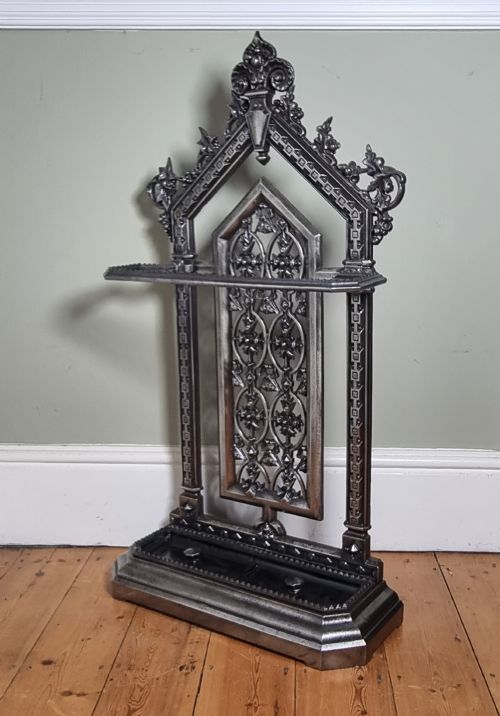
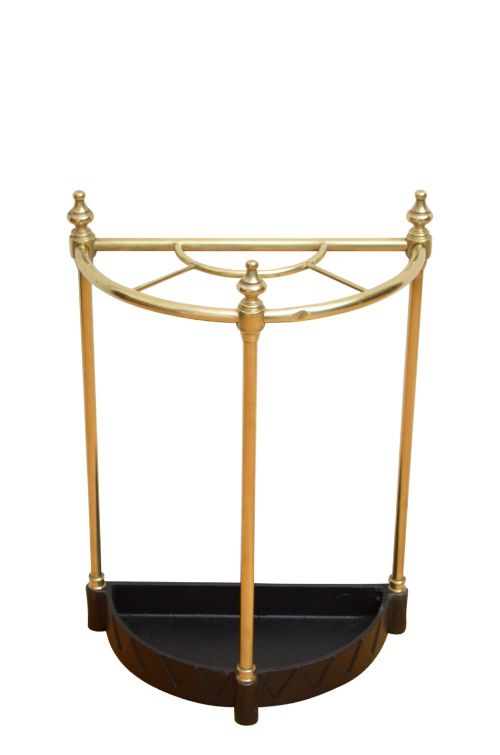
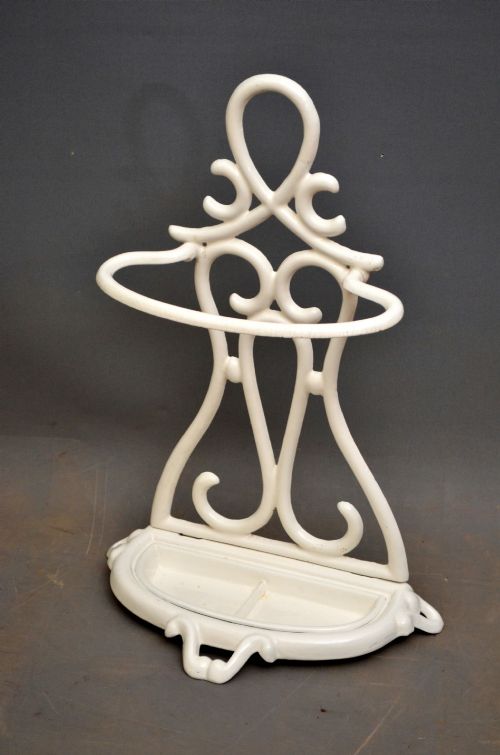
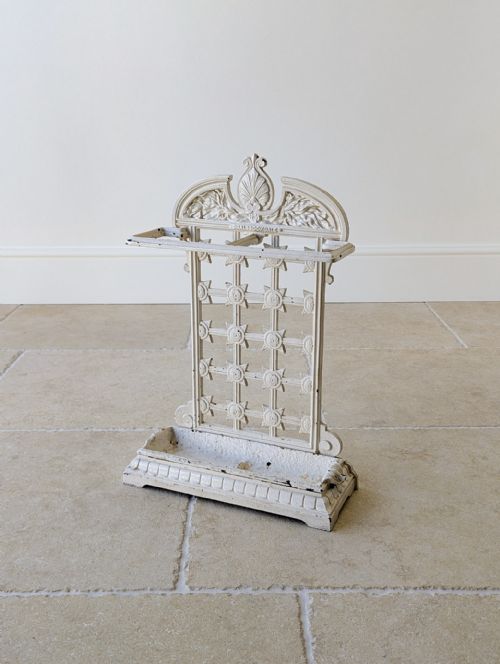
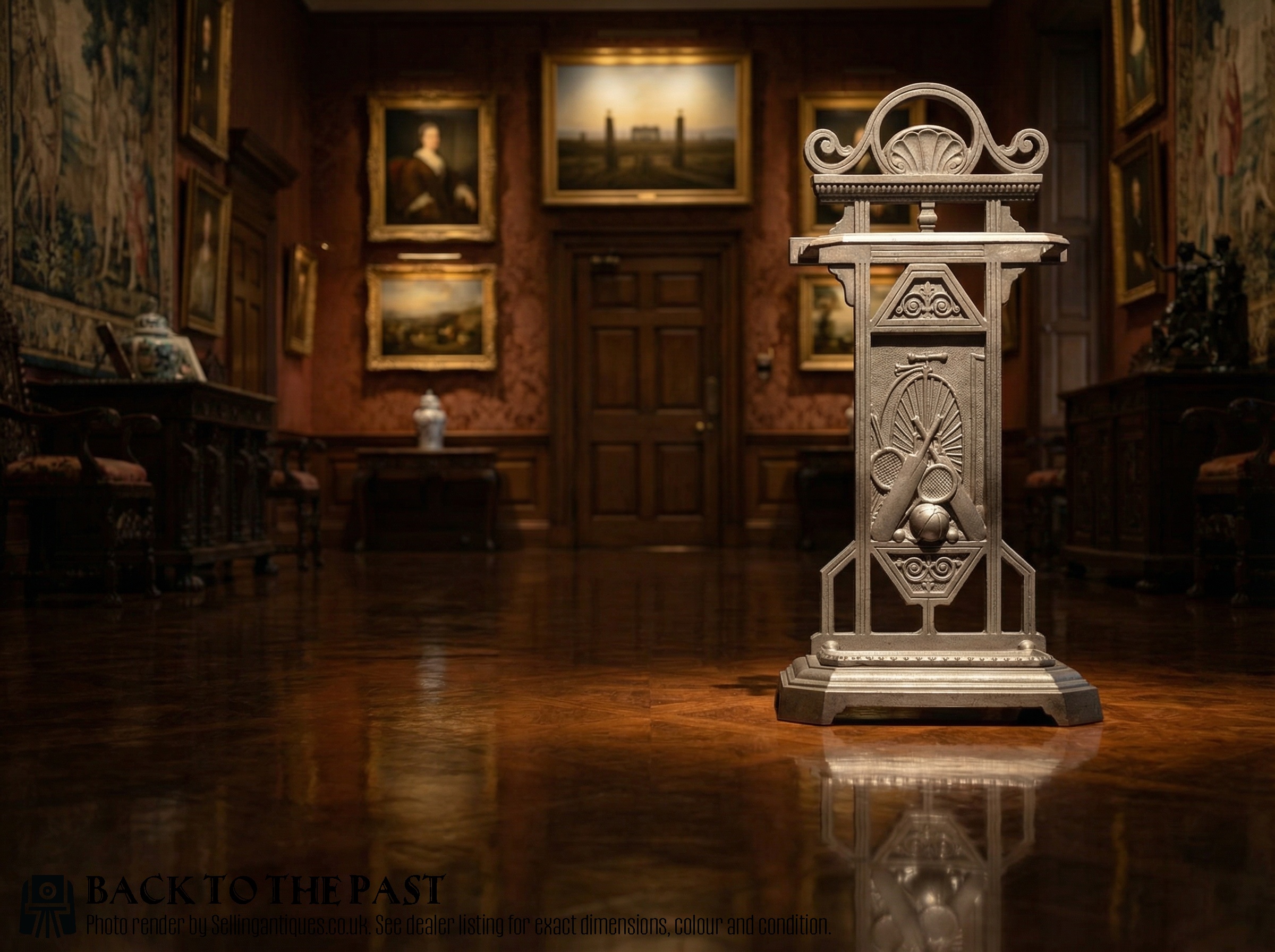
A cast iron cane rack appears across the Victorian, Edwardian and Art Deco periods, manifesting primarily as umbrella and stick stands designed for the hallway. These pieces take various forms, including semi-circular demi-lune designs and substantial upright frames intended to capture dripping water from walking sticks.
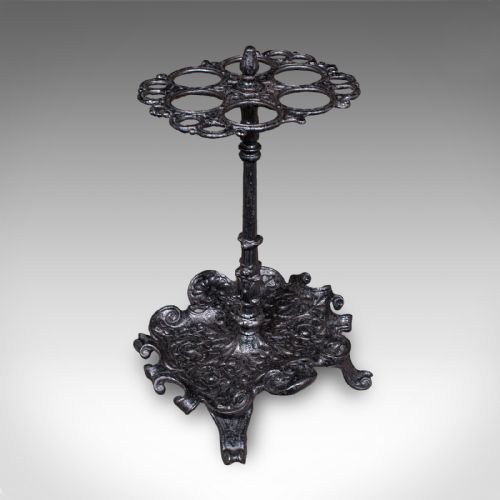
Makers and foundries of the nineteenth century applied historicist styles such as Gothic and Aesthetic Movement alongside organic Art Nouveau patterns. Examples range from standard utilitarian hall furniture to specific figurative designs depicting footballers, gun dogs and characters from fairy tales.
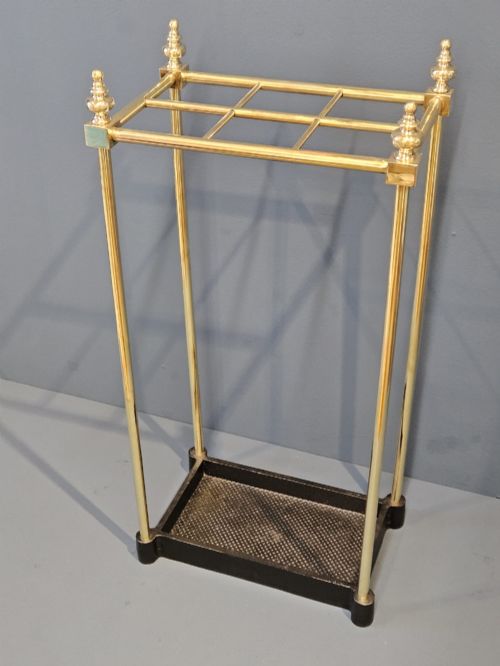
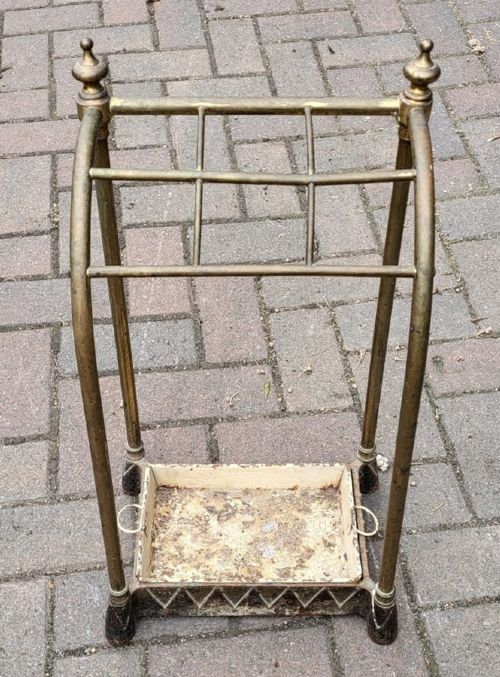
The materials span heavy cast iron alongside brass, steel, and tubular metal, often paired with enamel finishes or painted surfaces. Buyers encounter both British production from foundries like Coalbrookdale and Falkirk alongside continental French examples.
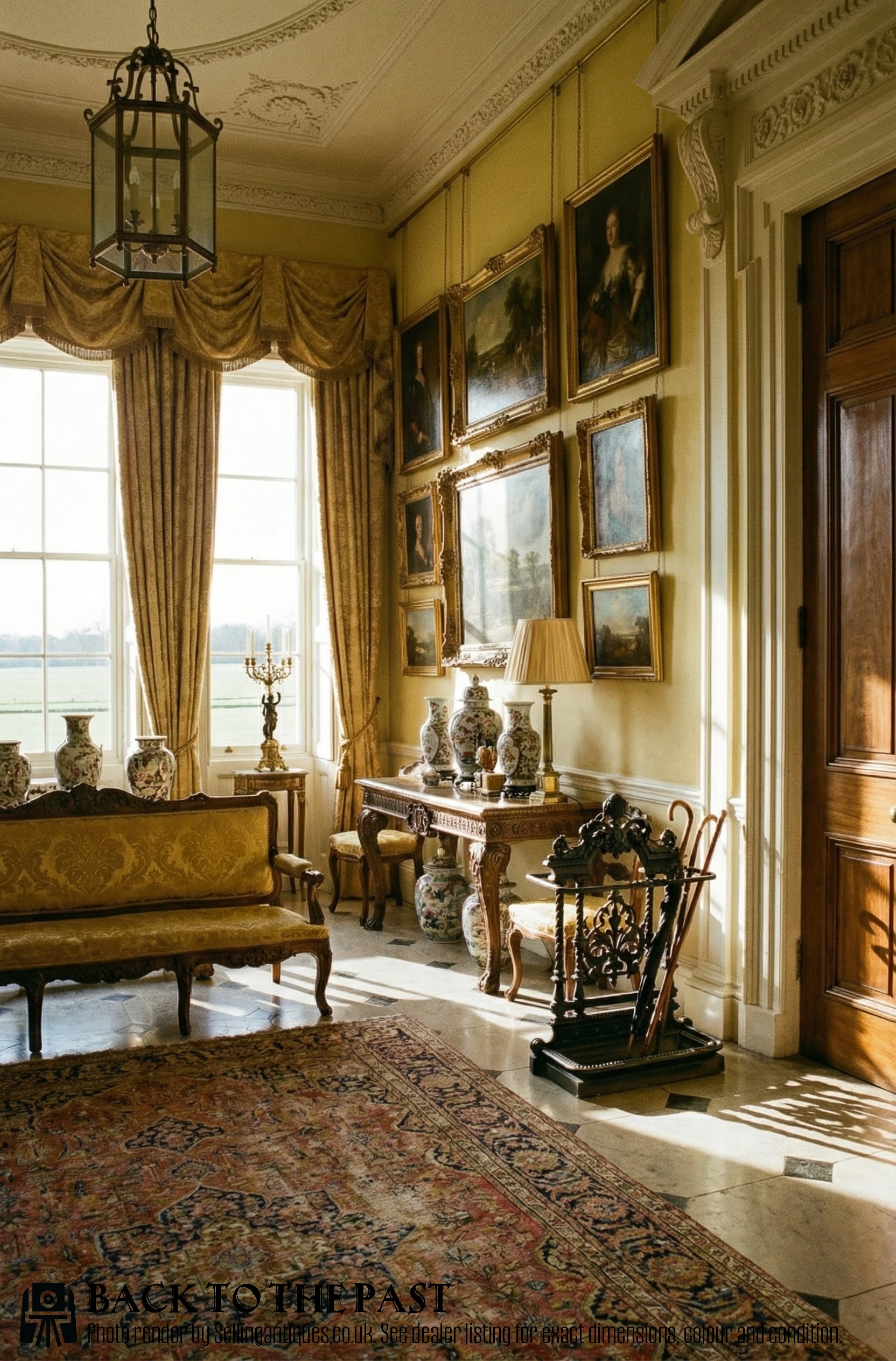
Distinctions in manufacture and design
Quality rests in the crispness of the casting and the depth of the relief work, where superior examples retain sharp detailing in complex figures and foliage rather than softened outlines. Foundries known for high-standard ironwork achieved cleaner joints and more substantial gauge metal.
The sophistication of the stylistic execution separates standard utility pieces from ambitious works associated with notable designers and makers. Retaining original components like the base drip tray further elevates an example.
Cast Iron Cane Rack Retail Price Guide 2026
Typical asking prices for cast iron cane rack among the pieces listed under this phrase on Sellingantiques today, from the lower quarter to the upper quarter. They describe what is for sale here now, not the wider market.
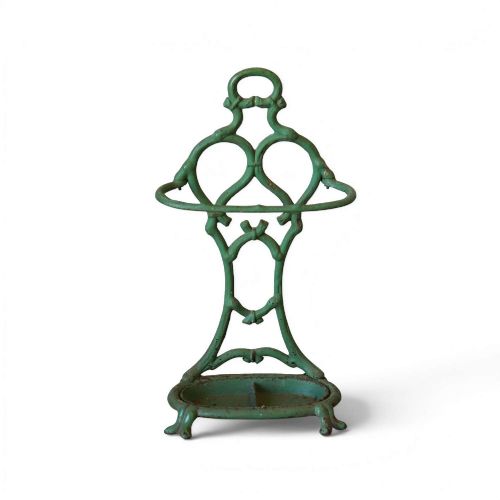
The inventory records diverse decorative forms, ranging from bamboo-style faux bois to figures of gun dogs and fairy tale characters.
Coalbrookdale·Falkirk Ironworks·A. Kenrick & Sons
The Cast Iron Cane Rack Glossary
- Demi-lune
- A half-moon shape used for stands designed to sit flush against a hallway wall. This configuration saves floor space while accommodating multiple walking sticks and umbrellas.
- Faux bois
- A decorative technique mimicking natural wood grain, often rendered in cast iron to resemble bamboo or rustic branches. This style gained popularity during the late nineteenth century.
- Drip tray
- A removable metal basin positioned at the base of the stand to catch water from wet umbrellas. These trays protect hallway floors from moisture damage.
- Finial
- A decorative ornamental knob or terminal topping the upright posts of a stand. They appear in brass or iron as ball shapes or cast foliage.
Cast Iron Cane Rack: Frequently Asked Questions
How do I clean a cast iron cane rack?
Dust the surface regularly with a soft brush and avoid harsh chemical cleaners that might strip painted or enamel finishes. Lightly apply a neutral wax if the bare iron requires protection from moisture.
Ensure the removable drip tray is dried thoroughly after emptying to prevent rust accumulation at the base of the frame.
Where should I place a heavy stick stand?
Position the piece in an entrance hall or porch where wet walking gear is naturally deposited upon entry. Ensure the floor surface can support the combined weight of the iron frame and damp items.
Keep the stand away from direct, continuous moisture sources that could accelerate corrosion on unpainted metal sections.
How do I date a Victorian iron stand?
Examine the registration marks, maker stamps, or style motifs such as Gothic tracery or Aesthetic Movement geometry. These indicators point to specific decades within the nineteenth century.
Construction details, such as the use of threaded bolts versus integrated casting, help distinguish earlier production methods from later iterations.
What is the difference between an umbrella and a cane rack?
Stands built for this purpose generally accommodate both items interchangeably through upper ring dividers and lower partitioned bases. Walkers and umbrellas share similar vertical dimensions requiring identical storage geometry.
Fittings often include smaller compartments or side hooks specifically for riding crops or folding parasols alongside standard walking sticks.