



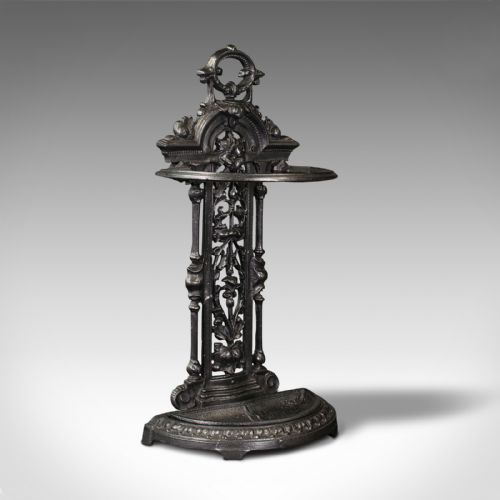


Coalbrookdale Stick Stand
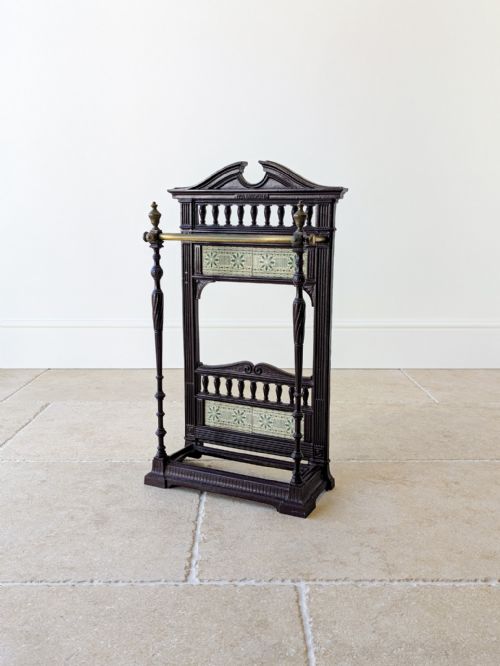
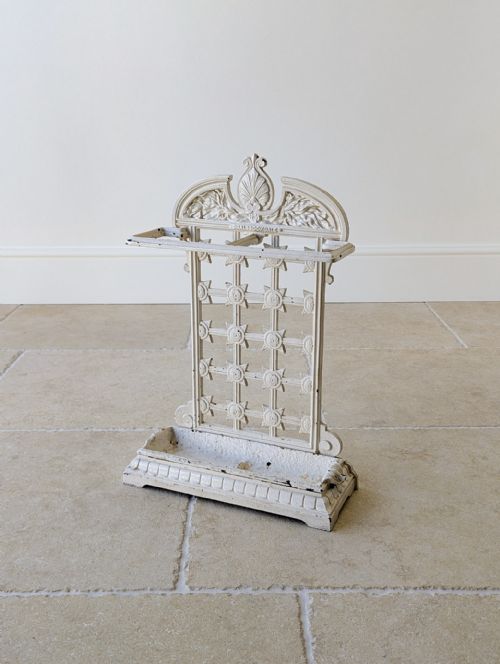
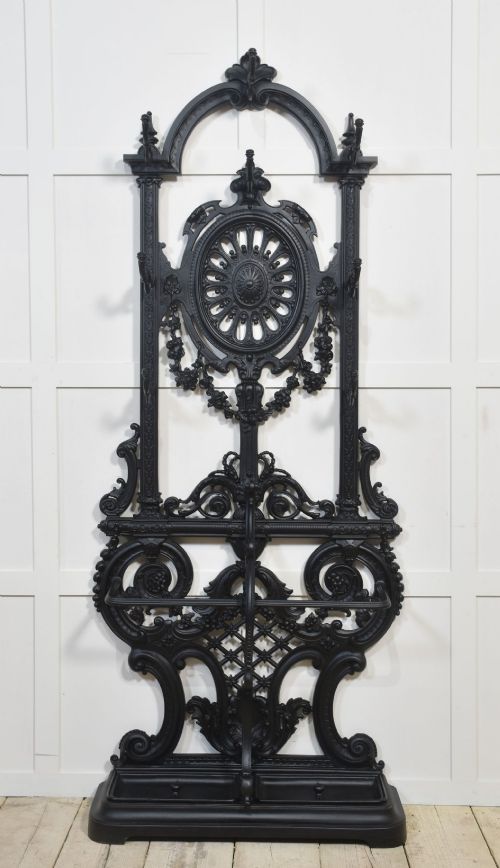
These coalbrookdale stick stand pieces are robust cast iron hallway furnishings designed for holding walking sticks and umbrellas, prized for their ornate Victorian and Edwardian craftsmanship.
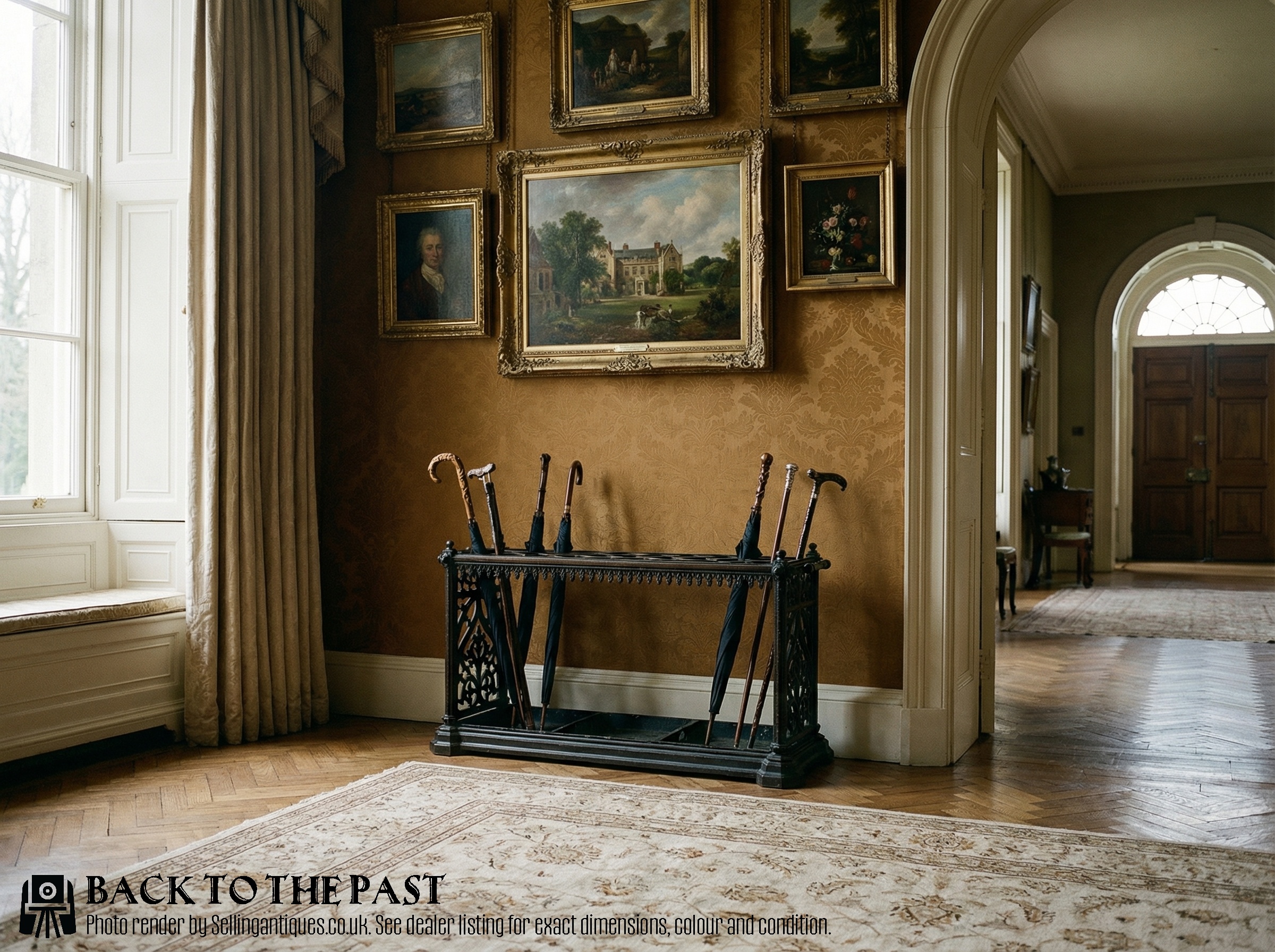
Coalbrookdale Stick Stand
A coalbrookdale stick stand is a sturdy hallway furnishing intended for keeping walking sticks and umbrellas orderly near an entrance. You will most frequently encounter Victorian and Edwardian examples fashioned from heavy cast iron.
Many of these hall stands and umbrella stands display elaborate ornamentation ranging from Gothic Revival motifs to Aesthetic Movement designs. Pieces range from compact small models to large thirty-six hole stands suitable for country houses.
The selection includes marked foundry productions alongside pieces made in the distinctive style or after the patterns of the original ironworks. These hall racks serve both a practical domestic purpose and a decorative architectural function in a hallway.
Materials and Manufacture
Foundries utilised sand casting techniques to pour molten iron into detailed moulds, creating intricate openwork patterns, scrolling foliage and figural depictions such as the young Hercules or a chihuahua. This heavy cast metal provides the essential rigidity and weight needed to support wet umbrellas and heavy walking sticks without tipping.
Finished iron castings were often treated with protective black or coloured paint to prevent rust and highlight the relief details of the design. Certain models incorporate complementary materials like ceramic tile liners or brass elements to catch drips and enhance the decorative appearance.
Coalbrookdale Stick Stand Retail Price Guide 2026
Typical asking prices for coalbrookdale stick stand among the pieces listed under this phrase on Sellingantiques today, from the lower quarter to the upper quarter. They describe what is for sale here now, not the wider market.
Listings feature items spanning the Victorian, Edwardian, and nineteenth-century periods, constructed primarily from cast iron with occasional ceramic and brass additions.
Evaluating Quality and Detail
The sharpness of the cast iron detail separates superior examples from plainer or later workshop copies, as crisper moulding preserves the depth and clarity of the original foundry patterns. Superior pieces retain their original surface finishes and structural integrity without replacement components.
The complexity of the design and the presence of maker's marks or registration numbers distinguish primary foundry output from subsequent style interpretations. Finer specimens feature well-executed figural subjects and robust drip trays that remain undamaged by continuous use.
Coalbrookdale·Christopher Dresser
The Coalbrookdale Stick Stand Glossary
- Cast iron
- A strong, hard alloy of iron and carbon poured into moulds to create complex shapes. It forms the primary structural material for these hallway stands.
- Aesthetic Movement
- A late nineteenth-century design style emphasising visual beauty over narrative content. Pieces from this movement feature stylised natural motifs.
- Gothic Revival
- An architectural and decorative style drawing inspiration from medieval forms. You see pointed arches and quatrefoil patterns on these stands.
- Drip tray
- A shallow metal or ceramic basin positioned beneath the stick holders to catch water from wet umbrellas. It protects the hallway floor from moisture damage.
- Hall stand
- A larger entranceway furnishing that combines umbrella storage with coat hooks and sometimes a mirror or seat. These items anchor the hallway decor.
Coalbrookdale Stick Stand: Frequently Asked Questions
How do I clean a cast iron stick stand?
Dust the iron surface gently with a soft dry brush to remove loose dirt accumulated in the recessed mouldings.
Avoid using harsh chemical solvents or water that could strip the painted finish or encourage surface rust.
Are all these stands marked by the foundry?
Many authentic pieces bear registration numbers, stamps or plaques identifying the original manufacturer or design date.
Unmarked examples attributed to the style often share identical patterns and weight characteristics with verified pieces.
Where should I place a stick stand at home?
Position the furnishing near your main entrance hallway where guests enter and drop off wet outerwear.
Ensure there is adequate floor space and clearance so the heavy iron frame remains stable during daily use.
How can I tell a Victorian stand from an Edwardian one?
Victorian examples frequently display heavier Gothic Revival or ornate foliate casting patterns typical of the nineteenth century.
Edwardian pieces often reflect the sleeker influences of the Aesthetic Movement with simpler geometric or stylised floral arrangements.