


Antique Umbrella Rack
When searching for an antique umbrella rack, collectors encounter robust cast iron, warm oak, and gleaming brass made for the entrance hall.
Antique Umbrella Rack
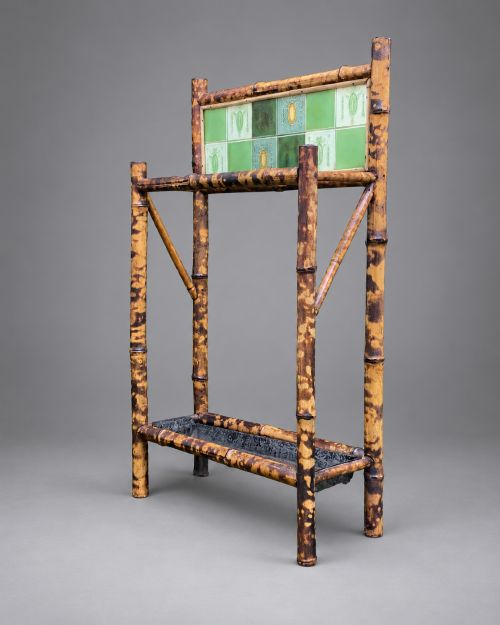
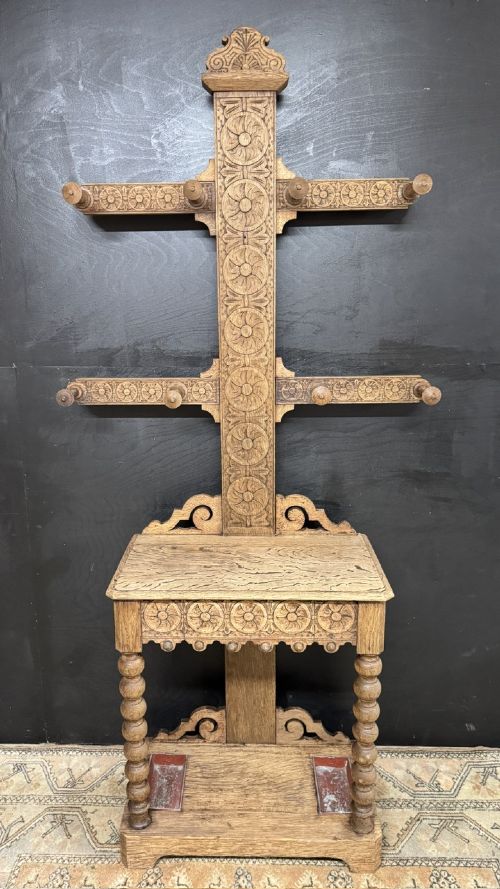
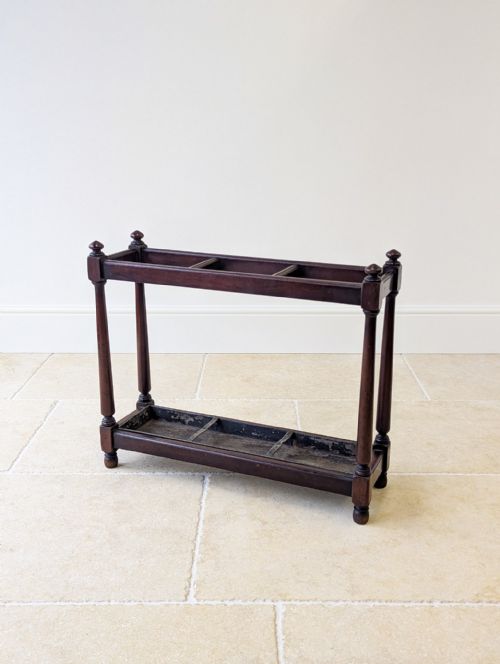
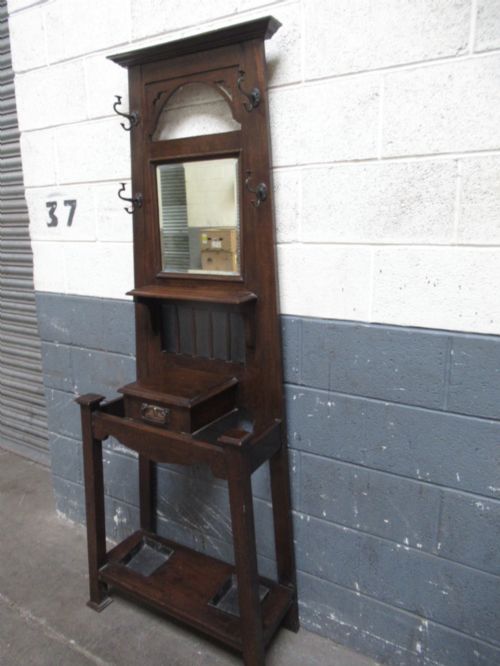
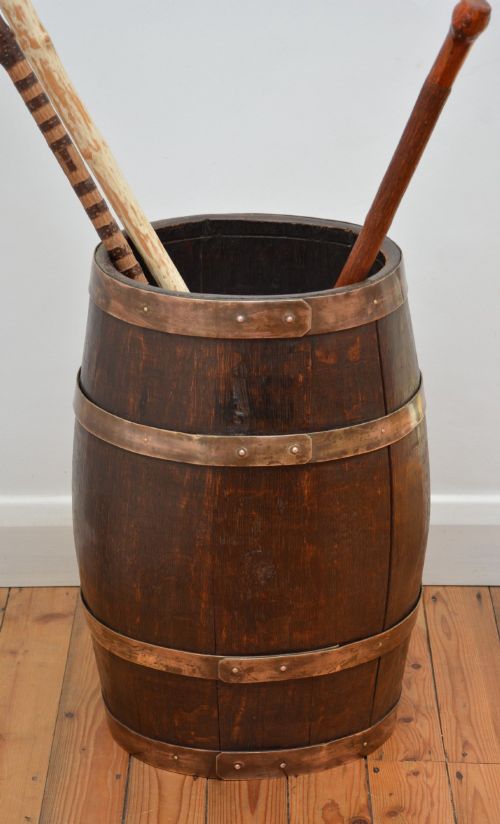
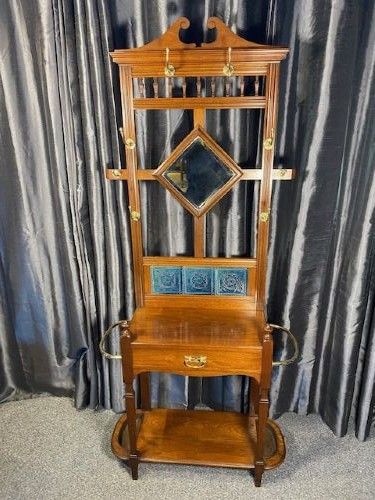
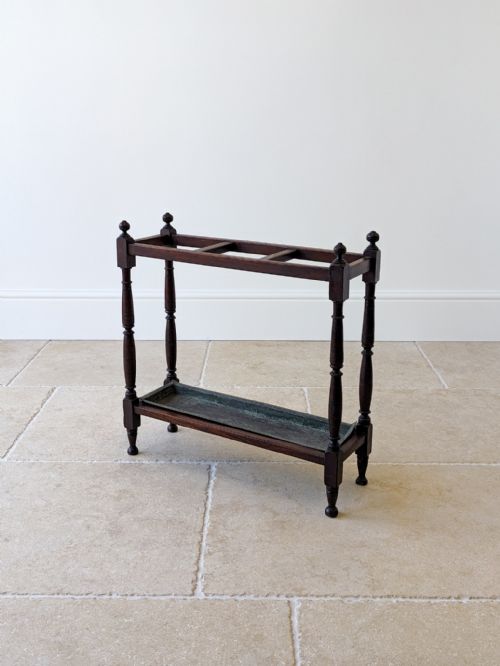
An antique umbrella rack provides a designated household place for wet walking sticks, canes, and wet umbrellas near an entryway. These furnishings appear in various forms, ranging from compact cast iron floor holders to large multi-functional hall stands incorporating hat hooks, mirrors, and drip trays.
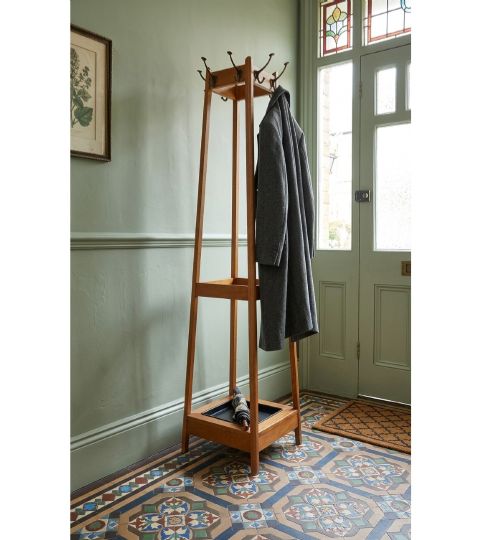
The versions met most frequently on this page date from the Victorian and Edwardian eras, constructed by workshops producing practical hallway furniture for domestic interiors. Simpler standalone umbrella holders share space here with grander architectural hall pieces designed to anchor a hallway.
Makers utilised resilient materials capable of handling damp weather without failing, turning functional hallway items into decorative household fixtures. Surviving examples reflect the shifting domestic tastes of the nineteenth and early twentieth centuries.
How they were made
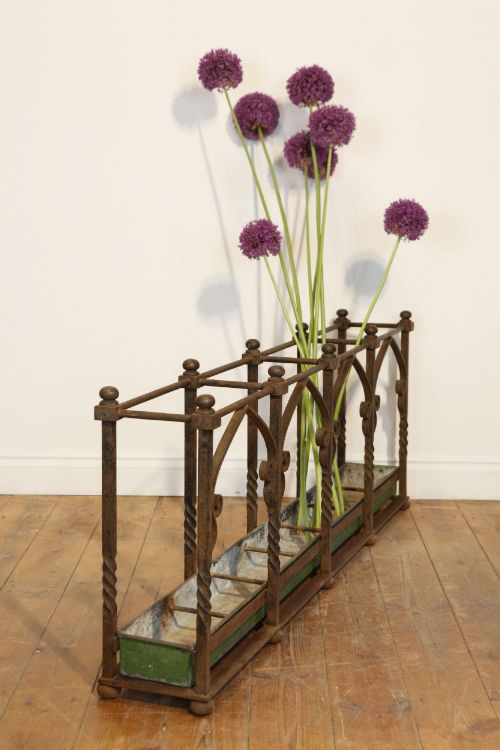
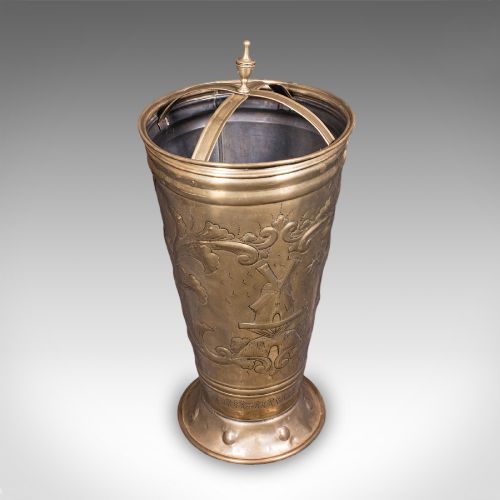
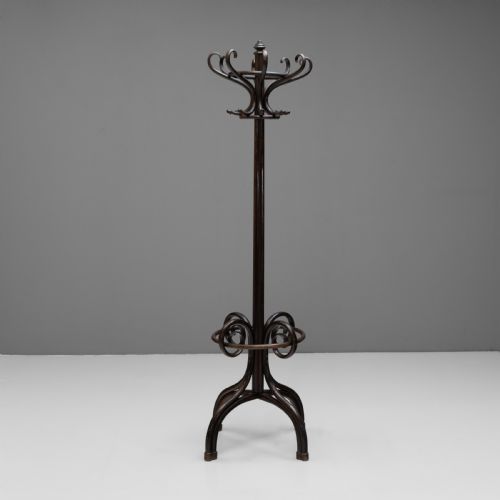
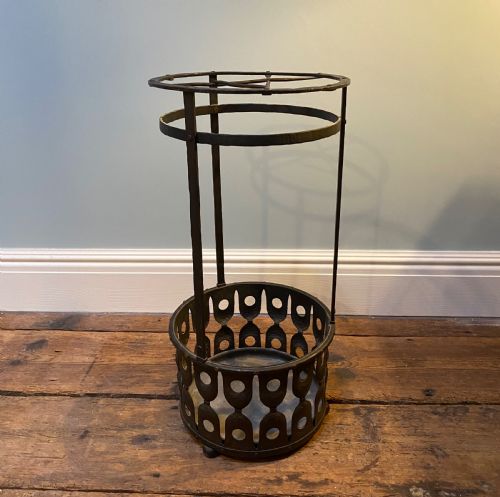
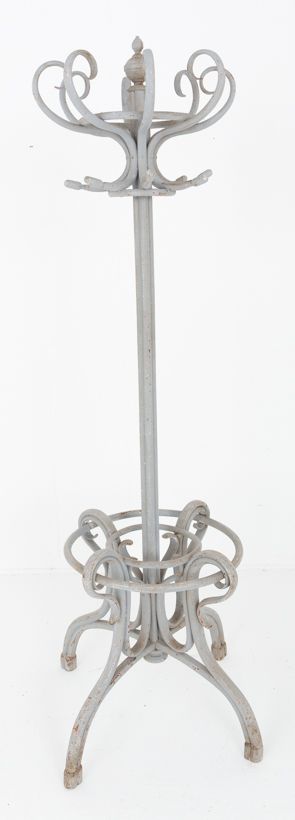
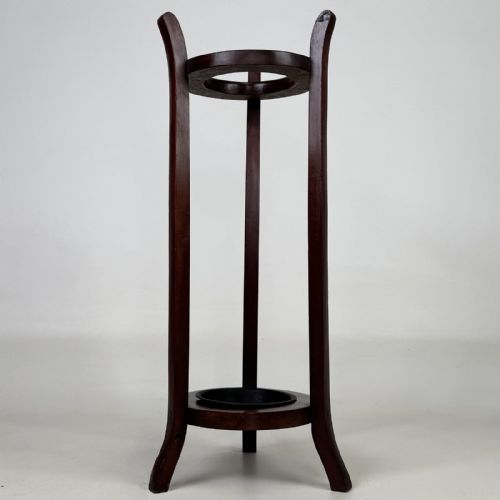
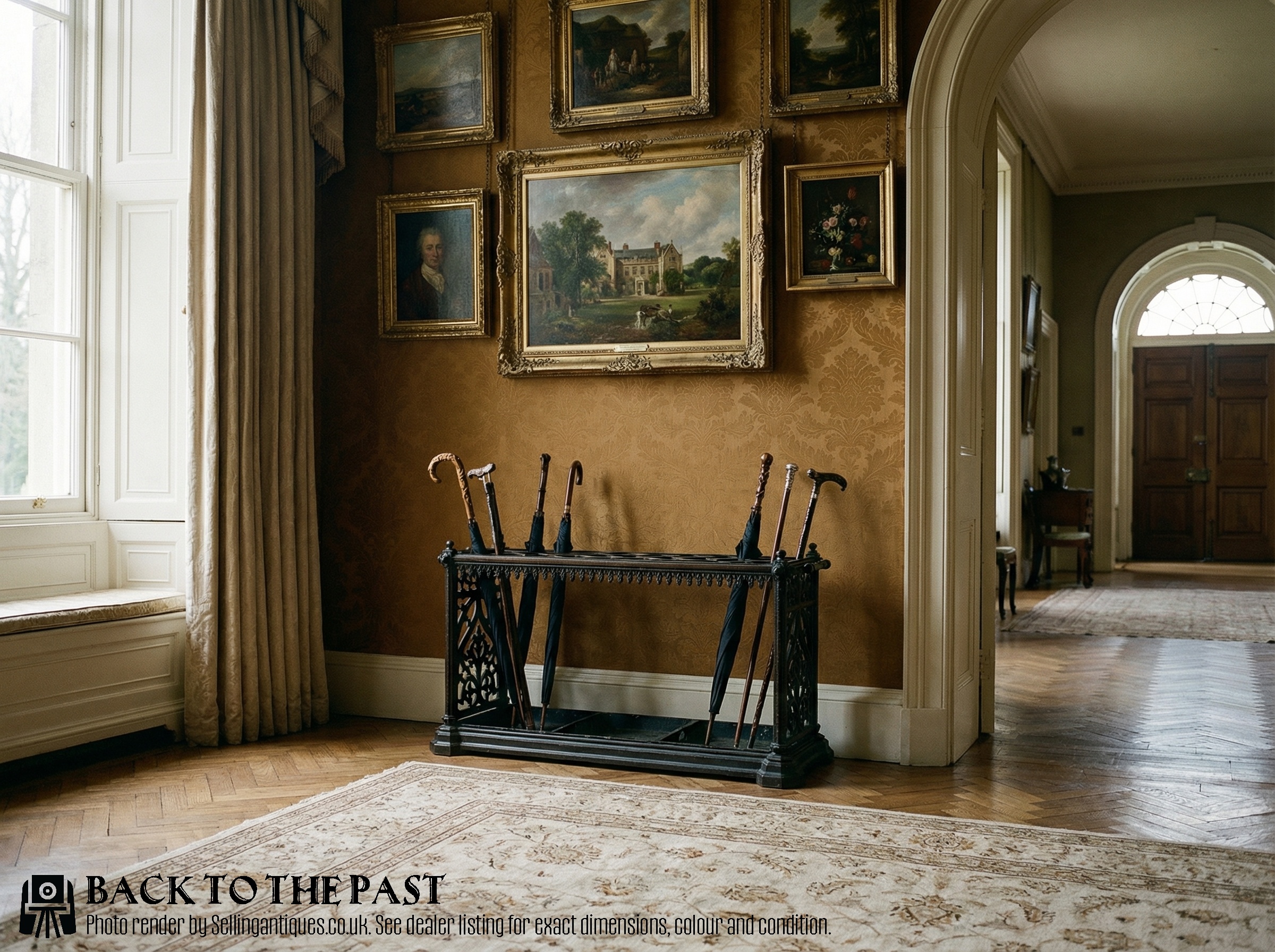
Foundry casting produced intricate metal frames in iron and brass, often featuring segmented divider rings and matching removable metal drip trays to catch rainwater. Joinery methods in timber utilised solid oak, beech, and mahogany, sometimes employing steam-bending techniques to create curved rails and umbrella loops.
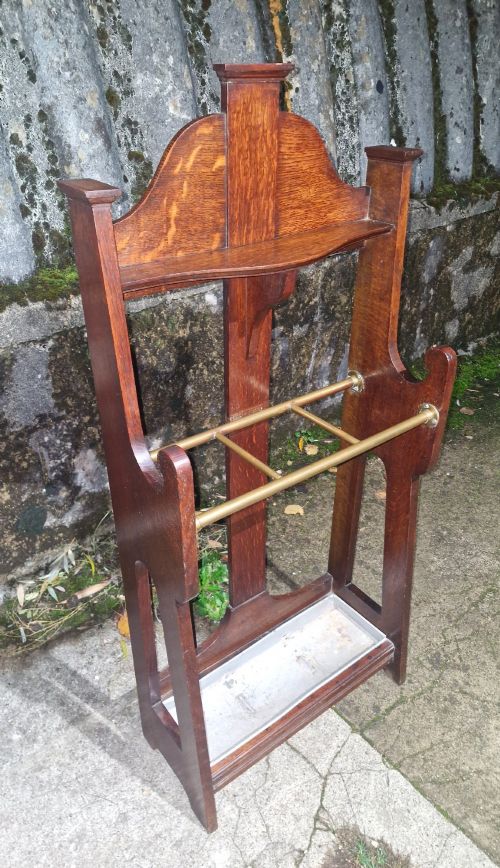
Design movements introduced distinct aesthetic vocabularies, from the organic fluidity of Art Nouveau to the honest construction methods championed by the Arts and Crafts movement. Metal components were frequently nickel-plated, painted, or cast with decorative figural motifs and ball finials.
Antique Umbrella Rack Retail Price Guide 2026
Typical asking prices for umbrella rack among the pieces listed under this phrase on Sellingantiques today, from the lower quarter to the upper quarter. They describe what is for sale here now, not the wider market.
Antler horn hall stands provided early visitors with an unexpectedly wild place to hang damp coats.
What varies in quality
Construction heft separates standard production utility pieces from superior examples cast by notable foundries or built by skilled cabinetmakers. The presence of original, matching metal drip trays indicates a higher degree of preservation and completeness.
Casting crispness in iron and brass work dictates the visual appeal of decorative motifs, where finer details remain sharp rather than muddied by worn production moulds. Timber selection also defines the tier of a piece, with figured grains and solid construction elevating standard hallway furniture.
Coalbrookdale·Thonet
The Antique Umbrella Rack Glossary
- Demi-lune
- A half-moon shape common in the footprint of wall-abutting stick stands. This curved design allowed hallway furniture to occupy narrow spaces efficiently.
- Drip tray
- A removable metal basin positioned at the base of a rack to catch water from wet umbrellas. These trays protected timber flooring from moisture damage.
- Bentwood
- Timber softened by steam and bent into curved shapes, frequently utilised in beech hall stands. This technique created lightweight yet durable coat and umbrella furniture.
- Hall stand
- A large multi-functional hallway fixture combining coat hooks, a mirror, bench seating, and integrated umbrella holders. These pieces anchored Victorian and Edwardian entranceways.
- Japonisme
- A Western artistic style influenced by Japanese art, seen in maple and bamboo furniture. This aesthetic informed decorative details on late nineteenth-century hall pieces.
Antique Umbrella Rack: Frequently Asked Questions
How do I clean cast iron?
Cast iron elements require gentle dusting with a dry cloth and occasional application of neutral wax to protect the metal surface. Avoid abrasive scouring pads that strip original finishes.
Moisture should be dried promptly from iron frames and drip trays to prevent rust formation in everyday use.
Where were these placed?
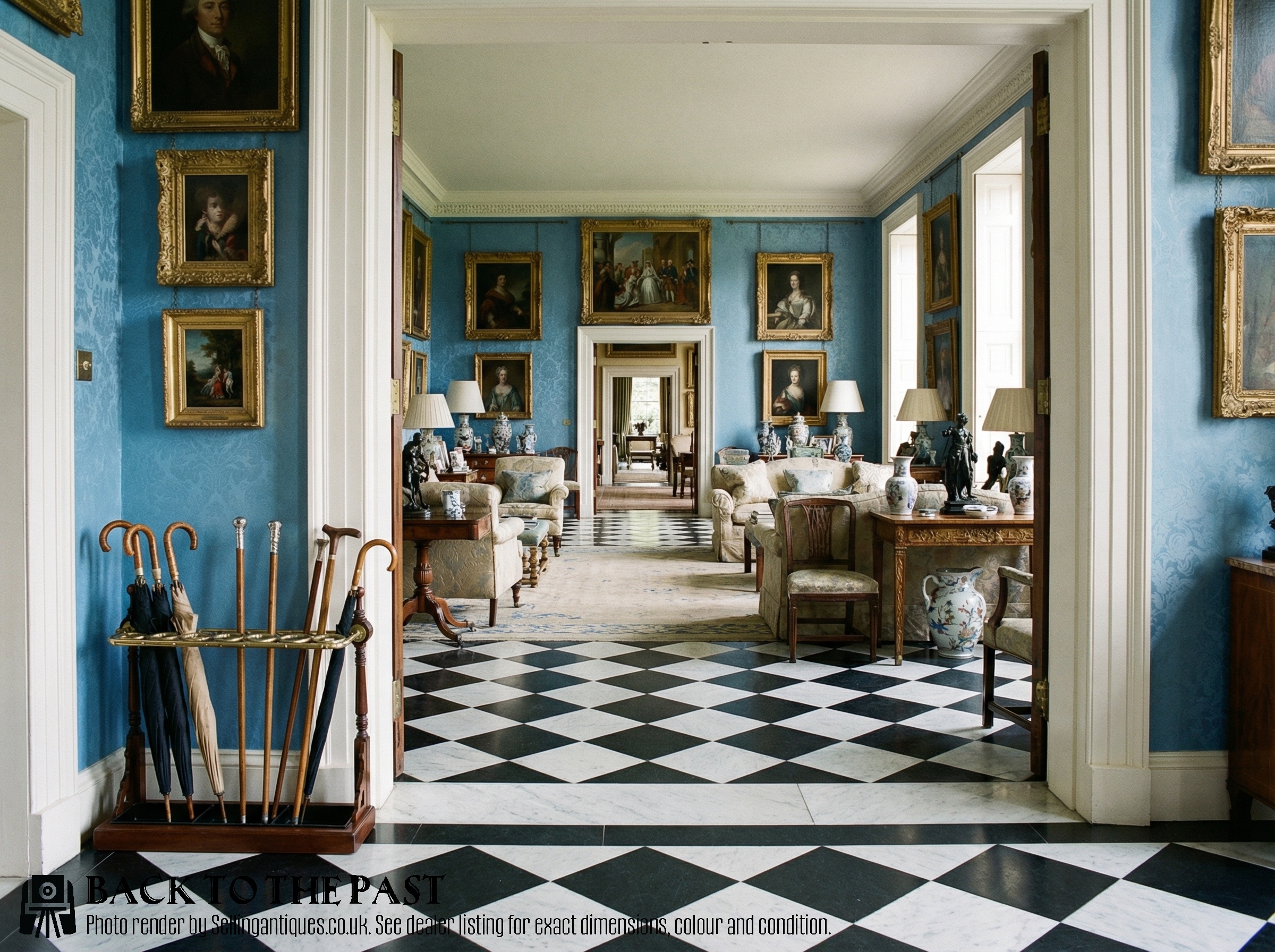
Hall stands and umbrella racks stood immediately inside front doors of domestic residences to catch wet weather gear upon arrival. They served as primary greeting furniture in entrance halls and reception rooms.
Placement depended on hallway dimensions, with corner units and demi-lune shapes fitting narrow corridors.
Are drip trays usually original?
Original metal drip trays match the age, wear patterns, and metal composition of the main umbrella rack frame. Replacements often show mismatched patination or different manufacturing methods.
Checking the base reveals whether the tray rests securely within dedicated iron or wooden retaining brackets.
How do I date a rack?
Dating relies on material combinations, construction joints, and stylistic markers associated with specific periods like the Victorian or Edwardian eras. Cast iron foundry stamps and registration numbers occasionally provide precise manufacturing years.
Art Nouveau fluidity points toward the turn of the twentieth century, while heavy oak construction often indicates earlier Victorian or Arts and Crafts origins.