


Vintage Hall Stand
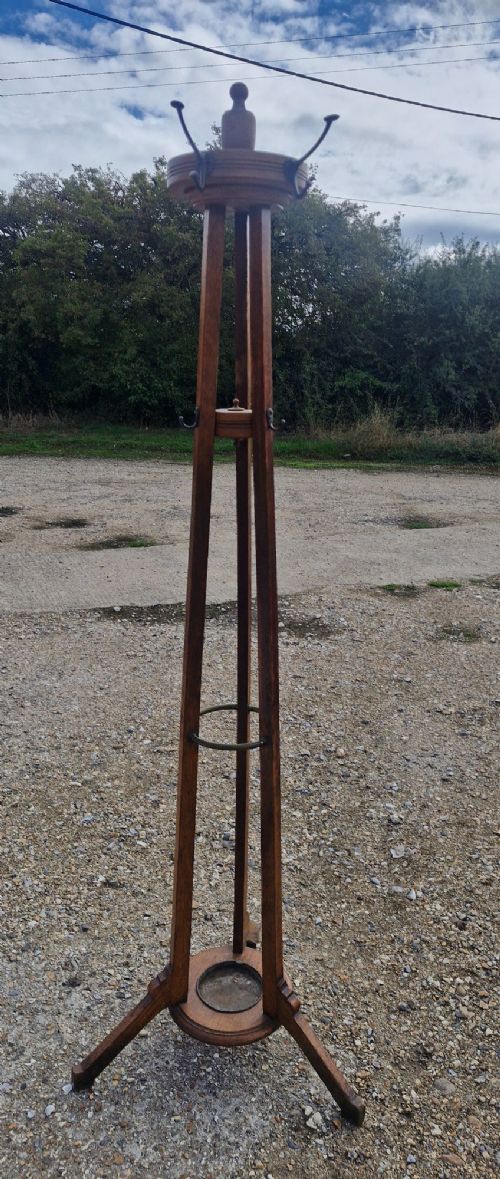
A vintage hall stand welcomes visitors with practical utility and strong period character, offering an ideal place for coats, hats, and wet umbrellas.
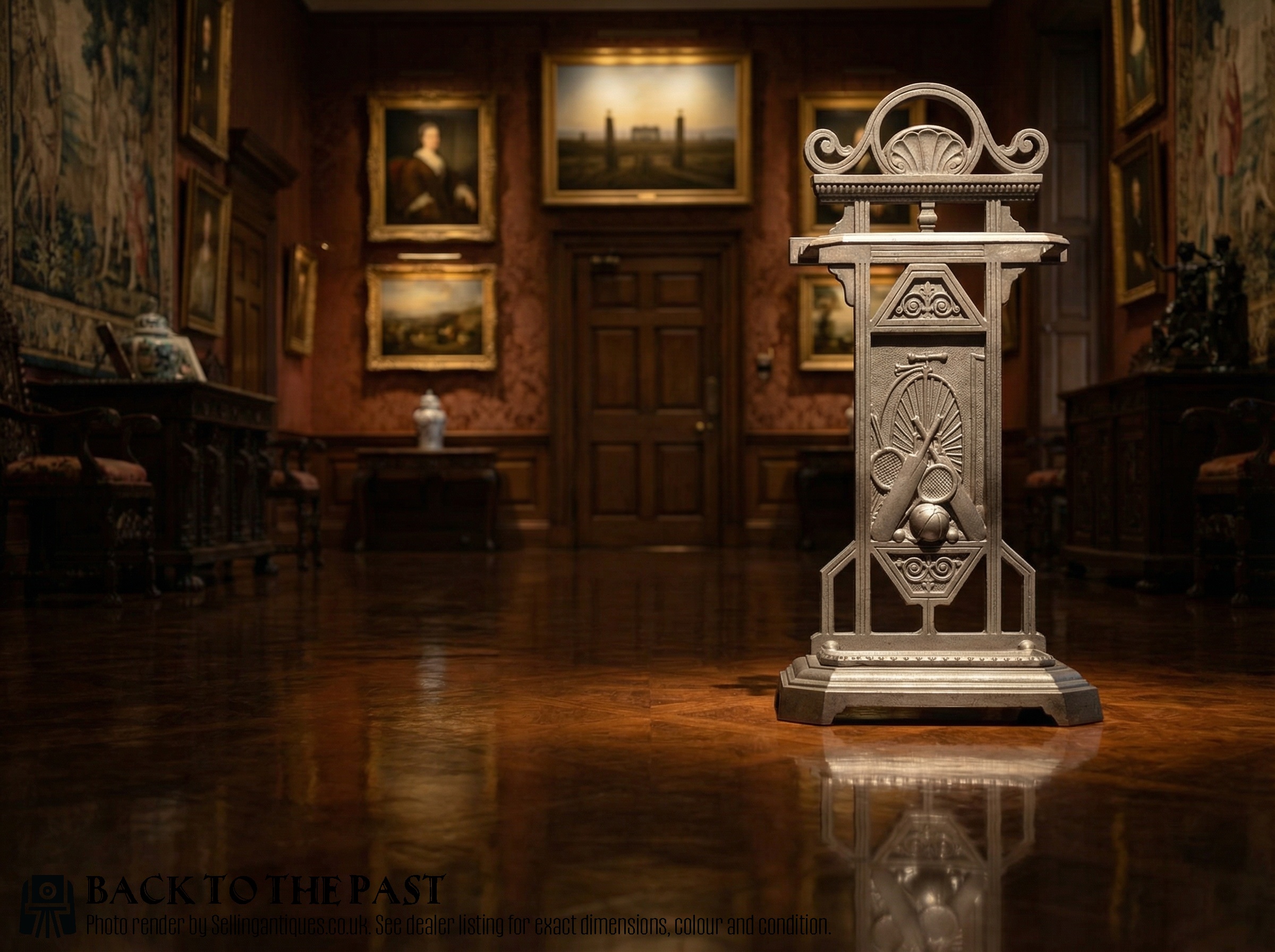
Understanding the vintage hall stand
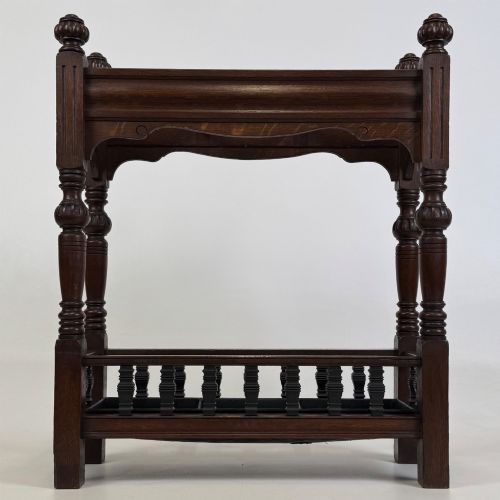
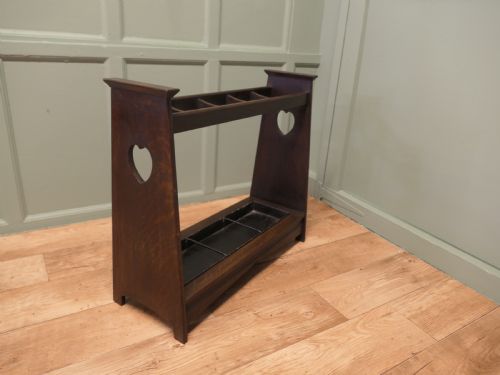
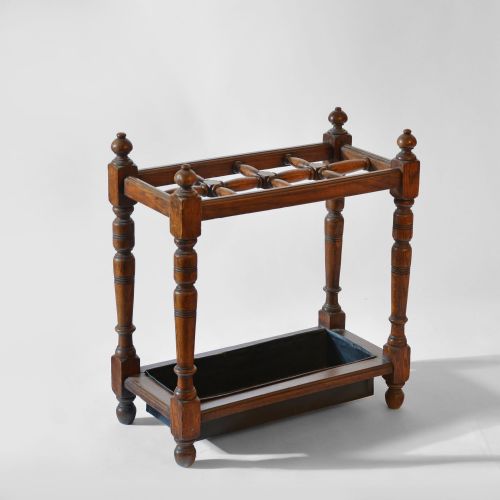
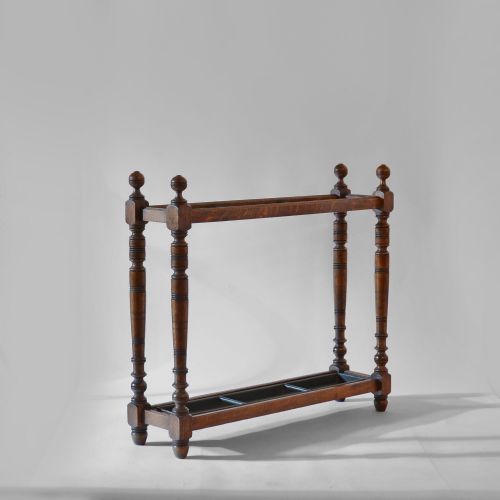
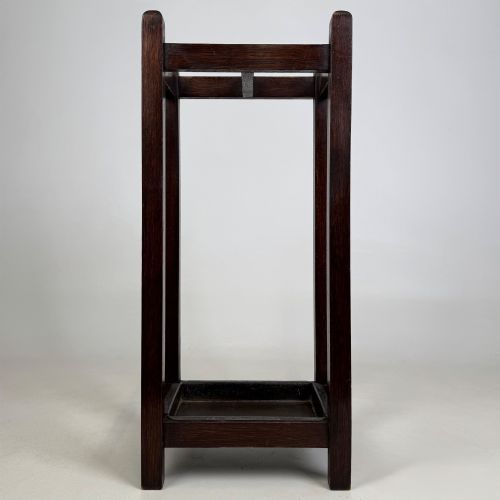
A vintage hall stand combines storage for outdoor wear and walking equipment into a single hallway furnishing. These pieces range from substantial Victorian mahogany hallstands to compact Edwardian umbrella and stick stands.
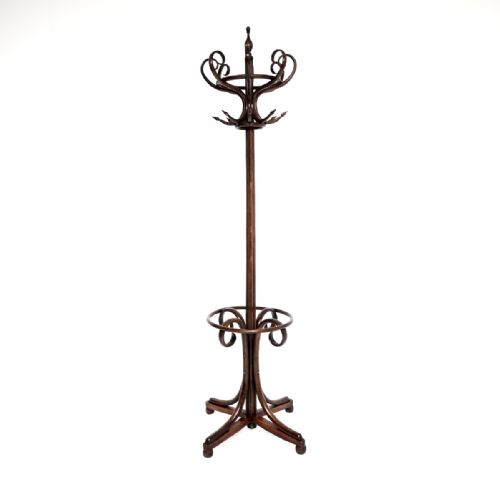
The selection frequently includes early twentieth-century bentwood hat and coat stands alongside robust oak umbrella holders. Pieces span the nineteenth century up through the nineteen-thirties, reflecting diverse domestic needs across different decades.
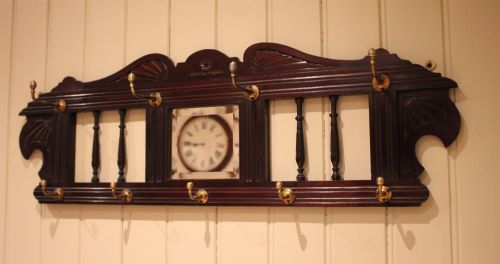
Makers and designers applied various forms to domestic entryways, utilising dedicated compartments for sticks, hooks for garments, and integrated drip trays. The surviving examples demonstrate how households managed coats and umbrellas before fitted hallway closets became standard.
Materials and construction methods
Carpenters and manufacturers relied heavily on solid oak, beech, mahogany, and mixed hardwoods to build these durable entryway furnishings. Bentwood techniques allowed makers to curve timber smoothly into arched hat hooks and rounded frames.
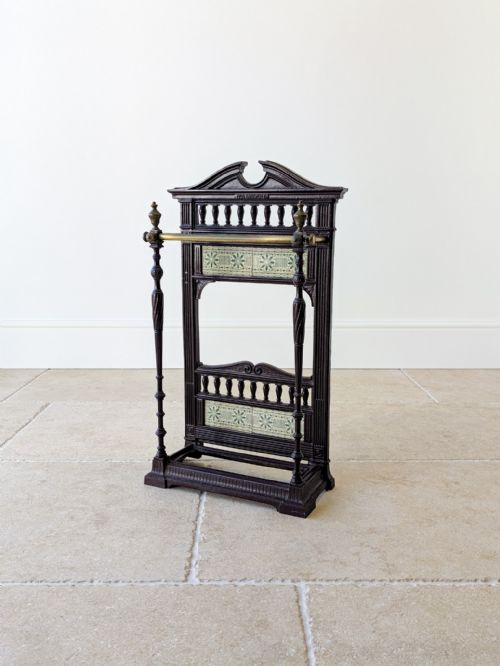
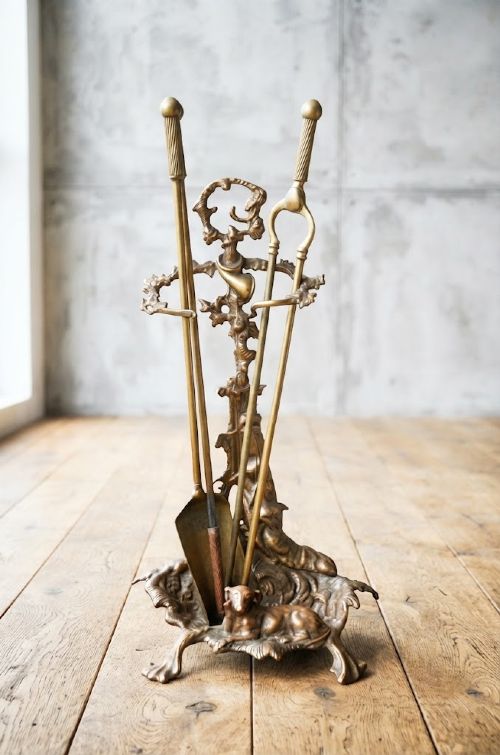
Metal components appear frequently, particularly as cast iron frames or original metal drip trays designed to catch rainwater from wet umbrellas. Antler construction also appears in specific nineteenth-century pieces, utilising natural materials for coat hooks.
Joinery methods reflect the commercial and domestic standards of their respective periods, from industrial metal framing to traditional mortise and tenon joints in oak.
Retail Price Guide 2026
Typical UK retail prices for vintage hall stand, calculated from the Sellingantiques database of over a million retail prices indexed since 2003. This retail price guide relies exclusively on Sellingantiques data; no external sources or auction records are used, so the figures do not describe the wider market.
Listings feature oak, beech, mahogany, cast iron, and antler across nineteenth-century and early twentieth-century periods.
Distinguishing quality across the range
Superior quality in a vintage hall stand reveals itself in the integrity of the timber selection and the presence of original components like metal drip trays. Finer examples exhibit considered proportions and careful joinery that withstands the heavy daily use of an entryway.
The complexity of the design and the purity of period style, such as Arts and Crafts detailing or graceful bentwood curves, separate ordinary items from exceptional ones. Retaining original hardware and unmodified surfaces preserves the authentic character that collectors value.
J Parker of Woodstock·Heals of London·Astrola
The Vintage Hall Stand Glossary
- Bentwood
- Wood softened by steam and bent into curved structural forms. This technique created lightweight yet resilient frames for hats and coats during the early twentieth century.
- Drip tray
- A metal or ceramic basin positioned at the base of a stick stand. It protects flooring from moisture brought indoors by wet umbrellas.
- Arts and Crafts
- A design movement prioritising traditional craftsmanship and visible construction methods. Pieces from this style emphasise plain structural honesty over ornate decoration.
- Hallstand
- A combined furniture piece incorporating coat hooks, hat storage, and umbrella holders. It served as the central organising hub in period domestic hallways.
Frequently Asked Questions
What is a hall stand?
A hall stand is a piece of furniture designed for entranceways to hold coats, hats, sticks, and umbrellas.
They combine multiple storage functions to keep hallway clutter organised and garments readily accessible.
How were umbrella stands used?
Umbrella stands held wet walking sticks and rain umbrellas upright in the hallway.
Integrated metal trays at the bottom caught dripping water to protect wooden floors from moisture damage.
How do I date a hall stand?
Dating relies on identifying period wood types, construction techniques, and stylistic movements like Victorian or Arts and Crafts.
Archival evidence and maker marks also help narrow the specific decade of manufacture.
Are bentwood stands sturdy?
Bentwood stands utilise steam-bent timber to achieve remarkable strength despite their slender profiles.
Their lightweight construction made them popular in homes requiring flexible entryway storage.