




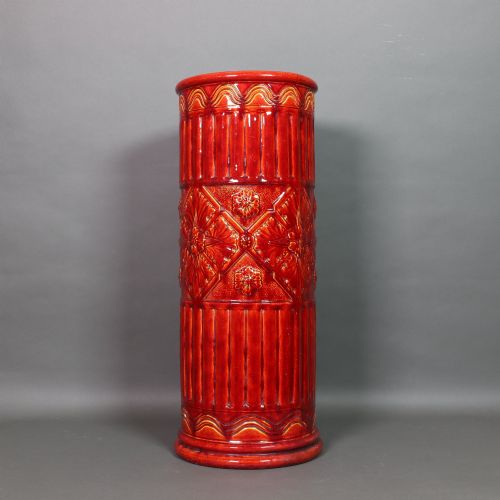
Antique Cane Stand
An antique cane stand keeps hallway floors dry while holding walking sticks and umbrellas with utilitarian purpose and architectural presence.
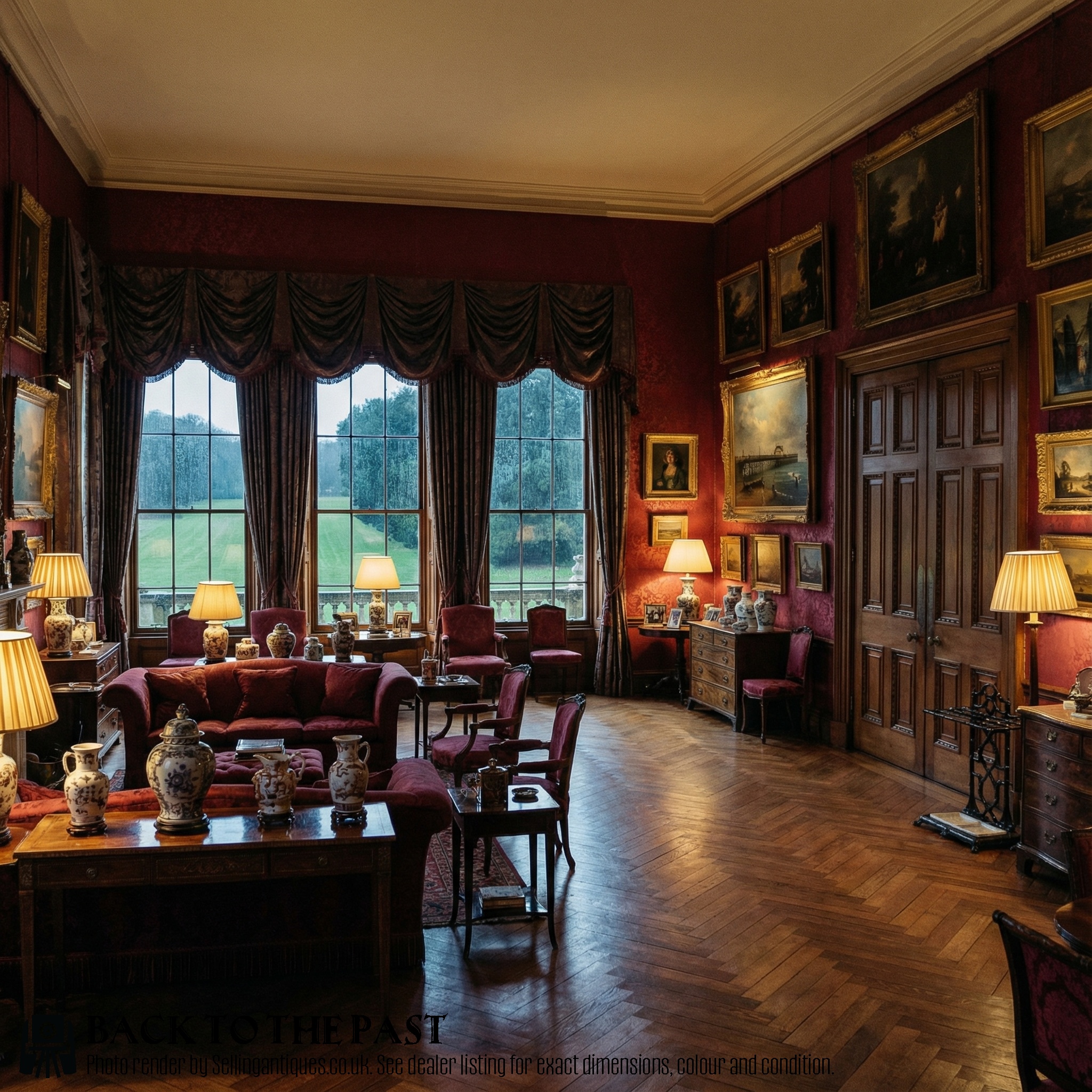
Antique Cane Stand
The material palette ranges from coopered oak and mahogany to cast iron, brass, bamboo, and rattan. Pieces span simple domestic items to designed objects bearing the marks of prominent makers such as Coalbrookdale and Thomas Jeckyll.
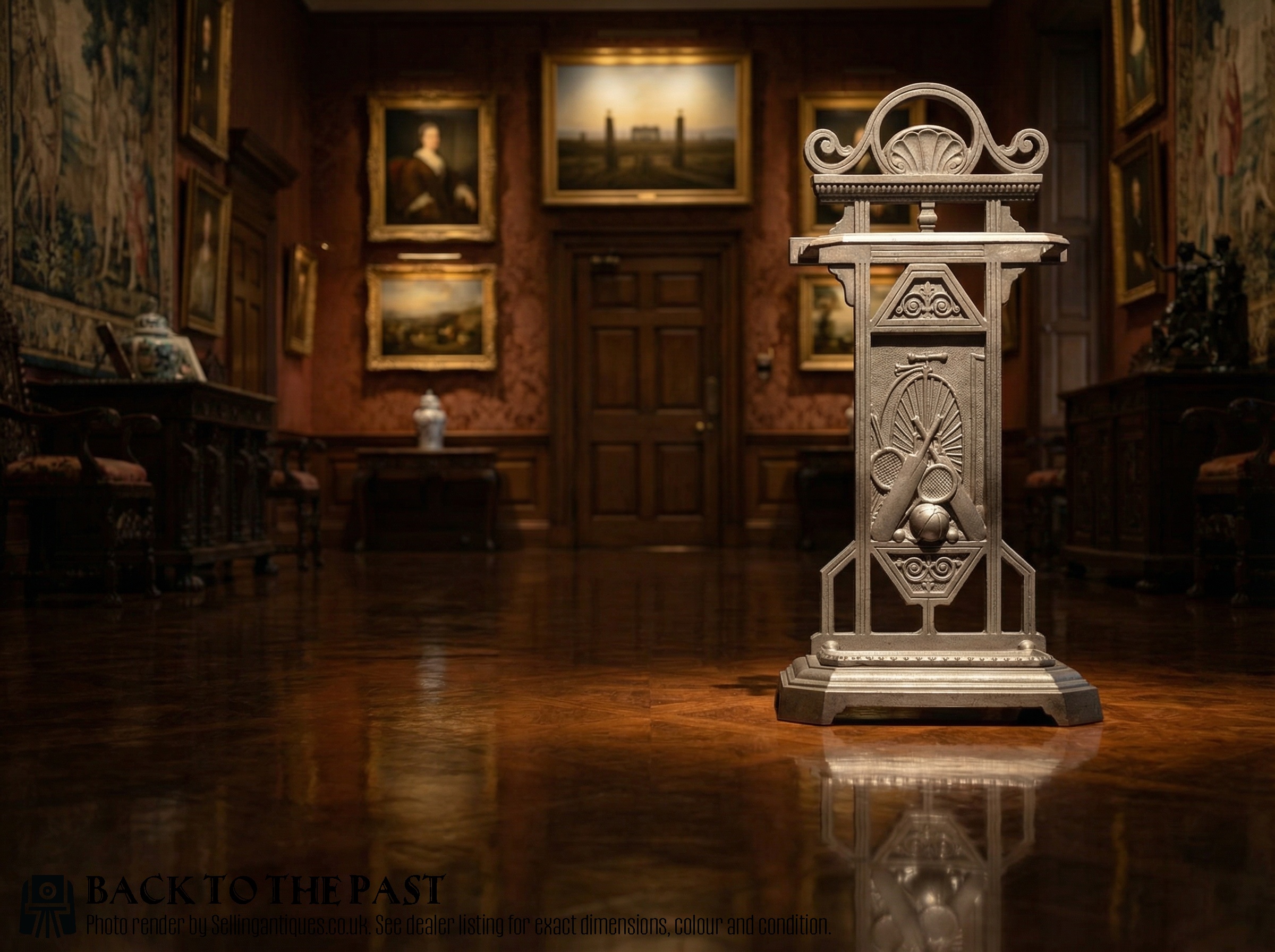
Materials and Construction
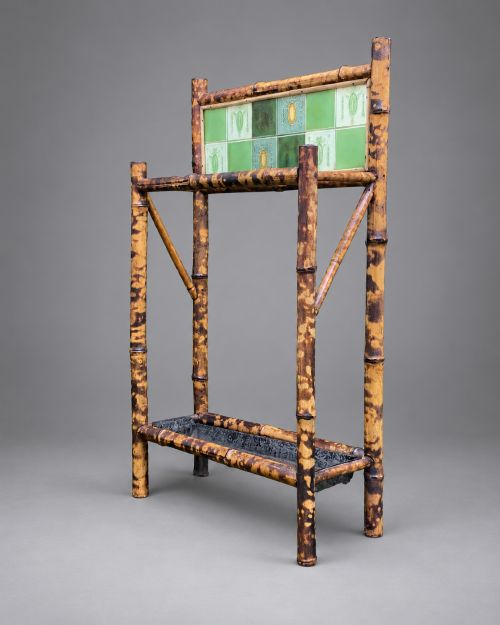
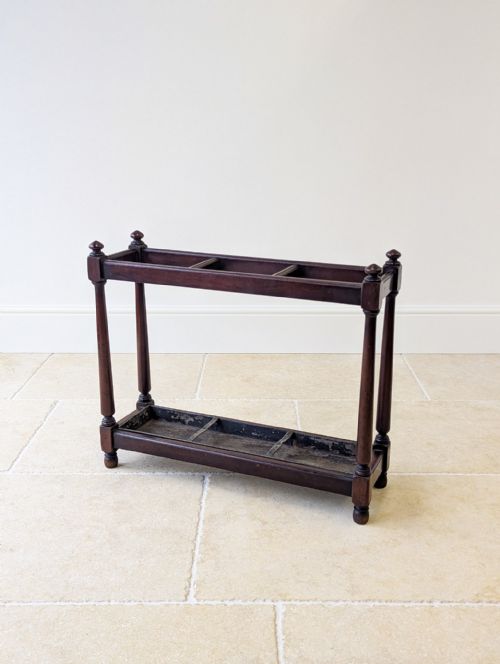
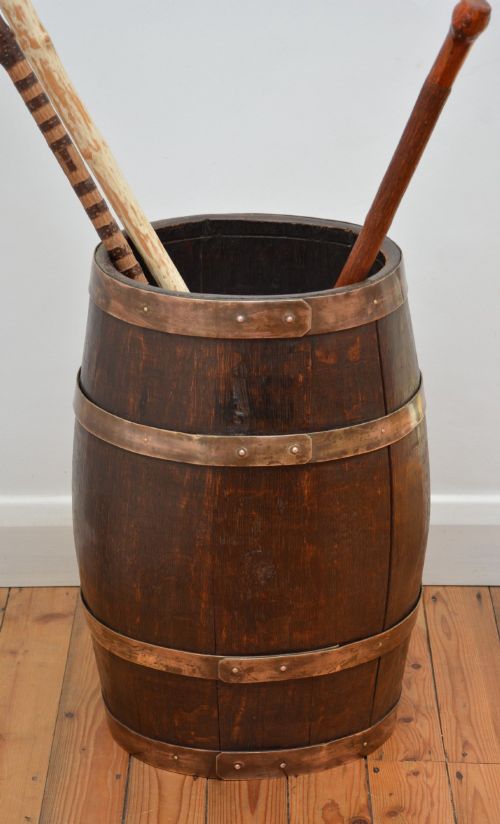
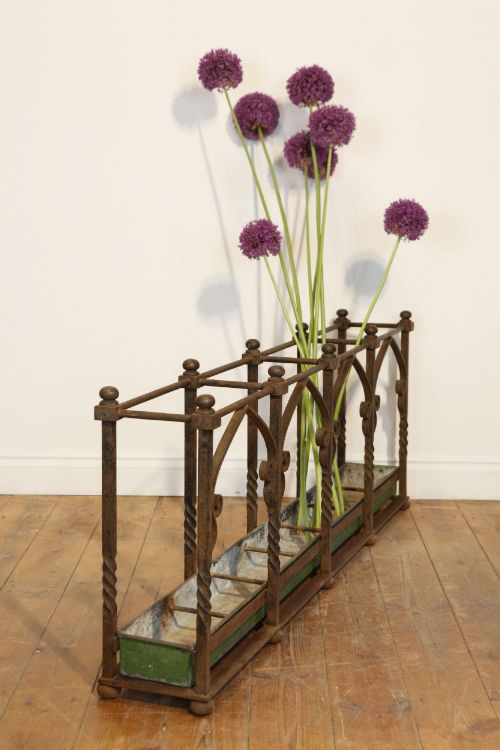
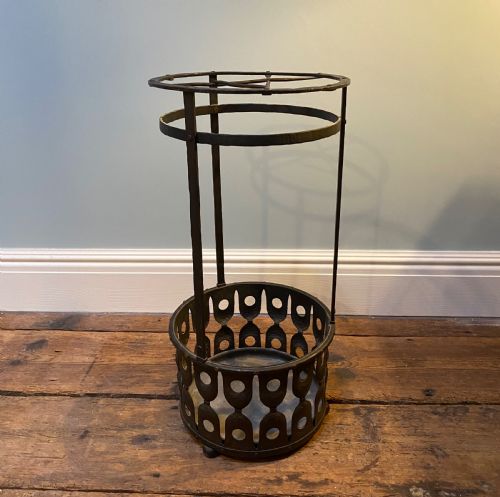
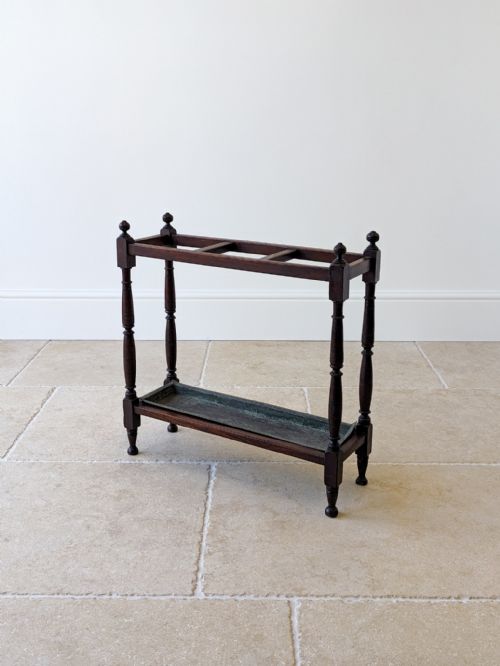
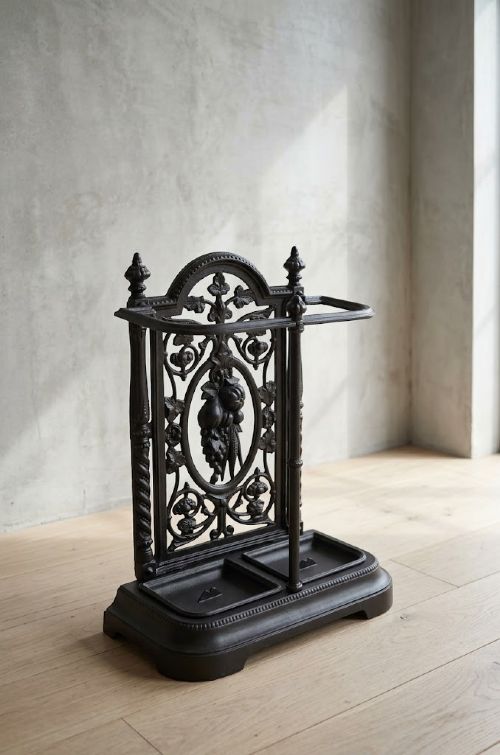
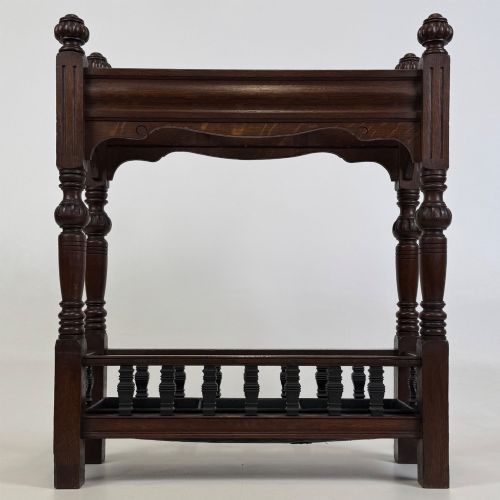
Foundries cast iron into intricate geometric, figural, and faux-bois bamboo patterns, often pairing metal frames with removable zinc or brass drip trays to catch rainwater. Coopered wooden examples utilise metal bands to secure solid oak staves.
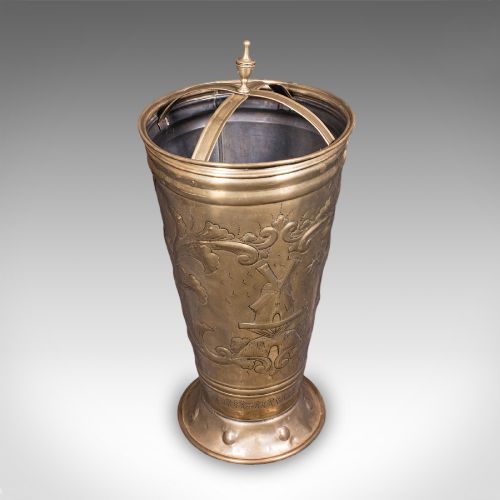
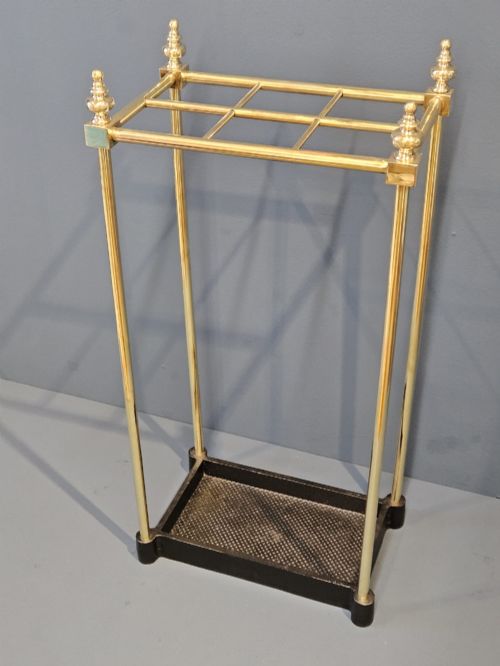
Brass elements appear as cast components, tubing, and decorative ball finials, while bentwood techniques shape flexible timber into curved frames. Artisans of the Arts and Crafts and Aesthetic movements combined exposed grain timber with hammered metal details.
Antique Cane Stand Retail Price Guide 2026
Typical asking prices for cane stand among the pieces listed under this phrase on Sellingantiques today, from the lower quarter to the upper quarter. They describe what is for sale here now, not the wider market.
Cast iron frogs and footballers stand guard in hallways, holding wet umbrellas with unyielding Victorian sportsmanship.
Character and Construction
Quality rests in the integrity of the original construction, seen in solid joints, heavy gauge metalwork, and the retention of matching drip trays. Mass-produced utilitarian items contrast with designed pieces bearing distinct foundry stamps or documented workshop origins.
Finer examples show disciplined surface finishes, whether patinated oak, nickel plating, or crisp cast iron relief, whereas lesser pieces display crude repairs and missing internal water basins.
Coalbrookdale·Thomas Jeckyll·Théodore Deck·Thonet
The Antique Cane Stand Glossary
- Demi-lune
- A half-moon shape allowing a stand to sit flush against a hallway wall. This profile maximises floor space while accommodating multiple walking sticks.
- Coopered
- Built from wooden staves bound together by metal hoops, similar to barrel construction. This technique provided sturdy waterproof vessels for damp umbrellas.
- Drip tray
- A metal base insert designed to catch water running off wet umbrellas. Original trays indicate complete and functional survivals.
- Faux bois
- An artistic imitation of wood grain rendered in cast iron or ceramic. This technique created durable hallway stands mimicking organic bamboo forms.
- Finial
- A decorative crowning ornament finishing the top of a post or frame. Brass ball finials punctuate the corners of heavy nineteenth-century metal stands.
Antique Cane Stand: Frequently Asked Questions
Where should I place an antique cane stand?
These stands suit entryways, hallways, and porches where damp umbrellas and walking sticks collect.
Ensure adequate floor protection beneath pieces lacking original metal drip trays to protect timber flooring.
How do I care for a metal and wood stand?
Wipe wooden surfaces with a dry cloth and maintain brass elements using appropriate metal polish without abrasive pads.
Empty and dry internal metal trays regularly to prevent moisture damage to the surrounding frame.
How do I identify an Edwardian cane stand?
Edwardian examples often utilise lighter oak timbers, brass collars, and clean geometric lines reflecting early twentieth-century domestic interiors.
They frequently feature dog-tooth trays and simpler division rails compared to heavily ornamented Victorian predecessors.
Can these stands hold modern umbrellas?
Most standard umbrella sizes fit easily within the traditional division rings and cast iron partitions of nineteenth and twentieth-century stands.
Narrower antique walking stick sections accommodate slender modern folding umbrellas without difficulty.