

Antique Brass Umbrella Stand
When you need an antique brass umbrella stand for the hallway, these functional pieces bring solid Victorian and Edwardian character to an entrance.
Antique Brass Umbrella Stand
An antique brass umbrella stand serves as a practical hallway accessory designed to hold walking sticks, canes and wet umbrellas. These items range from simple cylindrical holders to large compartmentalised racks found in period homes.
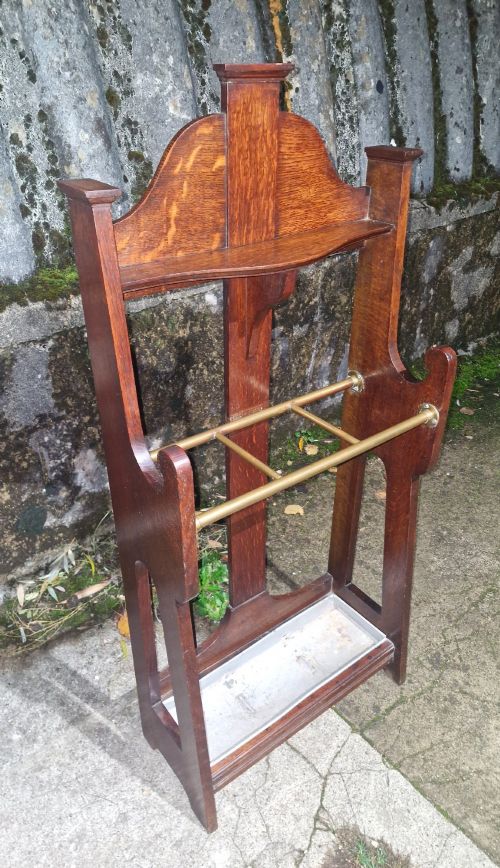
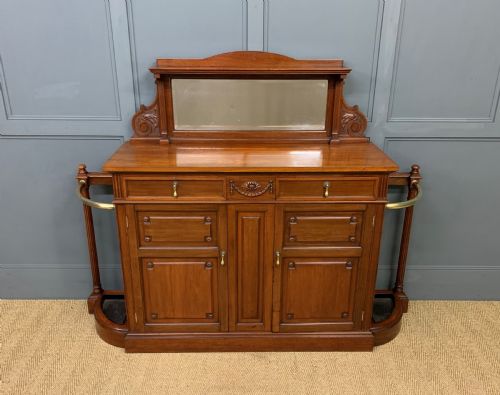
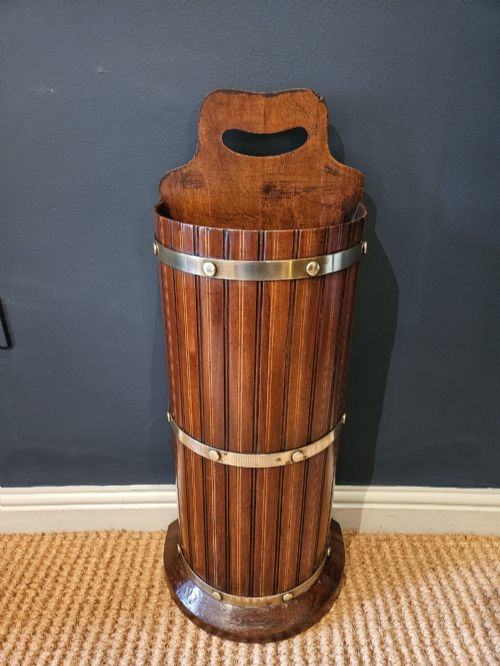
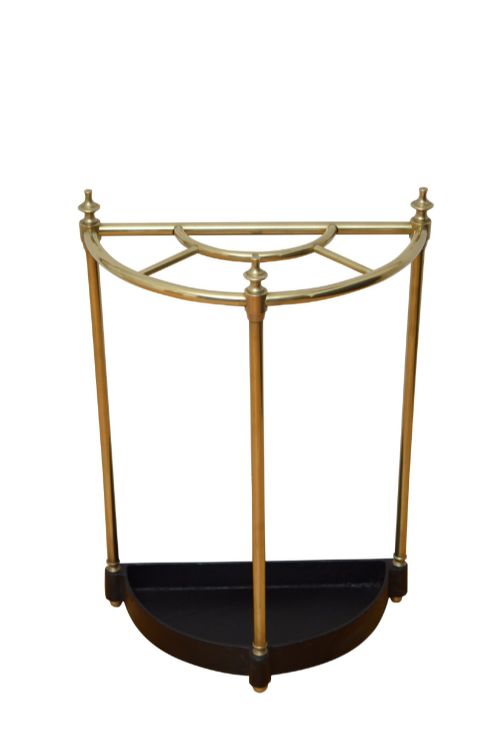
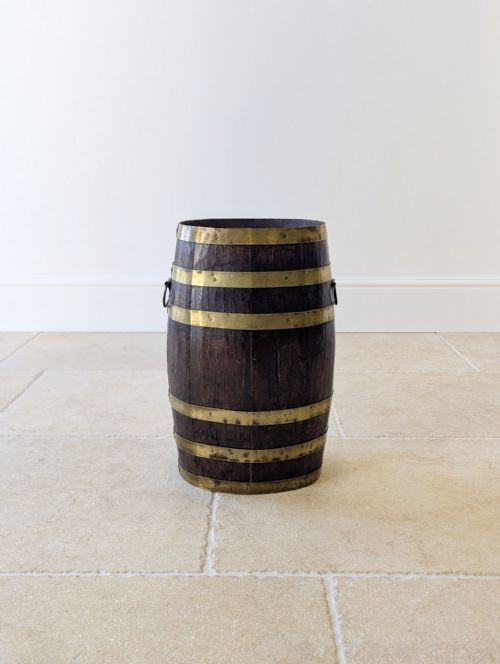
The pieces on this page appear primarily from the Victorian and Edwardian eras, alongside earlier nineteenth century examples. Common forms include demi-lune shapes, elliptical mahogany buckets, and multi-division hall racks.
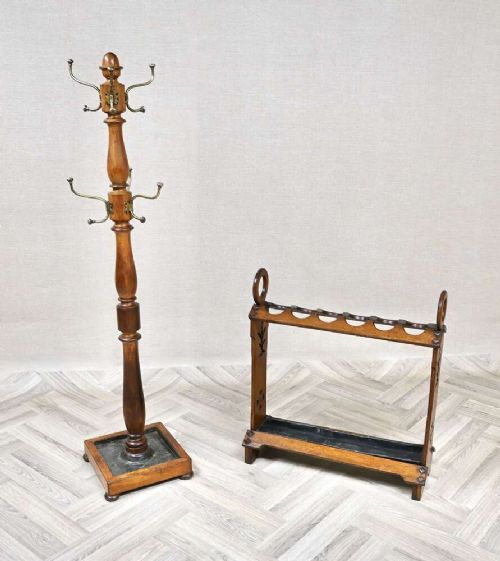
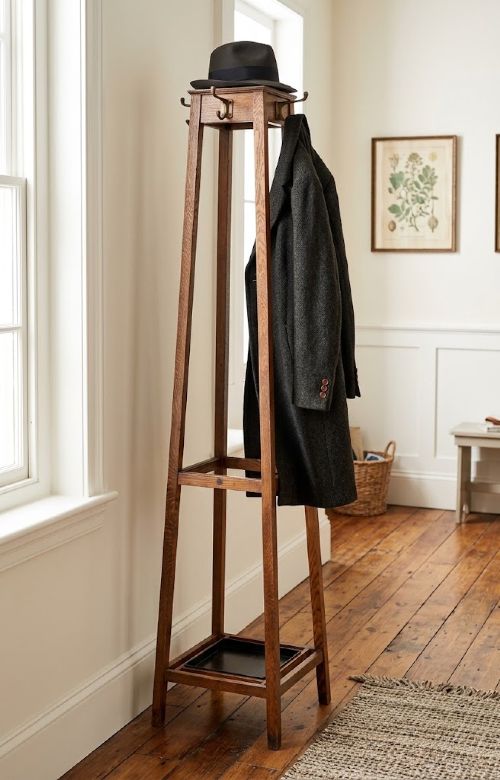
Makers utilised various secondary woods such as oak and mahogany alongside cast iron for stability. Buyers encounter straightforward brass vessels alongside complex revolving hall stands featuring coat and hat hooks.
Materials and construction
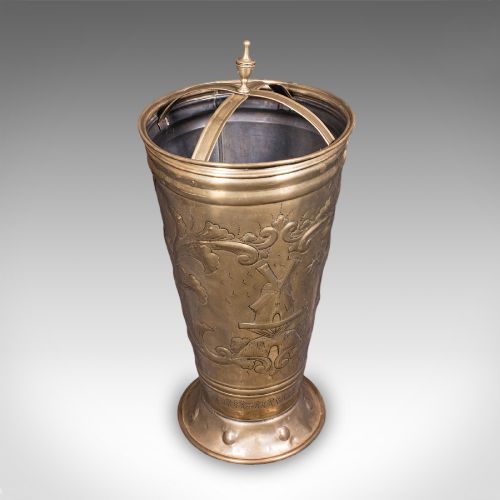
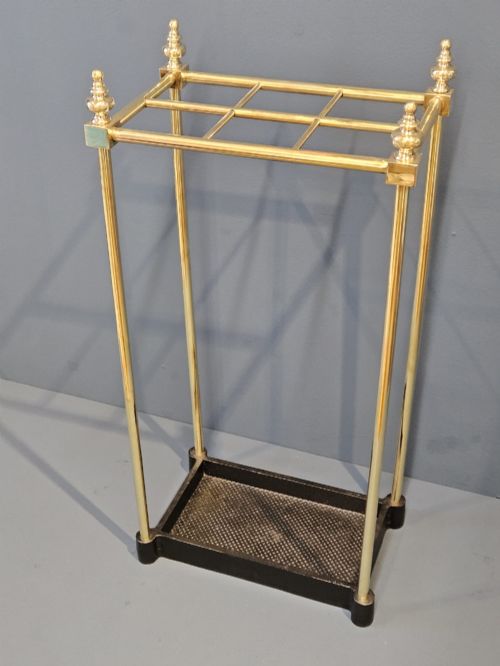
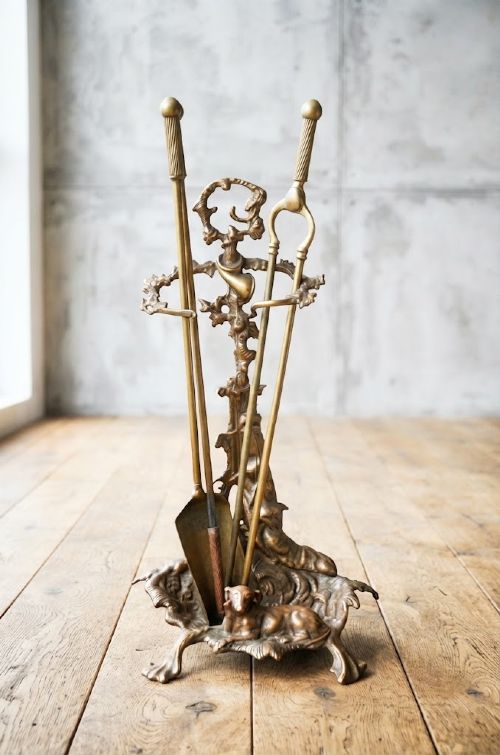
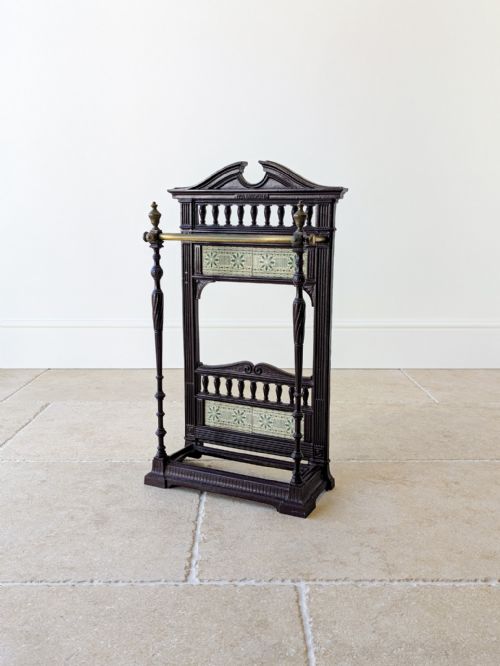
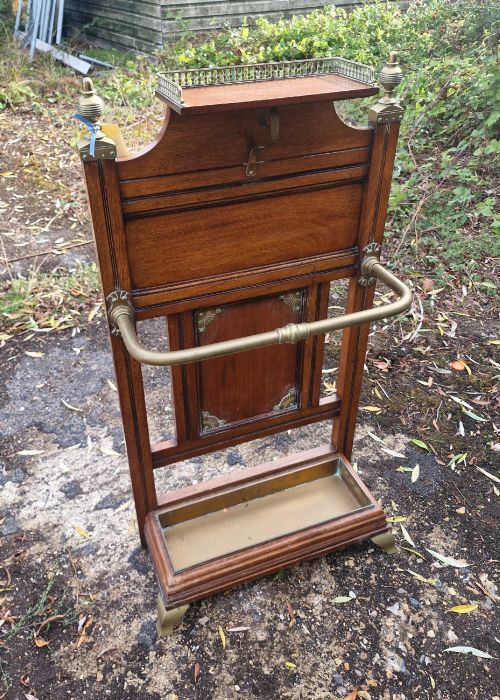
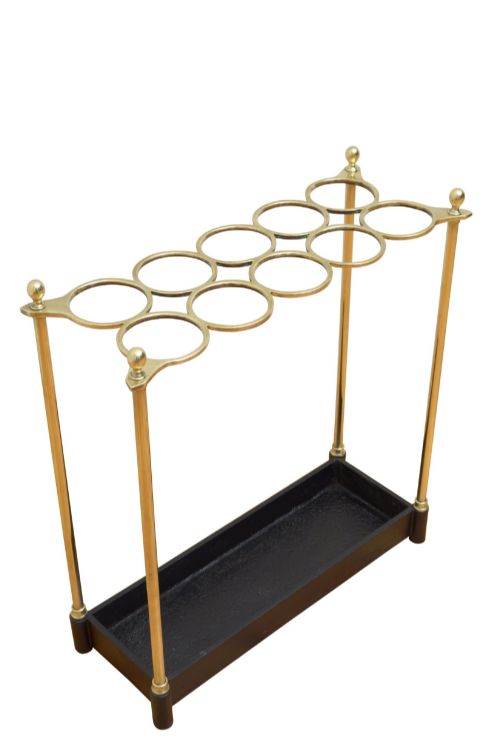
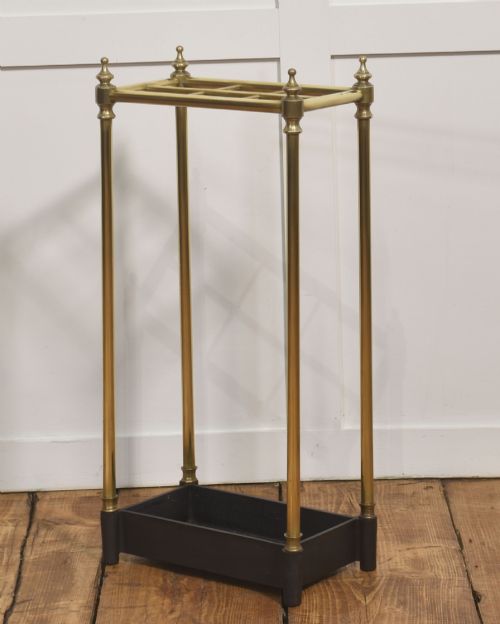
Maker construction relies on heavy sheet brass, cast brass elements, and copper accents combined with structural timbers like oak and mahogany. Metal components often feature decorative ball finials, dog tooth trays, and cast iron bases to catch water.
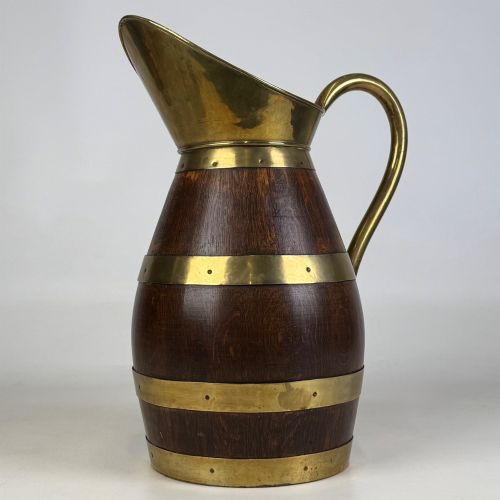
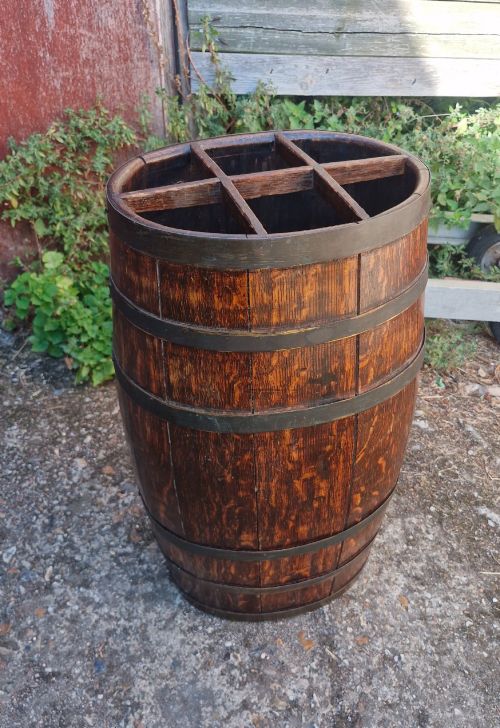
Coopers and metalworkers shaped brass bands around wooden barrels, buckets, and staved bins. Segmented dividers and compartmentalised racks were constructed to keep multiple walking sticks and umbrellas upright and separate.
Antique Brass Umbrella Stand Retail Price Guide 2026
Typical asking prices for brass umbrella stand among the pieces listed under this phrase on Sellingantiques today, from the lower quarter to the upper quarter. They describe what is for sale here now, not the wider market.
Many Edwardian halls featured revolving stands so visitors could easily spin away their wet coats and walking sticks.
Distinctions in quality
Quality rests in the weight of the brass, the integrity of the joinery in wood and metal combinations, and the presence of original drip trays. Pieces featuring cast divisions and solid timber framing demonstrate higher craft than lighter, plated alternatives.
Design complexity separates standard cylindrical holders from elaborately turned revolving hall stands that incorporate mirror frames, coat hooks, and heavy brass gallery rails.
The Antique Brass Umbrella Stand Glossary
- Demi-lune
- A half-moon shape allowing the stand to sit flush against a hallway wall. This profile saves floor space in narrow corridors.
- Elliptical
- An oval form seen in certain nineteenth century umbrella buckets and barrels. This shape accommodates multiple walking sticks.
- Finial
- A decorative ornament finishing the top of a post or corner, often shaped as a ball on these stands. These metal elements add visual weight to the design.
- Segmented
- Divided into distinct sections or slots to separate individual canes and umbrellas. This arrangement prevents wet tips from clumping together.
- Cast iron
- A heavy metal alloy used for internal bases and weighted bottoms. This material prevents the stand from tipping when loaded with heavy walking sticks.
Antique Brass Umbrella Stand: Frequently Asked Questions
Where should I place an umbrella stand?
These pieces suit entrance halls, boot rooms, and porches where wet weather gear is discarded upon entry. Placing the stand near the front door catches drips before they reach delicate flooring.
Ensure there is enough clearance for doors to open fully without striking the brass rim or protruding walking sticks.
How do I clean antique brass?
Dust the metal regularly with a soft dry cloth to prevent grime accumulation in decorative crevices. Avoid harsh chemical polishes that strip away aged character and historical patina.
Gentle cleaning preserves the warm golden tone developed over decades of household use.
Are these stands suitable for daily use?
Solid brass and bound wooden vessels remain sturdy enough for everyday storage of modern umbrellas and walking sticks. Ensure any interior drip tray is emptied regularly to protect the base from standing moisture.
Heavier compartmentalised racks easily support multiple heavy items without tipping.
How do I date a brass umbrella stand?
Examine the construction methods, including the style of the brass bindings, joining techniques, and secondary timbers like oak or mahogany. Victorian and Edwardian examples often feature specific decorative motifs such as dog tooth trays or ball finials.
Comparing the form against documented architectural styles helps narrow down the decade of manufacture.