


Brass Walking Stick Stand
A brass walking stick stand is a robust hallway furnishing designed to hold canes and wet umbrellas, combining utility with decorative metalwork.
What They Are
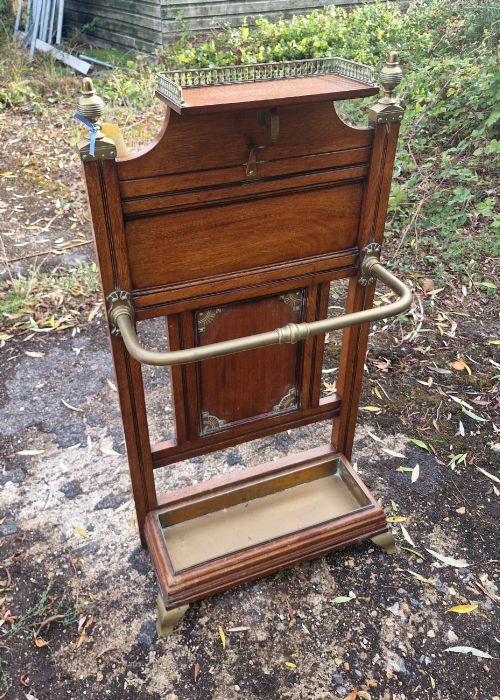
A brass walking stick stand is primarily a Victorian hallway furnishing built to hold both walking sticks and umbrellas in domestic settings. These pieces appear frequently in the record alongside umbrella stands, serving the same functional purpose in country houses and town residences.
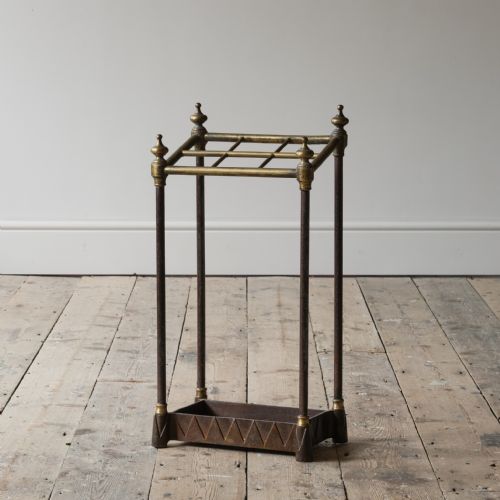
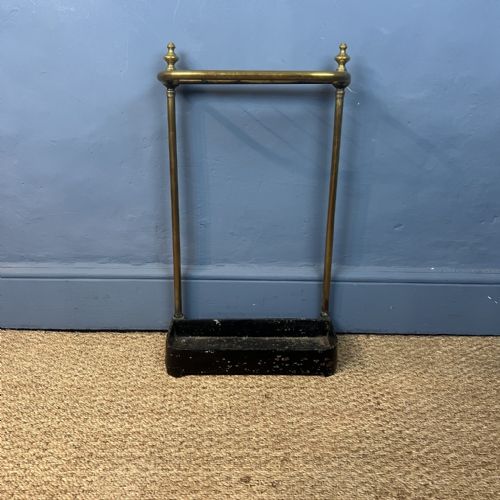
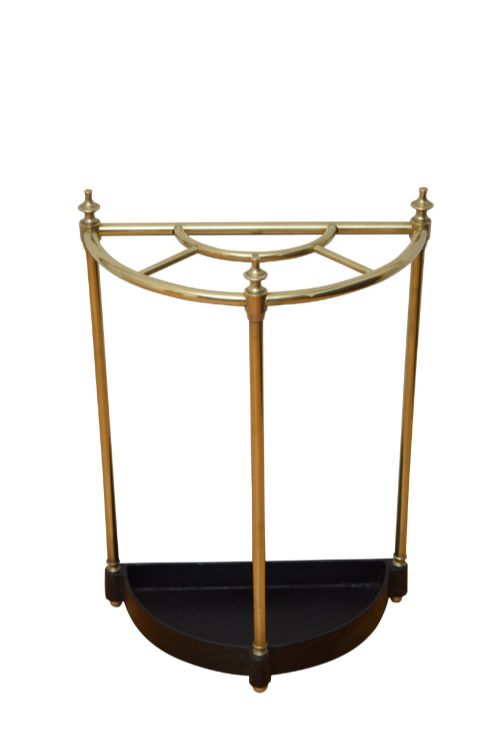
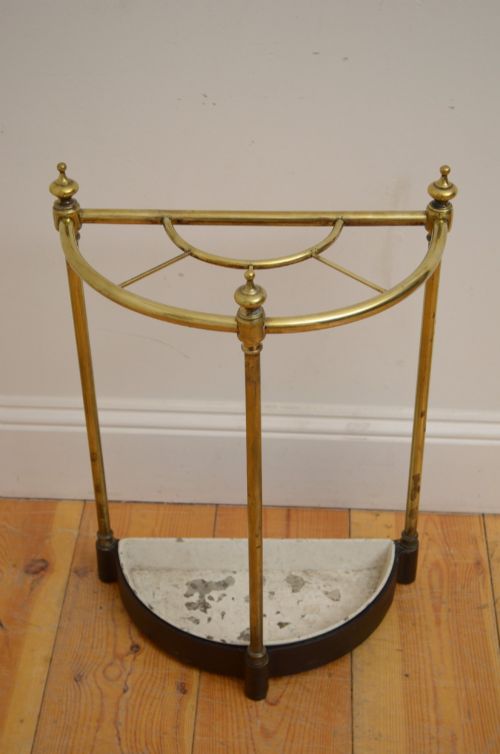
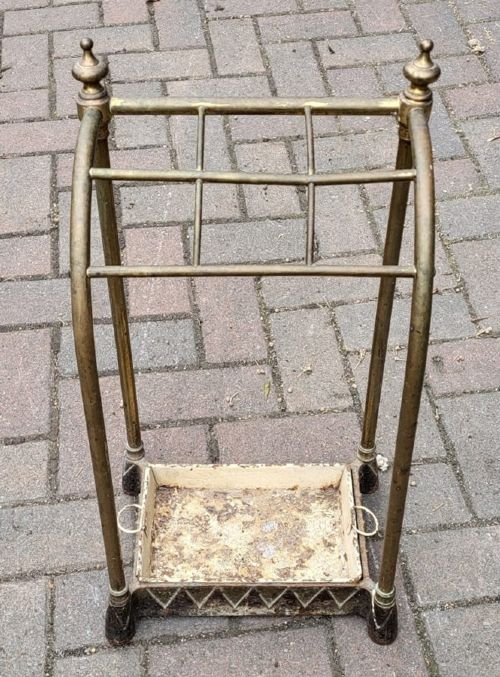
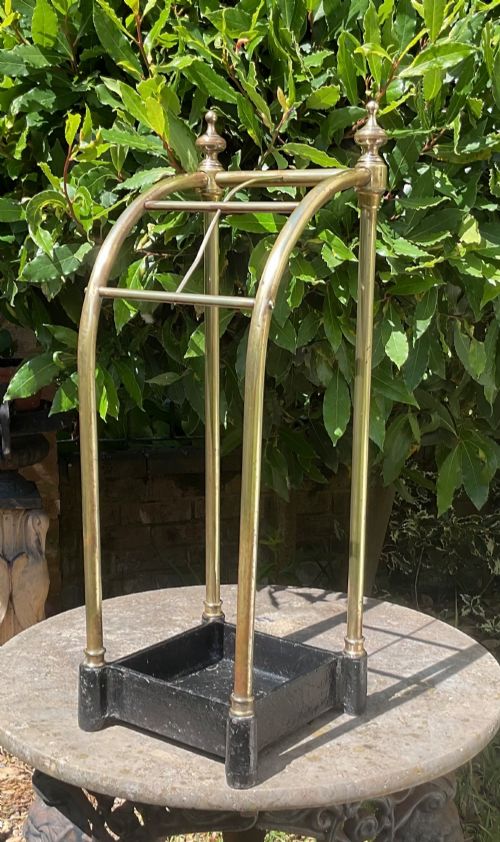
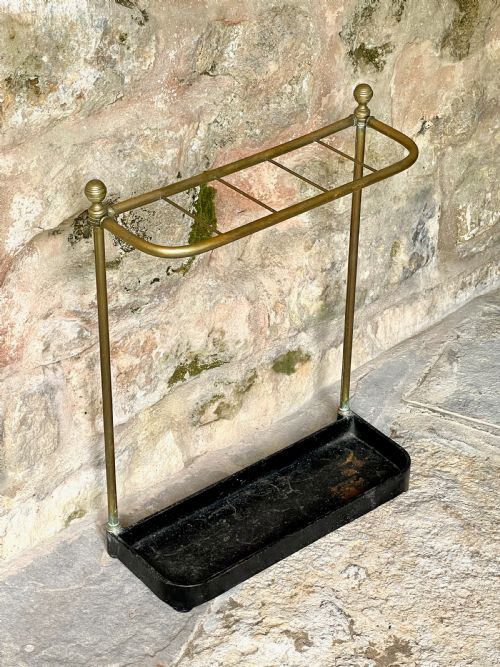
The most common examples combine a bright or patinated brass upper frame with a heavy cast iron base designed to catch drips and provide stability. Buyers frequently encounter nineteenth-century forms that utilise iron for weight and brass for decorative effect.
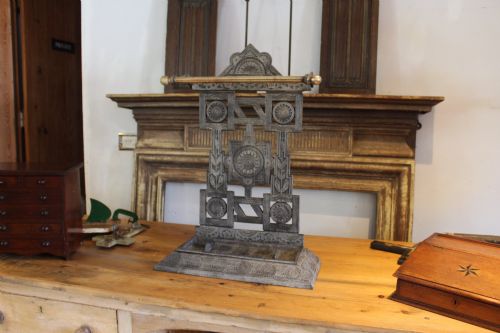
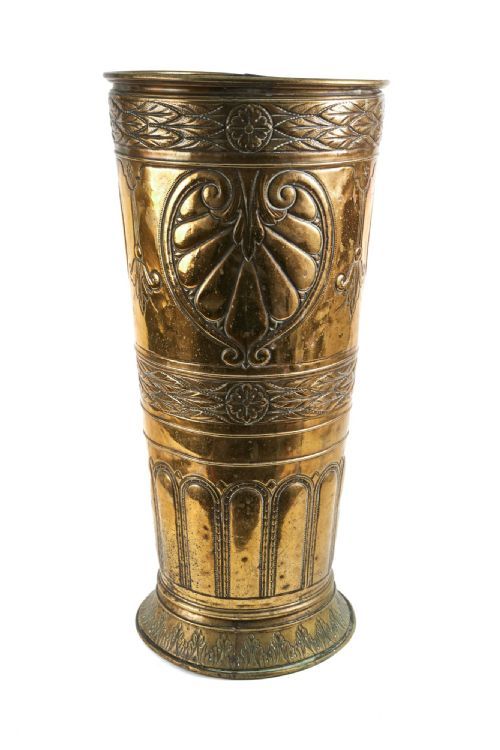
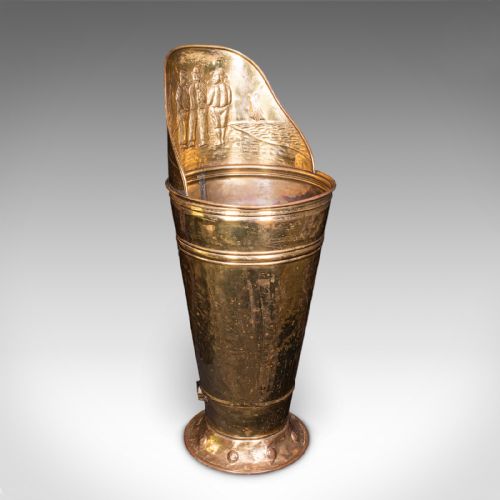
Variations in scale range from narrow designs suited to compact hallways to large or paired pieces intended for substantial entrance halls. Some incorporate copper alongside brass and iron, while others feature specific decorative motifs like entwined snakes, swans, or shamrocks.
How They Were Made
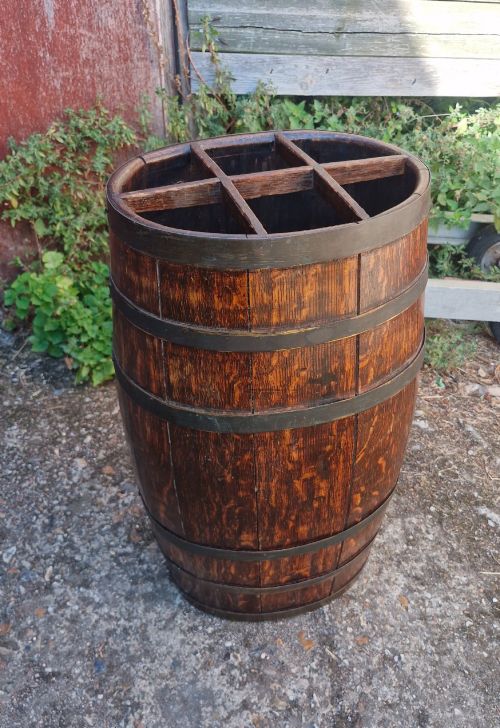
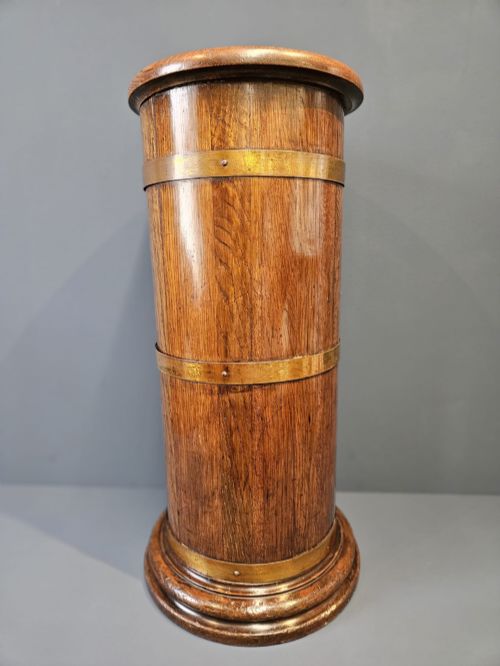
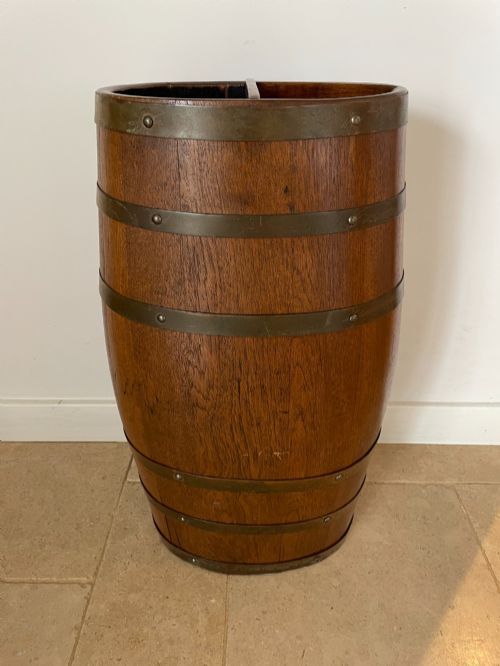
Manufacturers combined cast iron and sheet or cast brass, using the heavier iron for stability at the base while shaping brass for the structural rims and dividers. Many examples utilise wooden components, such as oak staves bound with brass, echoing cooperage techniques.
Foundries cast iron bases into specific patterns, including corner configurations and decorative motifs like swans or shamrocks. Brass elements were shaped, turned, and joined to hold walking sticks upright while containing a drip pan below.
Listings for this phrase heavily feature Victorian pieces combining brass with heavy cast iron bases.
What Varies in Quality
Quality rests in the heaviness of the casting and the crispness of decorative details such as entwined snakes or botanical motifs. Superior examples show careful finishing at the joints where brass meets iron.
The choice of materials dictates the character of the piece, with patinated surfaces and substantial gauge brass distinguishing better examples from lighter, purely utilitarian items.
The Brass Walking Stick Stand Glossary
- Cast Iron
- A hard, brittle alloy of iron and carbon that is poured into moulds to create heavy, stable bases for hallway stands.
- Patinated
- A surface altered by age and use, showing a darkened or softened metallic sheen on the brass components.
- Corner Stand
- A triangular or angled variation designed to fit snugly into the intersection of two hallway walls.
- Drip Pan
- The lower tray, often integrated into the iron base, designed to catch water from wet umbrellas.
Frequently Asked Questions
How do I clean a brass walking stick stand?
Dust the metal surfaces regularly with a soft, dry cloth to prevent the accumulation of grime in the detailed casting recesses.
Avoid harsh chemical polishes that strip historic patination, opting instead for gentle cleaning to preserve the aged character of the brass.
Were these stands used for both canes and umbrellas?
Historical records show these furnishings served interchangeably for walking sticks, canes, and umbrellas in nineteenth-century hallways.
The vertical dividers and ring tops accommodated narrow stick shafts just as effectively as rain umbrellas.
Can I place a corner stand in a flat hallway?
Corner stands feature angled or triangular bases specifically built to occupy ninety-degree wall junctions efficiently.
They maximise floor space in narrower corridors where straight rectangular stands might obstruct passage.
What periods do these stands typically date from?
The majority of these pieces originate from the Victorian era, spanning the nineteenth and early twentieth centuries.
Design characteristics reflect the Victorian preference for combination metals and functional domestic metalwork.