


19th Century Umbrella Stand
When you search for a 19th century umbrella stand, you discover practical hall furniture designed to keep wet weather contained.
19th Century Umbrella Stand
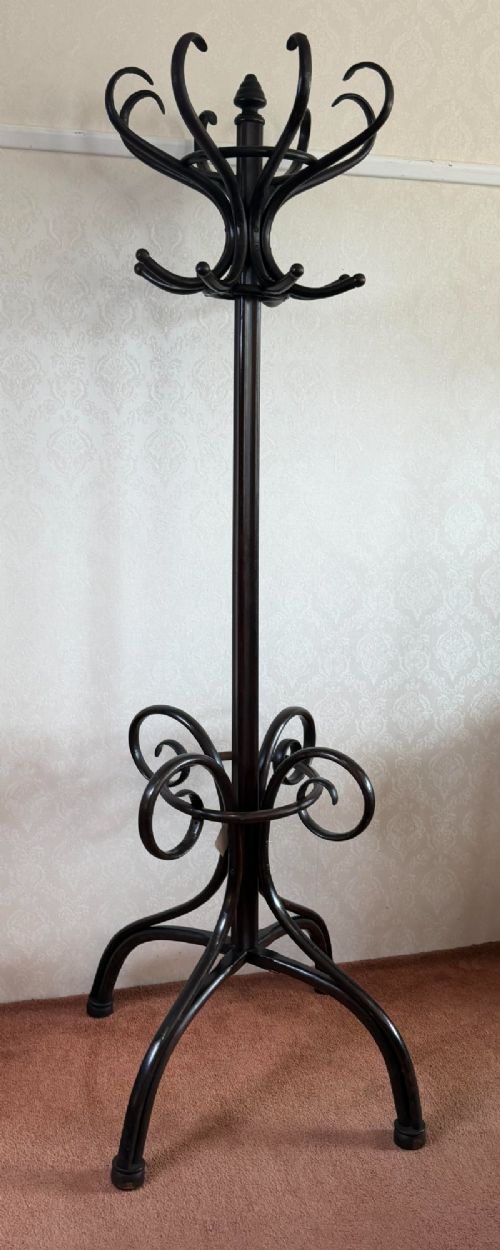
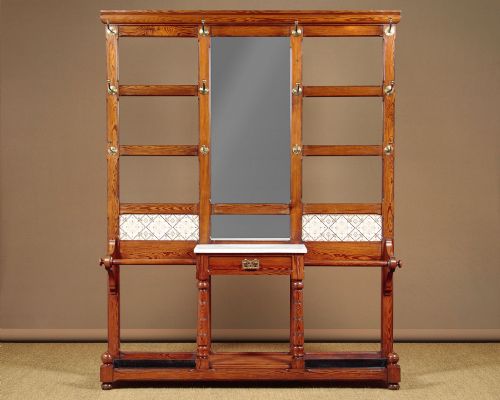
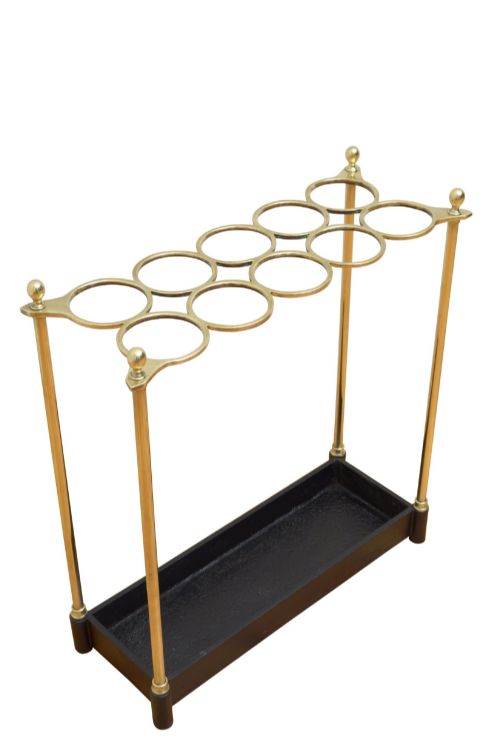
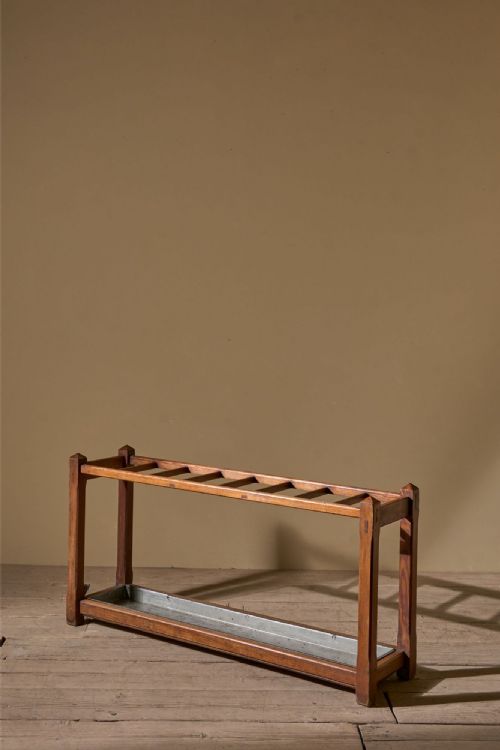
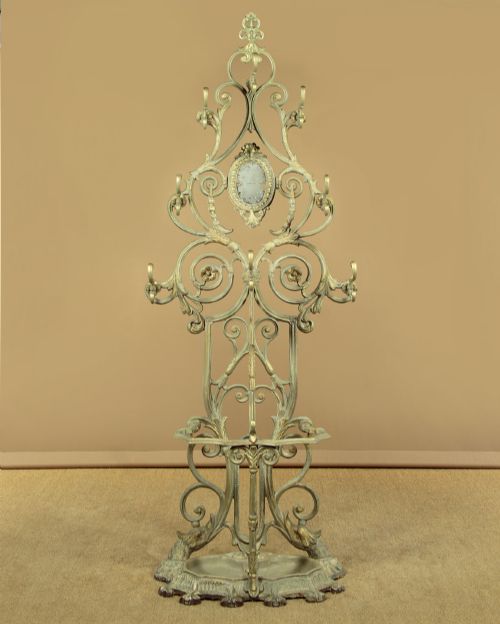
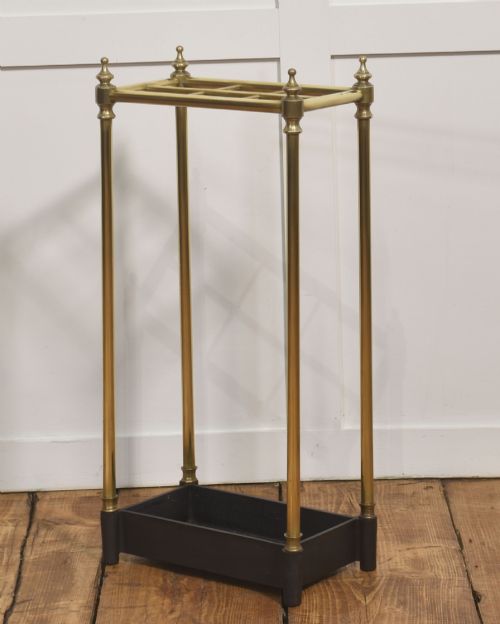
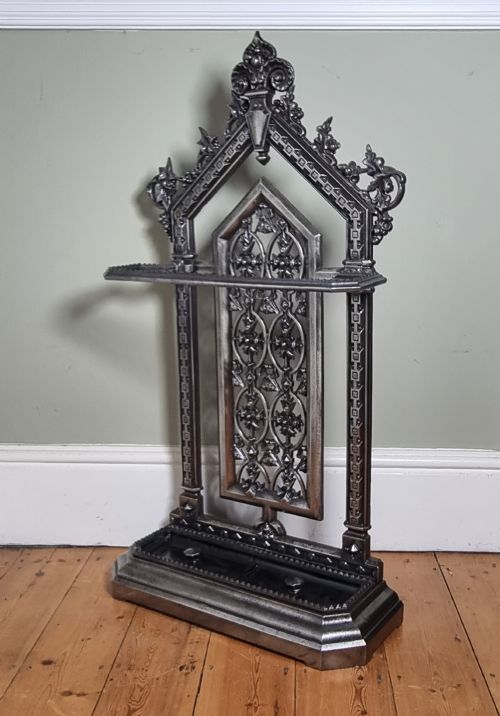
A 19th century umbrella stand provides a dedicated place for wet walking sticks and umbrellas in the hallway. These pieces appear as compact half-moon vessels, heavy iron holders, and parts of large combined hall stands.
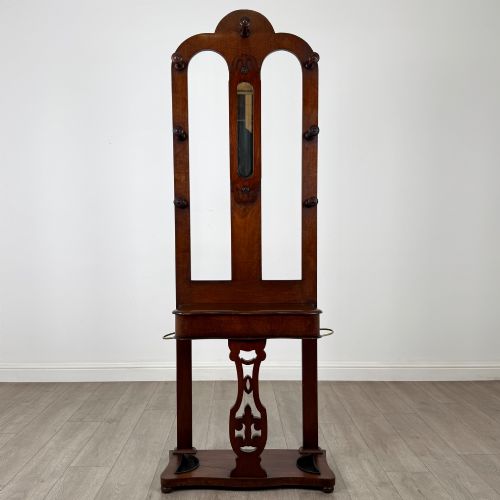
Victorian examples dominate the selection, often combining umbrella storage with coat hooks and mirror panels. Simpler wooden barrels and copper vessels also serve the same purpose.
Origins stretch across English country houses, French workshops, and German carving traditions. Most items combine storage with structural timber or metal framing meant for daily use.
Materials and Construction
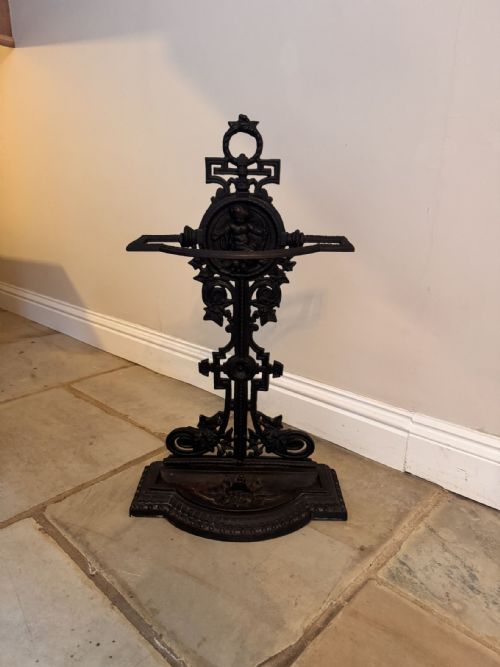
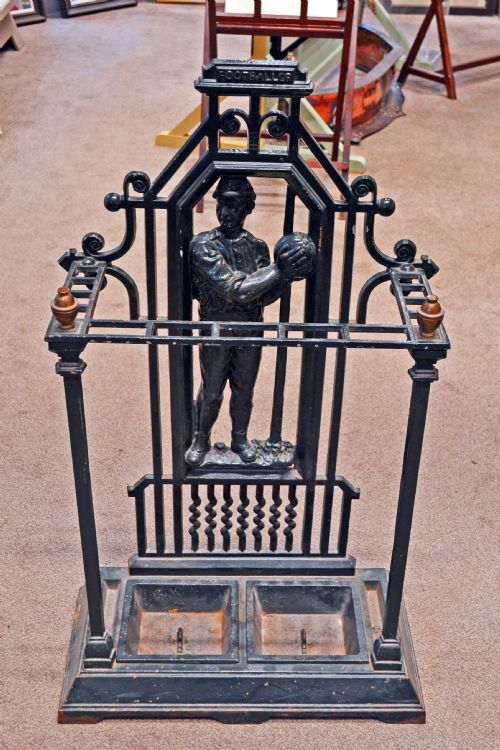
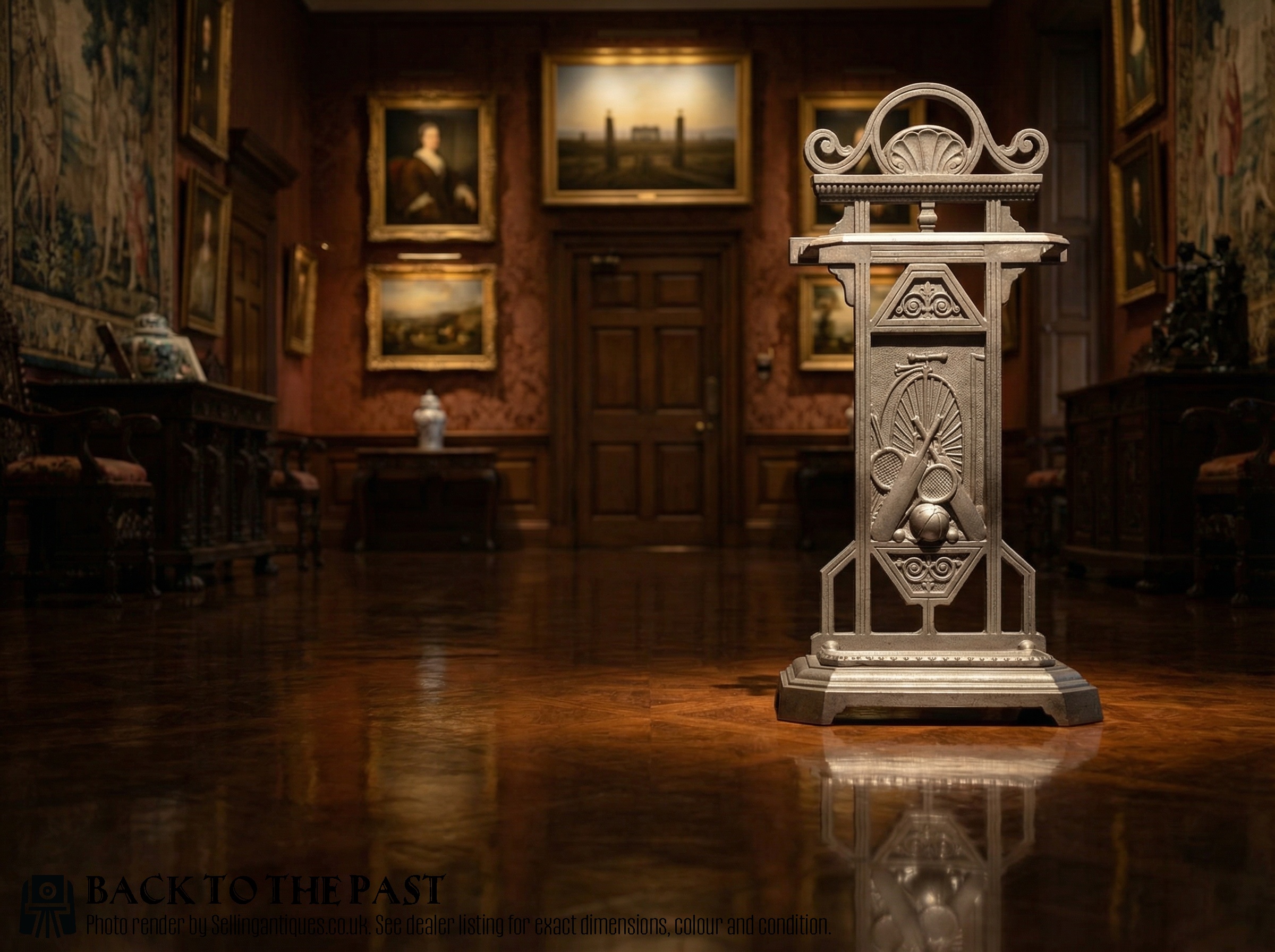
Foundry work defines the metal examples, utilising cast iron, brass mounts, and copper sheeting. Makers formed heavy iron frames with openwork patterns to allow wet items to dry.
Woodworking traditions rely on mahogany, oak, pine, and bentwood techniques. Coopers constructed barrel-style stands using staves bound with brass bands.
19th Century Umbrella Stand Retail Price Guide 2026
Typical asking prices for 19th century umbrella stand among the pieces listed under this phrase on Sellingantiques today, from the lower quarter to the upper quarter. They describe what is for sale here now, not the wider market.
Listings feature oak, mahogany, cast iron, and brass alongside carved Black Forest bear designs.
Judging Quality
Construction methods separate standard utility pieces from exhibition items. Heavy metal castings show crisp detail in the patterns, while better wooden stands use solid timber rather than thin veneers.
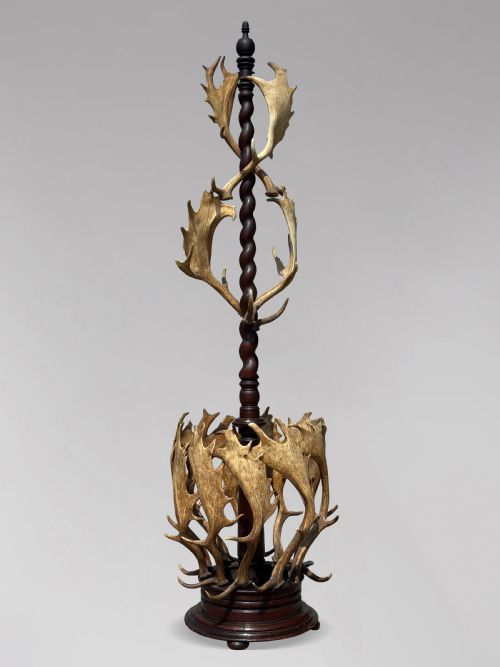
Carved wooden figures, such as Black Forest bears, depend on the depth and realism of the carving. Original drip pans and secure brass bracing also indicate higher quality.
Théodore Deck·Falkirk Ironworks·Fischel·J. Parker of Woodstock·Coalbrookdale
The 19th Century Umbrella Stand Glossary
- Hall Stand
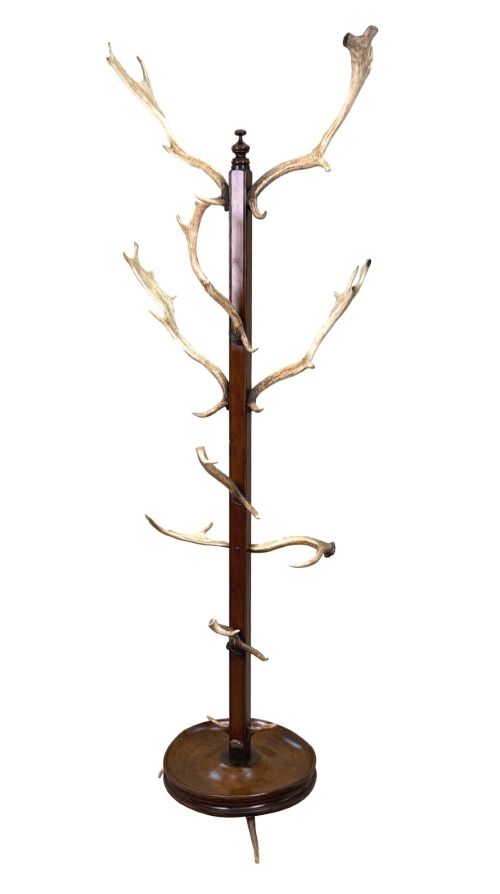
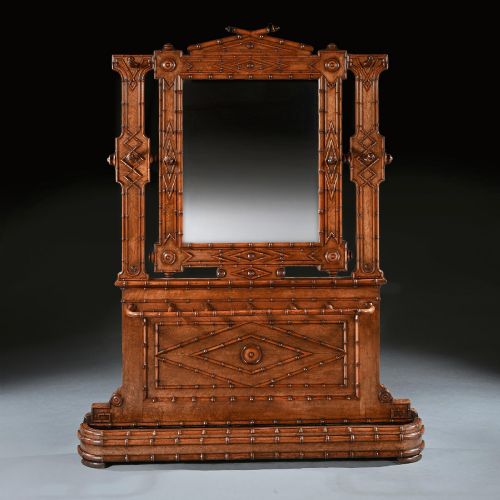
- A large piece of entrance furniture combining umbrella storage, coat hooks, and frequently a mirror or glove box.
- Demi-lune
- A half-moon shape used for stands designed to sit flat against a hallway wall.
- Bentwood
- Wood softened by steam and bent into curved shapes, commonly utilised in Victorian and Thonet designs.
- Faux Bamboo
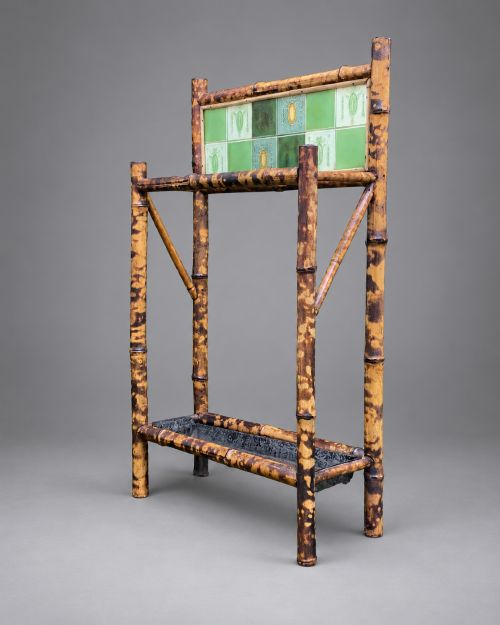
- Wood carved or painted to imitate natural bamboo stems, popular during the Aesthetic Movement.
- Drip Pan
- A metal tray placed at the base of a stand to catch water from wet umbrellas.
19th Century Umbrella Stand: Frequently Asked Questions
Where did these stand in a Victorian home?
These items stood in the entrance hall or vestibule where visitors and residents removed wet outerwear. Their placement protected interior wooden floors from dripping water.
Larger versions integrated into multi-functional pieces that held hats, coats, and walking sticks simultaneously.
How do I protect my floors from water?
Most original stands include a metal drip tray at the bottom to catch moisture from wet items. Ensuring this tray is present protects modern flooring from residual dampness.
Placing a modern liner inside historical trays provides extra security for delicate wood or carpet.
What is the difference between a stick stand and an umbrella stand?
Terms often overlap because nineteenth-century households stored both walking sticks and wet umbrellas in the same vessels. Stick stands sometimes feature narrower dividers for slender canes.
Larger umbrella vessels accommodate wider canopies and heavier wooden handles.
Can these hold modern umbrellas?
Historical dimensions easily accommodate modern folding and standard umbrellas. The heavy bases of iron and brass models provide stability for tall items.
Compact versions suit modern hallways just as well as traditional country houses.